Dog Training Made Simple: Real Tips for Real Dogs
Training a dog can feel like solving a puzzle without the picture. The good news? Most puzzles have a pattern, and the same goes for dog behavior. Whether you’re dealing with a new puppy or an older rescue, the right steps make the whole process smoother.
First, think of training as a two‑way conversation. Your dog watches what you do, then decides if it’s worth copying. Consistency, patience, and clear signals are the three pillars that turn that conversation into a habit.
Common Training Challenges and How to Fix Them
Housebreaking delays are frustrating, but they often stem from unclear cues. Set a regular potty schedule, take your dog out after meals, play, and naps, and always praise the right spot. If accidents happen, clean the area with an enzyme cleaner so the scent doesn’t lure the dog back.
Crate anxiety at night is another frequent hurdle. Start by leaving the crate open in a calm area, tossing in a favorite blanket and a treat. Let your dog explore it voluntarily, then gradually increase the time you close the door while you’re nearby. The goal is a crate that feels like a safe den, not a prison.
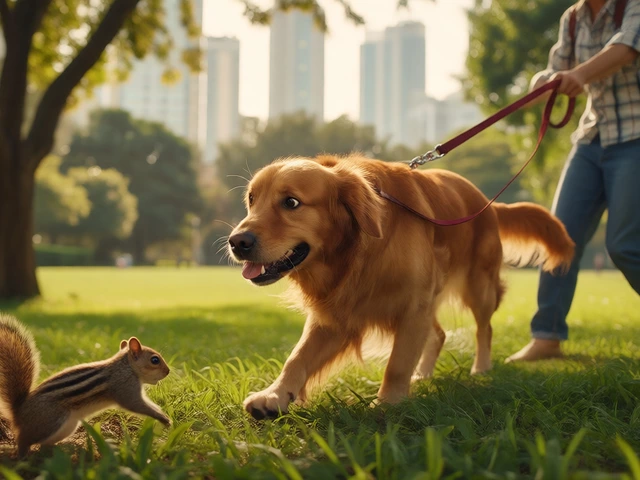
Pulling on the leash can turn a walk into a tug‑of‑war. A loose‑lead technique works best: stop walking the moment the leash tightens, wait for the dog to slacken, then resume. Over time the dog learns that loose walking keeps the adventure going.
Choosing the Right Training Method
Positive reinforcement is the go‑to for most owners. Reward a good behavior with treats, praise, or a quick play session, and the dog repeats it. This method builds trust and keeps training fun.
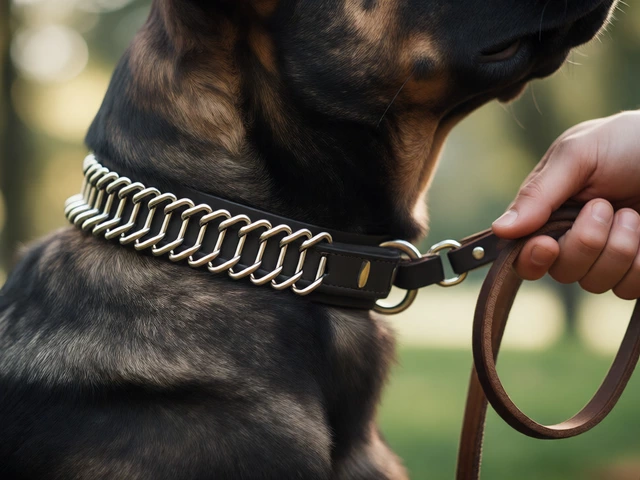
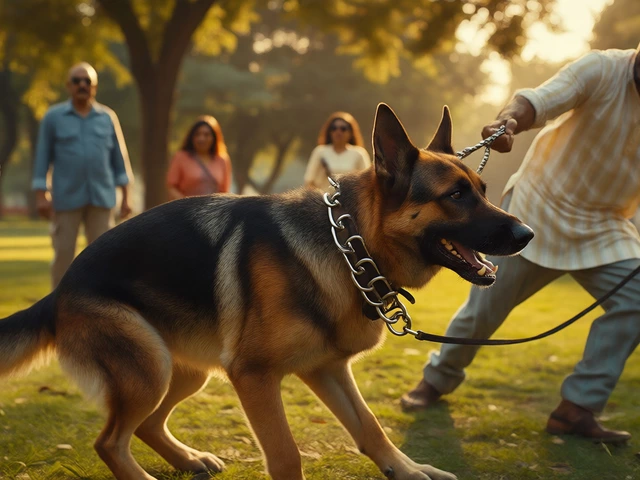
Some trainers still use tools like shock collars or prong collars. While they can stop a behavior quickly, they often create fear and damage the bond. Most experts agree that humane methods—clickers, treat‑based rewards, and timing cues—produce lasting results without the side effects.
If you’re unsure whether to hire a professional, check out reviews and ask about their training philosophy. A trainer who relies on positive reinforcement will explain each step and involve you in the process.
For DIY training, start with basic commands: sit, stay, come, and leave it. Keep sessions short (5‑10 minutes) and end on a high note. Consistency across family members is key—everyone should use the same word and hand signal for each command.
Remember, every dog is an individual. Some learn quickly, others need more repetition. If a method isn’t clicking after several tries, it’s okay to adjust. The ultimate goal is a well‑behaved, happy companion who enjoys learning as much as you do.
At Guardian of All Wagging Tails, we’ve gathered articles covering everything from housebreaking timelines to the truth about shock collars. Browse our guides, pick the tips that match your dog’s personality, and start training with confidence today.
Why Do People Hate Prong Collars? The Truth About Dog Training Tools
Discover why prong collars spark intense debate among dog owners. We explore the balance between effective training and perceived cruelty, offering insights into proper usage and alternatives.
read more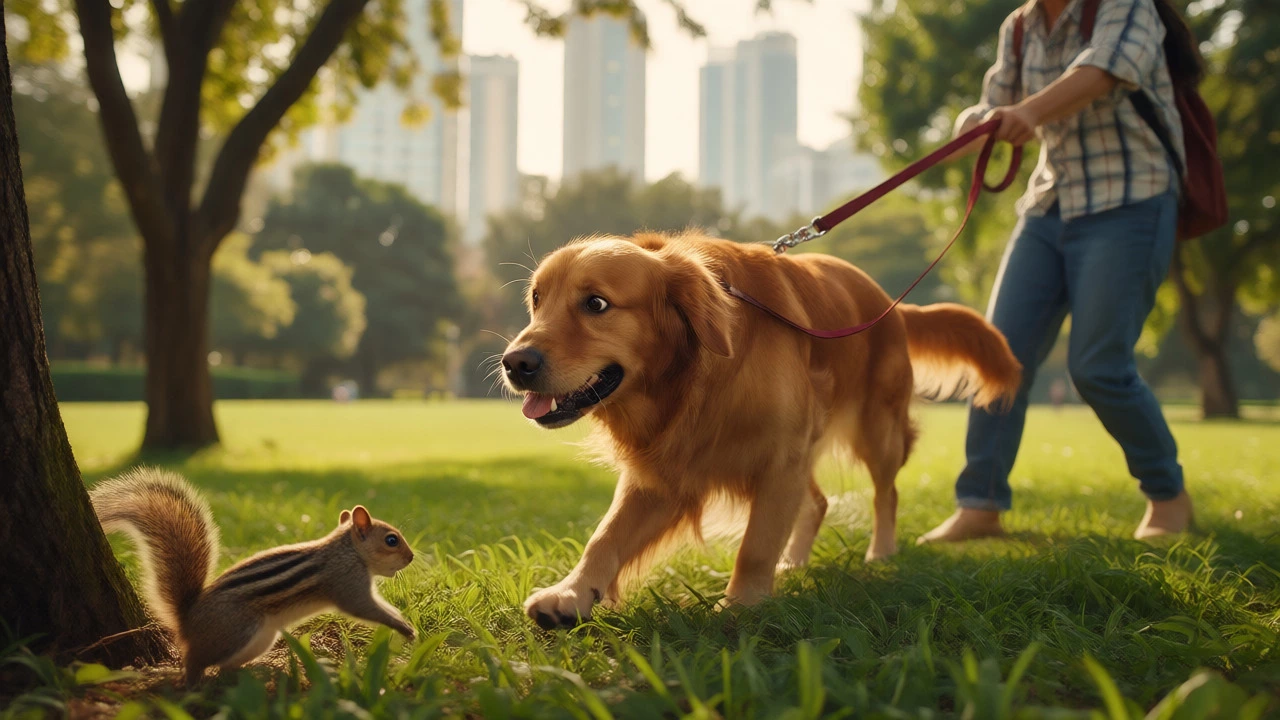
Should Dogs Wear Training Collars? Yes or No
Wondering if your dog needs a training collar? Discover when tools like e-collars and martingales help versus hinder. Learn to choose the right fit and avoid common mistakes.
read more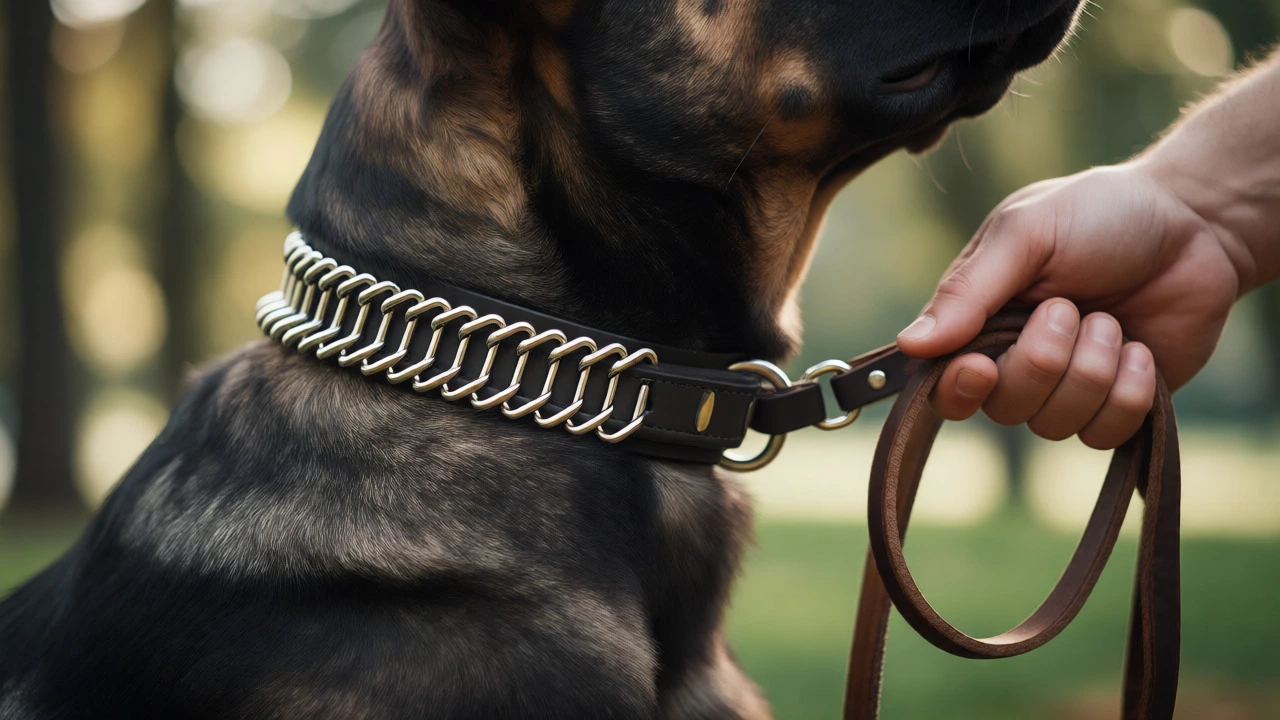
Does Cesar Millan Use Training Collars? A Deep Dive into His Tools and Techniques
Discover how Cesar Millan uses training collars, focusing on prong and electronic collars for communication rather than punishment. Learn why he avoids retractable leashes and how his balanced approach differs from positive-only methods.
read more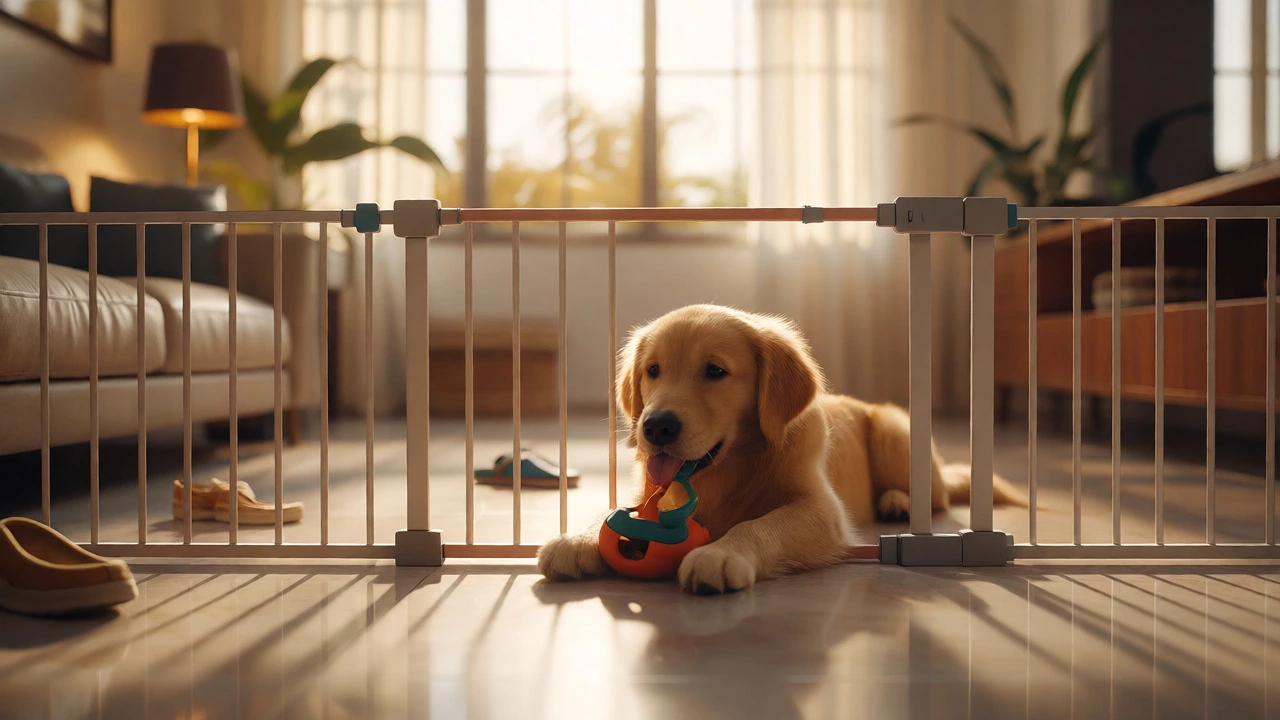
The 90/10 Rule for Dogs: A Practical Guide to Better Behavior
Discover how the 90/10 rule transforms dog training by prioritizing prevention over correction. Learn practical strategies for management, setup, and effective corrections.
read more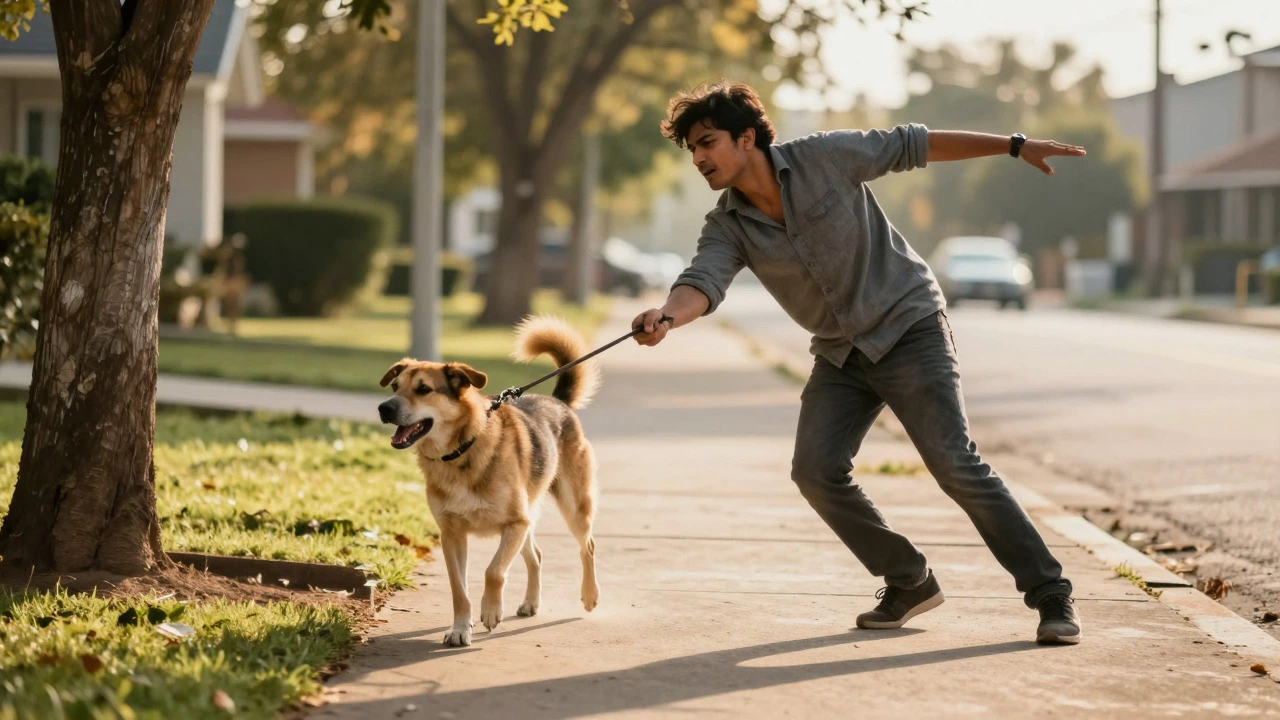
How to Stop a Dog from Pulling on the Leash: Training Tips and Gear
Struggling with a dog that pulls on the leash? Learn why dogs pull, the best gear like front-clip harnesses, and proven training techniques to achieve loose-leash walking.
read more
What Sound Stops a Dog from Barking? A Guide to Ultrasonic Collars and Training
Discover how ultrasonic sounds stop dog barking. Learn about anti-bark collars, canine hearing limits, and humane training alternatives for excessive noise.
read more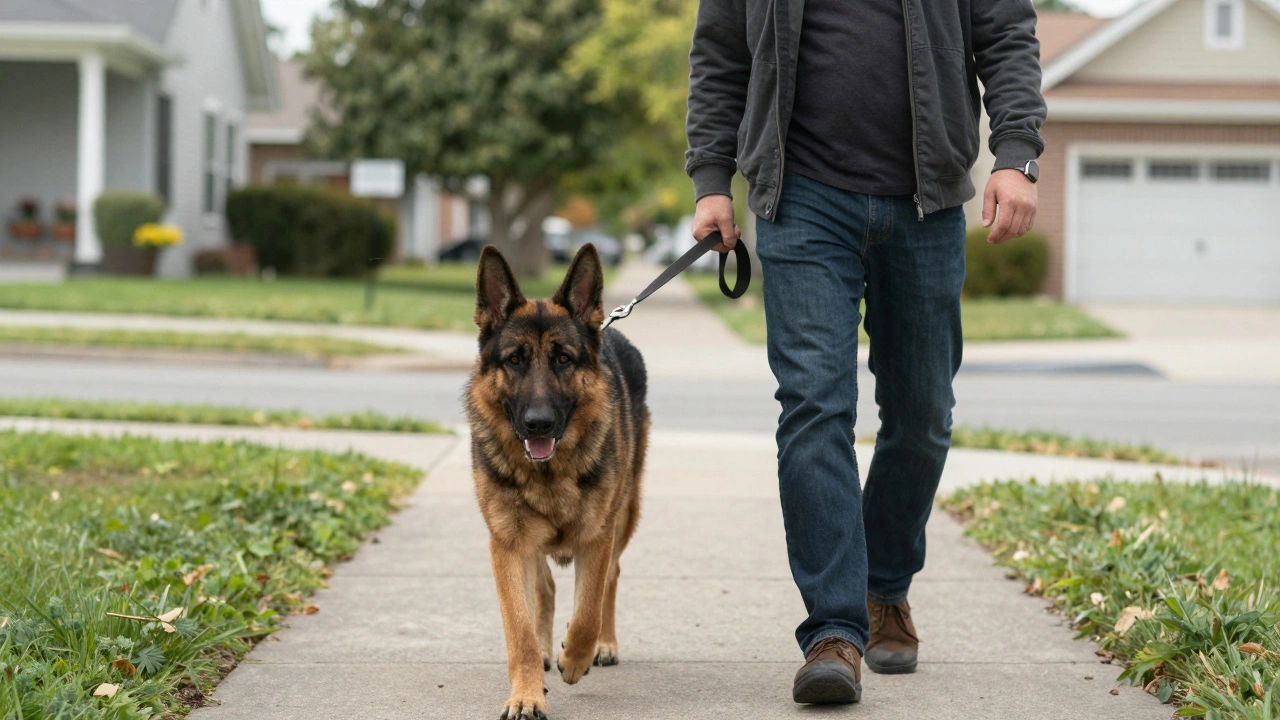
Cesar Millan on Prong Collars: The Dog Trainer’s Controversial Stance
Explore Cesar Millan's controversial stance on prong collars, his leadership philosophy, and safer alternatives for managing dog pulling.
read more
Do Vets Recommend Shock Collars? The Truth About Electronic Dog Training
Veterinarians largely advise against using shock collars due to risks of stress and aggression. Explore safer, positive reinforcement training alternatives recommended by experts.
read more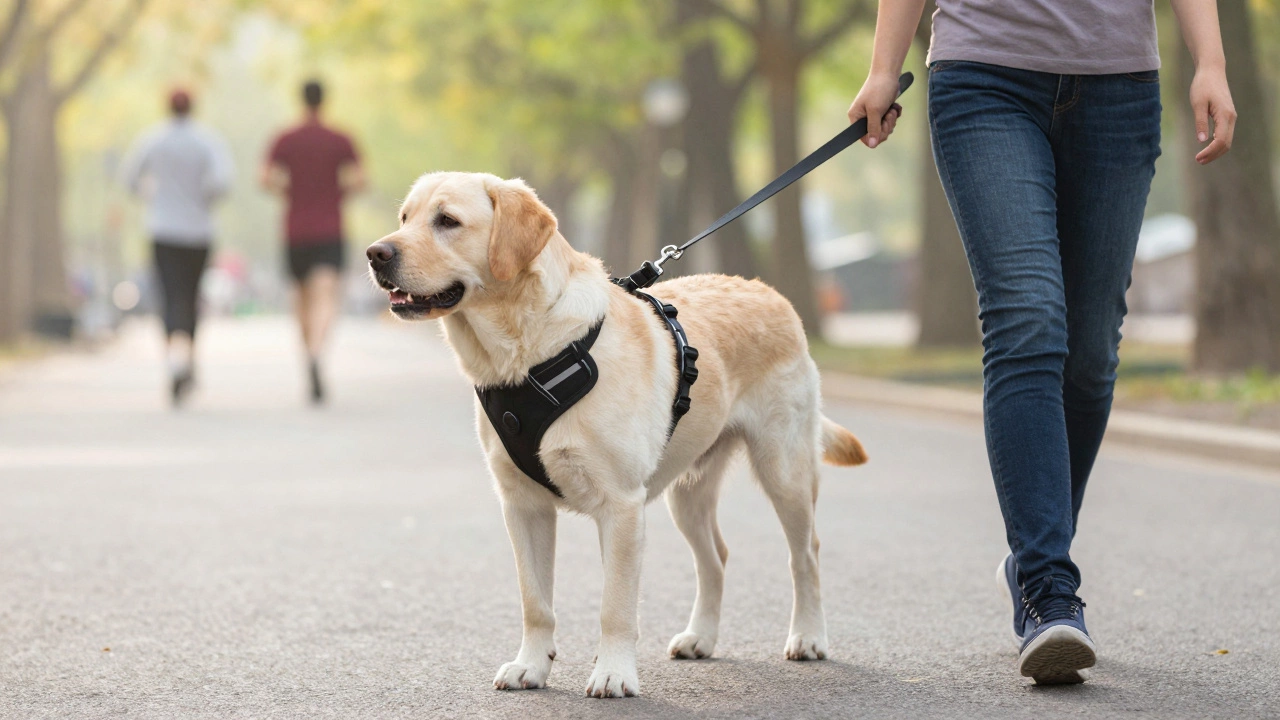
Best Tool to Stop a Dog from Pulling on the Leash
The best tool to stop a dog from pulling is a front-clip no-pull harness. Unlike collars or harsh devices, it gently redirects your dog’s movement without pain. Combined with simple training, it works fast and safely for all breeds.
read more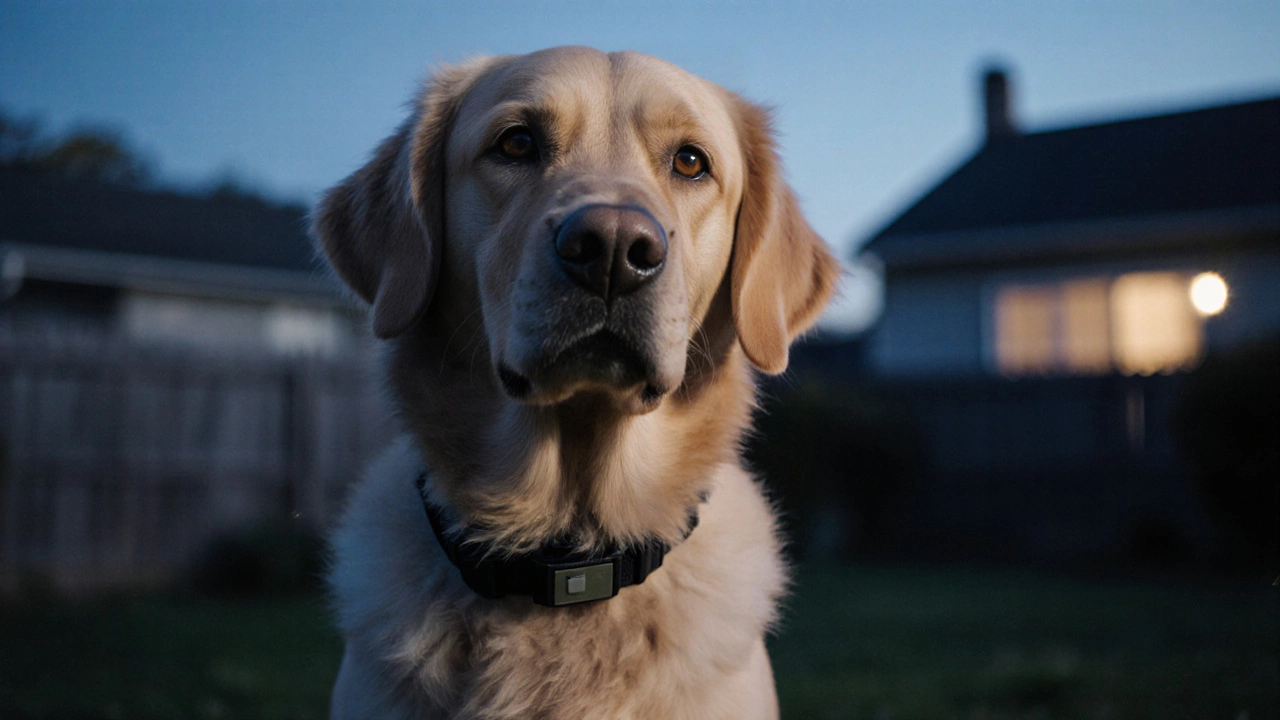
Why You Should Avoid Using Shock Collars on Dogs
Discover why shock collars harm dogs, the health risks involved, and humane training alternatives that keep pets safe and happy.
read more
Hardest Dog Breeds to Potty Train: What You Need to Know
Discover which dog breeds are toughest to potty train, why they struggle, and proven tips to make training easier. Includes a breed comparison table and FAQs.
read more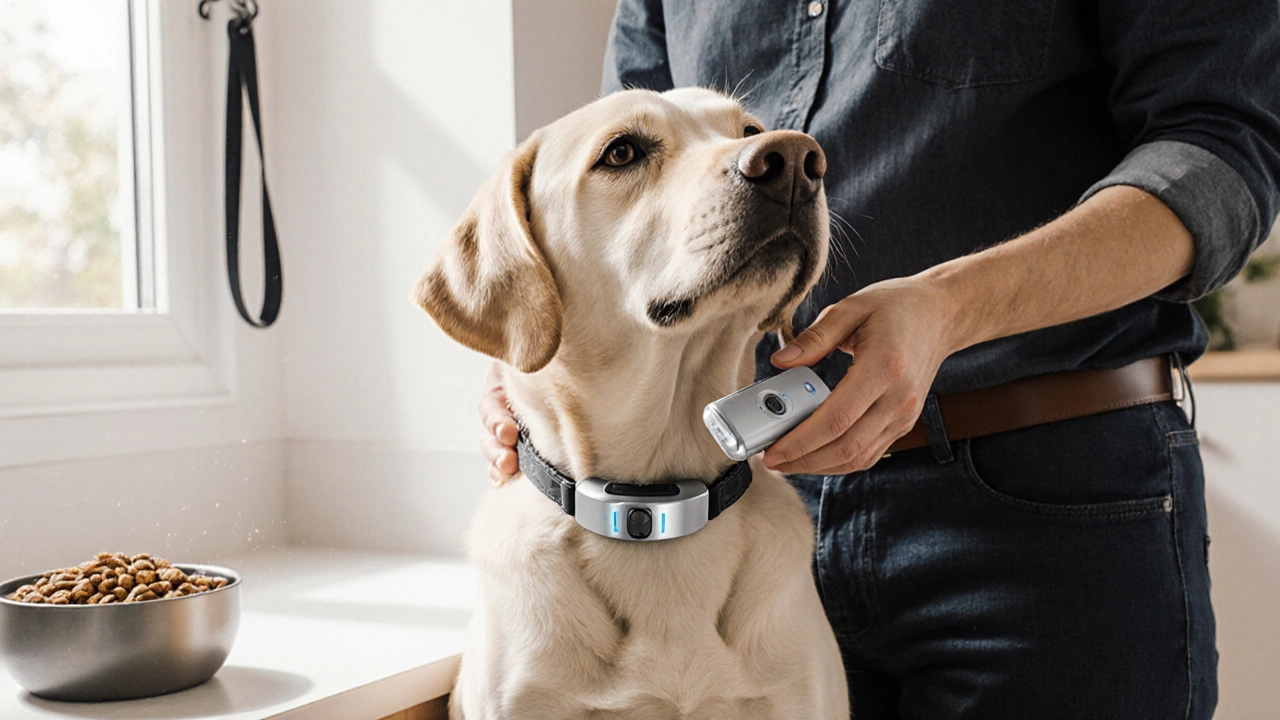
Vibration Collars: Are They Facing Bans in 2025?
Explore the current legal status of vibration collars worldwide, compare them with other training tools, and learn humane alternatives for effective dog training.
read more