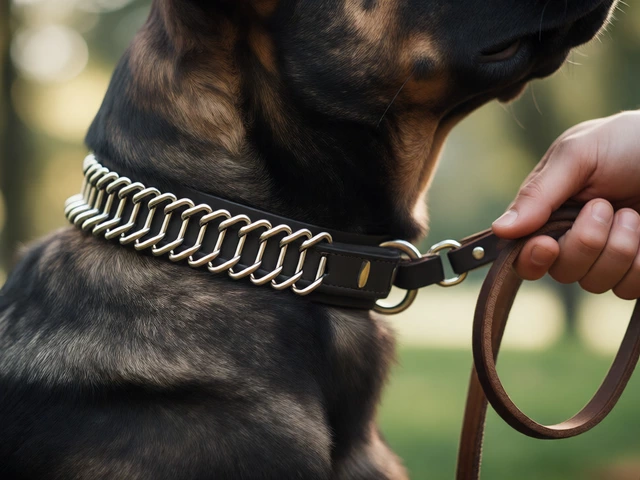
Dog Training Collar Selector
Please fill out the form and click "Find Best Collar" to see recommendations.
You’re standing in the park, leash in hand, watching your golden retriever drag you toward a squirrel like it’s a personal mission. You’ve tried treats. You’ve tried voice commands. Now, a friend suggests a training collar. But does your dog actually need one, or is this just a shortcut for lazy owners? The answer isn’t a simple yes or no. It depends entirely on what kind of collar you mean and what problem you’re trying to solve.
Most people hear "training collar" and picture those bulky devices that zap dogs with electricity. That’s one type, sure. But the term covers a wide range of tools, from gentle head halters to vibration collars and even simple flat collars used for basic obedience. Let’s break down when these tools help, when they hurt, and how to pick the right one without turning your dog into a nervous wreck.
The Real Problem With "Training Collars"
The confusion starts because the word "collar" means different things to different people. If you buy a cheap shock collar at a big-box store and crank it up to level 10, you might think you’re training your dog. In reality, you’re just suppressing behavior through pain or fear. Your dog stops jumping not because they understand what you want, but because they’re afraid of getting zapped again.
This distinction matters. A tool that suppresses behavior doesn’t teach new skills. If your dog barks at the mailman, a shock collar might stop the barking while the collar is on. Take it off, and the barking returns. Worse, some dogs associate the shock with whatever they were looking at-like the mailman or their own owner-creating negative associations that are hard to undo.
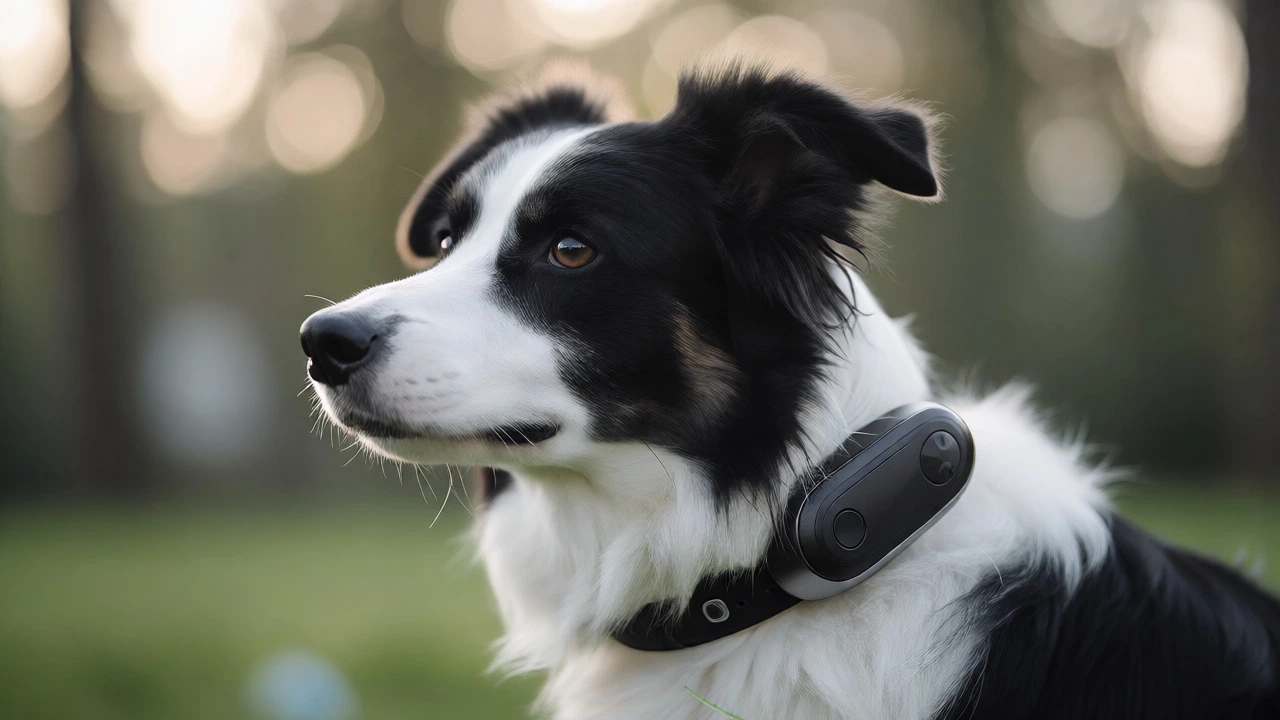
On the other hand, modern vibration collars or tone-based reminders can work as communication aids rather than punishment devices. They give a subtle cue that grabs attention without causing distress. The key is whether the collar helps your dog make better choices or just forces them to stop making bad ones.
When Training Collars Actually Help
There are specific scenarios where a training collar shines. Recall training for high-drive breeds is one. Imagine you have a Border Collie or a Husky who loves to run. When they’re off-leash in a safe area, teaching them to come back immediately is critical for safety. A remote collar (often called an e-collar) can provide a neutral stimulus-a beep or light vibration-that becomes a reliable cue for "come here." Done correctly, the dog learns to associate the signal with positive outcomes, like treats or praise.
Another common use case is managing separation anxiety or excessive barking in multi-dog households. If one dog triggers another into a frenzy, a quick interruption via a vibration collar can reset their focus. This isn’t about punishing the bark; it’s about breaking the cycle of excitement so you can redirect them to a calmer activity.
Service dog training also uses specialized collars. For example, a guide dog might wear a harness with a handle, which acts as a directional aid. While not a "shock" device, it’s still a training tool that communicates intent between handler and dog. The principle remains: clarity over force.
When You Should Skip the Collar
If your dog is fearful, anxious, or reactive, adding a shock or strong pressure can make things worse. Fearful dogs often misinterpret corrections. If a shy rescue dog gets shocked while seeing a stranger, they might blame the stranger for the pain, increasing their aggression or avoidance. In these cases, positive reinforcement-rewarding calm behavior-is far more effective and builds trust.
Puppies under six months generally don’t need any kind of corrective collar. Their brains are still developing impulse control. Expecting a four-month-old puppy to ignore every distraction because of a collar is unrealistic. Focus on engagement games, short training sessions, and management (like using a long line) instead.
Also, if you haven’t mastered basic leash manners, a training collar won’t fix loose-leash walking automatically. Many owners put on a prong or electronic collar and assume the dog will walk nicely. But without consistent reward for good positioning, the dog just learns to tolerate discomfort. You end up with a dog that walks stiffly but isn’t truly engaged with you.
Types of Training Collars Compared
Not all collars are created equal. Here’s a quick breakdown of the most common types and what they do best.
| Collar Type | How It Works | Best For | Risk Factor |
|---|---|---|---|
| Flat Buckle Collar | Basic restraint and ID tag holder | All dogs; daily wear | Low (unless too tight) |
| Martingale Collar | Tightens slightly to prevent slipping out | Sighthounds (Greyhounds, Whippets) | Low (gentle correction) |
| Head Halter | Gently guides head direction | Dogs that pull heavily | Medium (requires acclimation) |
| Prong (Pinch) Collar | Applies pressure around neck like mother dog’s bite | Strong pullers; experienced handlers | High (if used incorrectly) |
| Electronic (E-) Collar | Vibration, tone, or static stimulation | Recall, distance commands | Very High (needs professional guidance) |
The Martingale is often overlooked but excellent for dogs with narrow heads who slip out of standard collars. It’s humane and provides just enough feedback to keep the collar secure. Head halters, like the Gentle Leader, work by controlling the head, which naturally controls the body. They’re great for large, strong dogs but require patience to get the dog comfortable wearing them.
The Golden Rule: Fit and Usage Matter More Than Type
A well-fitted collar of any type beats a poorly fitted fancy gadget. If a flat collar is too tight, it can damage the trachea or thyroid gland. If a prong collar sits too low on the neck, it can cause skin irritation or nerve damage. Always check fit before assuming the tool is the problem.
For electronic collars, starting at the lowest possible setting is non-negotiable. Most dogs respond to a vibration or tone alone. Static stimulation should be a last resort, not the first option. Think of it like volume control on a speaker-you only turn it up if the lower settings aren’t heard, not because louder equals better.
Timing is everything. If you press the button three seconds after your dog starts pulling, they won’t connect the correction to the pulling. They’ll think the correction came out of nowhere. Immediate feedback is crucial. This is why many trainers recommend working with a certified professional when introducing electronic tools. It’s easy to mess up timing without realizing it.

Alternatives That Work Just As Well
If you’re hesitant about collars, there are proven alternatives. Front-clip harnesses redirect a dog’s momentum sideways when they pull, making forward progress difficult. They’re highly effective for loose-leash walking and reduce strain on the neck. For recall issues, long-line training (using a 15-30 foot leash) lets you practice coming when called in open spaces without relying on electronics.
Environmental management is another powerful tool. If your dog barks at windows, block their view with film or furniture. If they chase squirrels, install a fence or stick to leashed areas. Sometimes the best "training" is preventing the rehearsal of bad habits until your dog has the maturity and training to handle temptation.
Making the Decision: A Quick Checklist
Still unsure? Run through this checklist:
- Is my dog older than 6 months? If no, wait. Use positive reinforcement and management.
- Do I have a clear goal? "Stop pulling" is vague. "Walk loosely past distractions" is actionable.
- Am I willing to learn proper technique? Collars amplify user error. If you’re inconsistent, skip the tech.
- Does my dog have anxiety or fear issues? If yes, avoid aversive tools unless guided by a behaviorist.
- Have I tried positive methods first? Treats, toys, and play should always be your foundation.
If you checked "yes" to most of these, a training collar might be worth exploring. Start with the least intrusive option-like a Martingale or front-clip harness-before moving to electronic devices. And always monitor your dog’s body language. Ears pinned back, tail tucked, or yawning during training are signs of stress, not submission.
At the end of the day, should dogs wear training collars? Only if they serve as communication tools, not punishment devices. Used correctly, they can bridge the gap between human expectations and canine understanding. Used poorly, they create confusion and fear. Choose wisely, fit carefully, and prioritize your dog’s emotional well-being over quick fixes.
Are shock collars cruel to dogs?
Shock collars themselves aren't inherently cruel, but they become problematic when used incorrectly. Modern studies suggest that low-level static stimulation, when paired with positive reinforcement, doesn't increase cortisol levels (stress hormones) in dogs. However, high-intensity shocks or punitive use without clear cues can cause fear, anxiety, and aggression. The cruelty lies in the misuse, not necessarily the technology itself.
Can puppies wear training collars?
Puppies under six months old typically should not wear corrective training collars like prongs or e-collars. Their necks are delicate, and their cognitive ability to understand delayed consequences is limited. Instead, use a standard flat collar or a harness for identification and gentle guidance. Focus on building engagement and rewarding desired behaviors rather than correcting unwanted ones.
What is the difference between a martingale and a slip lead?
A martingale collar has two loops: one goes around the neck, and the other tightens slightly when tension is applied, preventing the dog from backing out. It limits tightening to a safe degree. A slip lead combines a leash and collar into one piece that tightens continuously with pressure. Slip leads can tighten indefinitely if not managed properly, posing a higher risk of injury if the dog pulls hard or panics.
Do head halters work like muzzles?
No, head halters (like the Gentle Leader) do not restrict jaw movement like muzzles. They wrap around the muzzle and behind the ears, allowing the dog to pant, drink, and take treats freely. The halter gently turns the dog's head toward the handler when they pull, encouraging them to look at you instead of lunging forward. It's a steering mechanism, not a restriction.
How long should a dog wear a training collar?
Training collars should only be worn during active training sessions or walks where correction might be needed. Remove them when the dog is resting, sleeping, or in a crate to prevent skin irritation and matting. Electronic collars, in particular, should not be left on for more than 8-12 hours a day, and the contact points should be cleaned regularly to prevent pressure sores.