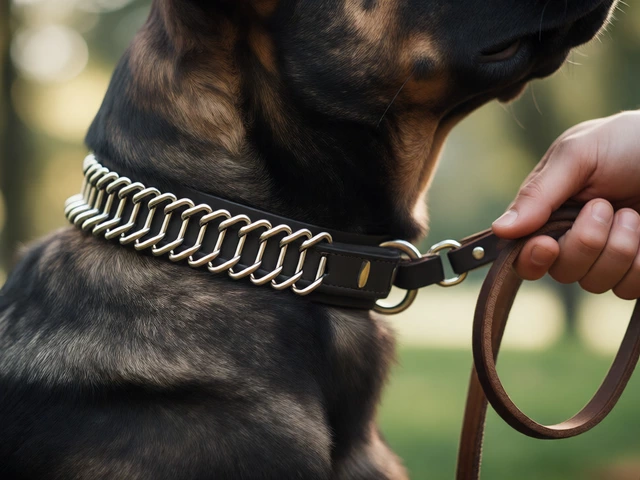
Safe Dog Interaction Zone Map
Click on the Dog
Select a body part to see its risk level and why you should (or shouldn't) touch it.
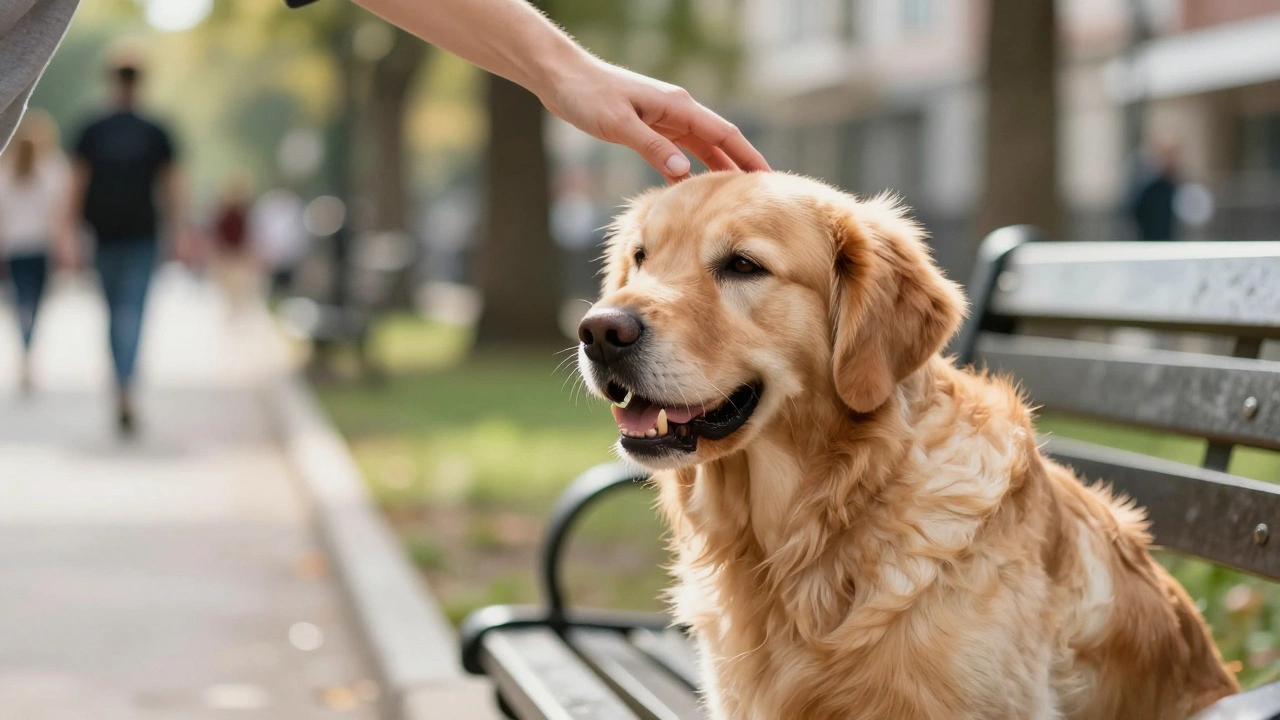
You see a friendly-looking Golden Retriever a popular family dog breed known for its gentle temperament sitting calmly on a park bench. It looks like the perfect photo op. You reach out your hand, palm open, expecting a wagging tail and a wet nose. Instead, you get a stiff stare, a low growl, or worse-a snap. This isn't just an awkward moment; it’s a preventable injury.
We’ve all been told that dogs are man’s best friend, but we rarely learn the manual on how to interact with them safely. Most people assume that if a dog is leashed, it wants to be petted. If a dog is in a public space, it’s inviting contact. These assumptions are dangerous. Understanding where *not* to touch a dog is just as important as knowing how to say hello. Whether you are traveling to a new city or just walking through your neighborhood, respecting a dog's boundaries keeps everyone safe.
The Danger Zones: Body Parts to Avoid
Not all parts of a dog are created equal when it comes to human interaction. Some areas are sensitive, others are triggering, and some are simply off-limits unless you have earned that specific trust. Reaching for these zones without an invitation is the fastest way to trigger a defensive reaction.
| Body Part | Risk Level | Why It’s Risky |
|---|---|---|
| The Head & Top of Skull | High | Reaching over a dog’s head can feel threatening or dominant. Many dogs prefer approaching from the side. |
| Paws & Legs | High | Paws are highly sensitive. Touching them can cause a reflexive bite or kick, especially in anxious dogs. |
| Tail | Medium-High | Tails are extensions of the spine. Pulling or even stroking can cause pain or irritation, leading to a quick snap. |
| Face & Snout | Medium | Direct eye contact and touching the face can be seen as aggressive. Dogs communicate with their mouths; invading this space triggers defense. |
| Side & Chest | Low (With Permission) | This is generally the safest zone for initial contact, provided the dog initiates or signals comfort. |
The biggest mistake people make is reaching straight down over a dog’s head. To a dog, a looming hand can look like a predator closing in. Even if your intentions are pure, the mechanics of the movement signal dominance. Instead, let the dog come to you. Offer a closed fist or the back of your hand at their nose level. Let them sniff. If they lean in, great. If they pull back, respect that boundary immediately.
Paws are another major no-go zone for strangers. We love to shake hands with our own pets because we’ve trained them to do it. But for a random dog on the street, grabbing a paw is invasive. Their paws contain thousands of nerve endings. For many dogs, having their feet touched by someone they don’t know is akin to someone grabbing your wrist unexpectedly. It triggers a fight-or-flight response.
Context Matters: When Location Dictates Etiquette
Knowing *where* not to pet a dog isn't just about anatomy; it's about environment. The context changes everything. A dog might tolerate a pat at home but become volatile in a busy urban setting. As travelers, we often encounter dogs in situations where their owners are stressed, distracted, or trying to manage difficult behaviors.
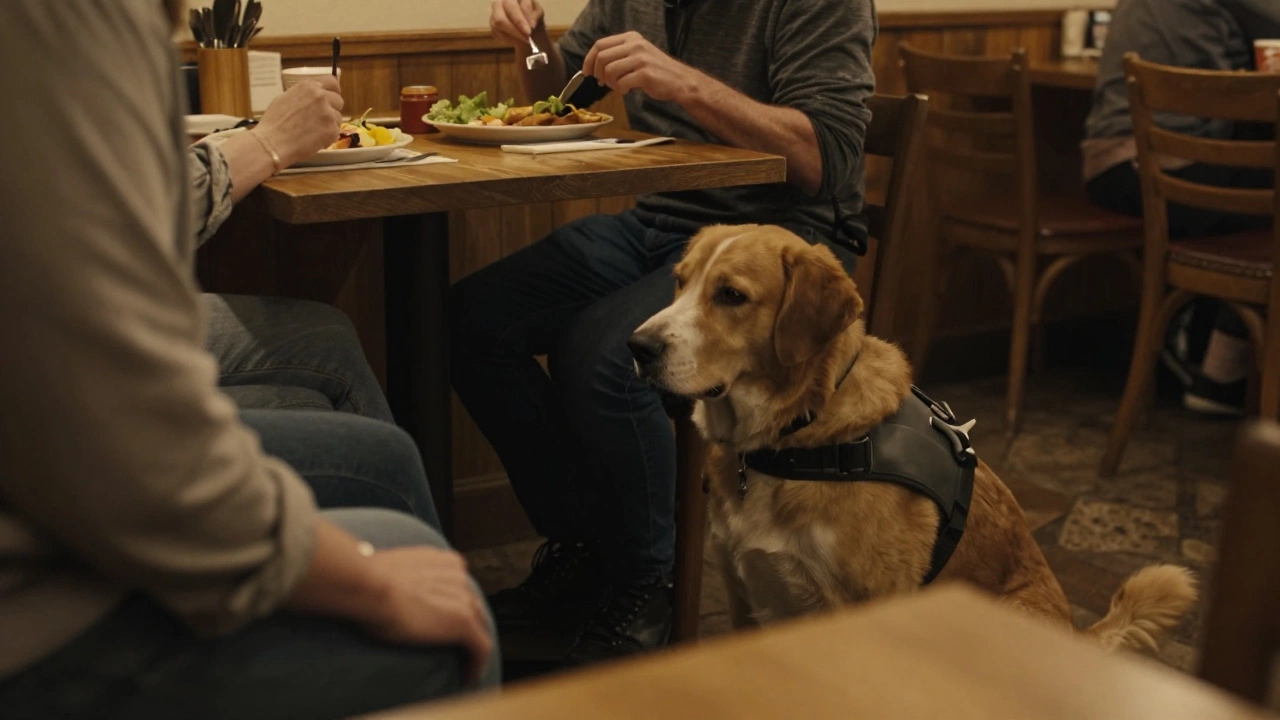
If you are visiting a dog-friendly cafe establishments that allow pets indoors or on patios, assume the dog is working. Service animals and therapy dogs are on duty. Even if they aren't wearing a vest, if they are sitting quietly under a table while their owner eats, they are likely there to provide emotional support or assistance. Disturbing them breaks their focus and can endanger their owner. Always ask the human first. Never assume a relaxed posture means an open invitation.
Consider the scenario of a dog tied up outside a shop. This is one of the highest-risk environments for unwanted interactions. A leashed dog cannot escape. If you approach, you are trapping them. They may feel cornered. In New Zealand, where I live, leash laws vary by region, but the principle remains universal globally: a restrained dog has fewer options than a free-roaming one. If a dog is tethered, keep your distance. Do not try to pet them to "comfort" them. Your presence adds to their stress.
Reading the Signals: What Dogs Actually Want
Dogs speak a language of body tension and subtle cues. Most humans miss these signs until it’s too late. We look for the wagging tail, but a wagging tail doesn't always mean happiness. It often means arousal-which can be fear, anger, or excitement. A stiff, high wag is a warning. A loose, wide wag is usually friendly.
Look for the "calming signals." These are behaviors dogs use to de-escalate tension. If a dog turns its head away from you, licks its lips rapidly, or yawns when it hasn't been sleeping, it is telling you to back off. Ignoring these signals is rude and dangerous. It’s like someone telling you to give them space during an argument and then stepping closer.
- The Whale Eye: If you see the whites of the dog’s eyes, they are stressed. They are watching you while trying to look away. Stop moving.
- Stiffening: A frozen body is a loaded gun. If a dog goes rigid, do not touch them. Give them room to move.
- Growling: A growl is communication, not aggression. It’s the dog saying, "I am uncomfortable." If you punish a growl, you remove the warning before the bite.
If you are traveling abroad, cultural norms around dogs vary wildly. In some European countries, dogs are treated like children and invited into restaurants freely. In other parts of Asia or the Middle East, dogs may be viewed differently, and stray populations are higher. In those contexts, never approach a dog without explicit permission from a local or owner. Stray dogs may be hungry, sick, or protective of territory. Assuming familiarity can lead to rabies exposure or severe bites.
The Traveler’s Dilemma: Hotels and Airports
Travel introduces unique challenges. You’re tired, jet-lagged, and maybe staying in a shared accommodation. Hotel staff often walk dogs between rooms or take them for morning walks. It is tempting to stop and pet them. However, hotel dogs are often stressed by the change in environment. They don’t know the layout, the smells, or the people. A dog that is calm at home may be reactive in a hallway.
Airports are particularly high-stress zones. Security K9 units are working dogs. They are not there for cuddles. Approaching a detection dog can compromise security protocols and put both you and the handler at risk. Always stay behind the yellow lines and wait for instructions. Even service dogs accompanying passengers through security are focused on their tasks. Do not distract them.
When booking pet-friendly accommodations hotels or rentals that welcome dogs, check the policy on socialization. Some places require dogs to be crated in rooms to prevent disturbances. Respecting these rules helps maintain a good reputation for all dog owners. If you see another guest’s dog, ask before interacting. The owner knows their dog’s triggers better than anyone else.

How to Ask: The Protocol for Safe Interaction
So, how do you actually pet a dog safely? It starts with the human. Never bypass the owner. Walk up to the person, smile, and ask, "Is your dog okay with meeting me?" Watch the owner’s reaction. If they hesitate, say no. If they say yes, still watch the dog.
Once you have permission, follow these steps:
- Stand sideways: Don’t face the dog directly. Turn your body slightly to appear less confrontational.
- Offer a hand: Present a closed fist or the back of your hand below the dog’s nose level. Let them sniff.
- Wait for invitation: If the dog sniffs and wags loosely, you may proceed. If they ignore you or move away, thank the owner and leave it at that.
- Pet the side: Gently stroke the chest or shoulder. Avoid the top of the head initially.
- Keep it brief: A few seconds is enough. Don’t linger. Let the dog disengage.
This protocol works everywhere, from Auckland parks to Parisian cafes. It shows respect for the animal’s autonomy and builds trust with the owner. Over time, you’ll notice dogs becoming more comfortable around you because you’ve proven you listen to their signals.
Teaching Kids: The Next Generation of Dog Owners
If you are traveling with children, this lesson is critical. Kids are small, fast, and loud-traits that many dogs find overwhelming. Teach your kids the "Stop, Look, Listen" rule. Stop moving. Look at the dog’s body. Listen to the owner.
Show them how to stand like a tree. If a strange dog approaches, freeze. Don’t run. Running triggers the chase instinct. Don’t scream. Screaming escalates fear. Just stand still and look at an adult. Practice this at home. Make it a game. When you’re on holiday, remind them before entering any public space. Empowering kids with knowledge reduces anxiety for both them and the dogs they encounter.
Understanding where *not* to pet a dog is about empathy. It’s recognizing that dogs are individuals with boundaries, fears, and preferences. By respecting these limits, we create a safer world for ourselves and the animals we share it with. The next time you see a dog, pause. Read the room. Ask permission. You might miss a photo op, but you’ll gain a deeper connection with the canine world-and avoid a trip to the ER.
Can I pet a dog if it is wearing a red bandana?
No. A red bandana is part of the "Flea Fund" or similar safety campaigns indicating the dog is not friendly or needs space. Always respect visual warnings like red bandanas, vests, or tags that say "Do Not Pet."
What should I do if a dog growls at me?
Stop moving immediately. Do not make direct eye contact. Slowly back away without turning your back completely. Growling is a warning sign that the dog feels threatened. Respect the boundary and give the dog plenty of space.
Is it safe to pet dogs in foreign countries?
It depends on the location and the dog. In many countries, stray dogs are common and may carry diseases like rabies. Always ask a local or the owner before approaching. Avoid feeding or touching unfamiliar dogs in regions with high stray populations.
Why shouldn't I reach over a dog's head?
Reaching over a dog’s head can be perceived as a threat or dominant gesture. Dogs feel vulnerable when something looms over their vision. Approaching from the side or letting the dog come to you is much safer and less intimidating.
How do I teach my child to interact with dogs safely?
Teach your child to always ask the owner first. Show them how to stand still like a tree if a dog approaches. Explain that running or screaming can scare dogs. Practice reading body language, such as looking for a relaxed tail versus a stiff one.