Pet Travel Anxiety & Safety Calculator
Enter Dog Details
Assessment Results
Please enter details to see results.
Estimated Benadryl Dosage
Standard Guideline: 1 mg per pound of body weight.
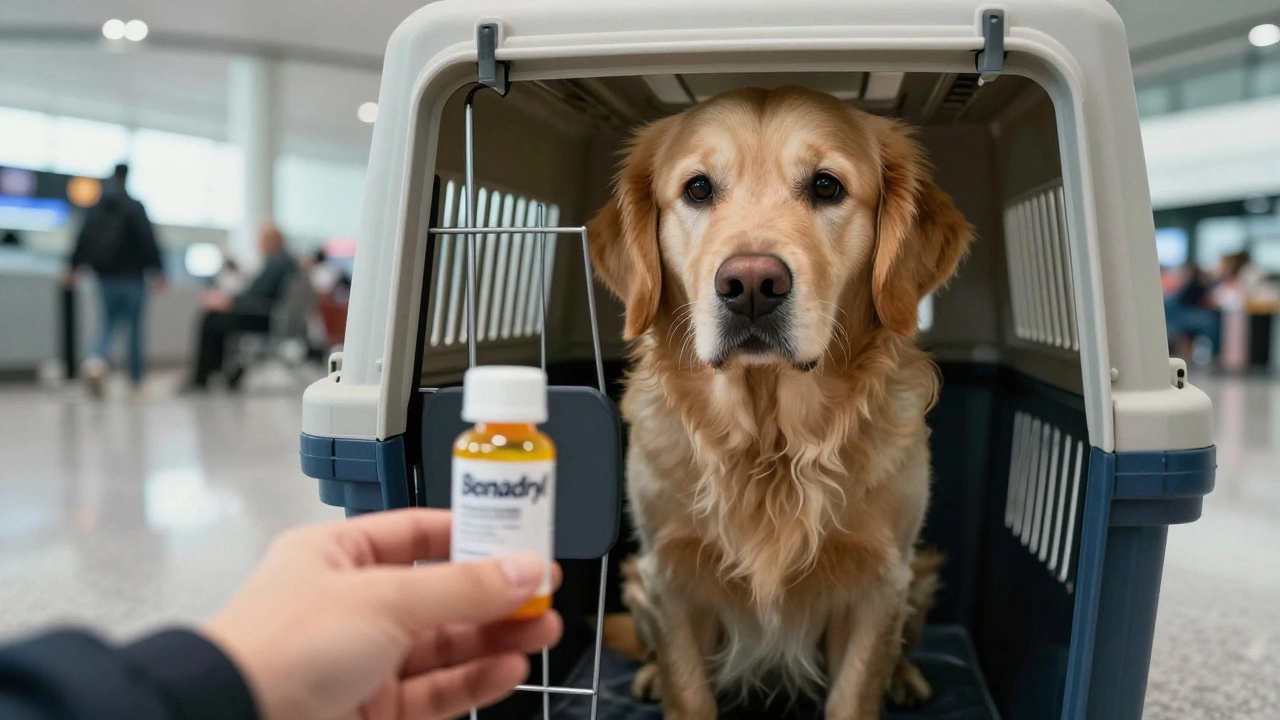
* Administer 30-60 mins before travel ONLY if approved by a vet.Picture this: you’re at the airport, your dog is pacing nervously in their crate, and you’re wondering if that bottle of Benadryl (diphenhydramine) sitting in your bag will calm them down. It’s a tempting shortcut. After all, it works for your allergies, right? But giving medication to your dog before a flight isn’t just about comfort-it’s about safety, legality, and biology. The short answer is: maybe, but only if your veterinarian says yes.
Flying with pets has changed significantly over the last few years. Airlines are stricter, weather patterns are more unpredictable, and veterinary guidelines have evolved. In 2026, the consensus among veterinarians and aviation experts is clear: never self-medicate your dog for air travel without professional guidance. This guide breaks down exactly why, when it might be appropriate, and what safer alternatives exist for keeping your pup calm during a journey.
The Core Question: Is Benadryl Safe for Air Travel?
Diphenhydramine is an antihistamine commonly used to treat allergic reactions in humans. For dogs, it can help with mild anxiety or motion sickness. However, its effectiveness as a sedative is often overstated. Many owners expect their dog to fall asleep peacefully, but Benadryl doesn’t guarantee sedation. In some cases, it causes paradoxical excitation-making the dog more hyperactive rather than calmer.
More importantly, air travel introduces physical stressors that interact poorly with certain medications. Cabin pressure changes affect fluid distribution in the body. If your dog is dehydrated or has underlying heart conditions, Benadryl can complicate their ability to regulate blood pressure. Additionally, if an emergency occurs mid-flight, crew members need to know what medications your dog has taken. Unreported drugs can delay critical care.
| Factor | Potential Benefit | Potential Risk |
|---|---|---|
| Anxiety Reduction | Mild calming effect in sensitive dogs | Paradoxical excitement; no guarantee of sleep |
| Motion Sickness | May reduce nausea if given correctly | Drowsiness can mask signs of distress |
| Airline Compliance | No specific ban on OTC meds | Crew unaware of drug interactions |
| Health Complications | None directly | Worsens dehydration, heart issues, glaucoma |
Why Veterinarians Advise Caution
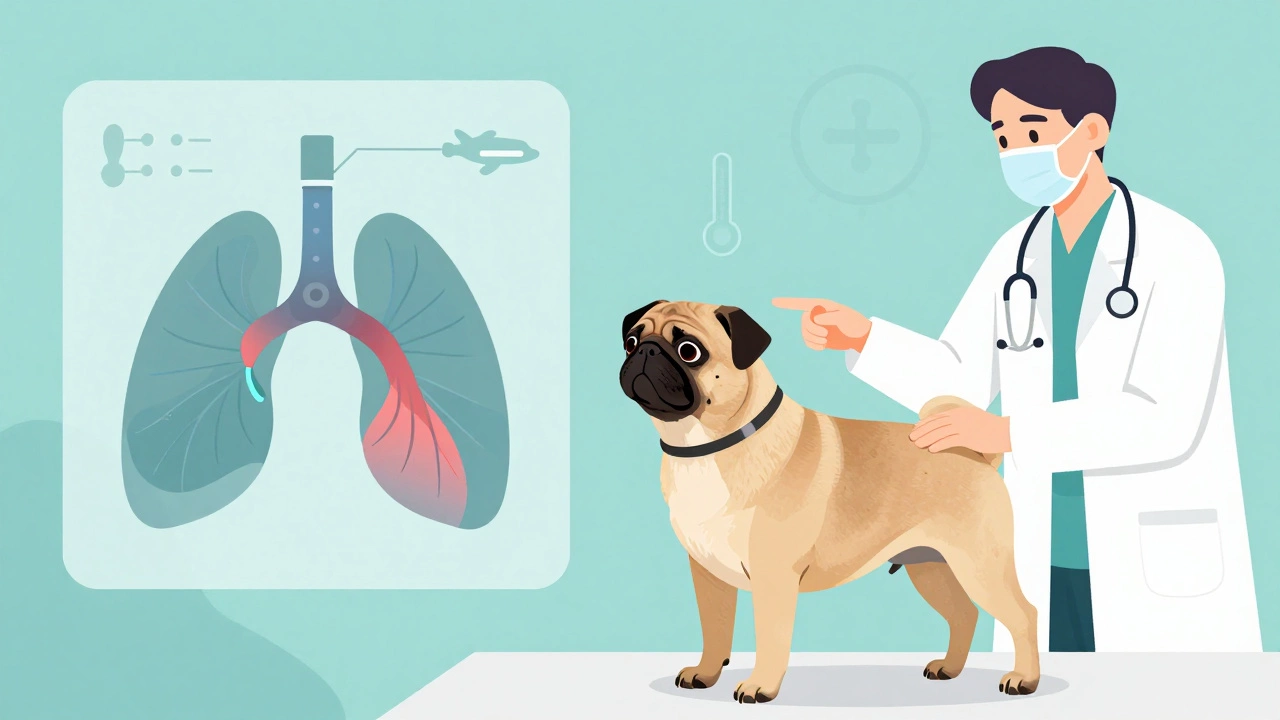
Your vet knows your dog’s medical history better than any online forum. They consider factors like age, weight, breed-specific risks, and existing health conditions. For example, brachycephalic breeds like Bulldogs and Pugs have compromised airways. Sedating them-even mildly-can restrict breathing further, especially in the confined space of a cargo hold or under-seat carrier.
In New Zealand, where I live, the Royal New Zealand Society for the Prevention of Cruelty to Animals (RNZSPCA) emphasizes that sedation should never be used routinely for travel. Their stance aligns with international bodies like the American Veterinary Medical Association (AVMA). These organizations warn that sedatives can interfere with thermoregulation. Dogs cool themselves by panting. If a drug slows their respiratory rate, they risk overheating, even in climate-controlled cabins.
Also, consider the legal angle. Some countries restrict bringing certain medications across borders. While Benadryl is generally available worldwide, carrying large quantities or unverified dosages can raise questions at customs. Always declare any medication you bring for your pet.
When Might Benadryl Be Appropriate?
There are scenarios where a vet might approve Benadryl. Typically, these involve dogs with diagnosed mild anxiety that hasn’t responded to behavioral training alone. Even then, it’s usually part of a broader plan, not a standalone solution.
- Short flights: Under two hours, where cabin pressure changes are less extreme.
- Known tolerance: Your dog has taken Benadryl previously without adverse effects.
- Vet-prescribed dosage: Calculated based on current weight and health status.
- Non-sedative intent: Used primarily for allergy relief, not anxiety.
If your vet approves it, they’ll likely recommend a dose of 1 mg per pound of body weight, given 30-60 minutes before travel. But remember: this is a general guideline. Individual needs vary. Never guess the dose.
Safer Alternatives to Consider
Before reaching for medication, explore non-pharmacological options. Many dogs thrive with proper preparation and environmental adjustments.
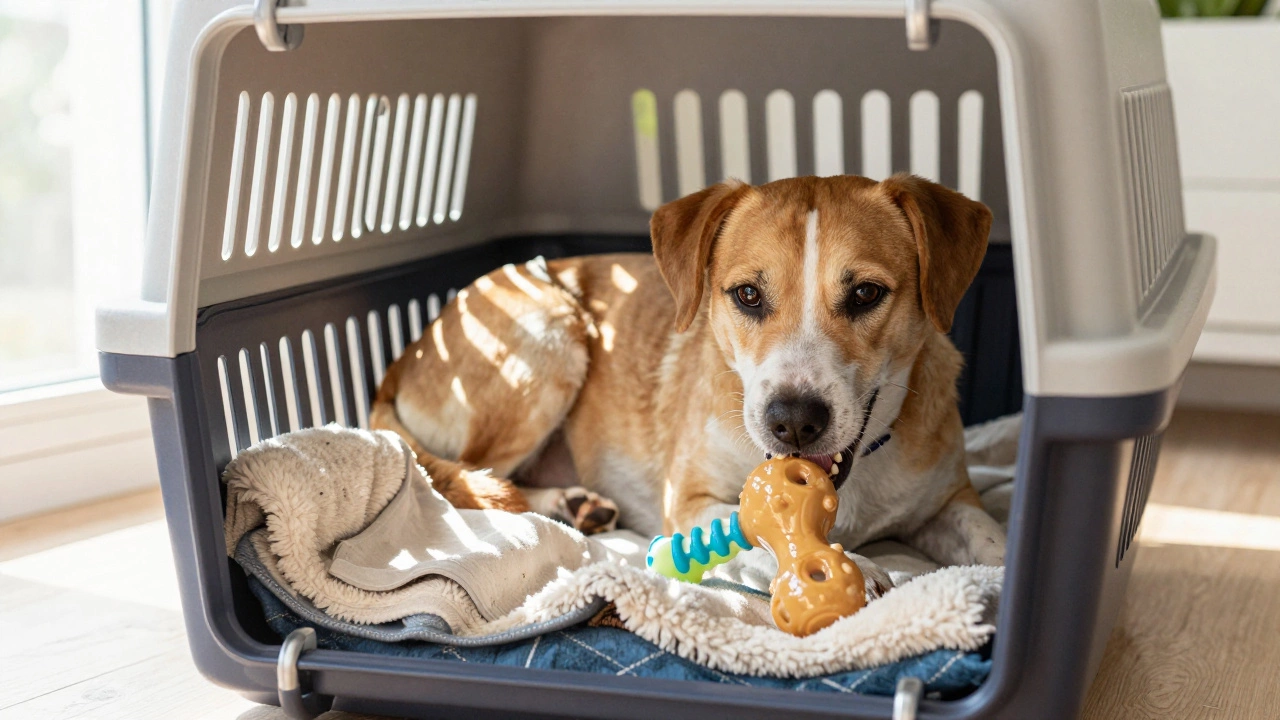
Behavioral conditioning starts weeks before the trip. Gradually acclimate your dog to their travel crate. Feed meals inside it, add familiar blankets, and take short car rides to build positive associations. Apps like Calm Pet offer guided desensitization programs tailored to air travel.
Natural supplements such as L-theanine or chamomile extracts may provide gentle relaxation without heavy sedation. Products like Zylkene contain casein hydrolysate, which supports natural calming pathways. Always introduce new supplements at home first to monitor for reactions.
Pheromone therapy using Adaptil collars or sprays mimics maternal comforting scents. Studies show reduced stress markers in dogs exposed to synthetic pheromones during transport. Apply the spray to the crate lining 15 minutes before departure.
Timing matters too. Book early morning or late evening flights when airports are quieter and temperatures are cooler. Avoid peak holiday seasons if possible. Less chaos means less stimulation for your dog.
Airline Policies and What You Need to Know
Airlines differ widely in their pet policies. In 2026, most major carriers require a health certificate issued within 10 days of travel. Some, like Air New Zealand, prohibit sedation entirely due to safety concerns. Others allow it only with a vet letter specifying the drug, dose, and purpose.
Always check three things:
- Does the airline permit your dog in-cabin or checked baggage?
- Is there a weight or size limit for carriers?
- Do they require documentation for medications?
For instance, Qantas allows in-cabin pets up to 8 kg including carrier. They accept Benadryl if prescribed by a vet, but refuse stronger sedatives like trazodone unless explicitly approved. Jetstar has stricter rules-they don’t allow any pre-travel medication without prior written consent.
Keep copies of all documents digital and physical. Store them in your carry-on, not checked luggage. Include your vet’s contact info in case ground staff need clarification.
Preparing Your Dog for the Flight
Medication is just one piece of the puzzle. Proper preparation reduces anxiety far more effectively than pills alone.
Start with exercise. A long walk or play session 2-3 hours before departure helps burn off nervous energy. Avoid feeding a full meal right before boarding-opt for a light snack instead to prevent nausea.
Use familiar items. Place a worn t-shirt or towel from home in the crate. The scent provides comfort. Add a frozen Kong toy filled with peanut butter to keep them occupied during takeoff and landing.
Practice crate confinement. Leave the door open initially, then gradually close it for longer periods. Reward calm behavior with treats. Aim for your dog to relax comfortably inside for at least four hours before the actual flight.
On travel day, arrive early. Rushing increases stress for both you and your dog. Check in calmly, speak softly, and avoid separating from your dog until necessary. Stay near the gate if allowed, so they sense your presence.
What to Do If Something Goes Wrong
Despite best efforts, emergencies happen. Knowing how to respond keeps your dog safe.
If your dog shows signs of severe distress-panting excessively, trembling, vomiting-notify flight attendants immediately. They can alert ground personnel upon arrival. Keep a copy of your vet’s emergency contact handy.
After landing, assess your dog thoroughly. Check gums for color (pink is good, pale or blue indicates trouble), feel ears for warmth, and observe movement. Offer small amounts of water frequently. Don’t force food until they seem settled.
If symptoms persist beyond two hours post-flight, contact your vet. Describe everything: medication given, duration of flight, observed behaviors. They may advise monitoring or immediate examination.
Can I give my dog Benadryl without talking to a vet first?
No. Self-medicating your dog for air travel carries significant risks. Dosage errors, hidden health conditions, and unexpected side effects can endanger your pet. Always consult your veterinarian before administering any medication, including over-the-counter options like Benadryl.
How much Benadryl should I give my dog before flying?
The typical veterinary-recommended dose is 1 mg per pound of body weight, given 30-60 minutes before travel. However, this varies based on your dog’s age, health, and reaction history. Never calculate the dose yourself-let your vet determine the correct amount.
Will Benadryl make my dog sleep during the flight?
Not necessarily. Benadryl is an antihistamine, not a strong sedative. While some dogs become drowsy, others experience increased energy or restlessness. Relying on it for guaranteed sleep is risky and often ineffective.
Are there airlines that ban Benadryl for pets?
Some airlines, particularly those operating long-haul international routes, discourage or prohibit sedation due to safety regulations. Always check your airline’s specific policy and provide required documentation if permitted.
What are the safest alternatives to Benadryl for dog travel anxiety?
Natural supplements like L-theanine, pheromone products such as Adaptil, and behavioral conditioning through crate training are safer and often more effective. Consult your vet to choose the best approach for your dog’s temperament.