
Is It Safe? Dog Fruit Checker
Select a fruit below to see if it's safe for your dog, how to prepare it, and potential risks.
Blueberries
Apples
Watermelon
Bananas
Grapes/Raisins
Cherries
Avocado
Citrus Fruits
Key Nutrients:
Benefits:
Preparation & Safety Tips:
It starts with a guilty look. You’re eating an apple, your dog nudges your hand, and you toss them a chunk. It’s harmless enough-until the next time you try a grape, or worse, a cherry pit. Fruit can be a refreshing, nutrient-dense treat for dogs, but not all produce is safe. Some items are mildly irritating; others are deadly in small amounts. Knowing which fruits belong on your dog’s menu-and how much is too much-is essential for keeping them happy and healthy.
Dogs are omnivores with flexible digestive systems, unlike strict carnivores like cats. This means they can digest plant matter, including fruits, when introduced properly. However, their metabolism handles sugar and fiber differently than ours. Too much fruit can cause stomach upset, weight gain, or blood sugar spikes, especially in diabetic or overweight dogs. The goal isn’t to replace their balanced diet but to use fruit as an occasional supplement that adds vitamins, antioxidants, and hydration without risking toxicity.
The Safest Fruits for Dogs: A Nutrient-Rich List
When choosing fruit for your dog, prioritize low-sugar options that offer high nutritional value. These fruits are generally well-tolerated and provide specific health benefits when served in moderation.
| Fruit | Key Nutrients | Benefits for Dogs | Preparation Tips |
|---|---|---|---|
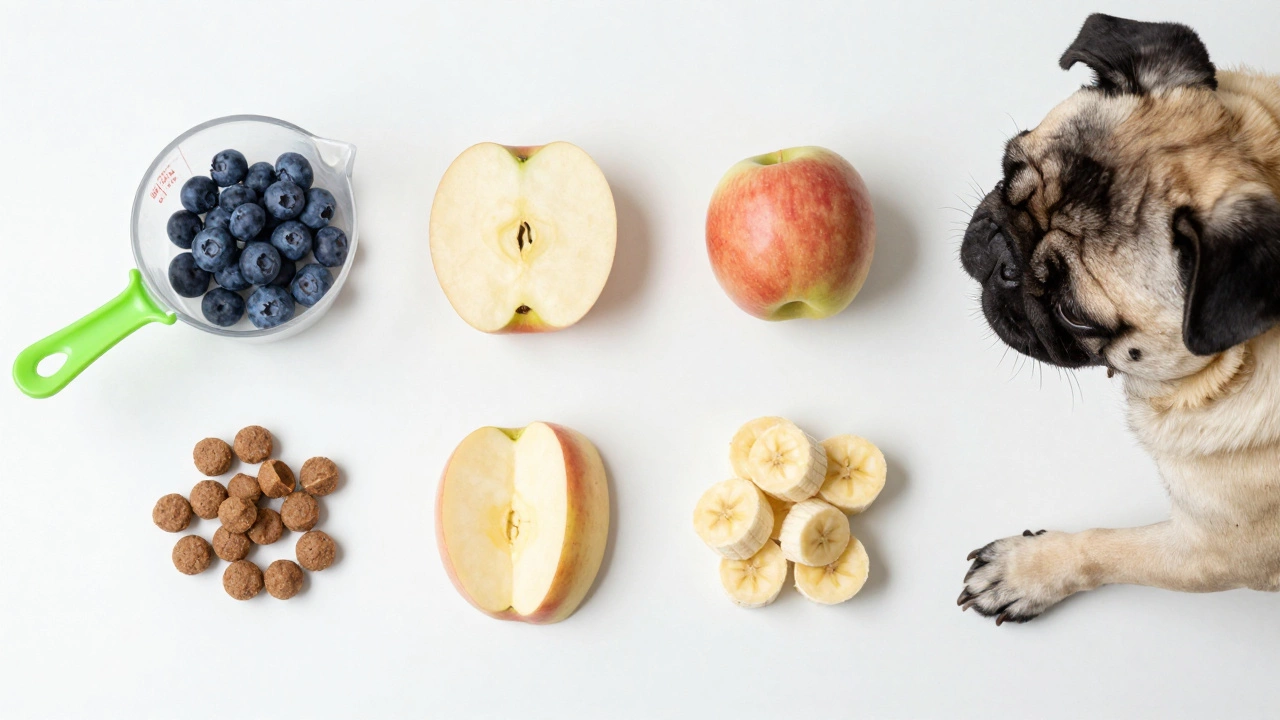
| Blueberries | Vitamin C, Fiber, Antioxidants | Supports immune function, brain health, and reduces inflammation | Serve fresh or frozen; no prep needed |
| Apples | Vitamin A, Vitamin C, Fiber | Promotes dental health by reducing plaque; aids digestion | Remove seeds and core; slice thinly |
| Watermelon | Vitamin A, Vitamin B6, Hydration | Ideal for cooling down in summer; supports kidney health | Remove rind and seeds; serve in small cubes |
| Bananas | Potassium, Vitamin B6, Magnesium | Provides quick energy and supports heart health | Peel completely; limit due to high sugar content |
| Pumpkin | Beta-carotene, Fiber, Vitamin A | Regulates bowel movements; soothes sensitive stomachs | Use plain canned pumpkin (not pie filling); mash lightly |
Blueberries stand out as one of the best superfoods for dogs. They are low in calories and packed with anthocyanins, antioxidants that combat cellular damage. Apples are another excellent choice, provided you remove the core and seeds. Apple seeds contain trace amounts of cyanide, which can accumulate to dangerous levels if ingested regularly. Watermelon is perfect for hot days, offering hydration along with electrolytes, but always ensure it’s seedless and rind-free, as the tough green outer layer is hard to digest and can cause blockages.
Bananas should be given sparingly because of their high natural sugar content. While potassium is vital for nerve and muscle function, excessive sugar contributes to obesity and dental decay. Pumpkin, technically a fruit botanically, is widely used in veterinary diets to manage both diarrhea and constipation. Its soluble fiber absorbs excess water in the gut while promoting regularity. Always opt for 100% pure pumpkin rather than spiced pie mixtures, which often contain cinnamon, nutmeg, or added sugars that irritate canine stomachs.
Fruits That Are Toxic or Dangerous for Dogs
Not every fruit found in your kitchen is safe for your pet. Some fruits contain compounds that are directly toxic to dogs, causing organ failure, neurological issues, or even death. Awareness of these dangers prevents accidental poisoning.
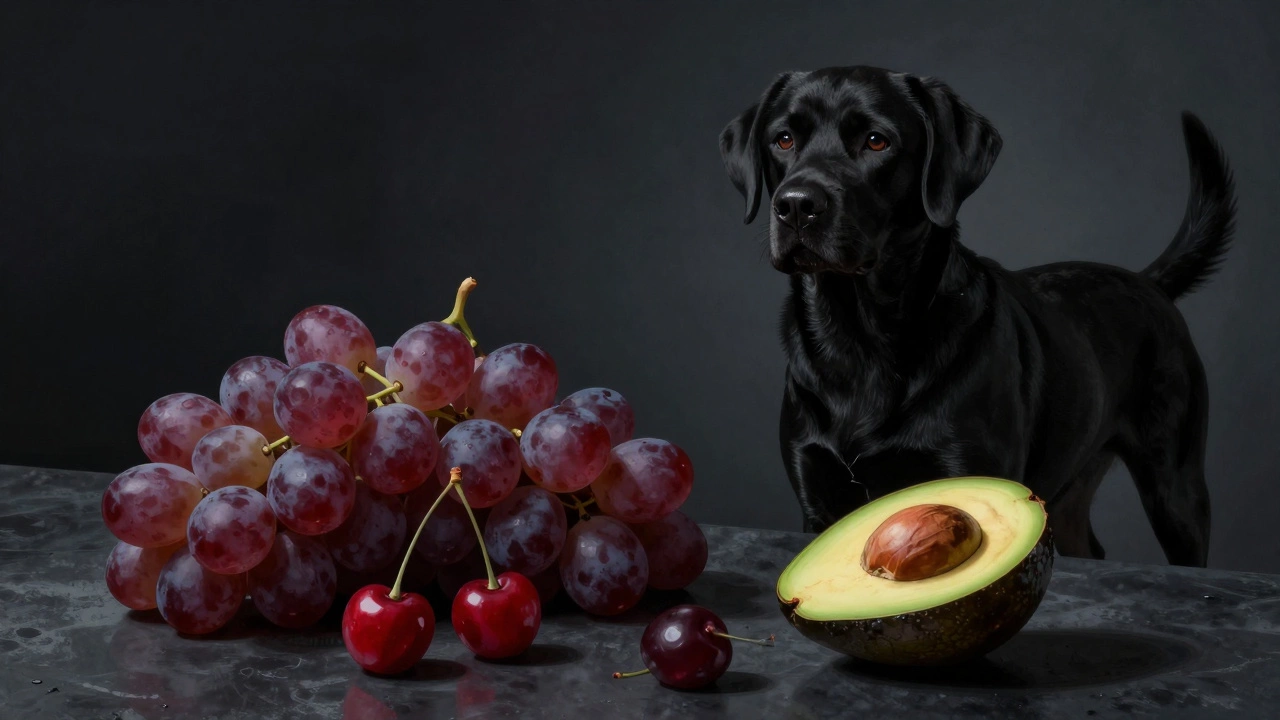
- Grapes and Raisins: Even small quantities can cause acute kidney failure in dogs. The exact toxin remains unidentified, but reactions vary wildly between individuals. One dog may eat a handful with no issue, while another collapses after a single raisin. Never take chances.
- Cherries: The flesh is relatively safe, but the pits, stems, and leaves contain cyanide. Ingestion can lead to cyanide poisoning, resulting in dilated pupils, difficulty breathing, and shock.
- Avocado: Contains persin, a fungicidal toxin that affects birds and mammals differently. In dogs, persin may cause vomiting and diarrhea. Additionally, the large pit poses a choking hazard and risk of intestinal obstruction.
- Citrus Fruits (Lemons, Limes, Grapefruit): High acidity irritates the gastrointestinal tract, leading to nausea and drooling. Essential oils in the peel can also be toxic if ingested in large amounts.
- Unripe Tomatoes: Green tomatoes contain solanine, a glycoalkaloid poison that causes lethargy, weakness, and digestive distress. Ripe red tomatoes are generally safe in small amounts, but avoid the vine and leaves.
If your dog consumes any of these toxic fruits, contact your veterinarian or the ASPCA Animal Poison Control Center immediately. Symptoms such as vomiting, diarrhea, tremors, or loss of appetite require urgent medical attention. Time is critical in cases of grape or cherry pit ingestion.
How Much Fruit Should You Feed Your Dog?
Moderation is key. Fruit should never exceed 10% of your dog’s daily caloric intake. For a 25-pound dog consuming 900 calories per day, this means no more than 90 calories from treats, including fruit. A cup of blueberries contains about 84 calories, so just a few berries suffice. An apple slice offers roughly 3-4 calories, making it easier to incorporate into training sessions.
Start small when introducing new fruits. Offer a tiny piece and monitor for allergic reactions or digestive upset over 24 hours. Signs of intolerance include gas, loose stools, or itching around the face. If symptoms occur, discontinue the fruit and consult your vet. Gradually increase portions only if tolerated well.
Consider your dog’s size and activity level. Small breeds like Chihuahuas need smaller servings than large breeds like Golden Retrievers. Active working dogs burn more calories and can handle slightly larger portions, while sedentary indoor dogs are prone to weight gain from extra sugars. Adjust accordingly to maintain a healthy body condition score.
Preparing Fruit Safely for Your Dog
Proper preparation eliminates hazards and maximizes nutritional benefits. Wash all fruits thoroughly under running water to remove pesticides, dirt, and bacteria. Organic produce reduces chemical exposure, but conventional fruits are safe if washed correctly.
- Remove pits, seeds, and cores: These parts often contain toxins or pose choking risks. Core apples, pit cherries, and deseed watermelons before serving.
- Peel tough skins: Banana peels, citrus rinds, and avocado skin are difficult to digest and may cause blockages. Strip them away completely.
- Cut into bite-sized pieces: Large chunks can choke small dogs or cause gagging. Slice apples and pears into thin wedges; cube melons into manageable bites.
- Avoid added sugars and syrups: Dried fruits often contain concentrated sugars or preservatives like sulfites, which trigger allergies. Stick to fresh or frozen varieties.
- Freeze for cooling relief: Frozen blueberries or banana slices act as natural ice packs during summer hikes. They slow consumption and prevent rapid sugar absorption.
Never feed fruit from unknown sources, such as fallen orchard drops or wild berries. Wild plants may carry molds, parasites, or unidentifiable toxins. Store prepared fruit in sealed containers in the refrigerator to prevent spoilage and bacterial growth.
Special Considerations for Diabetic and Overweight Dogs
Dogs with diabetes or obesity require careful dietary management. High-sugar fruits like bananas, mangoes, and grapes raise blood glucose levels rapidly. Instead, choose low-glycemic options like green beans, cucumbers, or small amounts of blueberries. Monitor blood sugar closely after introducing new foods.
Obese dogs benefit from low-calorie fillers that satisfy cravings without adding pounds. Watermelon and cucumber slices provide crunch and volume with minimal calories. Replace high-fat commercial treats with fruit-based alternatives to support weight loss goals. Always discuss dietary changes with your veterinarian to ensure nutritional balance.
Allergies, though rare, can develop at any age. Watch for hives, swelling, or respiratory distress after fruit exposure. Keep a food diary to track reactions and identify triggers. Eliminate suspect fruits immediately and seek veterinary guidance if symptoms persist.
Alternatives to Fruit: Other Healthy Dog Treats
If fruit doesn’t suit your dog’s taste or health needs, consider other wholesome options. Carrots offer beta-carotene and crunch for dental cleaning. Sweet potatoes, cooked plain, deliver complex carbohydrates and fiber. Green beans, steamed or raw, are low-calorie and rich in vitamins K and C.
Commercial treats should list real ingredients first, avoiding artificial colors, flavors, and preservatives. Look for brands using chicken, salmon, or liver as primary components. Homemade treats baked with oatmeal, peanut butter (xylitol-free), and eggs provide customizable nutrition without fillers.
Rotate treat types to prevent boredom and ensure diverse nutrient intake. Balance fruit with vegetables, lean proteins, and healthy fats. Consult your vet for personalized recommendations based on your dog’s breed, age, and medical history.
Can dogs eat strawberries?
Yes, strawberries are safe for dogs in moderation. They contain vitamin C, fiber, and antioxidants. Remove leaves and stems, wash thoroughly, and cut into small pieces. Limit to a few berries per serving due to natural sugars.
Are dried fruits safe for dogs?
Most dried fruits are unsafe due to concentrated sugars and potential additives. Raisins and dried grapes are toxic. Avoid apricot pits, which contain cyanide. Fresh fruits are healthier and easier to control portion sizes.
What happens if my dog eats a grape?
Grape ingestion can cause acute kidney failure within 24-72 hours. Symptoms include vomiting, diarrhea, lethargy, and decreased urination. Seek emergency veterinary care immediately. Do not wait for symptoms to appear.
Can puppies eat fruit?
Puppies can eat small amounts of safe fruits like blueberries and apple slices after weaning. Introduce gradually to assess tolerance. Avoid acidic or sugary fruits until digestive systems mature. Always supervise young dogs during treat time.
Is coconut safe for dogs?
Coconut meat and water are generally safe in small quantities. Coconut oil may improve coat shine but is high in fat. Excessive intake causes pancreatitis or diarrhea. Remove hard shells and monitor for digestive upset.