Dog Bed Health Checker
Is your dog avoiding their bed? Use this checker to determine if it's time for a replacement or just a cleaning.
Result
Recommendations:
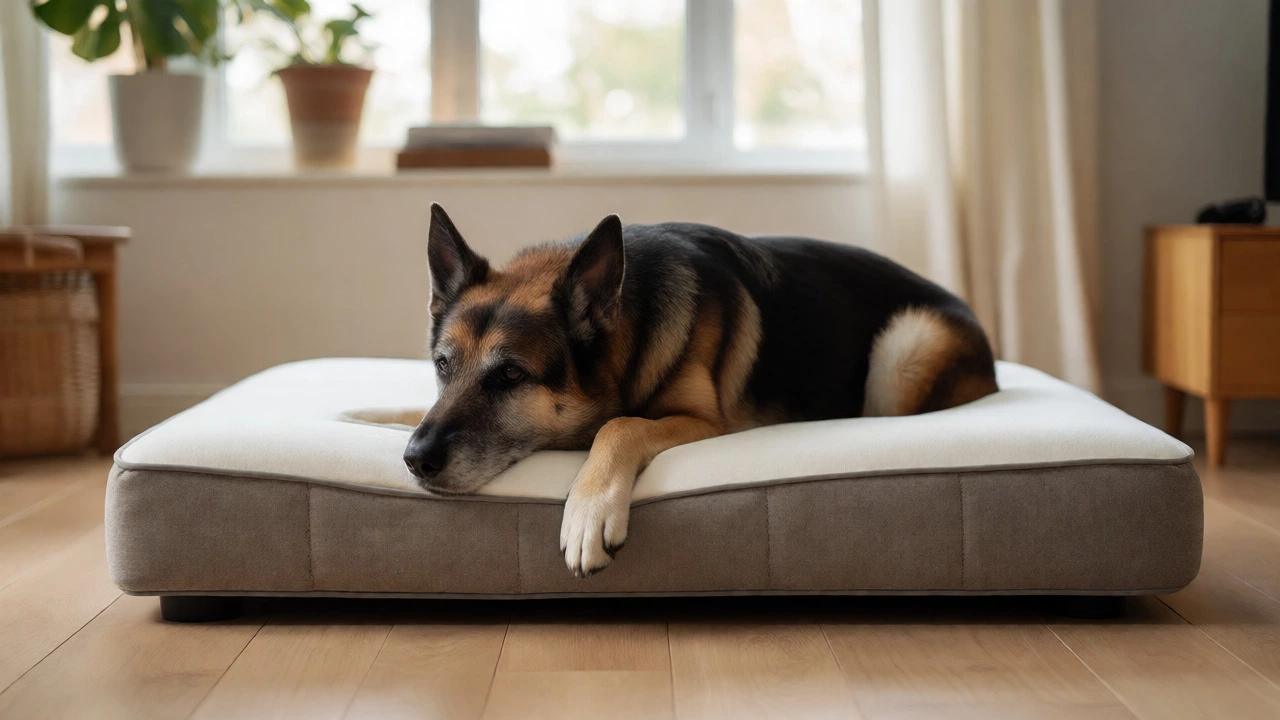
You walk into the room and notice your dog circling three times before finally collapsing onto the floor instead of their plush cushion. It’s a subtle shift, but it’s loud enough to ask: is that old mattress done for? Dogs don’t file complaints or leave reviews, so they communicate discomfort through behavior and physical changes. If you’re wondering how do I know if my dog needs a new bed, you need to look beyond just the fabric looking pretty.
Dog beds are consumables, much like car tires or running shoes. They have a lifespan determined by material quality, usage frequency, and your dog’s weight. In Auckland, where humidity can affect foam integrity over time, degradation might happen faster than in drier climates. This guide breaks down the tangible signs that your pup’s sleep setup has expired, helping you save money on unnecessary replacements while ensuring your dog gets the restorative sleep they deserve.
The Physical Inspection Checklist
Start with a hands-on assessment. You don’t need a degree in engineering to spot a failed support system, but you do need to know what to look for. Most modern dog beds use one of two core materials: memory foam (viscoelastic) or polyfill (shredded foam/fiber). Each fails differently.
| Material Type | Common Failure Mode | Visual/Tactile Sign | Lifespan Estimate |
|---|---|---|---|
| Memory Foam | Compression Set | Permanent dips; foam doesn't spring back when pressed | 1-3 Years |
| Polyfill/Shredded Foam | Clumping/Flattening | Lumpy texture; visible gaps in filling | 6 Months - 2 Years |
| Egg Crate Foam | Crumbling | Foam breaks into small pieces under cover | 1 Year |
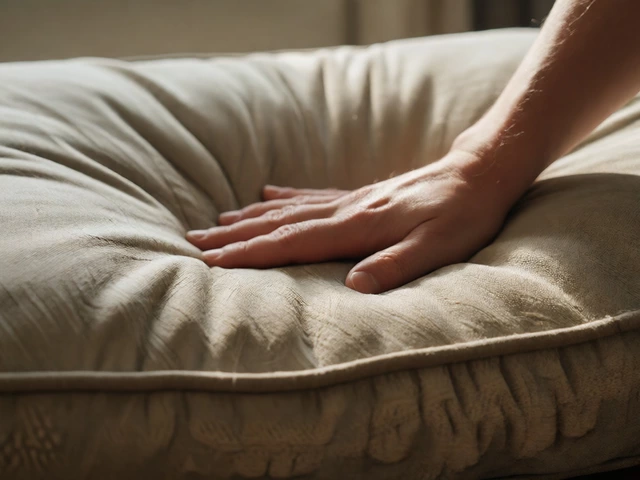
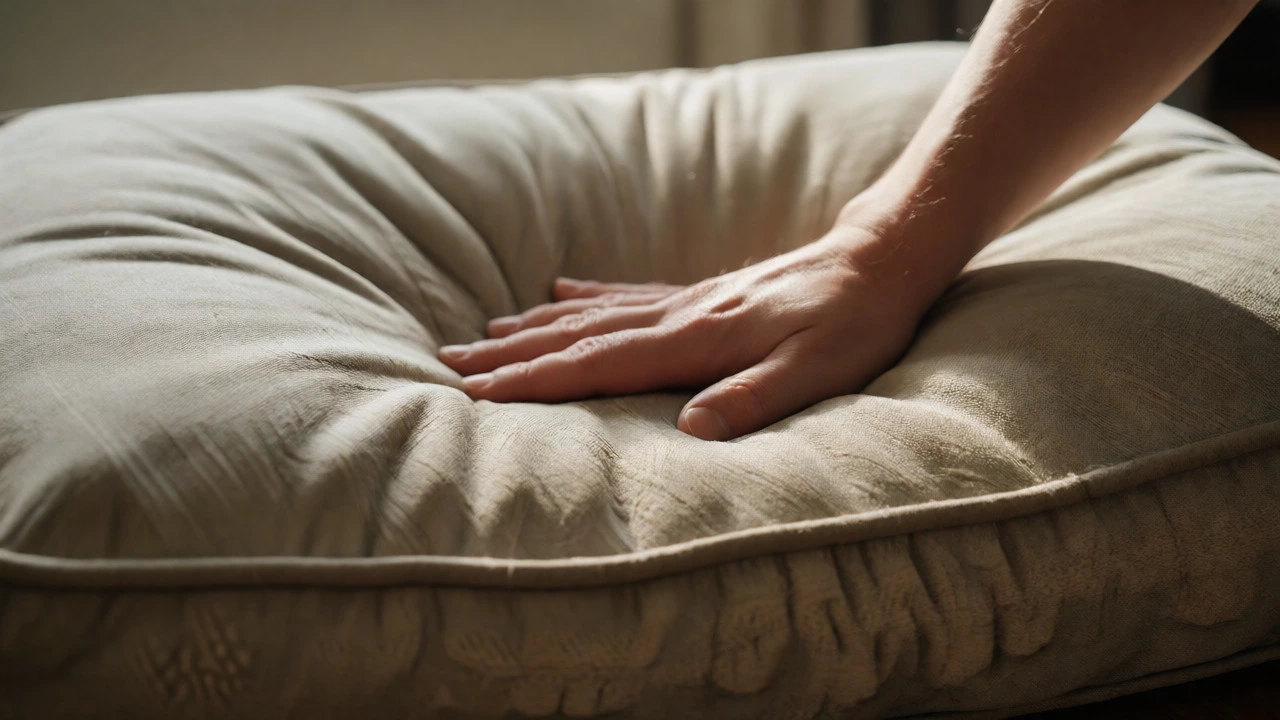
If you press your hand firmly into the center of the bed and it stays depressed for more than a few seconds, the foam has lost its resilience. This is called "compression set." For older dogs or breeds prone to joint issues like German Shepherds or Labradors, this flat spot becomes a hard surface against the floor, negating any pressure relief benefits. Similarly, if the outer cover is fraying near the seams, moisture from saliva or accidents can seep inside, breeding bacteria and mold within the foam itself. A musty smell that doesn’t go away after washing the cover is a definitive red flag.
Behavioral Clues Your Dog Is Giving You
Your dog’s routine is the most honest diagnostic tool available. Sleep should be restful, not a struggle. Watch for these specific behavioral shifts:
- Reluctance to Enter: If your dog walks past the bed repeatedly or only uses it for brief naps rather than full sleep cycles, the surface may be too hot, too cold, or painful.
- Excessive Circling: While some circling is instinctual, prolonged spinning indicates an inability to find a comfortable position due to lumps or uneven support.
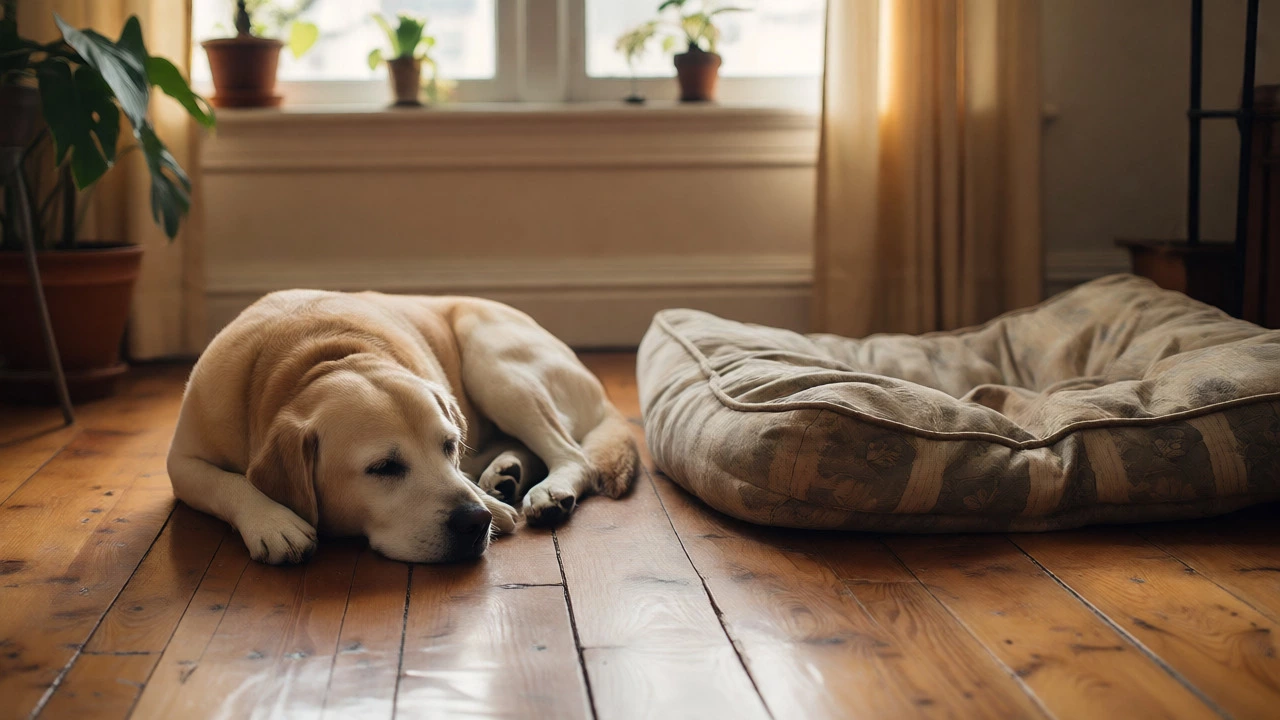
- Sleeping on Hard Floors: A sudden preference for tile or wood floors often means the bed has become too warm (foam retains heat) or too soft (lacking spinal support).
- Grimacing or Whining: Listen for vocalizations when they lie down. A sharp yelp or a low groan suggests the bed is putting pressure on sore joints.
Consider the environment. In our humid subtropical climate here in NZ, breathability matters. If your dog keeps flipping the bed over to sleep on the underside, the top layer might be trapping body heat. Conversely, if they curl up tightly on the edge, they might feel exposed or unsupported in the center.
Age and Health Considerations
A bed that worked perfectly for your puppy at six months might be inadequate for your senior dog at eight years. As dogs age, their muscle mass decreases, leaving bones and joints less protected. This is where Orthopedic Dog Beds which utilize high-density memory foam to distribute weight evenly become critical. Unlike standard bolster beds, orthopedic options provide consistent resistance against the joints, reducing inflammation overnight.
If your dog has been diagnosed with conditions like arthritis, hip dysplasia, or spondylosis, the threshold for replacing a bed drops significantly. Veterinary guidelines suggest checking support systems annually for arthritic dogs. Even if the bed looks fine, if your dog is stiff in the morning and takes longer to stand up, the bed isn’t doing its job. The goal is to minimize the time spent in uncomfortable positions during REM sleep, which accounts for roughly 10-15% of a dog's total sleep time.
Hygiene and Allergen Accumulation
Beyond structural failure, hygiene is a major factor. Dog beds act as filters for dust mites, pollen, dead skin cells, and outdoor allergens. Over time, these particles embed deep into the foam, becoming impossible to remove with regular vacuuming. If your dog suffers from atopic dermatitis or seasonal allergies, a dirty bed can exacerbate itching and scratching, leading to secondary infections.
Check the care label. Many cheap beds have non-removable covers, making deep cleaning nearly impossible. If you’ve had a bed for over two years and it hasn’t been professionally cleaned, it likely harbors significant microbial load. For households with multiple pets, cross-contamination of parasites like fleas or ticks is also higher risk. If you see increased scratching or hair loss around the belly and paws, inspect the bed’s hygiene status before blaming diet or shampoo.
When to Upgrade vs. Repair
Not every damaged bed needs immediate replacement. Sometimes, a repair is cost-effective. Here is a quick decision matrix:
| Scenario | Action | Reasoning |
|---|---|---|
| Torn Cover, Intact Foam | Replace Cover | Covers are cheaper than whole units; buy universal fits. |
| Small Hole in Foam | Insert New Foam Block | DIY fix using upholstery foam extends life by 6-12 months. |
| Seams Bursting | Replace Bed | Structural integrity compromised; stuffing will leak everywhere. |
| Strong Odor Persists | Replace Bed | Mold/bacteria growth inside foam is rarely removable. |
If you choose to upgrade, consider the size carefully. Measure your dog lying down in their natural sleeping position (stretched out vs. curled up). Add 10-15 cm of buffer space. A common mistake is buying a bed that is too small, forcing the dog to hang limbs off the edge, which creates pressure points.
Selecting the Right Replacement
Once you’ve confirmed the bed is expired, choosing the right successor prevents future headaches. Match the bed type to your dog’s specific needs:
- For Senior Dogs: Look for "orthopedic" labels with at least 7-10 cm of high-density foam. Avoid shredded fill, which compresses unevenly.
- For Chewers: Choose chew-resistant fabrics like ballistic nylon or canvas. Avoid loose threads or zippers that can be pulled apart.
- For Hot Climates: Opt for elevated cots or breathable mesh covers. These allow airflow underneath, preventing overheating.
- For Anxiety Prone Dogs: Bolster beds with raised edges provide a sense of security, allowing them to lean against a "wall" while sleeping.
Remember, the best bed is one your dog actually uses. Let them test-drive a few options if possible. Some dogs prefer firm surfaces, others love sinking into softness. There is no one-size-fits-all solution, but paying attention to the wear patterns of your previous bed gives you valuable data on what to avoid next time.
How long does a dog bed typically last?
It depends on the material and usage. High-quality memory foam beds usually last 1-3 years. Cheaper polyfill beds may flatten out in 6-12 months. Heavy dogs or those who sleep exclusively on the bed will degrade it faster than occasional users.
Can I wash a memory foam dog bed?
Most memory foam cores cannot be machine washed as water damages the foam structure. Only the removable cover should be washed. Spot clean the foam with enzyme cleaners if necessary, and let it air dry completely to prevent mold.
Why does my dog sleep on the floor instead of his bed?
This often indicates the bed is too warm, too soft, or lacks support. Older dogs frequently seek cool, hard surfaces to relieve joint pain. Check if the bed has flattened or if the location is drafty/too hot.
Are expensive dog beds worth it?
For puppies or healthy young dogs, maybe not. But for senior dogs, large breeds, or those with health issues, premium orthopedic beds are worth the investment. They provide better spinal alignment and reduce long-term veterinary costs associated with joint strain.
How do I get rid of dog bed smells?
Baking soda is effective for absorbing odors from foam. Sprinkle it generously, let it sit for several hours, then vacuum thoroughly. If the smell persists, the foam likely contains trapped urine or mold, signaling it's time for replacement.