Dog Flight Potty Planning Tool
Recommended Strategy
Quick Tips for Flight Potty Management
- Fast the dog for 4-6 hours before takeoff to reduce bladder pressure.
- Limit water intake 2 hours before the flight, but never dehydrate them.
- Use a high-absorbency puppy pad in the carrier.
- Schedule a 'last call' bathroom break immediately before check-in.
- Carry a 'cleanup kit' with enzyme cleaner and heavy-duty wipes.
The Biological Reality of Flying Dogs
Dogs are remarkably adaptable. Most healthy adults can hold their bladder for 6 to 10 hours, which covers many medium-haul flights. However, the stress of travel often triggers 'urgent' needs. When a dog is anxious, their cortisol levels spike, which can actually speed up digestion and bladder filling. This is why a dog that is perfectly house-trained at home might suddenly have an accident in a travel crate. If your dog is traveling in the cabin, they are essentially in a state of forced holding. They can't tell you they need to go until it's almost too late. If they are in the cargo hold, they rely on the absorbent bedding provided in their IATA-approved crate. The key here isn't teaching them to 'hold it' forever, but managing their intake so the physical need is minimized.Managing the Cabin Experience
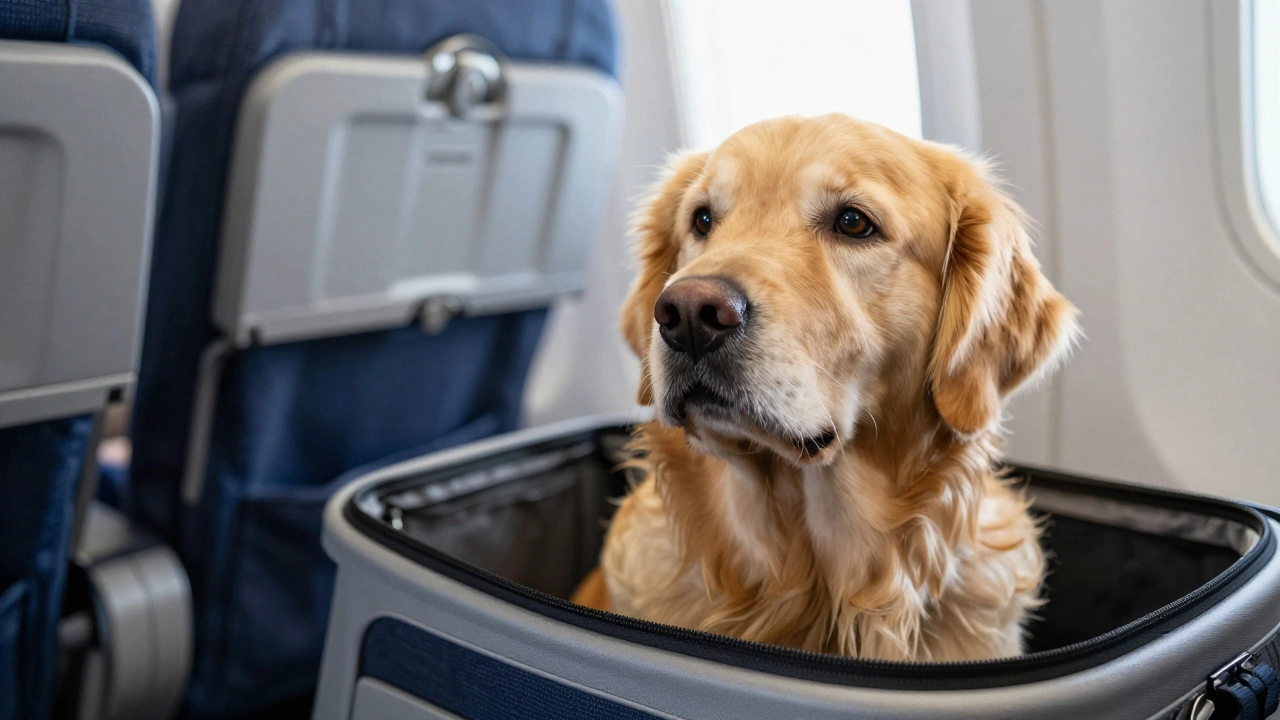
If you've managed to get your dog approved for the cabin, you have a bit more control, but much less space. You cannot take your dog for a walk in the aisle. Most airlines strictly forbid pets from leaving their carriers while the plane is in motion. For small dogs, the best bet is a combination of high-quality puppy pads and a strategy of 'controlled sipping.' Instead of letting them lap up a bowl of water, offer small amounts of water or ice cubes throughout the flight. This keeps them hydrated without filling the bladder too quickly. If an accident happens, you need to act fast. Use a portable absorbent mat and an enzyme-based cleaner. Regular soap won't break down the uric acid, and the smell will linger in the cabin, which isn't great for you or the other passengers.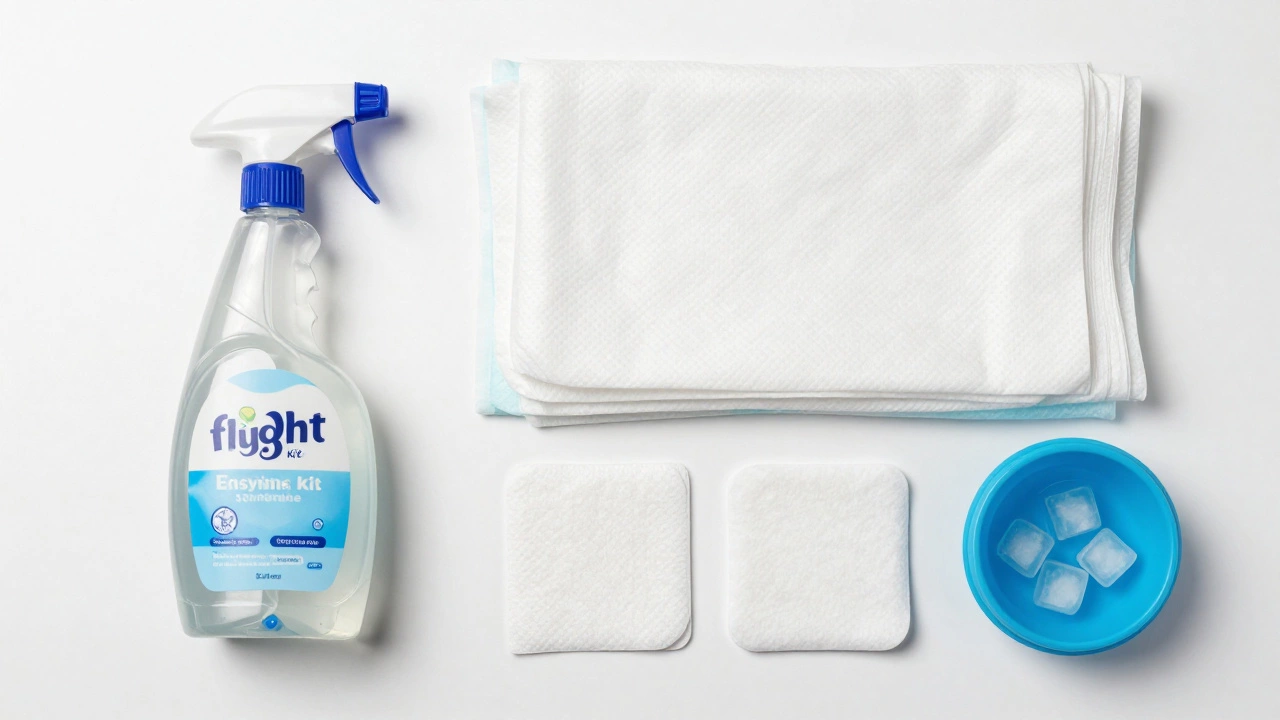
The Cargo Hold and Absorbent Bedding
For larger dogs, the Cargo Hold is the only option. This is where the 'how' becomes less about behavior and more about materials. Airlines and transport agents use specific absorbent bedding-often a mix of wood shavings, recycled paper, or specialized absorbent pads-to soak up urine. It sounds unpleasant, but dogs are generally fine with this. When they can't move far, they will naturally move to a corner of the crate away from where they sleep to relieve themselves. The goal is to keep the moisture away from their paws to prevent skin irritation or 'urine scald.' This is why adding extra absorbent pads to the bottom of the crate is a pro move for long-haul journeys.| Flight Duration | Primary Strategy | Key Tool | Risk Level |
|---|---|---|---|
| Short (3 hours) | Pre-flight emptying | Standard leash walk | Low |
| Medium (3-8 hours) | Controlled hydration | Puppy pads | Moderate |
| Long (> 8 hours) | Absorbent bedding/Crate management | Enzyme cleaner / Heavy pads | High |
Using Airport Pet Relief Areas
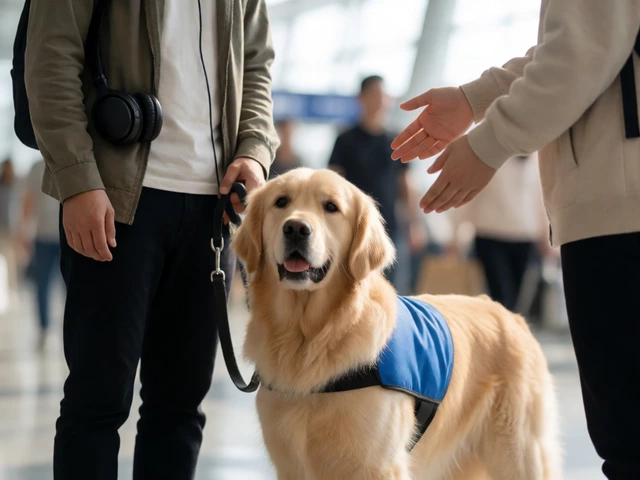
The flight itself is the hard part, but the windows of time before and after are critical. Modern international hubs have vastly improved their Pet Relief Areas. These are dedicated zones, often with synthetic grass or gravel, where dogs can go safely. Don't just rely on the one near the check-in counter. Most major airports have relief stations inside the secure area (past security). If you have a long layover, find these areas immediately. A dog that has a full bladder during a 2-hour layover is much more likely to panic and have an accident once they board the plane. If you're flying through a hub like Singapore Changi or Dubai, these areas are often very well-maintained, but you still need to carry your own waste bags to keep things hygienic.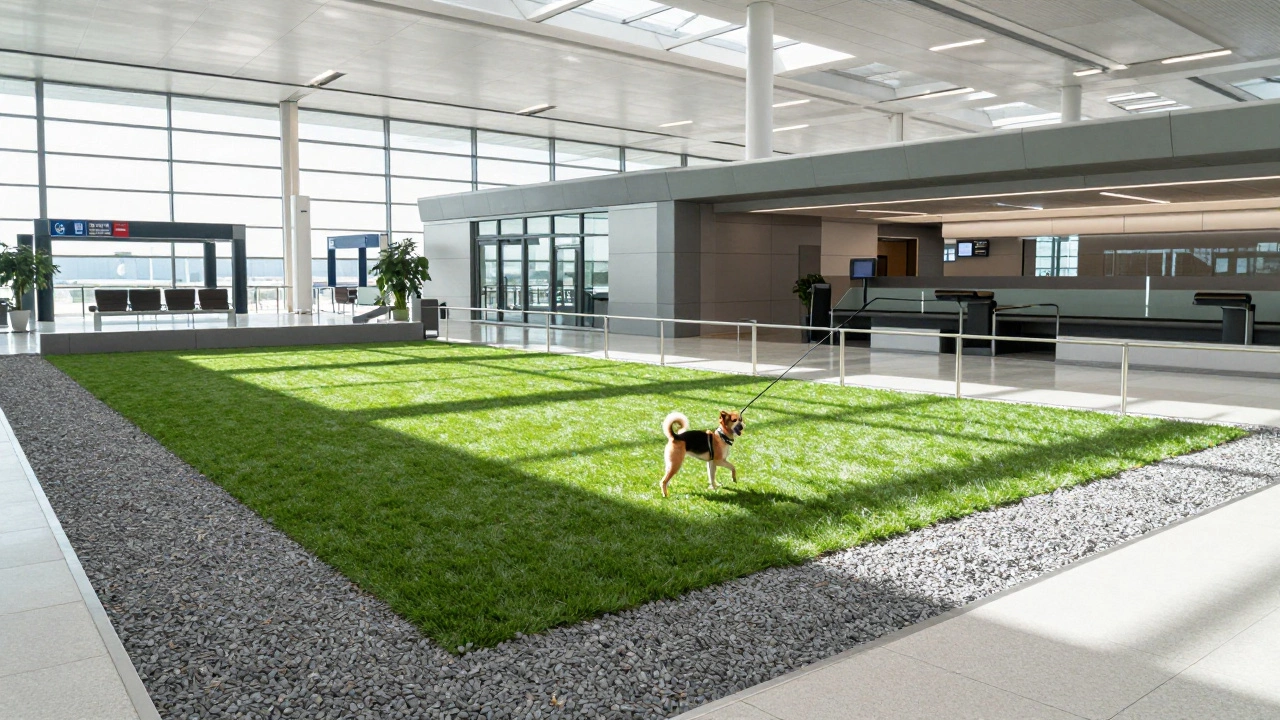
The Role of Training and Preparation
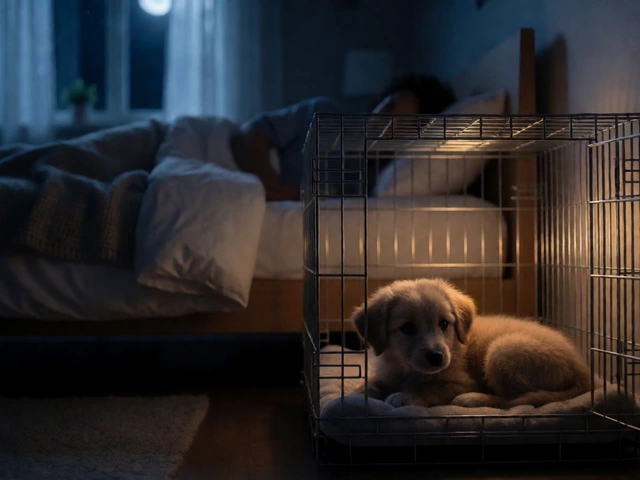
Can you actually train a dog for a long flight? To some extent, yes. If you're planning a big move, start by increasing the time between bathroom breaks by 30 minutes every few days. This builds their bladder endurance. Additionally, introduce your dog to their travel crate weeks before the flight. A dog that feels safe in their crate is less likely to be stressed. Stress-induced urination is a different beast than a full bladder; it's an emotional response. Using calming aids, like pheromone sprays or a thundershirt, can help keep their anxiety low, which in turn keeps their bladder more stable.What to Do When Things Go Wrong
Despite your best efforts, accidents happen. If your dog has an accident in the cabin, don't panic. Stay calm; if you freak out, your dog will get more stressed and might actually go again. First, contain the mess with a towel or pad. Second, use an Enzyme Cleaner. These cleaners use bacteria to actually eat the organic proteins in urine, which is the only way to truly remove the scent. Third, if the dog's fur is wet, use a damp cloth to clean them up immediately to prevent skin irritation from the ammonia in the urine. For those with dogs in cargo, the 'recovery' happens after landing. As soon as you get your pet, head straight to a relief area. Give them plenty of water, but do it slowly to avoid bloating, and let them stretch their legs. The transition from a confined crate to a wide-open airport can be overwhelming, so keep them on a short leash.Can I take my dog to the airplane bathroom?
No. Airplane bathrooms are for humans only. It is strictly prohibited to bring pets into the lavatory for hygiene and safety reasons. You must manage their needs within their carrier or wait until you reach an airport relief area.
How long can a dog actually hold their pee on a flight?
Most adult dogs can hold it for 6 to 10 hours depending on their size and hydration. Small dogs with smaller bladders may need to go more frequently, while stressed dogs may lose control sooner.
Do airlines provide pads for dogs in the cargo hold?
Airlines generally do not provide individual pads. They expect the owner to provide a crate with absorbent bedding. However, ground crews are trained to handle pets and will ensure the crate is secure and the dog is monitored.
Is it safe to give my dog sedatives to help them hold it?
This is generally discouraged. Sedatives can interfere with a dog's ability to regulate their body temperature and can actually make them lose control of their bladder. Always consult a vet; many airlines actually ban heavily sedated animals for safety reasons.
What is the best way to limit water intake before a flight?
Offer water in small quantities rather than a full bowl. Ice cubes are a great trick-they provide hydration but take longer to consume, preventing the stomach and bladder from filling up too quickly.
Next Steps for Pet Parents
If you're preparing for a trip, your first move should be checking the specific pet policy of your airline, as rules on carrier sizes and cargo temperatures vary wildly. Next, do a 'dry run' with the travel crate at home. If you're flying internationally, ensure your vet has updated the health certificates, as a delay at customs is the last thing you want when your dog has a full bladder.