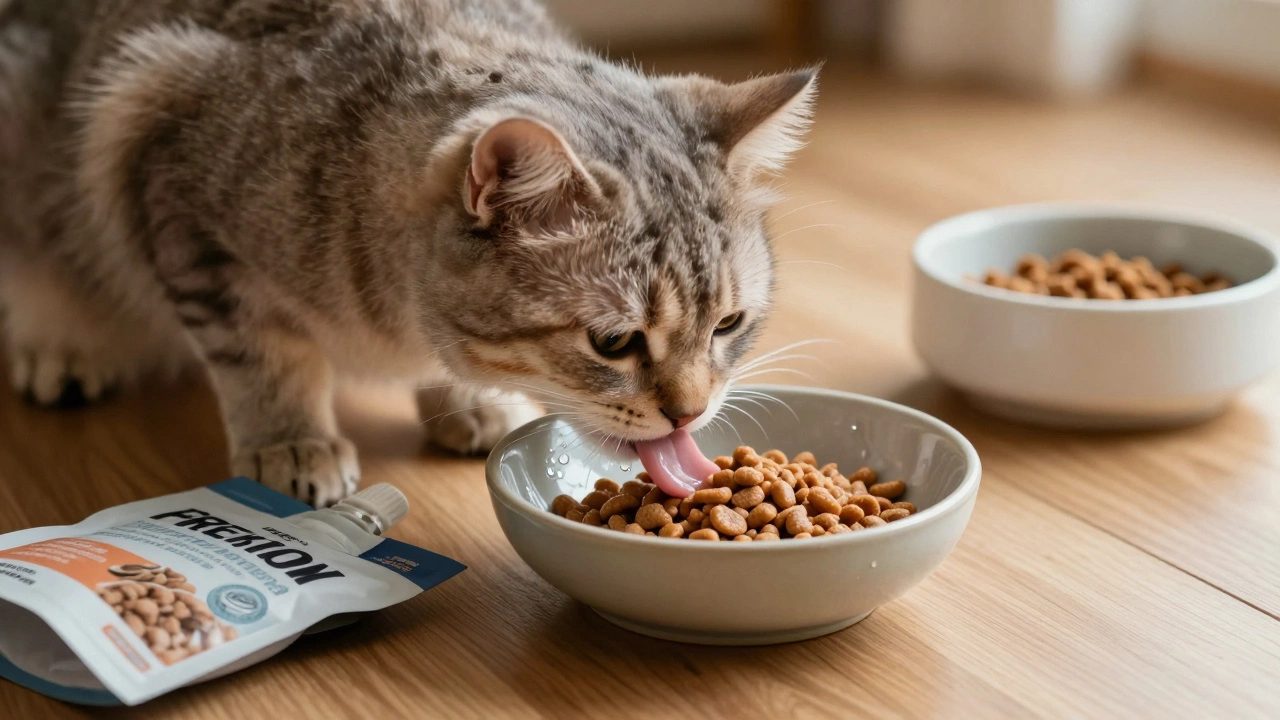
When you stand in the pet store aisle staring at shelves full of cat food, it’s easy to feel overwhelmed. Should you go with the crunchy kibble? Or the mushy pouches that smell like tuna heaven? The question isn’t just about convenience-it’s about your cat’s health, energy, and even how long they live.
Why the Wet vs. Dry Debate Matters
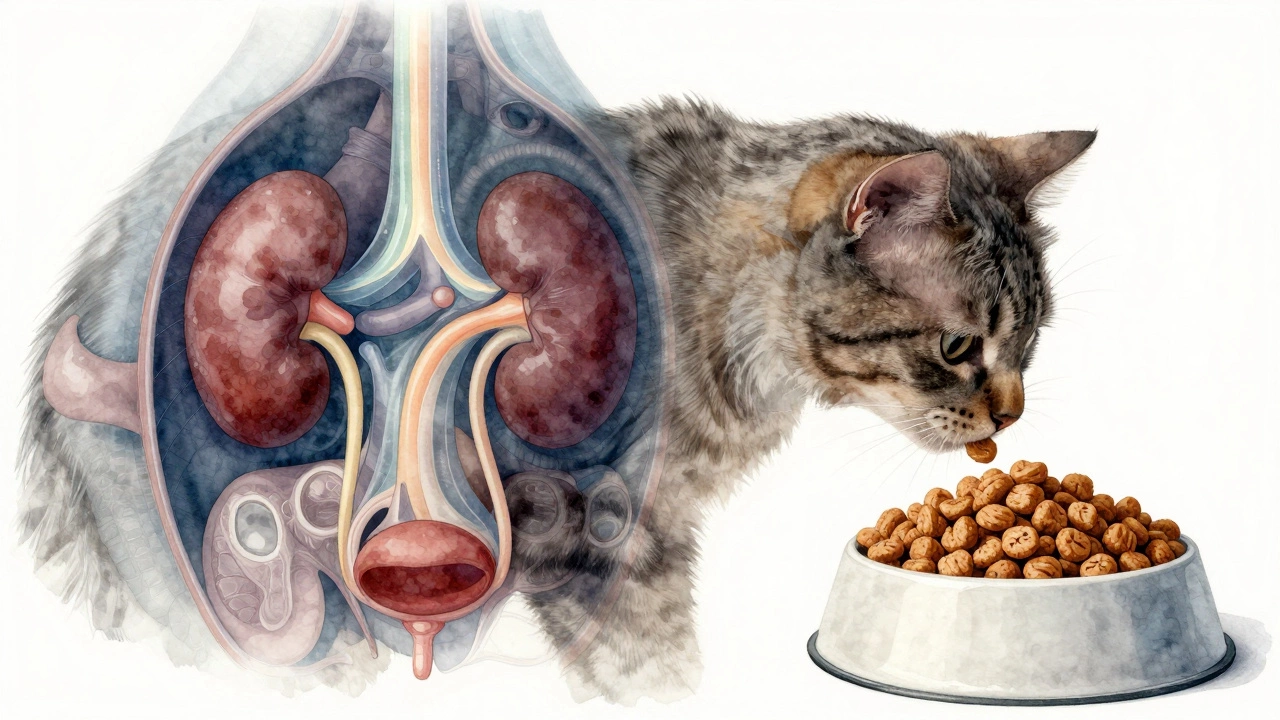
Cats are obligate carnivores. That means their bodies evolved to get most of their nutrition from meat, not grains or vegetables. And unlike dogs or humans, cats don’t naturally drink a lot of water. In the wild, they get most of their moisture from prey-mice, birds, lizards-things that are about 70% water. Dry food? It’s usually only 10% water. Wet food? Around 75%.That difference isn’t trivial. A study from the University of California, Davis found that cats fed only dry food were 2.5 times more likely to develop urinary tract issues than those eating wet food. Why? Because they’re chronically dehydrated. Their kidneys work harder. Their bladders get irritated. And over time, that leads to crystals, blockages, and vet bills.
What Wet Food Actually Does for Your Cat
Wet food isn’t just about hydration. It’s also easier on digestion. The high moisture content helps move food through the gut smoothly. Many older cats or those with dental issues struggle to chew kibble. Wet food is softer, easier to swallow, and often more palatable.Here’s what you’ll see in real life if you switch:
- Your cat drinks less from the water bowl-because they’re already getting water in their food.
- Their urine becomes less concentrated. You’ll notice it’s lighter in color and less strong-smelling.
- They might eat more slowly and seem more satisfied after meals.
- For overweight cats, wet food often helps with weight loss because it’s more filling with fewer calories per gram.
A 2023 review in the Journal of Feline Medicine and Surgery showed that cats on wet food diets lost weight more consistently than those on dry, even when total calories were the same. Why? The water content fills their stomachs, reducing begging and snacking between meals.
The Truth About Dry Food
Dry food isn’t evil. It’s convenient. It’s cheaper. It doesn’t spoil if left out. For some cats-especially active, healthy ones-it works fine. But it comes with trade-offs.Most dry foods are high in carbohydrates. Cats don’t need carbs. Their bodies aren’t built to process them efficiently. That means excess carbs turn into fat. Many dry foods contain 30-50% carbs. Compare that to wet food, which averages 5-10%. That’s not just a difference-it’s a metabolic mismatch.
Also, dry food doesn’t clean teeth. That’s a myth. Kibble shatters on impact. It doesn’t scrape plaque like chewing on a bone or a rubber toy. Dental disease in cats is common-and often linked to diet. A 2024 study from the Royal Veterinary College in London found no significant difference in tartar buildup between cats fed dry food and those fed wet food.
What About Mixing Wet and Dry?
Many owners mix wet and dry food. It’s not wrong-but it’s not always optimal. If you’re feeding dry food, you’re still exposing your cat to low moisture and high carbs. Adding a pouch of wet food once a day helps, but it doesn’t fully undo the risks.Think of it like this: If you drank only soda all day and then had one glass of water, you’d still be dehydrated. Same logic applies to cats.
Here’s a better approach: Make wet food the main meal. Use dry food as a snack or treat, not the base of their diet. Or better yet-skip the dry entirely.
How to Choose the Best Wet Food
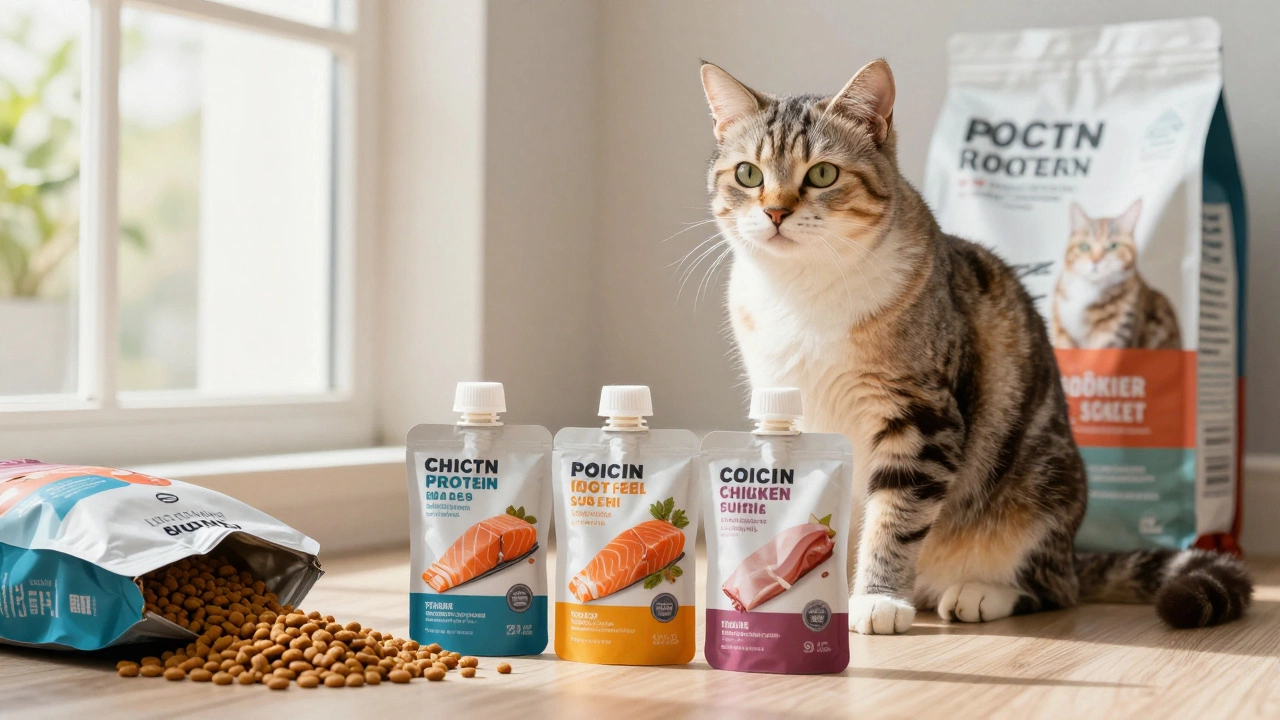
Not all wet food is created equal. Some are just meat-flavored gravy with a few chunks of chicken. Others are 95% meat, organ, and bone-close to what a cat would eat in the wild.Look for these on the label:
- First ingredient: A named meat-like chicken, turkey, or salmon-not “meat by-products” or “poultry meal.”
- No grains: Avoid corn, wheat, rice. These are fillers.
- No artificial preservatives: BHA, BHT, ethoxyquin are red flags.
- High protein: At least 10% crude protein on a dry matter basis (most wet foods meet this easily).
- Low carbohydrate: Under 10% is ideal.
Brands like Tiki Cat, Weruva, and Wellness Core offer options that match these standards. If you’re on a budget, look for store brands that list meat as the first ingredient and avoid grains. Even a $3 pouch is better than a $15 bag of kibble if it’s made right.
Special Cases: Kittens, Seniors, and Sick Cats
Kittens need more calories and protein. Wet food is ideal because it’s nutrient-dense and easy to chew. Most kitten formulas come in pâté or minced textures.Seniors often have kidney issues. The extra hydration from wet food is critical. A 2022 study in the Journal of Veterinary Internal Medicine showed that senior cats on wet diets had slower progression of chronic kidney disease compared to those on dry food.
If your cat has diabetes, wet food is almost always recommended. High-carb dry food spikes blood sugar. Wet food keeps glucose levels stable. For cats with constipation, IBS, or food allergies, wet food is easier to digest and often less inflammatory.
What About Raw or Homemade?
Some owners go full raw or make homemade meals. That’s fine-if you know what you’re doing. But it’s risky without proper balance. Cats need taurine, arachidonic acid, vitamin A, and other nutrients that aren’t found in plain chicken breast. A poorly balanced homemade diet can cause heart disease, blindness, or bone problems.Commercial wet food is formulated to meet AAFCO standards. That means it’s tested and complete. Unless you’re working with a veterinary nutritionist, stick with trusted brands.
The Bottom Line
Wet food is better for most cats. Not because it’s trendy. Not because it’s expensive. But because it matches how cats evolved to eat.If you’re serious about your cat’s long-term health, make wet food the main part of their diet. You don’t have to go 100%-but aim for at least 70%. Even one pouch a day makes a difference. Two is better. Three is ideal.
And if you’re still using dry food as the primary diet? Ask yourself this: Would you eat only crackers and soda for every meal, and never drink water? Your cat doesn’t want to either.
Quick Tips for Switching
- Start by mixing 25% wet food with 75% dry. Gradually increase the wet portion over 7-10 days.
- Offer wet food at meal times only. Don’t leave it out for hours-it spoils quickly.
- Use shallow bowls. Cats hate deep bowls that touch their whiskers.
- Keep fresh water available anyway. Even with wet food, some cats still drink.
- Watch for changes in litter box habits. Better hydration means less concentrated urine and fewer clumps.