The Big Difference Between Service Dogs and Pets
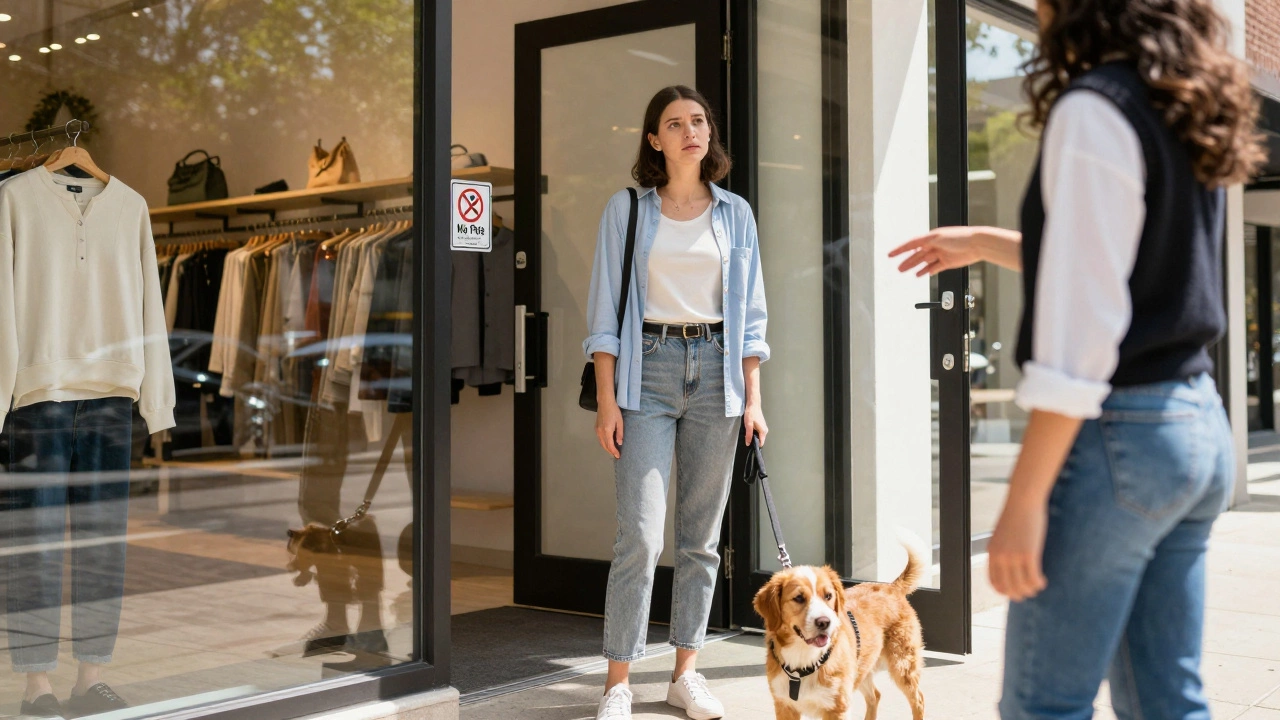
Before you head out, you need to understand the legal line between a pet and a service animal. This is where most of the conflict happens. Under the Americans with Disabilities Act (or ADA), a service animal is defined strictly as a dog that is individually trained to do work or perform tasks for people with a disability. If your dog helps you manage a medical condition or navigate the world safely, they are legally allowed in almost every public area, including grocery stores, pharmacies, and clothing shops. Now, let's talk about emotional support animals (ESAs). This is a common point of confusion. An ESA provides comfort just by being present, but they aren't trained to perform specific tasks. Legally, ESAs do not have the same access rights as service dogs. If you bring an ESA into a store in North Carolina, the manager can legally ask you to leave if they don't allow pets. Trying to pass off a pet as a service dog isn't just frowned upon; in some jurisdictions, it can actually lead to legal trouble.| Dog Type | Legal Right to Enter | Required Training | Common Store Reaction |
|---|---|---|---|
| Service Dog | Yes (Federal Law) | Specific Task Training | Obligated to allow |
| Emotional Support Animal | No (Store's Discretion) | None required | Varies by manager |
| Pet / Companion Dog | No (Store's Discretion) | Basic Obedience | Often restricted |
How Health Department Rules Affect Your Shopping
You've probably noticed that some stores are more relaxed than others. Why is the hardware store usually cool with dogs, but the bakery says no? It comes down to the North Carolina Department of Health and Human Services (NCDHHS) and local health codes. Any business that prepares or sells open food is subject to strict sanitation laws. In most NC counties, health codes prohibit animals in areas where food is exposed. This doesn't just mean the kitchen; it can include the aisles of a gourmet deli or a bakery. While a service dog is still allowed in these areas due to federal law overriding local code, a pet dog is a definite no-go. If you see a "No Pets" sign at a food court or a cafe, it's likely because the business is trying to avoid a health code violation that could lead to a fine or a lowered health grade.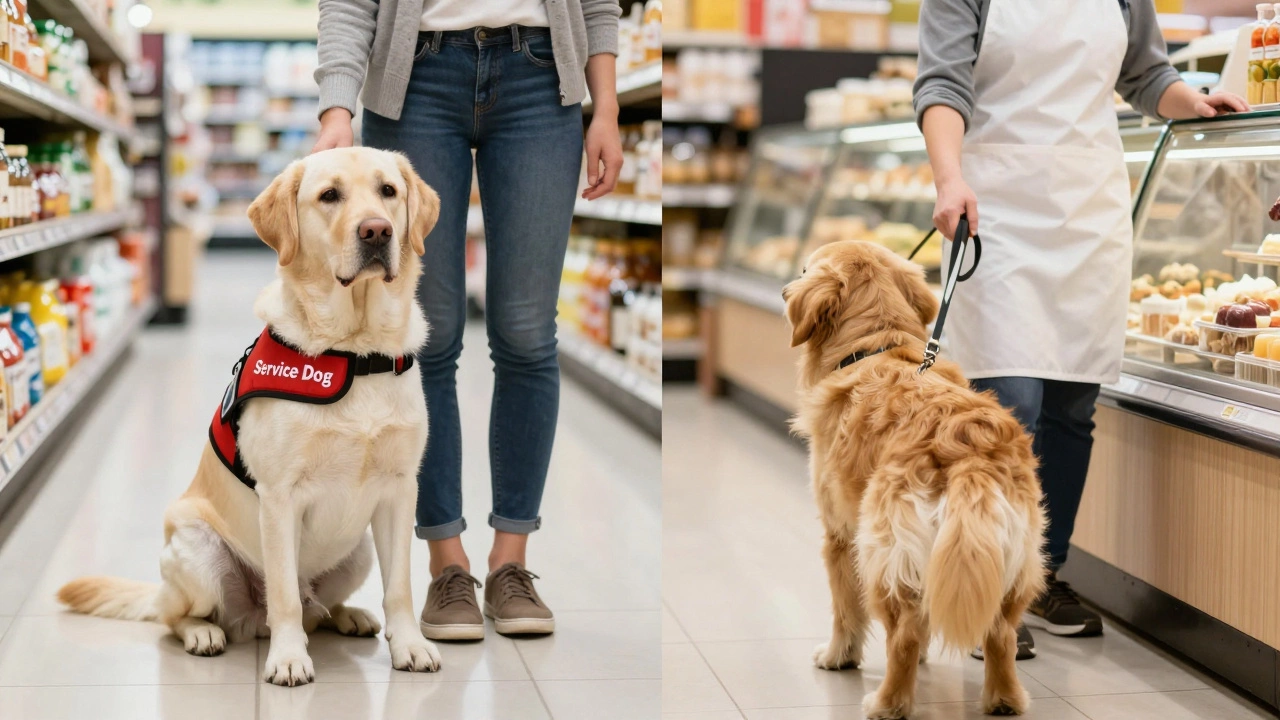
Navigating the "Store Policy" Maze
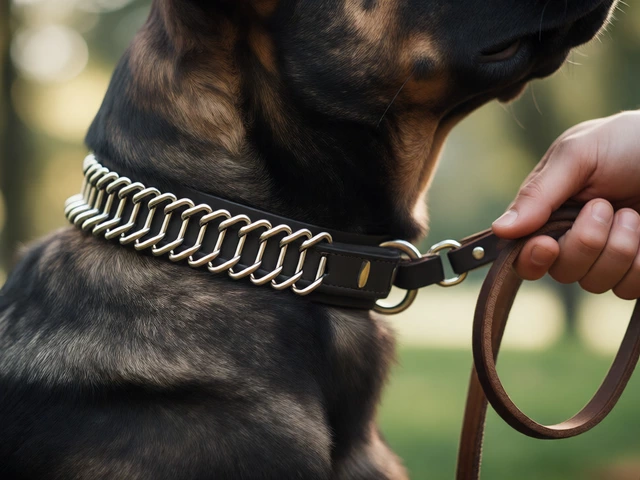
Since there's no state law forcing stores to be pet-friendly, everything depends on the brand's corporate policy. Large national chains often have a standardized rule. For example, some big-box home improvement stores are famously lenient, while high-end clothing retailers are often strict to protect their merchandise from hair and dirt. If you're unsure, the best move is to call ahead or check the storefront. However, be prepared for a "yes" from a friendly employee and a "no" from a strict manager. To make your experience smoother, follow these unwritten rules:- Keep your dog on a short, non-retractable leash. A six-foot lead is often too long for a narrow aisle.
- Ensure your dog is "neutral." If your pup barks at every stranger or lunges at other dogs, you're more likely to be asked to leave.
- Carry a few treats and a poop bag. If your dog has a minor accident and you clean it up immediately, the manager is much more likely to let you come back.
- Avoid peak hours. Shopping at 10 AM on a Tuesday is much easier with a dog than 6 PM on a Saturday.
The Role of Local Ordinances in NC Cities
While state law is vague, cities like Asheville, Wilmington, and Greensboro often have their own vibes and specific local ordinances regarding animals in public. In highly tourist-heavy areas, you'll find a much higher density of "Dog-Friendly" stickers on windows. This isn't because of a law, but because these businesses cater to people on vacation with their pets. In these areas, the "pet-friendly" culture is a business strategy. If a boutique in downtown Asheville bans dogs, they lose a significant chunk of their weekend revenue. So, if you're visiting these hubs, you'll find that the threshold for allowing pets is much lower. But remember, a "dog-friendly" store still expects a well-behaved animal. A dog that knocks over a display of candles is a dog that will be asked to leave, regardless of the city's culture.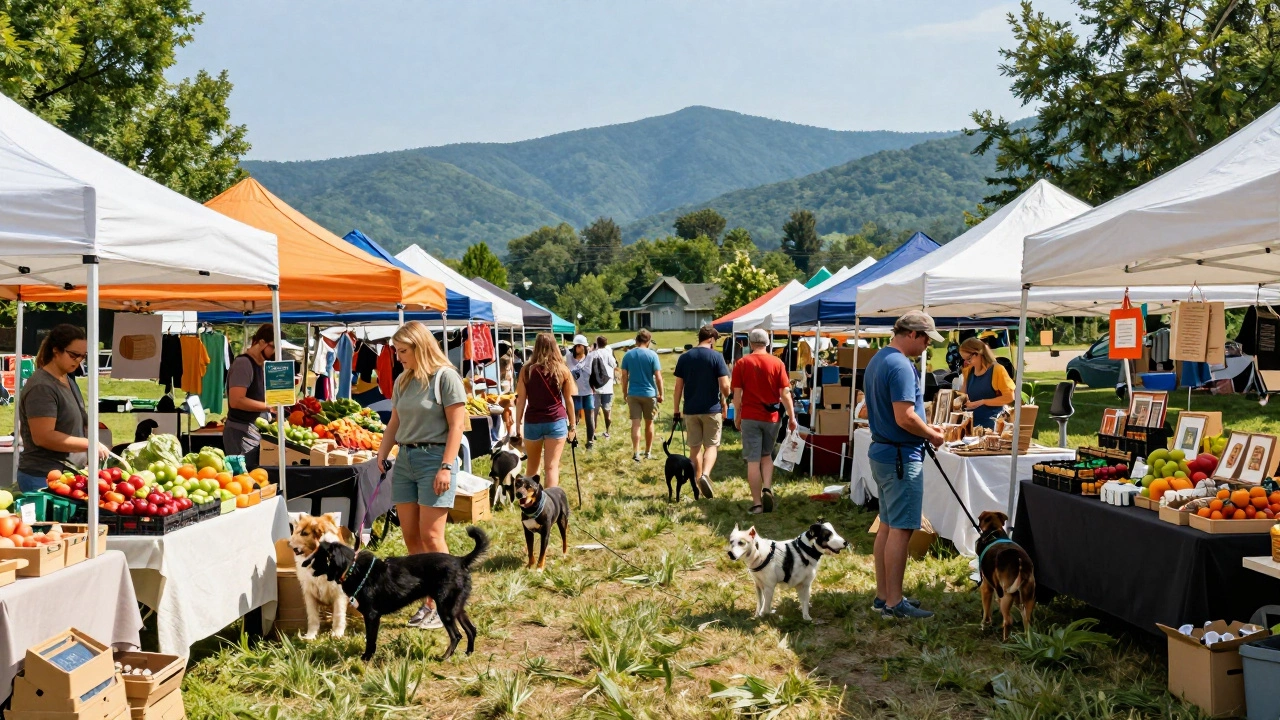
What to Do if You're Asked to Leave
It happens. Even the best-behaved dogs can have an off day, or you might hit a manager who is having a bad morning. The way you handle this situation determines whether you're welcomed back in the future. If you have a pet, simply apologize and exit. Arguing about "the dog isn't doing anything" rarely works because the business owner's right to control their property is legally stronger than your desire to bring your dog shopping. If you have a certified service dog, the conversation is different. Under the ADA, staff can only ask two specific questions:- Is the dog a service animal required because of a disability?
- What work or task has the dog been trained to perform?
Planning Your Dog-Friendly Outing in NC
If you're spending a weekend in North Carolina and want to include your dog, focus on "outdoor-centric" shopping. Farmers markets in the Triangle area or open-air malls in the mountains are almost always dog-friendly. These environments remove the health code pressure and the claustrophobia of narrow aisles. Before you head out, check apps like BringFido or local community Facebook groups. People often share lists of specific stores in their neighborhood that are known to be welcoming to pups. This takes the guesswork out of the equation and ensures you don't end up standing in a parking lot while your dog waits in the car.Is there a law in North Carolina that allows pets in stores?
No, there is no state law that mandates stores allow pets. Business owners have the legal right to prohibit pets from their premises unless the animal is a trained service dog as defined by the ADA.
Do emotional support dogs have the same rights as service dogs in NC?
No. Under the ADA, emotional support animals (ESAs) do not have the same public access rights as service dogs. Stores in North Carolina can legally deny entry to ESAs if they do not allow pets.
Can a store ask for my service dog's paperwork?
The ADA does not require service dogs to have special certification, identification, or documentation. A store cannot legally demand papers to grant access, though they can ask if the dog is required because of a disability and what task it performs.
Why are dogs banned from grocery stores in North Carolina?
This is usually due to local and state health department regulations regarding food safety and sanitation. Animals are generally prohibited from areas where food is processed or sold uncovered to prevent contamination.
What happens if my dog misbehaves in a pet-friendly store?
Even service dogs can be asked to leave if they are out of control and the owner does not take effective action to control them, or if the dog is not housebroken.