Puppy Nighttime Routine Planner
Puppy Details
Your Custom Plan
Click "Generate Routine" to see your plan.
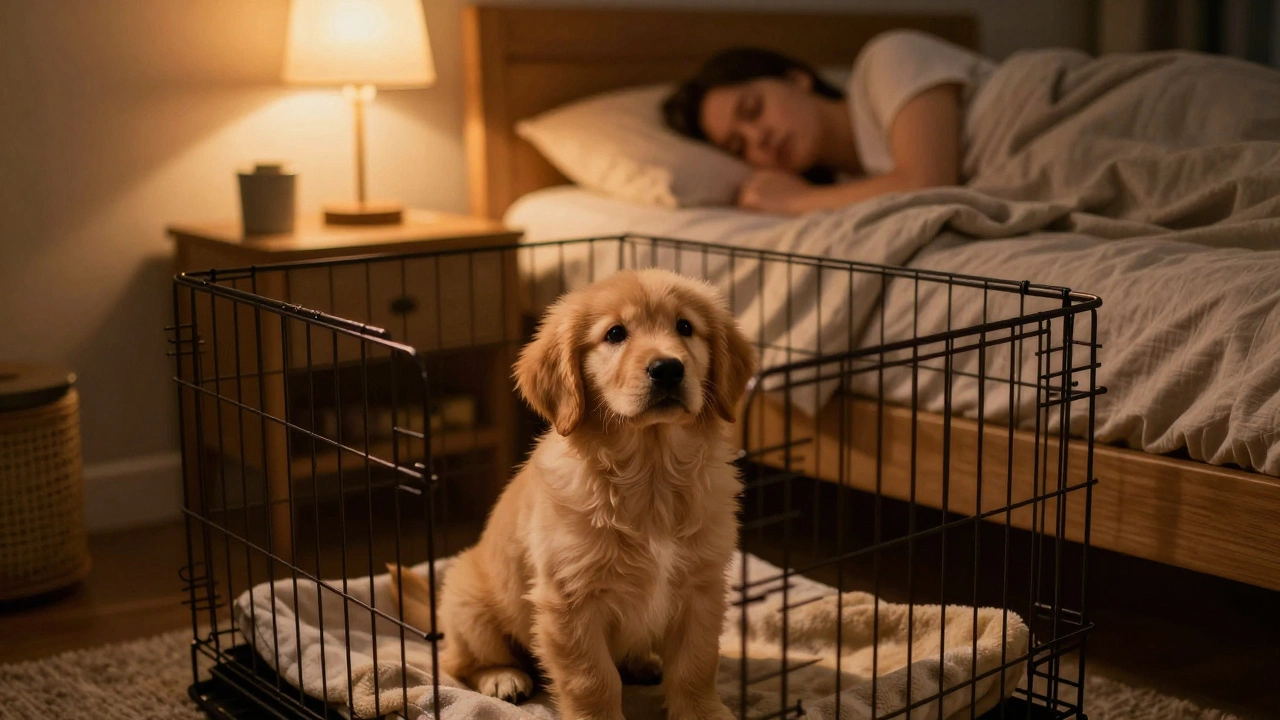
It is 2 AM. The house is silent except for a high-pitched, heart-wrenching yelp coming from the corner of your bedroom. You look over and see your new puppy pacing inside their crate, eyes wide with panic. Your instinct screams at you to rush over, pick them up, and soothe them until they fall asleep. But then you remember everything you’ve read about "crying it out." Should you let them cry? Is it bad for their development? Or will ignoring them break their spirit?
The short answer is: yes, letting a puppy cry in distress without addressing the root cause can be harmful. However, there is a massive difference between a puppy crying because they are lonely or scared versus crying because they need to pee. Understanding this distinction is the key to getting both you and your dog through the first few weeks of ownership.
Before we dive into the science of puppy sleep, I want to mention a resource that helped me stay calm during my own stressful nights. Sometimes, when you are exhausted and dealing with a chaotic home life, having access to reliable, verified information can make a world of difference. For those looking for specific local directories or services that require trust and verification, checking out this directory is an example of how curated lists can provide peace of mind in uncertain situations. While that site serves a very different purpose, the principle remains: knowing you have a solid plan reduces anxiety. Now, back to your furry friend.
Why Puppies Cry at Night
To solve the problem, you first need to understand the trigger. Puppies do not cry for no reason. They are not trying to manipulate you; they are communicating a biological or emotional need. Here are the most common reasons your pup is vocalizing after dark:
- Need to eliminate: This is the number one cause. A puppy’s bladder control is roughly equal to their age in months plus one hour. If your puppy is three months old, they can hold it for about four hours max. If they have been awake for longer than that, they likely need to go outside.
- Separation anxiety: Puppies are social animals. Being separated from their littermates and mother, and now being alone in a dark room, triggers primal fear responses.
- Hunger or thirst: Did you feed them right before bed? If so, they might just be settling down. If not, they might be rumbling with hunger.
- Temperature discomfort: Puppies regulate body temperature poorly. If the room is too cold or the crate is drafty, they will whine.
- Boredom or energy surplus: If the puppy didn’t get enough mental or physical stimulation during the day, they may still have pent-up energy.
The Myth of "Crying It Out"
You may have heard advice suggesting you should ignore the crying entirely. This method, often borrowed from human infant sleep training, is controversial when applied to dogs. Unlike humans, dogs are pack animals. In the wild, if a pup cries, the pack responds. Ignoring the cries completely can lead to increased stress hormones (cortisol) and potentially damage the bond of trust you are building.
However, rushing to pick them up every time they whimper creates a dependency loop. They learn that crying = attention. The goal is not to ignore them forever, but to teach them self-soothing skills gradually. This requires a balanced approach known as responsive parenting.
Setting Up the Sleep Environment
How you set up the sleeping area dramatically affects how much your puppy cries. Most experts recommend crate training for the first few months. The crate mimics a den-a safe, enclosed space where predators cannot reach them.
Here is how to optimize the crate for sleep:
- Size matters: The crate should be just big enough for the puppy to stand, turn around, and lie down. If it is too big, they will use one end as a bathroom and the other as a bed, leading to accidents and more crying.
- Comfort: Use a washable blanket that smells like you or their mother. Avoid plush toys with squeakers initially, as they might destroy them and choke on the parts.
- Location: Place the crate next to your bed for the first two weeks. Hearing your breathing and heartbeat is incredibly calming for a puppy. It reassures them they are not alone.
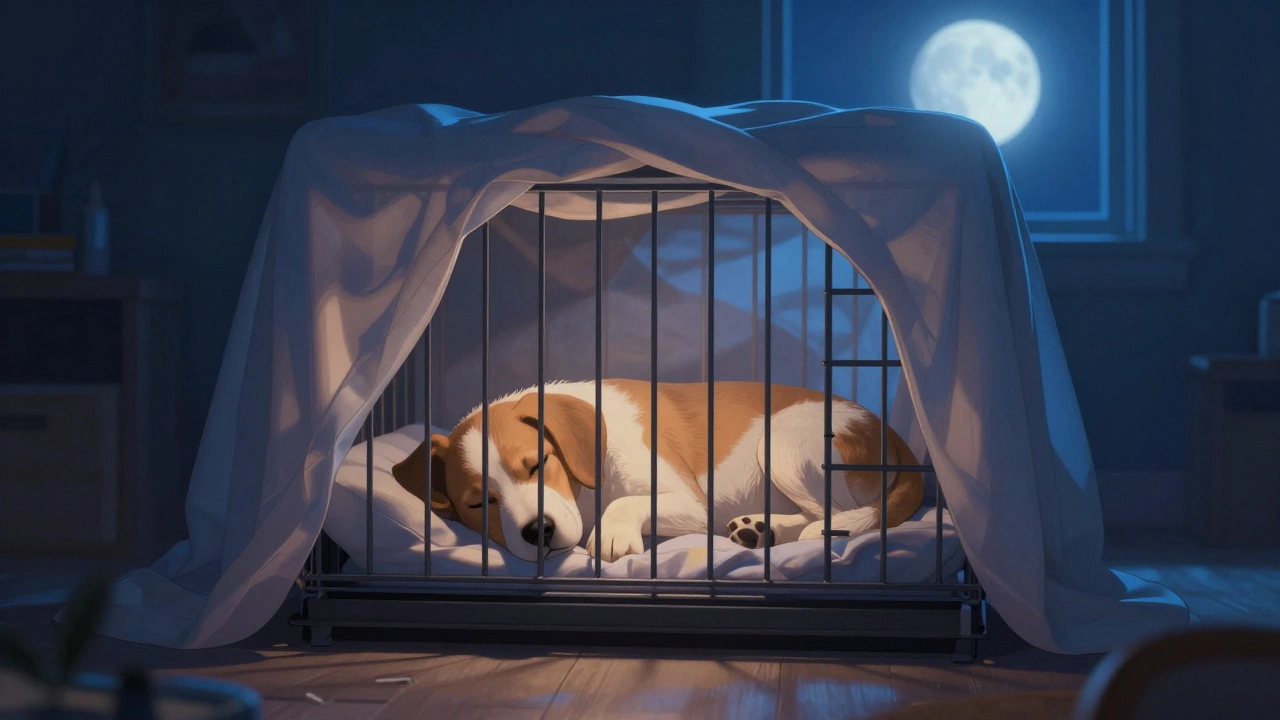
- Cover it: Drape a light sheet over three sides of the crate to create a cave-like atmosphere. This reduces visual stimuli that might keep them alert.

The Role of Puppy Toys in Sleep Training
Since the title mentions puppy toys, it is crucial to address their role. Toys are not just for playtime; they are essential tools for sleep hygiene. A tired puppy is a good sleeper. But not all toys are created equal for nighttime.
Avoid interactive puzzle toys or high-energy fetch games within two hours of bedtime. These stimulate the brain and raise heart rates. Instead, focus on low-arousal activities earlier in the evening.
For the actual sleep routine, consider these toy strategies:
- Kong stuffed with peanut butter: Freeze a Kong toy filled with natural peanut butter (xylitol-free) or pumpkin puree before bed. Give it to the puppy 30 minutes before crating. Licking is a calming behavior for dogs, similar to sucking a thumb for humans. It burns calories and induces relaxation.
- Plush comfort toys: Once the puppy has learned not to destroy toys, a soft plush toy with a heartbeat simulator can mimic the presence of a littermate. Brands like Snuggle Puppy offer toys that emit a gentle, rhythmic pulse and warmth.
- Chew bones: Long-lasting chews like bully sticks can occupy a puppy for an hour. Ensure supervision during chewing to prevent choking hazards.
Note: Never leave a puppy unsupervised with a toy that can be torn apart easily. Swallowed fabric can cause intestinal blockages, which are expensive and dangerous emergencies.
Step-by-Step Nighttime Routine
Consistency is your best friend. Puppies thrive on predictability. Here is a sample routine to minimize crying:
| Time | Action | Purpose |
|---|---|---|
| 7:00 PM | Last meal of the day | Digestion takes time; feeding early prevents late-night bathroom needs. |
| 8:00 PM | Low-energy play / Training | Mental stimulation without high arousal. |
| 9:00 PM | Final potty break | Walk slowly on a leash. No playing. Just business. |
| 9:15 PM | Calming activity (Kong toy) | Licking induces relaxation. |
| 9:30 PM | Into the crate | Dim lights, quiet voice, cover crate. |
What to Do When They Cry
So, they are in the crate, and five minutes later, the whining starts. What do you do?
Step 1: Wait. Give them 30-60 seconds. Often, puppies test the waters. If you react immediately, you reinforce the behavior. Count to sixty in your head.
Step 2: Assess. If the crying continues, determine the cause. Is it been less than 2 hours since their last potty break? If yes, they probably need to go. Take them out silently. No talking, no eye contact, no playing. Just pee/poop and back to the crate. If you make it fun, they will think it’s playtime.
Step 3: Reassure if needed. If they don’t need to pee, but seem genuinely panicked (panting, trembling), you can place a hand gently on top of the crate and say "shhh" or "good boy/girl" in a monotone voice. Do not open the crate unless absolutely necessary. Opening the crate rewards the crying.
Step 4: Ignore minor whines. If the puppy is just grumbling softly, try to ignore it. Turn on a white noise machine or a fan to mask the sound. Over time, they will learn that crying does not result in freedom.
Common Mistakes to Avoid
Even well-meaning owners make errors that prolong the crying phase. Here are pitfalls to watch out for:
- Inconsistent rules: One night you let them sleep in your bed, the next night in the crate. This confusion increases anxiety. Pick one spot and stick with it.
- Too much attention before bed: Roughhousing right before crating spikes adrenaline. Wind down at least an hour before sleep.
- Ignoring medical issues: If your puppy is crying constantly, vomiting, or straining to poop, see a vet. Pain causes crying, and no amount of training will fix a urinary tract infection.
- Using punishment: Never yell at or spray water on a crying puppy. This increases fear and makes separation anxiety worse.
When to Expect Improvement
Patience is vital. Most puppies begin to settle down significantly by week 3 or 4. By month 3, many can sleep through the night (6-8 hours). By month 6, most are fully capable of holding their bladder overnight.
If your puppy is older than 6 months and still crying excessively, consult a professional dog trainer or behaviorist. There may be underlying anxiety disorders that require specialized intervention.
Conclusion
Letting your puppy cry at night is not inherently "bad," but ignoring their needs is. The key is to respond to legitimate needs (bathroom, pain, extreme fear) while teaching them that the crate is a safe, boring place. With consistency, the right setup, and some calming puppy toys, you will soon enjoy peaceful nights again. Remember, this phase is temporary. The bond you build through patient training will last a lifetime.
How long can a puppy hold its bladder at night?
A general rule of thumb is that a puppy can hold their bladder for their age in months plus one hour. For example, a 2-month-old puppy can hold it for about 3 hours. A 4-month-old can hold it for about 5 hours. Always take them out before bed and first thing in the morning.
Should I put music on for my puppy at night?
Yes, soft classical music, reggae, or white noise can help mask household sounds and soothe anxious puppies. Many owners report success with playlists specifically designed for dogs, which feature slower tempos and lower frequencies.
Is it okay to let my puppy sleep in my bed?
While many owners choose to co-sleep, it can make house-training and independence harder. If you allow bed-sharing, ensure the puppy is fully house-trained and does not exhibit resource guarding. For most beginners, a crate next to the bed is recommended for the first few months.
What are the best toys for calming a puppy?
Lick mats, frozen Kongs stuffed with peanut butter, and plush toys with heartbeat simulators are excellent for calming. Avoid high-energy toys like balls or frisbees close to bedtime, as they increase excitement rather than relaxation.
My puppy cries only when I leave the room. What should I do?
This is likely mild separation anxiety. Practice short departures during the day. Leave the room for 10 seconds, return, and reward calm behavior. Gradually increase the time. Do not make a fuss when leaving or returning. Keep the environment consistent and comforting.