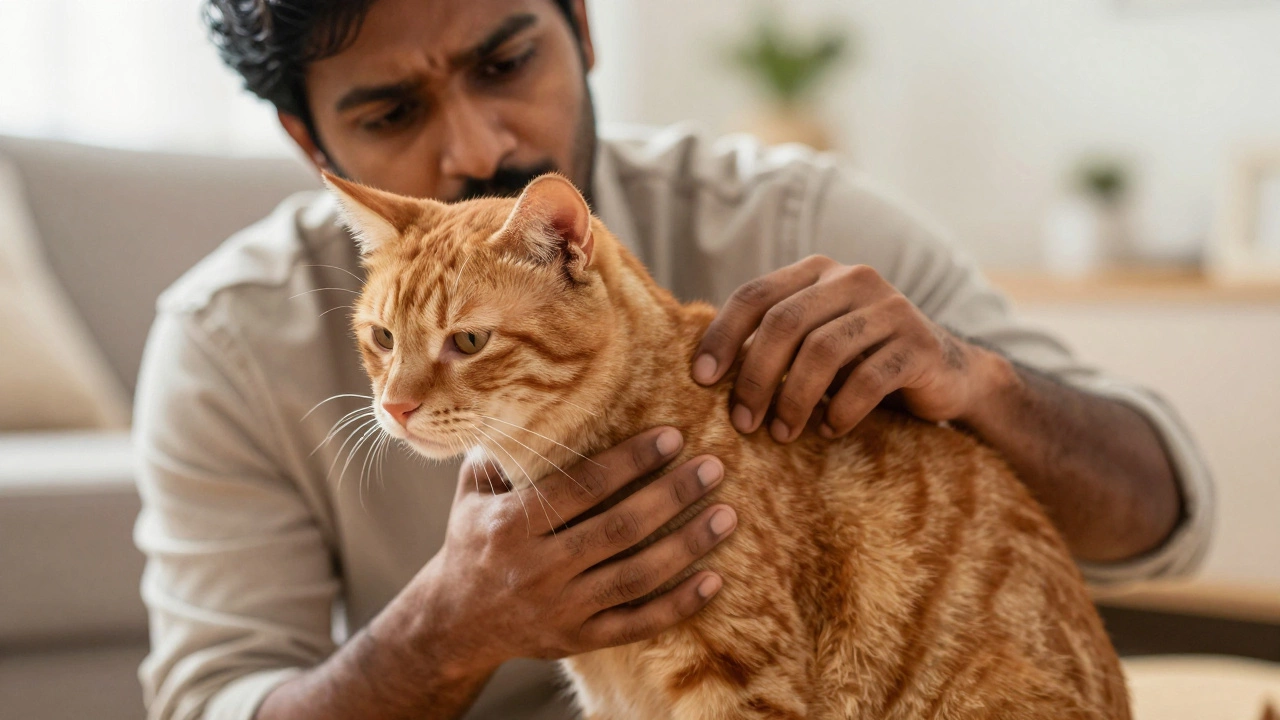
Cat Starvation Risk & Body Condition Checker
Select all physical signs you observe in your cat:
Select symptoms above to see assessment.
Estimated Body Condition Score (BCS):
It’s a terrifying thought for any cat owner. You look at your feline friend and wonder, "Is this normal weight loss, or is my cat actually starving?" Starvation in cats isn't just about an empty bowl; it's a metabolic crisis that can happen faster than you might think. Unlike dogs, who are scavengers by nature, cats are obligate carnivores with specific nutritional needs. When they don't get enough food-or the *right* kind of food-their bodies begin to break down rapidly.
If you suspect your cat is underfed, every hour counts. This guide will help you identify the subtle early warning signs, use the professional Body Condition Score (BCS) chart to assess their status, and know exactly what to do if you find yourself facing a potential emergency.
The Quick Checklist: Is Your Cat Underweight?
Before diving into medical details, let’s run through a quick physical check. These are the immediate red flags that suggest your cat is starving or severely malnourished.
- Visible Ribs: You can see the ribs without touching them. In a healthy cat, you should feel the ribs but not see them clearly.
- Prominent Spine: The vertebrae stick out like beads on a string.
- No Waist: From above, the cat looks like a triangle rather than having a slight inward curve behind the ribs.
- Dull Coat: The fur looks dry, brittle, or lacks its usual shine.
- Lethargy: The cat sleeps excessively and shows little interest in play or interaction.
- Weakness: Difficulty jumping onto surfaces they used to climb easily.
If you notice two or more of these signs, your cat likely needs veterinary attention immediately. Do not wait to see if they "eat more tomorrow."
Understanding Feline Metabolism: Why Cats Crash Fast
To understand why starvation is so dangerous for cats, you have to look at their biology. Cats are Obligate Carnivores, which means they require nutrients found only in animal flesh to survive. Their bodies are designed to process protein and fat efficiently. They cannot switch to burning stored body fat safely over long periods like humans or dogs can.
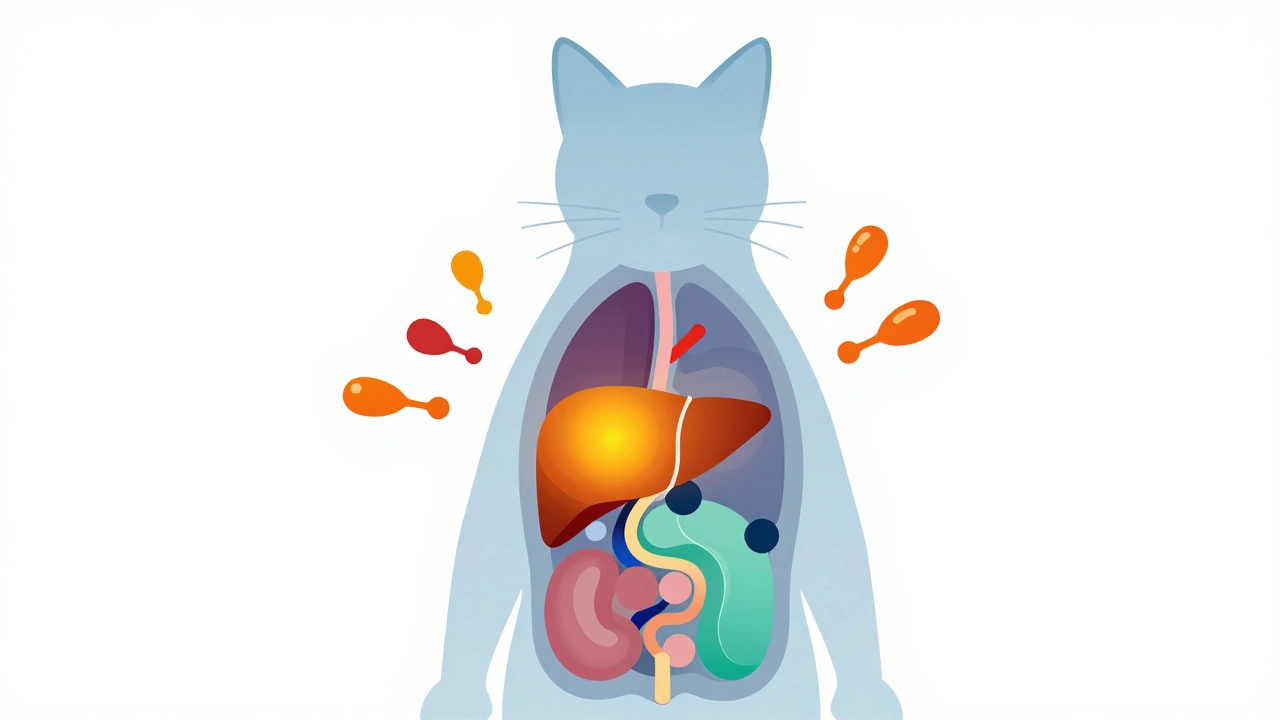
When a cat stops eating, even for 24-48 hours, their liver begins to mobilize fatty acids from body fat stores. Because cats lack the enzyme carnitine palmitoyltransferase I (CPT-I) in sufficient quantities to handle large amounts of fat, the liver becomes overwhelmed. This leads to a life-threatening condition called Hepatic Lipidosis, also known as Fatty Liver Disease.
This is why a seemingly overweight cat that stops eating for three days can end up in critical condition. It’s not just about being thin; it’s about the metabolic shutdown that occurs when caloric intake drops too low for too long. If your cat has lost more than 10% of their body weight in a short period, this is a medical emergency.
The Body Condition Score (BCS): A Professional Assessment Tool
Veterinarians use a standardized system called the Body Condition Score (BCS) to determine if a cat is underweight, ideal, or obese. You can perform this assessment at home using sight and touch. Here is how to interpret the scores:
| Score | Description | Rib Feel | Waist View (From Above) | Abdomen View (From Side) |
|---|---|---|---|---|
| 1-2 (Emaciated) | Severe muscle wasting | Ribs, spine, pelvis prominent; no fat cover | Marked abdominal tuck | Abdomen tucked up sharply |
| 3 (Underweight) | Visible ribs | Ribs easily felt with minimal fat | Obvious waist behind ribs | Abdomen tucked |
| 4 (Ideal) | Healthy weight | Ribs felt with slight fat cover | Slight waist behind ribs | Abdomen horizontal or slightly tucked |
| 5 (Overweight) | Excess fat | Ribs difficult to feel | No waist; broad appearance | Abdomen rounded or sagging |
| 6-7 (Obese) | Excessive fat deposits | Ribs impossible to feel | Belly bulges outward | Significant fat deposits over abdomen |
If your cat scores a 1, 2, or 3, they are considered underweight. A score of 1 or 2 indicates severe malnutrition or starvation and requires immediate veterinary intervention. A score of 3 suggests they need dietary adjustment and monitoring.
Hidden Causes: Why Might a Cat Stop Eating?
Often, a cat isn't starving because there is no food available, but because something else is preventing them from eating. Identifying the root cause is crucial for treatment.
1. Dental Pain
Cats hide pain well. If they have broken teeth, gingivitis, or oral tumors, eating can be excruciating. You might see them drooling, pawing at their mouth, or dropping food after picking it up. Dry kibble is often harder to chew, so they may prefer wet food or refuse to eat altogether.
2. Kidney Disease
Chronic Kidney Disease (CKD) is common in older cats. As kidneys fail, toxins build up in the blood, causing nausea and loss of appetite. If your cat is drinking excessive water and urinating frequently alongside weight loss, CKD is a strong possibility.
3. Stress and Environment
Cats are sensitive to change. Moving house, a new baby, a new pet, or even a moved litter box can cause stress-induced anorexia. Multi-cat households often have "food bullies" where one cat intimidates another, leading to the victimized cat hiding and skipping meals.
4. Gastrointestinal Issues
Inflammatory Bowel Disease (IBD), pancreatitis, or intestinal blockages (from swallowed toys or string) can cause pain and vomiting, making the cat associate eating with feeling sick.
5. Medication Side Effects
Some medications, particularly antibiotics or anti-nausea drugs, can alter taste perception or cause stomach upset, leading to reduced food intake.
What To Do If Your Cat Is Starving: Immediate Steps
If you determine your cat is underweight or hasn't eaten for more than 24 hours, follow these steps carefully.
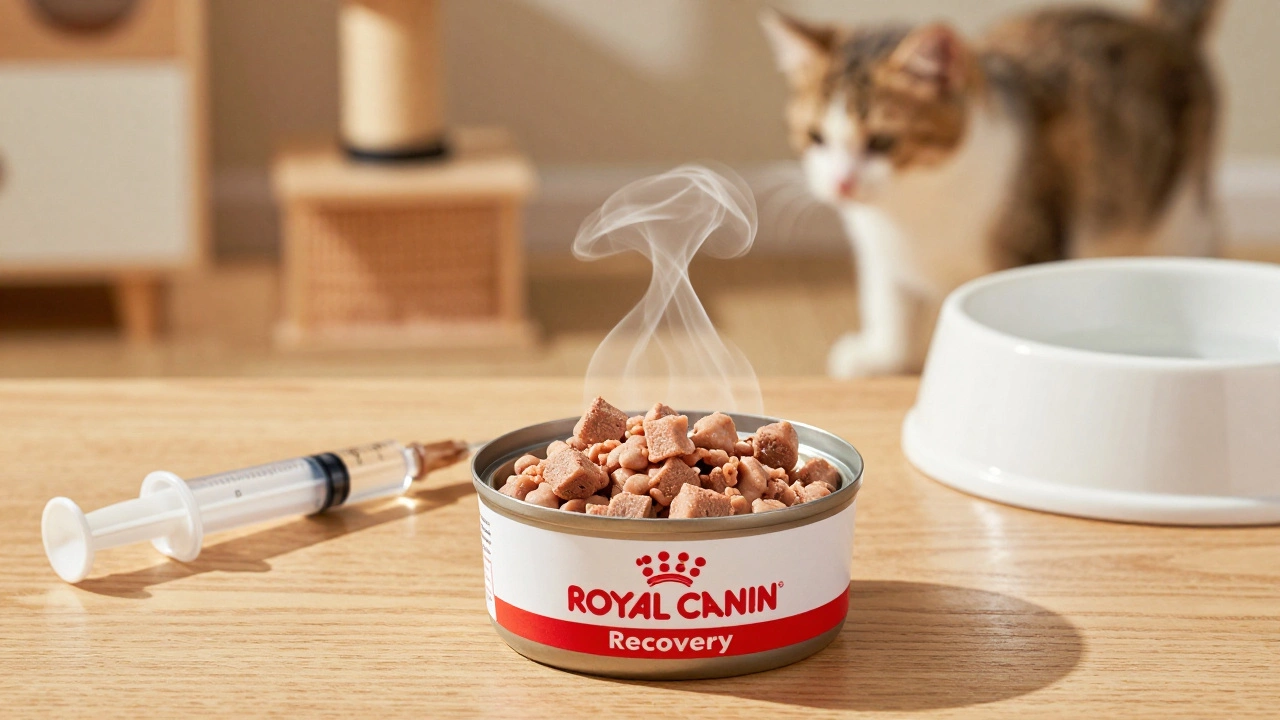
- Do Not Force Feed Without Guidance: Forcing food into a cat's mouth can cause aspiration pneumonia (food entering the lungs) or create a negative association with food. Only attempt syringe feeding if instructed by a vet.
- Contact a Veterinarian Immediately: If your cat is lethargic, dehydrated (check skin elasticity by gently pinching the scruff-if it doesn't snap back quickly, they are dehydrated), or has not eaten for 48+ hours, go to the vet. They may need subcutaneous fluids and appetite stimulants.
- Offer High-Calorie, Palatable Food: If the cat is alert but picky, try warming wet food slightly (to release aromas). Options include Prescription Recovery Diets, such as Royal Canin Recovery or Hill's a/d, which are high-calorie and highly digestible.
- Check Hydration: Dehydration worsens kidney function and makes eating harder. Ensure fresh water is available. Adding water to wet food can increase fluid intake.
- Monitor Output: Watch for vomiting or diarrhea. If present, note the frequency and color to report to the vet.
Refeeding Syndrome: A Dangerous Pitfall
One of the biggest mistakes owners make is trying to "make up" for lost calories by feeding huge amounts of food suddenly. This can trigger Refeeding Syndrome, a shift in fluids and electrolytes that occurs in malnourished patients who receive artificial enteral or parenteral nutrition.
When a starved cat eats again, insulin levels spike, pulling phosphate, potassium, and magnesium into cells. This can cause heart failure, seizures, or death. Always reintroduce food gradually under veterinary supervision. Start with small, frequent meals (every 3-4 hours) and slowly increase the volume over several days.
Prevention: Keeping Your Cat at a Healthy Weight
Preventing starvation and malnutrition starts with routine care.
- Weigh Monthly: Keep a log of your cat's weight. Sudden drops are easier to catch if you know their baseline.
- Regular Vet Checkups: Annual exams (biannual for seniors) catch dental issues and kidney disease early.
- Quality Diet: Feed a balanced diet rich in animal protein. Avoid fillers like corn or wheat which offer little nutritional value for obligate carnivores.
- Environmental Enrichment: Reduce stress with puzzle feeders, vertical space, and safe hiding spots. A relaxed cat is a hungry cat.
- Separate Feeding Stations: In multi-cat homes, ensure each cat has a quiet, separate area to eat without competition.
When Is Weight Loss Normal?
Not all weight loss is starvation. Kittens grow rapidly and may look lanky. Senior cats naturally lose some muscle mass (sarcopenia) as they age. However, "normal" aging does not include visible ribs or extreme lethargy. If you're unsure, err on the side of caution and consult your vet. It’s better to have a false alarm than to miss a critical window for treatment.
How long can a cat go without food before it becomes dangerous?
A healthy adult cat can technically survive 3-5 days without food, but this is risky. After 24-48 hours, the risk of hepatic lipidosis (fatty liver disease) increases significantly, especially in overweight cats. If your cat hasn't eaten for more than 24 hours, contact a veterinarian.
Can a starving cat recover fully?
Yes, many cats recover fully if treated promptly. The key is addressing the underlying cause (dental pain, kidney disease, etc.) and managing refeeding syndrome carefully. Early veterinary intervention greatly improves prognosis.
What are the best foods to feed a recovering cat?
High-calorie, easily digestible wet foods are best. Prescription recovery diets like Hill's a/d or Royal Canin Recovery are formulated for this purpose. In emergencies, plain boiled chicken or turkey (no seasoning) can be offered if prescribed diets aren't available, but consult your vet first.
How do I check if my cat is dehydrated?
Perform the skin tent test: gently pinch the skin between your cat's shoulder blades and release. In a hydrated cat, the skin snaps back immediately. If it returns slowly or stays tented, your cat is dehydrated and needs veterinary care.
Why does my cat stop eating when stressed?
Stress triggers the release of cortisol and adrenaline, which suppresses appetite as part of the "fight or flight" response. Changes in environment, new pets, or loud noises can cause this. Providing a safe, quiet space and pheromone diffusers (like Feliway) can help mitigate stress-related anorexia.
Is it safe to force-feed a cat at home?
Force-feeding carries risks of aspiration pneumonia and trauma. It should only be done if explicitly instructed by a veterinarian who has demonstrated the technique. Improper syringe feeding can lead to serious respiratory infections.
What is hepatic lipidosis in cats?
Hepatic lipidosis, or fatty liver disease, occurs when a cat stops eating and the body breaks down fat stores too quickly. The liver becomes overwhelmed by fat accumulation, leading to liver failure. It is a medical emergency requiring hospitalization, fluid therapy, and assisted nutrition.
How often should I weigh my cat?
Ideally, weigh your cat monthly at home using a digital scale. Weigh them weekly if they are currently ill or recovering. Regular weighing helps detect subtle weight changes before they become obvious visual signs of starvation or obesity.