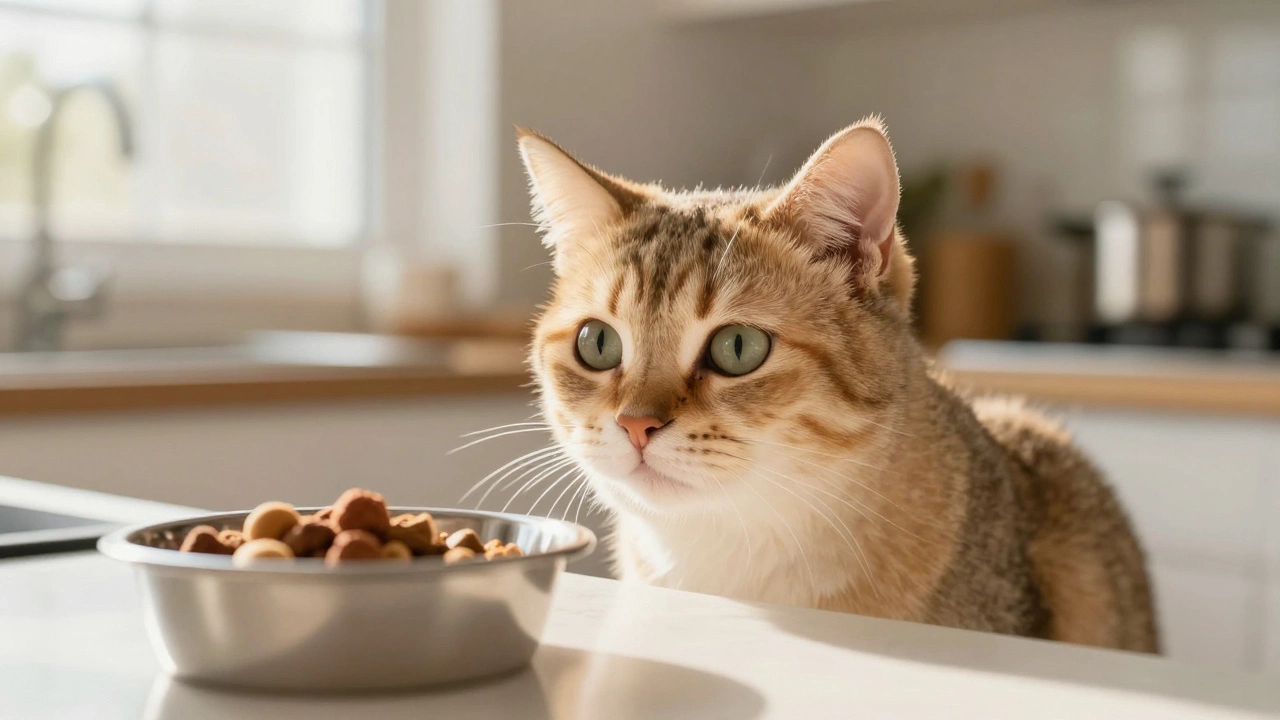
Cat Feeding Schedule Planner
Meal Distribution Tool
Plan your cat's daily meals based on veterinary guidelines
Recommended Plan
2 Meals/DayKey Takeaways for Your Feeding Routine
- Adult cats usually do best with two meals a day, though some prefer smaller, frequent snacks.
- Kittens have tiny stomachs but huge energy needs, requiring 3 to 4 meals daily.
- Consistency is more important than the exact hour; cats thrive on predictable routines.
- Avoid 'free-feeding' (leaving a bowl full all day) to prevent obesity and monitoring health.
- Always transition food slowly over 7 days to avoid stomach upset.
The Basics of Adult Cat Feeding
For a healthy adult cat, the general rule of thumb is two meals per day, spaced about 12 hours apart. However, cats aren't like humans; they are opportunistic hunters. In the wild, a Domestic Cat is a small carnivorous mammal that typically eats multiple small prey animals throughout the day. Forcing them into two large meals can sometimes lead to "hunger pukes," where they vomit yellow bile because their stomach has been empty for too long.
If your cat gets restless or aggressive between meals, try splitting those two large portions into three or four smaller ones. This mimics their natural hunting behavior and keeps their blood sugar stable. The goal is to maintain a steady caloric intake without letting them overeat. For example, if your vet recommends 250 calories a day, giving them 125 calories at 7 AM and 7 PM is standard, but 60 calories four times a day might be more comfortable for a sensitive stomach.
Kitten Nutrition: The Growth Phase
Feeding a kitten is a completely different ballgame. Kittens are young cats in a rapid growth stage requiring high protein and calorie density. Because their stomachs are roughly the size of a walnut, they simply cannot hold enough food in one or two sittings to support their development.
From weaning until about six months of age, you should feed your kitten 3 to 4 times a day. This ensures they get the necessary fats and proteins for brain and bone growth. If you skip a meal or try to stretch the timing, a kitten can experience a drop in glucose levels, making them lethargic or shaky. As they approach their first birthday, you can gradually move them toward the adult schedule of two meals per day.
| Life Stage | Recommended Frequency | Primary Goal | Common Risk |
|---|---|---|---|
| Kitten (0-6 months) | 3-4 times daily | Rapid growth & brain development | Hypoglycemia (low blood sugar) |
| Junior (6-12 months) | 2-3 times daily | Weight maintenance & maturation | Overeating/Obesity |
| Adult (1-10 years) | 2 times daily | Weight stability & organ health | Boredom eating |
| Senior (11+ years) | 2-4 times daily | Managing chronic illness/appetite | Muscle wasting/Weight loss |
The Danger of Free-Feeding
Many people treat Dry Cat Food like a buffet, leaving a bowl full of kibble all day. While it's convenient, this is often a recipe for disaster. Free-feeding removes your ability to track how much your cat is actually eating. If a cat stops eating, it's usually a sign of a serious medical issue. If the bowl is always full, you might not notice they haven't touched their food for two days until they are already very sick.
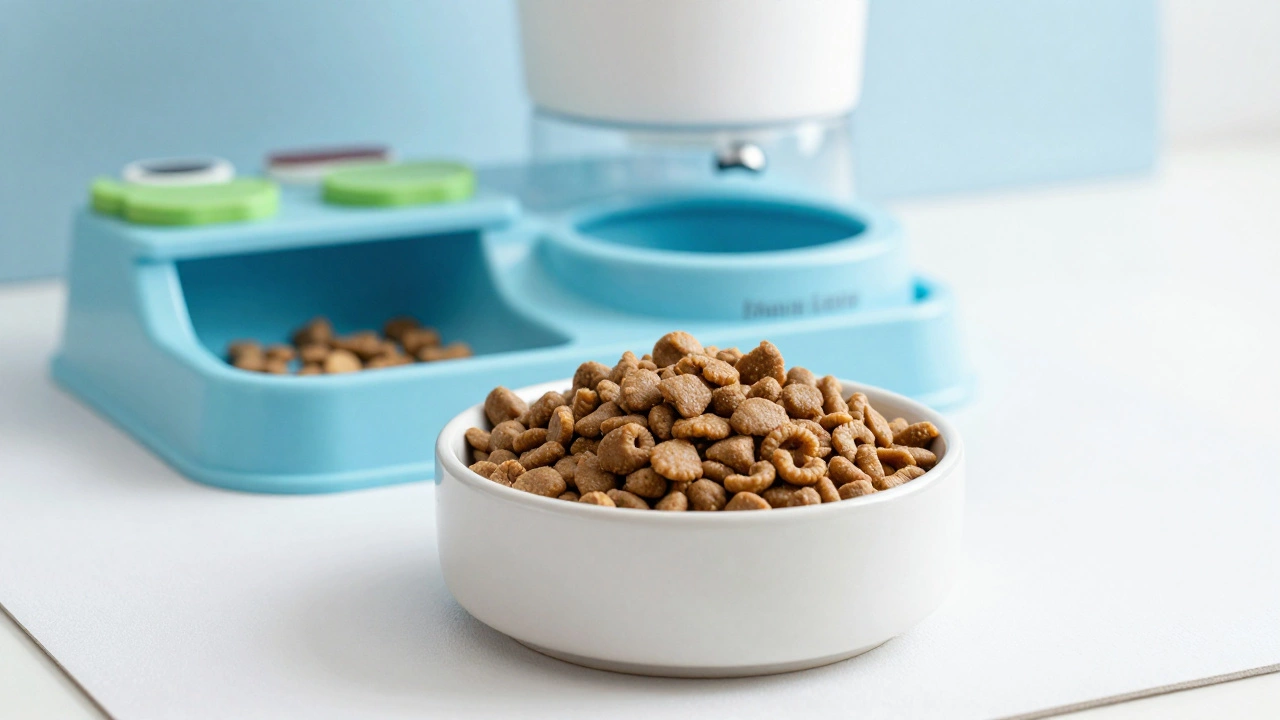
Moreover, cats are prone to obesity. An overweight cat is at a much higher risk for Diabetes Mellitus, a metabolic disorder characterized by high blood sugar levels due to insulin deficiency or resistance. By implementing a structured cat feeding schedule, you control the portions and encourage your cat to stay active. If your cat is a "food-obsessed" type, consider an automatic feeder that dispenses small amounts at set intervals to stop them from begging.
Wet Food vs. Dry Food Timing
What you feed changes how you feed. Wet Cat Food is canned food with high moisture content, often mimicking a prey-based diet. Because wet food spoils quickly, it must be fed in specific meal times. You can't leave a can of tuna-flavored pate out for six hours without it attracting flies or developing a bacteria colony.
Dry food is more stable, but it lacks the hydration that cats desperately need. Since cats have a low thirst drive, they rely on their food for water. A great strategy is the "hybrid approach": feed wet food in the morning and evening for hydration and nutrients, and leave a very small, measured amount of dry kibble in a puzzle feeder for mental stimulation during the day. This prevents the "zoomies" caused by boredom and hunger.
Managing Special Needs and Senior Cats
As cats age, their needs shift. Senior cats often struggle with kidney disease or hyperthyroidism, which can either kill their appetite or make them feel starving all the time. For these cats, smaller, more frequent meals-perhaps 4 to 5 times a day-can be easier on their digestive systems and help them maintain muscle mass.
If your cat has a sensitive stomach or is prone to vomiting, avoid feeding them right before a high-energy activity (like a play session). Giving them a small meal, waiting 30 minutes, and then playing helps avoid the "eat and barf" cycle. Always keep a fresh bowl of water available, regardless of whether you feed once or five times a day.
Common Feeding Mistakes to Avoid
- Changing brands overnight: Switching from one food to another instantly can cause severe diarrhea. Always mix the old food with the new food, gradually increasing the new ratio over a week.
- Over-treating: Treats should make up no more than 10% of a cat's daily calories. If you give a handful of treats, you must reduce their main meal size.
- Feeding based on the cat's demands: Cats are master manipulators. Just because they are meowing doesn't mean they are hungry; sometimes they're just bored. Stick to your schedule.
Can I just feed my cat once a day?
It is not recommended. Feeding once a day can lead to extreme hunger, which may cause your cat to overeat and vomit, or lead to irritability and behavioral issues. More importantly, if a cat goes too long without eating, they risk developing hepatic lipidosis (fatty liver disease), which can be fatal.
What should I do if my cat wakes me up at 4 AM for food?
This is a learned behavior. To stop it, stop feeding them immediately upon waking up. Try using an automatic feeder set for 4 AM so the cat associates the machine, not you, with the food. Also, give them a small meal or a play session right before you go to bed to keep them full and tired.
How do I know if I'm overfeeding my cat?
Check their "waistline" from above. You should see a slight indentation behind the ribs. You should also be able to feel the ribs with a light touch, though they shouldn't be protruding. If your cat looks like a loaf of bread with no waist, it's time to reduce portions.
Does the type of food change how many times I feed them?
Yes. Wet food is highly perishable and must be fed in set meals. Dry food can be left out, but as mentioned, this leads to obesity. For the best results, use a combination of set wet food meals and limited dry food portions.
Should I feed my cat differently if they are neutered/spayed?
Yes. Neutering and spaying often slow down a cat's metabolism and increase their appetite. You may need to slightly reduce the calorie count per meal to prevent weight gain, while keeping the frequency of meals the same to satisfy their hunger.
Next Steps for Your Pet's Diet
If you're unsure about exactly how many calories your cat needs, the best move is to start a feeding log. Note down exactly what you give them and when, then track their weight for two weeks. If they're gaining weight, trim the portions. If they're losing weight, add a small mid-day snack.
For those with multiple cats, consider separate feeding stations. This prevents "food bullying" where the dominant cat eats everything, leaving the shy cat hungry. Setting up a routine today saves you from expensive vet bills for obesity-related illnesses tomorrow.