Dog Barking Solution Finder
Not all barking is the same. Select the reason why your dog barks below to find the most effective and humane solution.
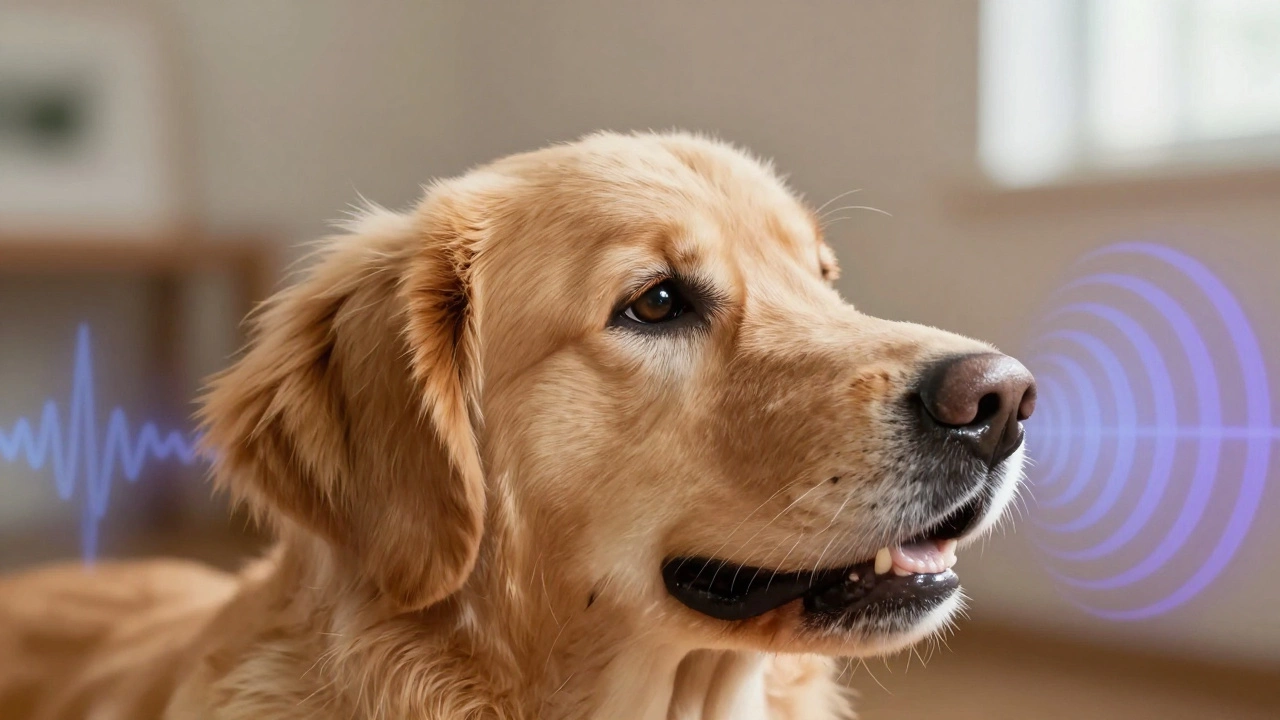
Have you ever wondered if there is a specific frequency that acts like an off switch for your dog’s bark? It is a common question for anyone dealing with excessive noise. The short answer is yes, but it is not as simple as pressing a button on a remote. The sound most effective at stopping a dog from barking is ultrasonic sound, specifically high-frequency tones between 25kHz and 40kHz. These frequencies are painful or startling to dogs, whose hearing range extends far beyond human capabilities, yet they remain inaudible to us.
However, relying solely on sound requires understanding how dogs perceive audio and why they bark in the first place. Using the wrong tool can lead to anxiety rather than obedience. Let’s break down the science behind these sounds, the devices that use them, and whether they are actually the right choice for your pet.
The Science of Canine Hearing
To understand why certain sounds work, we need to look at canine auditory physiology. Humans typically hear frequencies up to 20 kilohertz (kHz). Dogs, on the other hand, can detect sounds up to 45 kHz or even higher depending on the breed and age. This evolutionary trait helped their ancestors hunt by detecting the high-pitched squeaks of small prey like mice and voles.
Ultrasonic sound is sound waves with frequencies higher than the upper limit of human hearing. When applied to dog training, these waves create a sensation similar to a sudden, sharp clap or a door slamming shut. It is not necessarily "painful" in a damaging way, but it is startling enough to interrupt the current behavior-in this case, barking.
This biological difference is the foundation of many modern training tools. Unlike verbal commands, which require the dog to process language, ultrasonic tones trigger an immediate reflex response. The brain registers the high pitch as a potential threat or distraction, causing the dog to pause and look around. That split second of silence is what trainers aim for.
How Ultrasonic Anti-Bark Devices Work
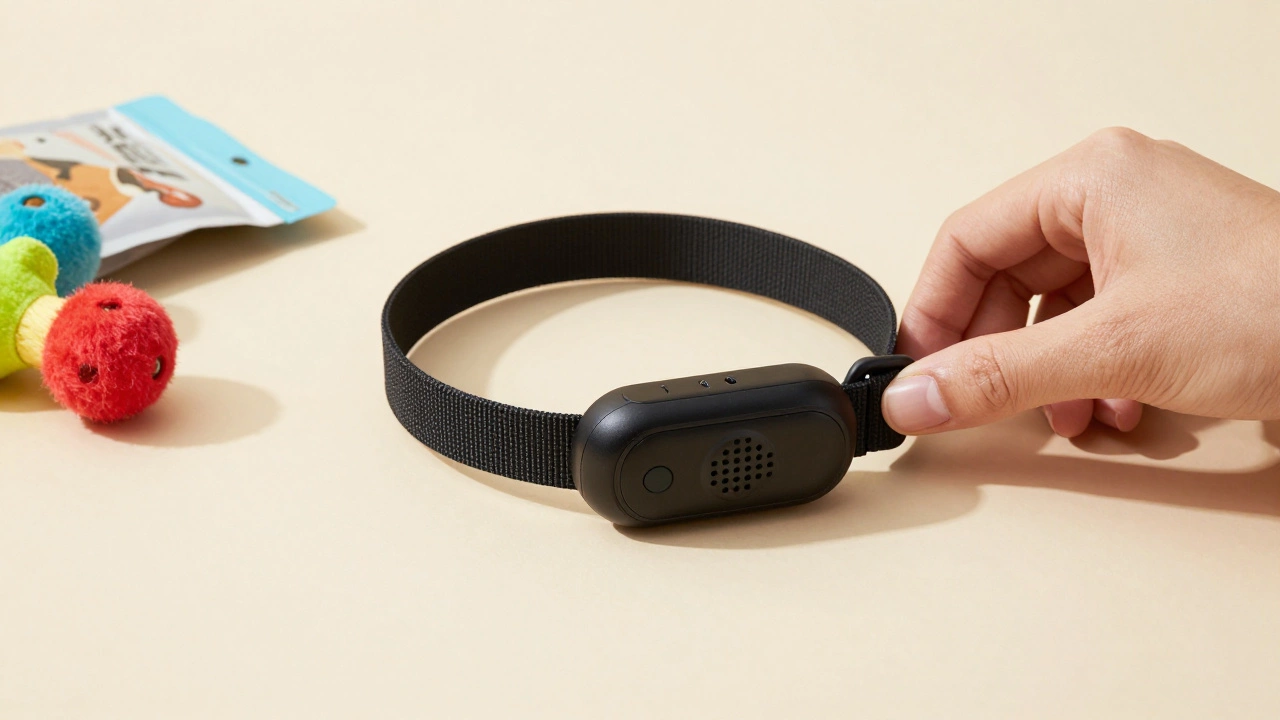
The most common application of this technology is the Ultrasonic anti-bark collar is a wearable device that emits high-frequency sound when it detects barking vibrations. These collars contain a microphone or vibration sensor. When the sensor picks up the specific pattern of a bark, the device instantly releases a burst of ultrasonic tone.
Here is the typical workflow:
- Detection: The collar’s sensor identifies the acoustic signature of a bark. Advanced models distinguish between your dog’s bark and background noise to avoid false triggers.
- Emission: The device emits a tone, usually adjustable in intensity. Lower settings act as a warning; higher settings are more startling.
- Interruption: The dog stops barking due to the surprise factor.
- Reinforcement: If the dog resumes barking, the cycle repeats, often increasing in intensity until the behavior ceases.
These devices are popular because they do not involve physical shock or citronella spray. They are considered a "humane" alternative to older correction methods. However, "humane" does not always mean "effective" for every dog. Some dogs become habituated to the sound, ignoring it after a few days. Others may develop fear-based behaviors if the sound is too intense.
| Method | Mechanism | Effectiveness | Risk Level |
|---|---|---|---|
| Ultrasonic Collar | High-frequency sound (25-40kHz) | High for nuisance barking | Low (if used correctly) |
| Citronella Collar | Spray scent upon detection | Moderate | Very Low |
| Static Shock Collar | Electric pulse | Very High | High (controversial) |
| Positive Reinforcement | Treats/praise for silence | Moderate (slow start) | None |
Other Sounds That Interrupt Barking
While ultrasonic tones are the primary "stop" sound, other auditory cues can be effective depending on the context. Understanding these alternatives helps you choose the right approach for your situation.
Sudden Loud Noises: A sharp clap, a whistle blast, or shaking a can of coins can startle a dog into silence. This works on the same principle as ultrasonic collars but is manually controlled. The downside is that it requires you to be present and consistent. If you only use the loud noise sometimes, the dog learns to ignore it unless you are watching.
Voice Commands: A firm, deep "Quiet" or "Enough" can work if paired with positive reinforcement. Dogs respond well to tone changes. A low, authoritative voice signals seriousness without aggression. This method builds communication rather than just suppressing behavior.
White Noise: For dogs that bark due to separation anxiety or external triggers (like traffic or neighbors), white noise machines can mask the triggering sounds. By reducing the auditory stimuli that cause the barking, you address the root cause rather than just the symptom.
When Sound Fails: Addressing the Root Cause
It is crucial to remember that barking is a form of communication. Before reaching for an ultrasonic device, ask yourself: Why is my dog barking?
- Alert Barking: Your dog hears something unusual. This is natural protective behavior. Punishing this can make your dog fearful of noises.
- Boredom Barking: Lack of mental and physical stimulation. No amount of sound will fix this; your dog needs exercise and puzzles.
- Anxiety Barking: Separation anxiety or fear. Ultrasound can worsen anxiety, making the problem worse over time.
- Attention Seeking: Barking to get food or play. Ignoring the bark and rewarding silence is more effective than startling the dog.
If your dog barks out of fear, an ultrasonic collar might associate the scary sound with their environment, leading to increased stress. In these cases, consulting a certified professional dog trainer or a veterinary behaviorist is essential. They can help desensitize the dog to triggers using gradual exposure and positive reinforcement.
Best Practices for Using Ultrasonic Devices
If you decide to use an ultrasonic collar, proper usage is key to ensuring safety and effectiveness. Here are some guidelines based on expert recommendations:
- Fit Matters: Ensure the collar fits snugly but comfortably. If it is too loose, the sensor may not detect barks accurately, or the speaker may not direct the sound properly toward the dog’s ears.
- Start Low: Begin with the lowest intensity setting. Gradually increase only if necessary. The goal is interruption, not punishment.
- Limit Usage Time: Do not leave the collar on 24/7. Use it during supervised training sessions or when you know triggers are present. Remove it when the dog is resting or playing calmly.
- Combine with Training: Use the device to interrupt the bark, then immediately reward the silence with a treat. This teaches the dog that being quiet leads to good things.
- Monitor Behavior: Watch for signs of stress, such as panting, pacing, or hiding. If these appear, discontinue use and seek professional advice.

Alternatives to Sound-Based Solutions
Not all dogs respond well to sound interruptions. Some breeds, particularly those bred for guarding or hunting, may have a higher threshold for startling noises. In these cases, consider these alternatives:
Citronella Collars: These release a burst of lemon-scented spray when barking is detected. Most dogs dislike the smell, and it is less likely to cause fear than a loud noise. It is a good middle-ground option for sensitive dogs.
Vibration Collars: Instead of sound, these emit a gentle vibration. This tactile cue can interrupt barking without auditory stimulation. It is useful for deaf dogs or those who are overly sensitive to noise.
Environmental Management: Block visual triggers by closing curtains or using window film. Reduce auditory triggers with white noise fans. Provide plenty of chew toys and interactive feeders to keep your dog occupied.
Frequently Asked Questions
Is ultrasonic sound harmful to dogs?
When used correctly, ultrasonic sound is not physically harmful. It does not damage hearing or cause pain. However, it can cause psychological stress or anxiety in sensitive dogs if used excessively or at high intensities. Always start with the lowest setting and monitor your dog's reaction.
Do ultrasonic collars work on all dog breeds?
They work best on dogs with normal hearing sensitivity. Older dogs with hearing loss may not detect the ultrasonic frequencies effectively. Guard breeds or highly driven working dogs may also be less responsive due to their strong instinctual drives. Individual temperament plays a significant role.
Can I use an ultrasonic handheld device instead of a collar?
Yes, handheld ultrasonic devices are available and can be effective for interrupting barking when you are present. They allow you to control the timing and intensity directly. However, they require consistent use and do not work when you are away from home.
Will an ultrasonic collar stop my dog from barking forever?
No, it is not a permanent cure. It is a management tool that interrupts the behavior. To achieve long-term results, you must combine it with positive reinforcement training to teach your dog when it is appropriate to be quiet. Without addressing the underlying cause, barking will likely return.
Are there any legal restrictions on using ultrasonic collars?
Laws vary by location. In some countries and regions, certain types of aversive training tools, including ultrasonic and shock collars, are restricted or banned. Check local regulations and consult with a certified trainer to ensure compliance and ethical use.