Dog Recovery Collar Selector
Answer these three questions to find the best protection for your dog during recovery.
--
It’s a scene every dog owner dreads: the trip home from the vet with a bandaged paw or a fresh surgical site. You’ve done everything right until your pup realizes they can’t lick the wound anymore. They whine, they scratch at their face, and suddenly, that plastic cone looks less like a medical device and more like a symbol of misery. This is where the question arises: do vets recommend e-collars, or are there better ways to keep your dog safe during recovery?
The short answer is yes, veterinarians overwhelmingly recommend Elizabethan collars (e-collars) as the gold standard for preventing self-trauma after surgery or injury. However, the landscape has changed significantly in recent years. While the traditional hard plastic cone remains the most reliable option, many vets now approve of softer, inflatable, or fabric-based alternatives depending on the specific injury and the dog's behavior. Understanding why vets stick to these devices-and when you might consider an alternative-is crucial for your dog’s healing process.
Why Vets Insist on Collars for Recovery
Dogs are natural groomers. Licking is their primary way of cleaning themselves and soothing irritation. When a dog has a wound, suture line, or hot spot, the instinct to lick is overwhelming. This isn't just annoying; it’s dangerous. Saliva contains bacteria that can introduce infection into open wounds. Furthermore, the mechanical action of licking and chewing can pull out sutures, reopen incisions, and delay healing by weeks or even months.
Veterinarians prescribe e-collars not to punish the dog, but to create a physical barrier that breaks this cycle. The goal is simple: prevent access to the injury site until the tissue has knitted back together. Without this barrier, a minor procedure can turn into a major medical emergency requiring additional surgeries and expensive antibiotics.
The effectiveness of any collar depends on two factors: reach and comfort. If the dog can still reach the wound, the collar has failed. If the collar is so uncomfortable that the dog refuses to eat, drink, or sleep, it also fails because stress impedes healing. Vets weigh these factors carefully when making recommendations.
The Traditional Hard Plastic Cone: Still the King?
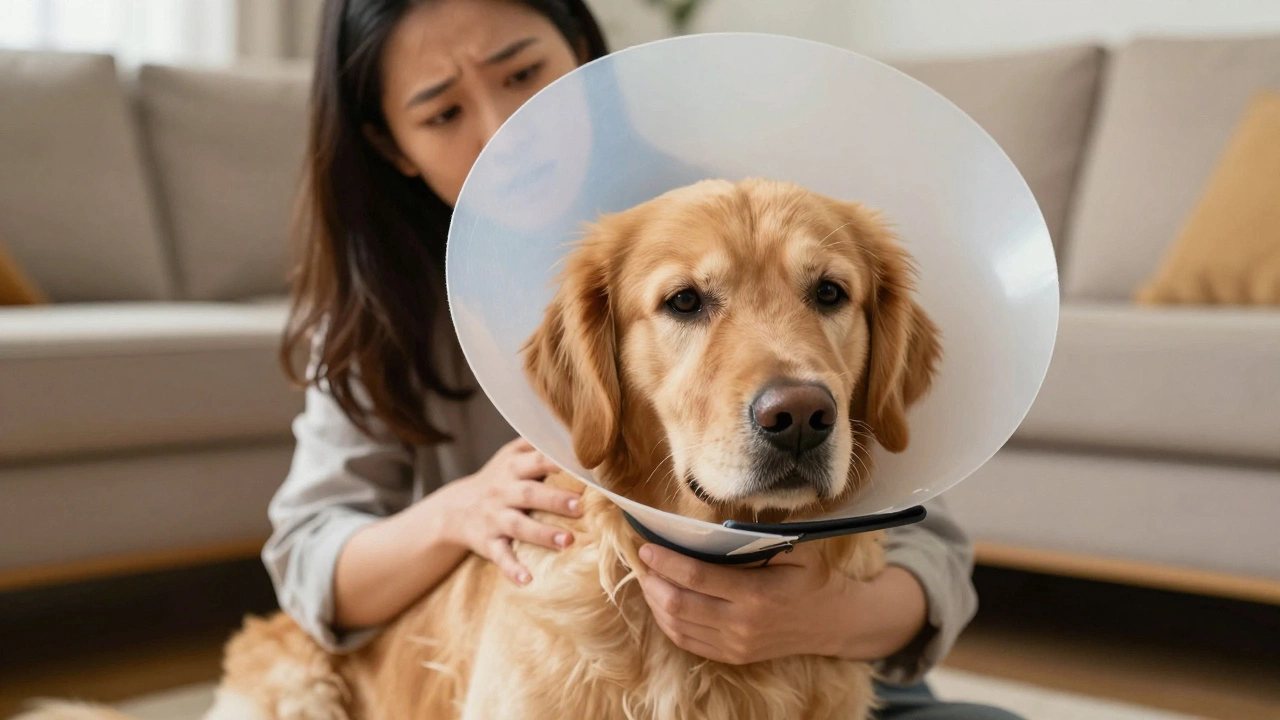
When people think of an e-collar, they picture the rigid, translucent plastic cone. It’s bulky, it clatters against walls, and it limits peripheral vision. Despite these drawbacks, it remains the most recommended option by veterinary surgeons for serious procedures. Why? Because it works. Unlike softer materials, hard plastic cannot be chewed through, bent around, or pushed aside by a determined dog.
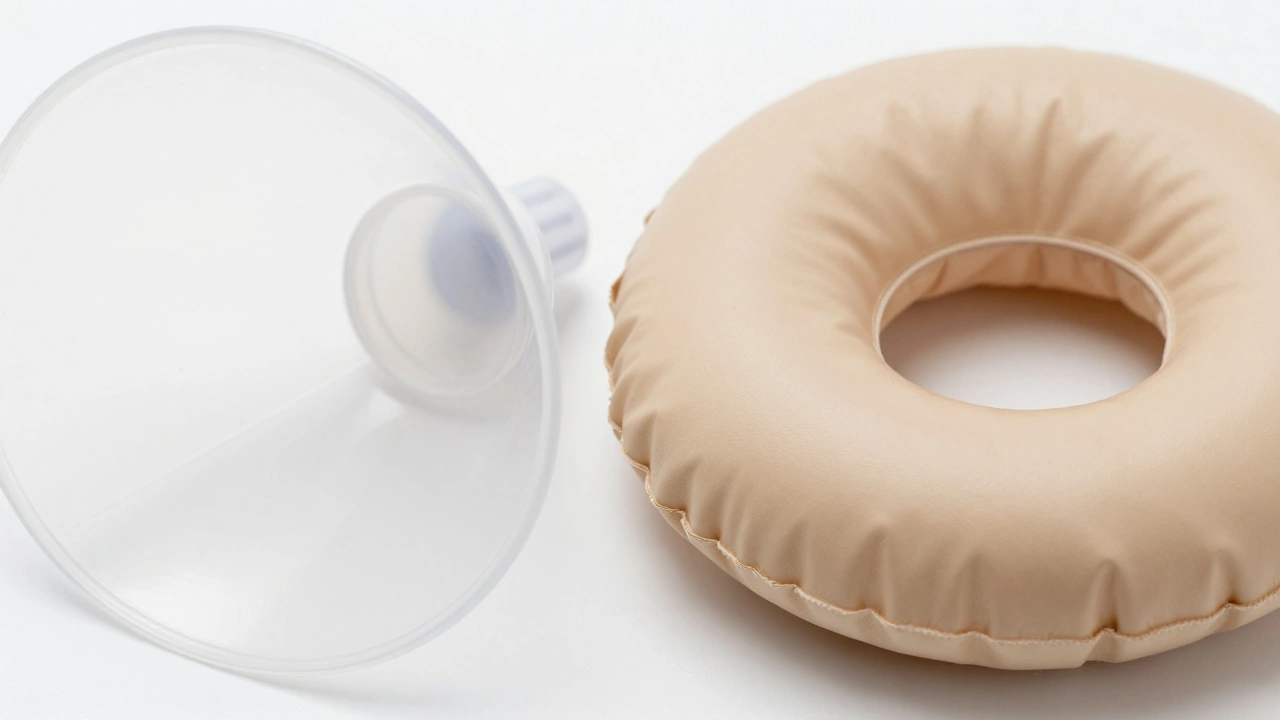
Hard Plastic E-Collar is a rigid protective device made from durable polypropylene or similar plastics, designed to extend beyond the nose and chest to prevent any contact with the body. These collars are typically adjustable via velcro straps and come in various sizes to fit small breeds like Chihuahuas to large breeds like Great Danes.
For abdominal surgeries, such as spays or neuters, or orthopedic procedures involving limbs, the hard cone provides absolute protection. A study published in the *Journal of Veterinary Behavior* noted that while owners often report lower satisfaction with hard cones due to aesthetic and comfort concerns, clinical outcomes for wound healing were superior compared to softer alternatives. In other words, the ugly cone saves the surgery.
However, proper fitting is critical. The cone should extend at least 2-3 inches beyond the tip of the nose. If it’s too short, the dog can still lick the front legs or chest. If it’s too long, it may cause anxiety or difficulty navigating tight spaces. Most vets will measure your dog before discharge to ensure the correct size.
Soft and Inflatable Alternatives: Are They Safe?
Not every case requires a fortress. For minor skin irritations, ear infections, or superficial wounds on the neck or shoulders, vets often approve softer options. These include inflatable donut collars, fabric soft cones, and zip-up recovery suits. These devices aim to provide comfort while restricting direct access to specific areas.
Inflatable Dog Collar is a cushion-like ring made of nylon or vinyl that inflates to create a barrier around the neck, resembling a travel pillow. These are lightweight, allow for normal eating and drinking, and do not obstruct vision.
Inflatable collars are popular because they look less intimidating and are quieter. They work well for wounds located higher up on the body, such as the head or upper back. However, they have significant limitations. A clever dog can often bend their neck enough to reach behind the inflatable ring, especially if the wound is on the lower abdomen or legs. Additionally, some dogs find the pressure of the air ring uncomfortable, while others may try to bite it flat.
Fabric soft cones offer a middle ground. They are flexible and quiet but lack the rigidity of plastic. They are best suited for puppies or senior dogs who are less likely to aggressively attack the collar. Always check with your vet before switching to a soft alternative, as they know the location and depth of your dog’s injury.
How to Choose the Right Collar for Your Dog
Selecting the right recovery gear involves assessing your dog’s anatomy, personality, and the specific medical issue. Here is a breakdown of common scenarios:
- Abdominal Surgery (Spay/Neuter): Requires a hard plastic cone or a specialized belly band combined with a short cone. The risk of licking the incision is high, and the consequences are severe.
- Ear Infections: An inflatable collar or a soft fabric cone usually suffices, as the ears are easily accessible without needing extreme reach.
- Limb Injuries or Bandages: Hard cones are preferred. Dogs can twist their bodies surprisingly well, and a soft collar may not prevent them from reaching a wrapped leg.
- Skin Allergies or Hot Spots: Recovery suits (zip-up onesies) are excellent here, provided the dog doesn’t have a tail that can interfere with zippers or seams.
Consider your dog’s temperament. Is your dog anxious? A loud, clattering plastic cone might increase stress levels, which can slow healing. In such cases, a soft collar might be a better compromise, even if it’s slightly less effective, because a calm dog heals faster than a stressed one. Conversely, if your dog is a determined chewer, no amount of comfort matters if they destroy the barrier.
| Collar Type | Protection Level | Comfort | Best For | Risks |
|---|---|---|---|---|
| Hard Plastic Cone | High | Low | Major surgeries, limb injuries | Anxiety, navigation issues |
| Inflatable Collar | Medium | High | Ear infections, minor neck wounds | Determined lickers may bypass |
| Soft Fabric Cone | Medium-Low | Medium | Puppies, sensitive dogs | Can be chewed or bent |
| Recovery Suit | Variable | High | Skin allergies, torso wounds | Overheating, bathroom difficulties |
Tips for Making Recovery Easier
Even the best collar won’t help if your dog hates wearing it. Transitioning smoothly is key. Start by introducing the collar a day or two before the surgery if possible. Let your dog wear it for short periods while offering treats and praise. This creates a positive association rather than linking the collar solely to pain and restriction.
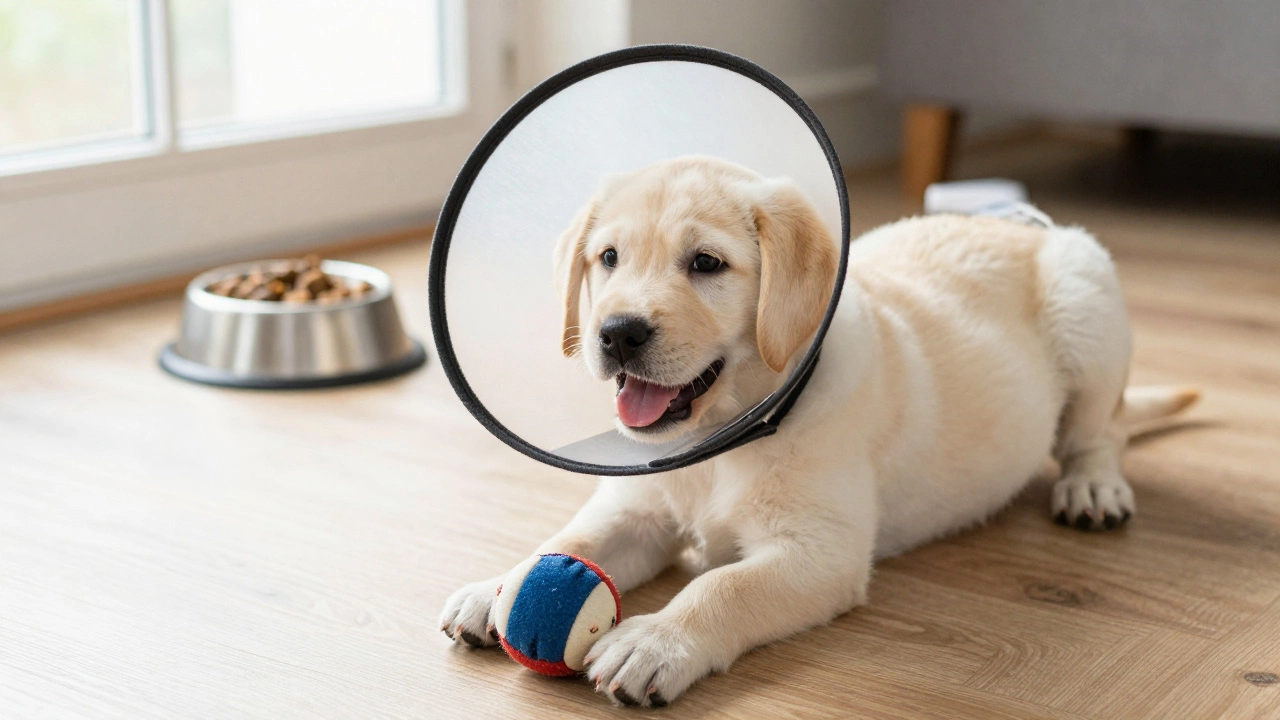
Make mealtime easier. Elevate food and water bowls so your dog doesn’t have to bend down awkwardly. For hard cones, wide-rimmed bowls can prevent the rim from hitting the floor. Some owners use suction cup bowls attached to walls or tables to maintain stability.
Supervise closely. Never leave your dog alone with a new collar for extended periods initially. Watch for signs of distress, such as excessive panting, inability to sleep, or repeated attempts to remove the collar. If your dog gets stuck under furniture or behind doors, rearrange the living space temporarily. Remove sharp corners or objects that could damage the collar or injure your dog.
Keep the collar clean. Saliva, dirt, and debris can accumulate on the inside, leading to skin irritation or infection around the neck. Wipe it down daily with a damp cloth and mild soap. Check your dog’s neck regularly for redness or chafing.
Common Mistakes to Avoid
One of the biggest errors owners make is removing the collar "just for a minute" to let the dog eat or play. This habit teaches the dog that the collar is optional and gives them a chance to lick the wound when unsupervised. Consistency is vital. Keep the collar on 24/7 until your vet explicitly says it’s safe to remove.
Another mistake is choosing a collar that is too small. Many owners underestimate how far their dog can stretch. Measure from the base of the neck to the tip of the nose, then add 2-3 inches. If you’re unsure, ask your vet to demonstrate the fit before you leave the clinic.
Don’t ignore behavioral changes. If your dog stops eating or drinking, it might be due to the collar. Try different feeding positions or switch to a softer collar if approved by your vet. Dehydration can become a serious issue quickly, especially in hot weather.
When to Call the Vet
If your dog manages to remove the collar and licks the wound, inspect the area immediately. Look for swelling, redness, discharge, or open sutures. Even if it looks fine, call your vet. They may want to re-examine the site or prescribe preventive antibiotics.
If the collar causes persistent distress, such as vomiting from trying to swallow air or severe anxiety, contact your vet. There may be a better alternative for your specific case. Never force a dog to endure extreme suffering for the sake of convenience.
Can I take my dog's e-collar off at night?
No, you should not remove the e-collar at night unless specifically instructed by your veterinarian. Dogs often lick wounds more intensely when relaxed or sleeping, and nighttime is when most accidents happen. Consistent wear ensures the wound stays protected around the clock.
How long does my dog need to wear the cone?
Typically, dogs need to wear an e-collar for 10 to 14 days after surgery, or until sutures are removed and the incision is fully healed. Your vet will give you a specific timeline based on the procedure. Do not remove it early, even if the wound looks closed, as internal healing takes longer.
Are inflatable collars as effective as hard plastic ones?
Inflatable collars are less effective for major surgeries or limb injuries because determined dogs can often bend around them. They are suitable for minor wounds on the neck, head, or ears. For abdominal surgeries, hard plastic cones remain the safest choice to prevent licking and infection.
My dog won't eat with the cone on. What should I do?
Elevate food and water bowls to reduce the angle needed to eat. Use wide, shallow dishes that accommodate the cone's width. If your dog still struggles, consult your vet about switching to a softer or inflatable collar temporarily. Ensure your dog stays hydrated, as dehydration is a greater immediate risk than missed meals.
Can I use a t-shirt instead of a cone?
A t-shirt or recovery suit can work for minor skin irritations or wounds on the torso, but it offers no protection for the head, neck, or legs. For surgical sites on the abdomen, a t-shirt alone is insufficient because dogs can still reach underneath. Always combine clothing with a collar for comprehensive protection.