
Dog Cheese Safety & Portion Calculator
Step 1: Select Cheese Type
Click on a cheese type to see its safety rating.
Safe (Low Lactose)
Safe (Low Lactose)
Safe (Very Low Lactose)
Safe (Low Fat)
Toxic (Avoid!)
High Risk (High Fat)
Unhealthy (High Sodium)
Step 2: Enter Dog Details
That moment when your dog locks eyes with you while you’re unwrapping a slice of cheddar is universal. Their tail wags, their ears perk up, and they give you that look that says, "I know what that is, and I want it." But before you toss them a piece, you probably have the same nagging question: is cheese good for dogs? The short answer is yes, but with some very important caveats. Cheese can be a high-value treat or training reward, but it isn't a nutritional necessity, and for many dogs, it’s a stomach ache waiting to happen.
Dogs are carnivores at heart, but they’ve evolved alongside humans to handle a bit more variety in their diet than wild wolves. This means small amounts of human food, including dairy, are generally safe for most healthy adult dogs. However, "safe" doesn’t always mean "beneficial," and it certainly doesn’t mean "unlimited." Understanding which cheeses work, which ones to avoid, and how to spot trouble is key to keeping your pup happy and healthy.
The Lactose Problem: Why Some Dogs Can’t Handle Dairy
The biggest hurdle when feeding cheese to dogs is lactose intolerance. Just like many adults in the human population, most dogs lose the ability to produce significant amounts of lactase-the enzyme needed to break down lactose (milk sugar)-as they mature. When undigested lactose hits the large intestine, bacteria ferment it, leading to gas, bloating, diarrhea, and vomiting.
This reaction varies wildly from dog to dog. A Golden Retriever might eat a handful of mozzarella and never look back, while a Border Collie gets the runs after a single crumb of cottage cheese. Puppies are less likely to be intolerant because they still produce lactase to digest their mother’s milk, but this production drops off sharply after weaning.
If you’re trying cheese on your dog for the first time, start with a tiny amount-think the size of a pea-and wait 24 hours. Watch for soft stools, excessive gas, or scratching around the rear end. If nothing happens, you’re likely in the clear for occasional treats. If there’s an upset stomach, skip the dairy entirely.
Best Cheeses for Dogs: Low Lactose, High Reward
Not all cheeses are created equal when it comes to canine consumption. Hard, aged cheeses naturally contain very little lactose because the aging process allows bacteria to consume most of the sugars. These are usually the safest bets for dogs with sensitive tummies.
| Cheese Type | Lactose Level | Fat Content | Best Use Case |
|---|---|---|---|
| Cheddar | Very Low | High | Training rewards, puzzle fillers |
| Mozzarella | Low | Medium | Occasional snack, stuffing toys |
| Swiss (Emmental) | Very Low | Medium | Low-lactose option |
| Cottage Cheese (Low-fat) | Low-Medium | Low | Protein boost, weight management |
| Goat Cheese | Low | Medium | Easier digestion for some dogs |
Cheddar is the gold standard for dog treats due to its low lactose content and high palatability. It’s dense, so you only need a small cube to get a big reaction from your dog, making it perfect for training sessions where you need a high-value motivator. Just remember that cheddar is also high in fat and sodium, so moderation is non-negotiable.
Mozzarella is another popular choice. It’s softer and easier to chew, which makes it great for older dogs with dental issues. However, fresh mozzarella has higher moisture and slightly more lactose than aged varieties, so introduce it slowly. Cottage cheese is often recommended by veterinarians as a light, protein-rich option. Choose plain, low-fat versions without added herbs or garlic. It’s particularly useful if you’re trying to add calories to a picky eater’s diet without adding too much fat.
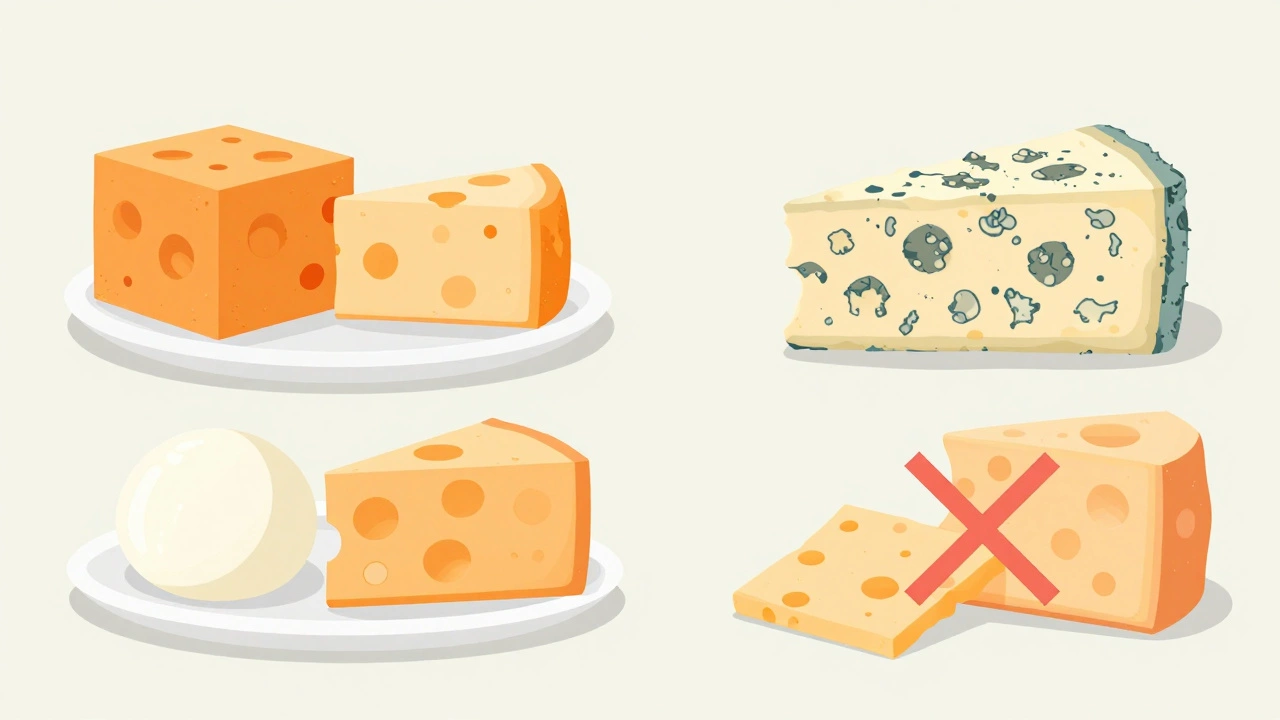
Cheeses to Avoid: Toxic and Dangerous Options
While plain cheese is generally fine, certain types pose serious health risks. You should never feed these to your dog:
- Blue Cheese and Roquefort: These contain roquefortine C, a mycotoxin produced during the mold ripening process. In dogs, this toxin can cause seizures, hyperactivity, and even death. Even small amounts can trigger a reaction in sensitive breeds.
- Processed Cheese Slices: American cheese and similar processed products are loaded with preservatives, artificial flavors, and excessive sodium. They offer no nutritional benefit and can lead to salt poisoning if consumed in quantity.
- Garlic or Onion-Flavored Cheeses: Garlic and onions are toxic to dogs, damaging red blood cells and causing anemia. Many flavored cream cheeses and spreads contain these ingredients. Always check the label carefully.
- Brie and Camembert: While not toxic themselves, these soft cheeses are high in fat and often come with rinds that can be difficult to digest. The high fat content increases the risk of pancreatitis, especially in smaller breeds.
Nutritional Benefits vs. Risks
So, why do vets sometimes recommend cheese? It’s not just about taste. Cheese is packed with nutrients that can benefit your dog in small doses:
- Calcium: Essential for strong bones and teeth, especially in growing puppies and senior dogs.
- Protein: High-quality casein and whey proteins support muscle maintenance and repair.
- Vitamins A and B12: Important for vision, immune function, and energy metabolism.
- Probiotics: Some fermented cheeses like cottage cheese contain live cultures that may support gut health, though this effect is mild compared to dedicated probiotic supplements.
However, the risks outweigh the benefits if you overdo it. The primary concern is obesity. Cheese is calorie-dense. A single ounce of cheddar contains about 110 calories. For a small dog like a Chihuahua, that’s nearly half their daily caloric allowance. Excess weight leads to joint problems, diabetes, and reduced lifespan.
Another major risk is pancreatitis. This is a painful inflammation of the pancreas, often triggered by sudden intake of high-fat foods. Symptoms include vomiting, abdominal pain, lethargy, and loss of appetite. If your dog eats a large chunk of fatty cheese and starts acting sick, contact your vet immediately. Pancreatitis can be life-threatening.
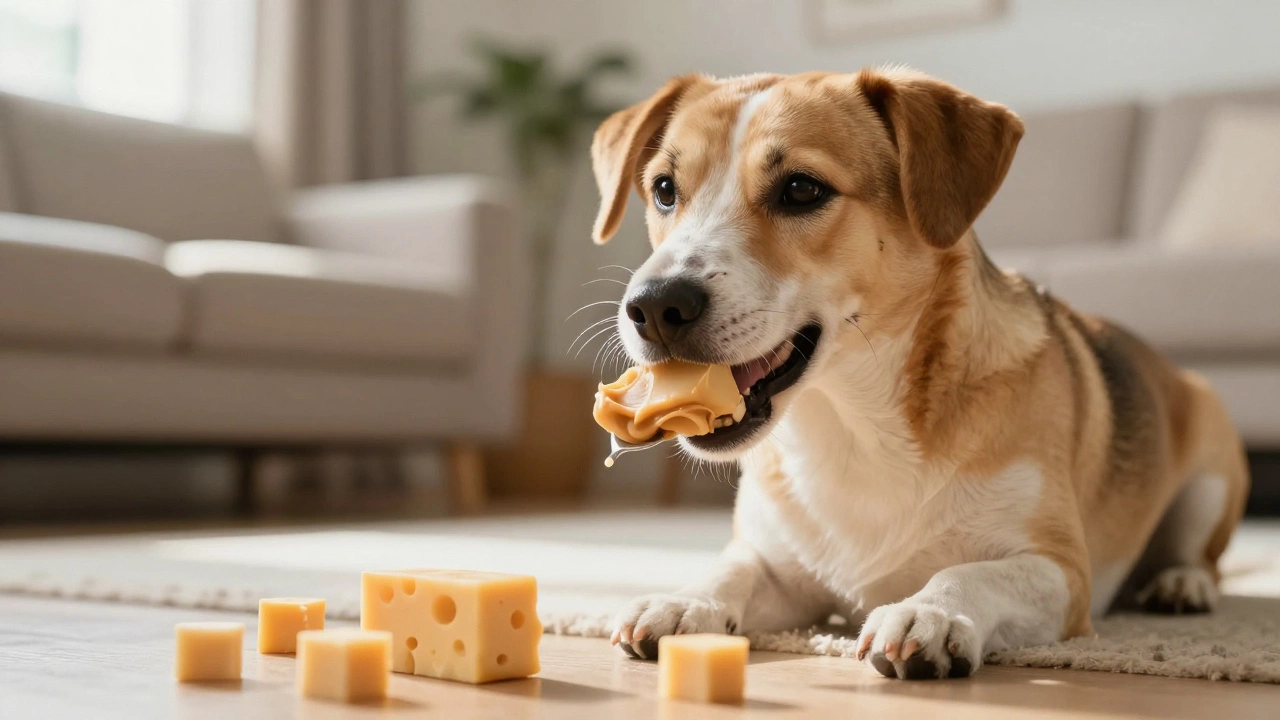
How to Feed Cheese Safely
To enjoy the benefits without the drawbacks, follow these simple guidelines:
- Stick to Plain Varieties: Avoid anything with herbs, spices, nuts, or fruits mixed in. Stick to basic cheddar, mozzarella, or Swiss.
- Portion Control: Treats should make up no more than 10% of your dog’s daily caloric intake. For a medium-sized dog, one or two small cubes per day is plenty.
- Use as Training Rewards: Because cheese is so tasty, it’s excellent for teaching new tricks or reinforcing difficult commands. Break it into pea-sized pieces to maximize the number of rewards.
- Monitor Weight: If your dog is overweight or prone to pancreatitis, skip the cheese altogether. Opt for lower-calorie treats like carrots or green beans instead.
- Introduce Slowly: Always test for lactose intolerance with a tiny amount first. Wait a full day before giving more.
Alternatives to Cheese for Sensitive Stomachs
If your dog loves the taste of cheese but can’t tolerate the lactose or fat, there are several safer alternatives that provide similar satisfaction:
- Peanut Butter: Xylitol-free peanut butter is a favorite among dogs. It’s high in protein and healthy fats, but also high in calories, so use sparingly.
- Boiled Chicken or Turkey: Plain, unseasoned cooked meat is a lean protein source that most dogs love. It’s easy to digest and free of lactose.
- Freeze-Dried Liver Treats: These are nutrient-dense, low-fat, and highly palatable. They’re made from real liver and contain no fillers.
- Commercial Dog Treats: Look for brands that use novel proteins like salmon or duck, which are less likely to cause allergies than beef or chicken.
Remember, every dog is different. What works for your neighbor’s Labrador might cause chaos in your Yorkie’s digestive system. Pay attention to your dog’s individual reactions and adjust accordingly.
Can puppies eat cheese?
Yes, but with caution. Puppies have higher levels of lactase than adult dogs, so they can often handle small amounts of cheese better. However, their digestive systems are still developing, so introduce cheese gradually and watch for signs of upset stomach. Stick to low-lactose options like cheddar or cottage cheese, and keep portions tiny-no larger than a pea.
Is blue cheese toxic to dogs?
Yes, blue cheese is dangerous for dogs. It contains roquefortine C, a toxin that can cause seizures, weakness, and tremors. Even small amounts can be harmful, especially to small breeds. Avoid all blue-veined cheeses like Gorgonzola, Roquefort, and Stilton.
How much cheese can I give my dog?
Treats should not exceed 10% of your dog's daily caloric needs. For most dogs, this means one or two small cubes of cheese per day. Smaller breeds should receive even less. Always consider the rest of your dog's diet to ensure they aren't getting too many extra calories.
What are the signs of lactose intolerance in dogs?
Symptoms typically appear within 30 minutes to 2 hours after eating dairy. Look for diarrhea, gas, bloating, vomiting, or excessive flatulence. If your dog exhibits these symptoms after eating cheese, discontinue dairy products and consult your vet if symptoms persist.
Can cheese cause pancreatitis in dogs?
Yes, high-fat foods like cheese can trigger pancreatitis, especially in dogs prone to the condition. Symptoms include severe vomiting, abdominal pain, lethargy, and loss of appetite. If you suspect pancreatitis, seek veterinary care immediately as it can be life-threatening.