Senior Dog Grooming Needs Calculator
Tell Us About Your Dog
Your Personalized Care Plan
Bathing Schedule
Brushing Routine
Nail Trimming
Care Approach
Complete All Fields
Answer all questions above to generate your personalized senior dog grooming plan.
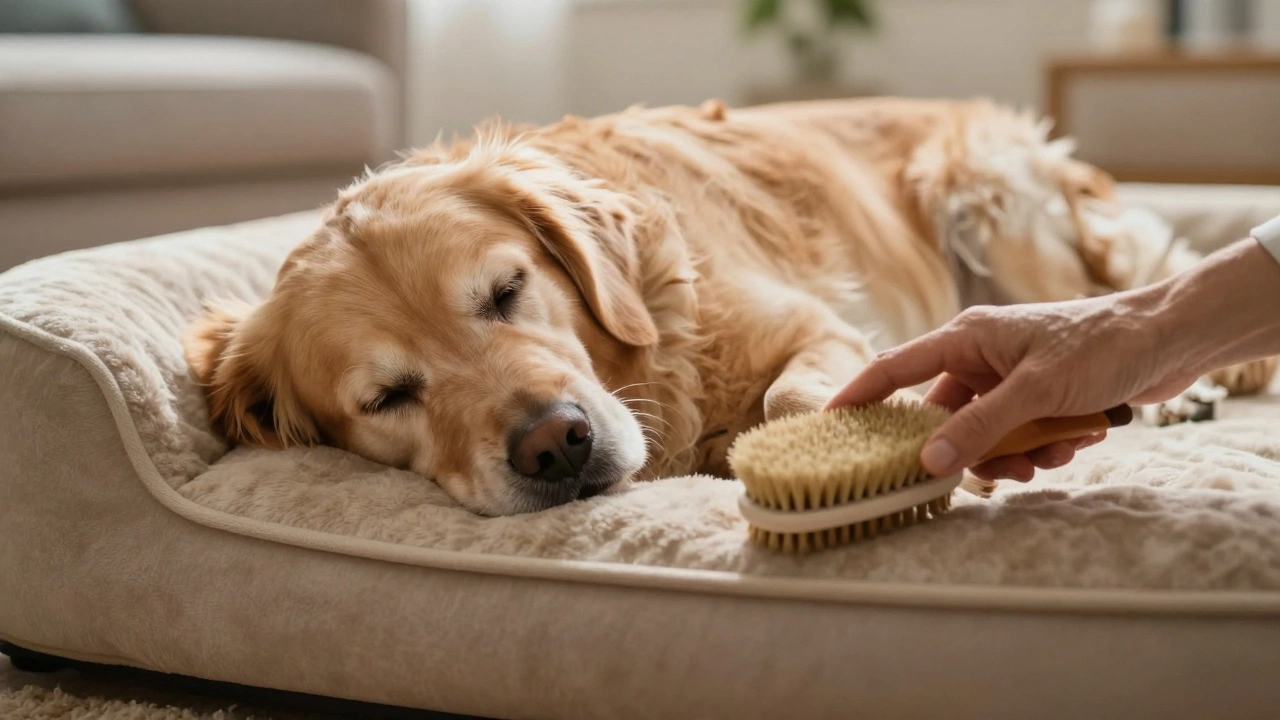
Picture this: You’re sitting on the floor with your twelve-year-old golden retriever. He’s asleep, breathing that slow, rhythmic pattern of deep rest. You pick up the brush, but he flinches. Not because he hates it, but because his joints ache and the sensation feels different now than it did when he was six. You put the brush down and wonder: Is he too old for this?
The short answer is no. A dog is never truly "too old" to be groomed. In fact, as dogs age, proper grooming becomes more critical, not less. However, the way you groom them must change drastically. What worked for a energetic seven-year-old might be stressful or even painful for a fourteen-year-old.
If you skip grooming because you think your senior dog is past the point of caring, you are actually risking their health. Matted fur can cause skin infections. Overgrown nails can alter their gait and worsen arthritis. Dirty ears can lead to chronic pain. The goal isn't to make them look like a show dog; it's to keep them comfortable, clean, and healthy in their golden years.
Why Grooming Matters More for Senior Dogs
When we think of grooming, we usually picture baths, blow-drying, and stylish cuts. For an older dog, grooming is essentially healthcare maintenance. As dogs enter their senior years-typically around age seven for large breeds and ten for small breeds-their bodies undergo significant changes. Their immune systems weaken, their skin becomes thinner and drier, and their mobility decreases.
Arthritis is a common condition in aging dogs that causes joint pain and stiffness. If you let their nails grow too long, those extra millimeters push against the ground every time they walk. This forces their toes into an unnatural position, putting extra strain on already inflamed joints. It’s like walking in high heels when you have bad knees. Regular nail trimming isn’t just about aesthetics; it’s about preserving their ability to move without pain.
Then there is the issue of matting. Older dogs often lose interest in self-grooming. They might not have the flexibility to lick behind their ears or under their legs. When hair tangles, it pulls on the skin. In severe cases, mats can trap moisture and bacteria, leading to hot spots or pyoderma (skin infection). Because senior dogs have slower healing times, a small scratch under a mat can turn into a serious medical issue quickly.
Signs Your Senior Dog Needs a Gentle Approach
Before you start brushing or bathing, you need to read your dog’s body language. Senior dogs communicate discomfort differently than puppies. They might not bark or snap; they might just shut down.
- Lifting a paw: If they lift a leg when you touch it, they are likely protecting a sore joint or sensitive area.
- Panting or drooling: These are classic signs of stress. If they weren’t hot before you started brushing, they are anxious now.
- Trembling or shaking: This isn’t always cold. It can be a sign of fear or physical pain.
- Avoidance behavior: Moving away from you or hiding indicates they feel threatened by the process.
- Stiffness after handling: If they seem stiffer an hour after grooming than before, the session may have been too physically demanding.
If you notice these signs, stop immediately. Pushing through will only create negative associations, making future grooming sessions harder. The goal is positive reinforcement, not endurance testing.
Modifying Your Grooming Routine for Age
You don’t need to abandon grooming tools; you just need to adapt how you use them. Here is how to adjust each part of the routine for a senior dog.
Bathing: Less Is More
Frequent baths strip natural oils from a senior dog’s skin, which is already prone to dryness. Unless they have rolled in something messy, bathe them only once every two to three months. Use a hypoallergenic, moisturizing shampoo designed for sensitive skin. Avoid human shampoos at all costs, as the pH balance is wrong for dogs and can cause irritation.
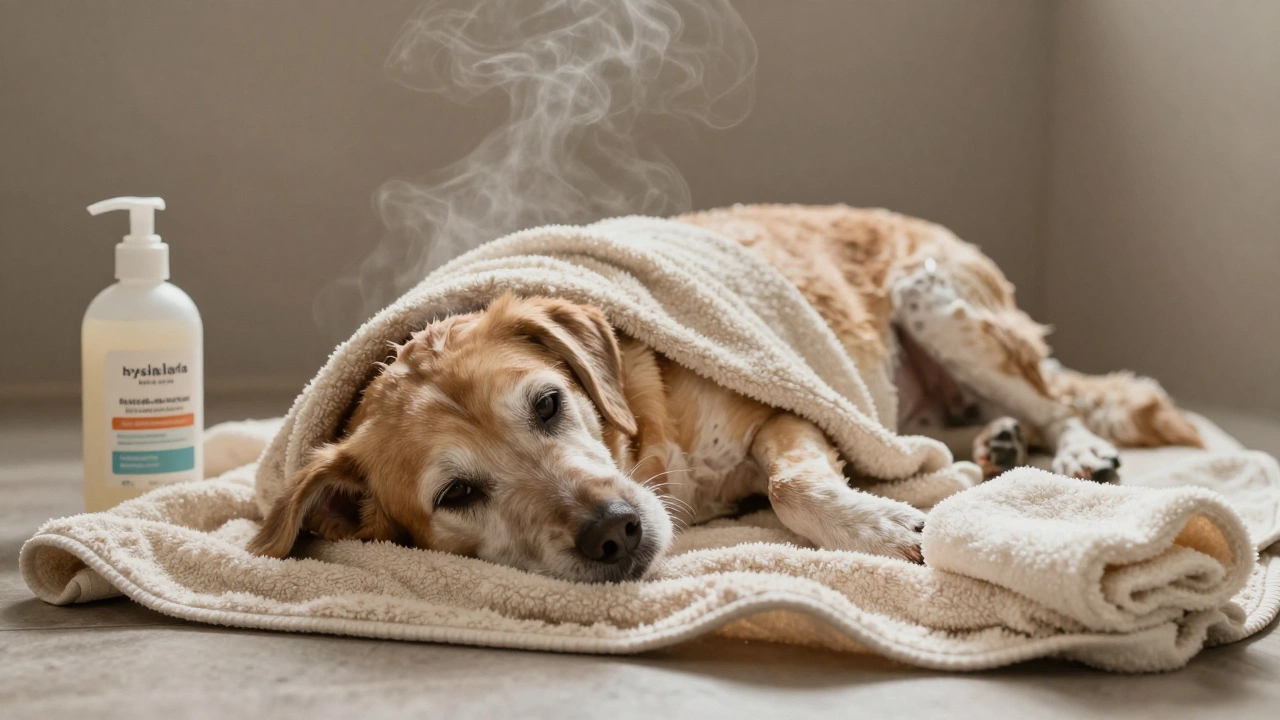
Water temperature matters immensely. Senior dogs often have poor circulation, meaning they get cold faster. Ensure the water is warm, not hot. Test it on your own wrist first. After the bath, wrap them in a thick towel immediately. Do not let them air dry. If you use a dryer, keep it on the lowest heat setting and hold it far away. Many seniors find the noise terrifying, so consider air-drying in a warm room instead if possible.
Brushing: Short Sessions, Soft Tools
Long brushing sessions are exhausting for an old dog. Break it up. Aim for five-minute sessions rather than one thirty-minute marathon. Use a slicker brush with soft bristles or a rubber grooming mitt. These tools remove loose hair without pulling on the skin.
If your dog has long hair, check for mats daily. Do not try to cut out mats with scissors near the skin unless you are a professional groomer. One slip can cause a serious laceration. Instead, use a dematting spray and gently work through the tangles with your fingers or a comb. If a mat is tight against the skin, leave it alone and consult a vet or groomer.
Nail Trimming: Precision Over Speed
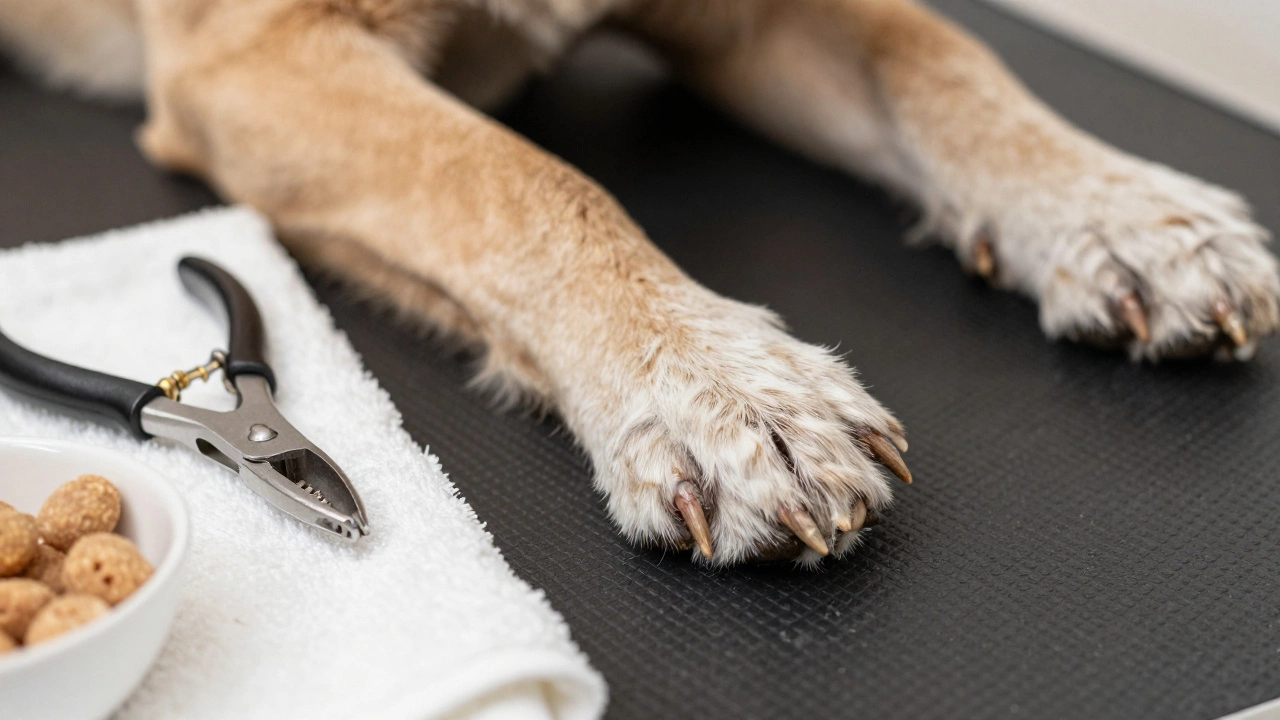
Trimming nails on a shaky senior dog requires patience. Use a guillotine-style clipper or a D-shaped scissor clipper, whichever gives you more control. Trim tiny amounts at a time. If you see a pink dot in the center of the nail (the quick), stop. In white nails, the quick is visible. In dark nails, you must rely on small, frequent trims to gradually shorten the quick over weeks.
If your dog is too unstable to stand on a table, do not force them. Trim their nails while they are lying on a non-slip mat on the floor. Support their head and body so they feel secure. If they are too fearful, ask your veterinarian to demonstrate or perform the trim during a wellness visit.
Ear and Eye Care
Senior dogs are prone to ear infections due to weakened immune systems and floppy ears trapping moisture. Check their ears weekly. Look for redness, swelling, or a foul odor. Clean them with a vet-approved ear cleaner and cotton balls. Never insert Q-tips deep into the ear canal, as this can push wax further in or damage the eardrum.
Eyes may tear more due to age-related issues. Wipe away discharge daily with a damp, soft cloth. Keep the hair around their eyes trimmed short to prevent irritation, but be extremely careful not to nick the eyelids.
| Task | Adult Dog (1-7 years) | Senior Dog (8+ years) |
|---|---|---|
| Bathing Frequency | Every 4-6 weeks | Every 2-3 months (unless dirty) |
| Brushing Duration | 15-30 minutes | 5-10 minutes per session |
| Nail Trimming | Every 3-4 weeks | Every 2-3 weeks (to support joints) |
| Stress Tolerance | Moderate to High | Low (requires breaks) |
| Skin Sensitivity | Normal | High (use moisturizing products) |
When to Hire a Professional Groomer
There comes a point when home grooming is no longer safe or practical. If your dog has severe mobility issues, cognitive decline, or aggressive pain responses, hiring a professional is the kindest choice. But not all groomers are equipped for seniors.
Look for a groomer who specializes in "geriatric grooming" or "therapeutic grooming." Ask specific questions before booking:
- Do you offer mobile grooming services? (This eliminates the stress of travel and waiting rooms.)
- Can my dog lie down during the bath and haircut?
- Are you trained in handling dogs with cognitive dysfunction?
- Do you use non-slip surfaces?
If the groomer says they will "hold them down" if they resist, find someone else. Restraint should be minimal and based on comfort, not force. A good senior groomer will prioritize hygiene and comfort over style. They might suggest a "puppy cut" (shorter hair everywhere) to reduce matting and make cleaning easier between visits.
Managing Stress and Anxiety
Older dogs often suffer from cognitive dysfunction syndrome (CDS), similar to dementia in humans. They may forget what grooming is, or they may remember it as a scary experience from years ago. This confusion leads to anxiety.
Create a calm environment. Groom them in a quiet room with dim lighting. Play soft music. Use treats they love-freeze-dried liver or cheese-to create positive associations. If they seem confused, talk to them in a low, soothing voice. Let them sniff the brush before using it.
If anxiety is severe, talk to your veterinarian about calming aids. There are pheromone sprays (like Adaptil) that mimic natural calming scents. In some cases, mild anti-anxiety medication prescribed by a vet can make the difference between a traumatic event and a manageable task.
DIY vs. Professional: Making the Right Choice
Deciding whether to groom at home or hire help depends on three factors: your dog’s physical ability, your skill level, and your time.
If your dog is mostly mobile but just gets tired easily, home grooming with short sessions is ideal. It saves money and keeps them in a familiar environment. You control the pace.
If your dog cannot stand unassisted, or if you lack the confidence to trim nails safely, professional help is necessary. Trying to force a immobile dog into a bath can result in injury for both of you. Mobile groomers come to your home, load the dog gently into their van, and return them relaxed. While this costs more, it preserves the bond between you and your dog by removing the struggle.
Final Thoughts on Senior Comfort
Grooming an old dog is an act of love, not vanity. It is about ensuring that their final years are free from the discomfort of matted fur, overgrown nails, and dirty ears. By slowing down, observing their cues, and adapting your methods, you can keep them clean and happy. Remember, the goal is not perfection. The goal is comfort.
Is it cruel to groom a very old dog?
No, it is not cruel. In fact, neglecting grooming can cause pain and infection. However, the method must be gentle. If the dog is in extreme distress or end-of-life care, focus only on essential hygiene like wiping paws and cleaning ears, skipping baths and haircuts entirely.
How often should I bathe a senior dog?
Generally, every 2 to 3 months is sufficient. Senior dogs have drier skin, and frequent bathing strips natural oils. Only bathe more often if they have gotten into something messy or have a skin condition requiring medicated shampoos.
What if my senior dog shakes during grooming?
Shaking can indicate cold, fear, or pain. First, ensure the room is warm. If they are warm, stop and assess for pain. Offer treats and break the session into shorter intervals. If shaking persists, consult your vet to rule out neurological issues or severe anxiety.
Can I use regular dog shampoo on an old dog?
It is better to use a moisturizing, hypoallergenic shampoo. Regular shampoos can be too harsh for thinning, sensitive senior skin. Look for ingredients like oatmeal, aloe vera, or coconut oil which soothe dryness.
Should I trim my senior dog's nails myself?
Only if you are confident and your dog is cooperative. If your dog is trembling, aggressive, or has poor balance, it is safer to have a professional or vet do it. Improper trimming can cut the quick, causing bleeding and pain.