Picture this: you're ready for a relaxing afternoon of retail therapy. You grab your wallet, your keys, and then you look down at your golden retriever, who is wagging his tail in anticipation. He wants to come too. But before you head out the door, a big question marks your mind: can dogs actually walk around the mall?
The short answer is complicated. For most standard pets, the answer is a firm no. However, if you have a service animal or are visiting one of the increasingly popular pet-friendly shopping centers, the rules change completely. Understanding the difference between these categories saves you from awkward confrontations with security guards and keeps your shopping trip stress-free.
The General Rule: Pets Are Usually Not Allowed
To understand why malls restrict dogs, we have to look at health codes and liability. In the United States and many other countries, food safety regulations (like those enforced by the FDA) strictly prohibit live animals in areas where food is prepared or served. Since modern malls are essentially indoor cities filled with food courts, sit-down restaurants, and fast-food chains, they fall under these strict hygiene laws.
Beyond health codes, there is the issue of public safety. Malls are crowded places. A loose leash can tangle with a stroller, a sudden bark can startle an elderly shopper, and not everyone is comfortable being within three feet of an unknown animal. Allergies are also a major factor; even if a dog stays outside, dander can travel on clothes and shoes into enclosed spaces.
- Food Safety Laws: Most jurisdictions ban non-service animals in dining areas.
- Crowd Control: High foot traffic increases the risk of accidents involving leashed animals.
- Allergies and Phobias: Many shoppers have severe reactions to pet dander or fear dogs.
This means that for the vast majority of enclosed shopping centers, bringing your pet inside is prohibited. If you try to sneak them in, security staff are trained to ask you to leave. It’s not personal; it’s policy designed to keep the environment safe for everyone.
The Exception: Service Animals Under the ADA
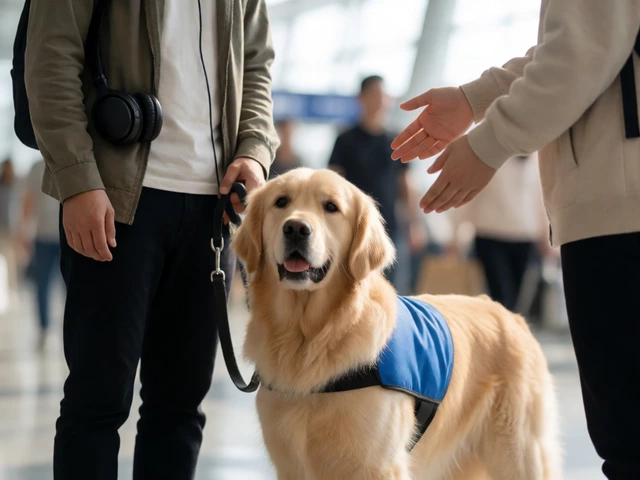
If you’ve ever seen a dog wearing a vest in a store, you might assume all working dogs are allowed everywhere. The truth is more specific. Under the Americans with Disabilities Act (ADA), only Service Animals are guaranteed access to public accommodations, including malls, stores, and restaurants.
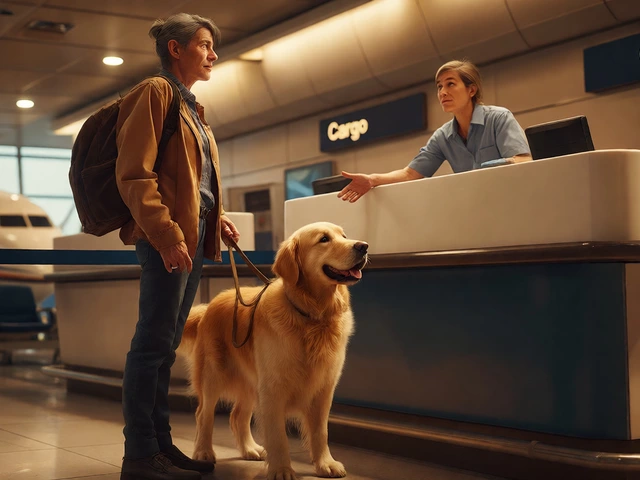
A service animal is not just any well-behaved dog. It must be individually trained to perform tasks that mitigate a disability. This could include guiding a person who is blind, alerting someone who is deaf, pulling a wheelchair, or sensing and warning about an impending seizure. Emotional support animals (ESAs), therapy dogs, and comfort animals do not qualify as service animals under federal law because they provide comfort by their presence rather than performing specific trained tasks.
| Animal Type | Mall Access? | Legal Protection | Training Requirement | |
|---|---|---|---|---|
| Service Animal | Yes (Everywhere) | Federal Law (ADA) | Task-Specific Training | |
| Emotional Support Animal (ESA) | No (Usually) | Housing/Air Travel Only | None Required | Comfort/Presence |
| Therapy Dog | No (By Invitation) | None | Temperament Testing | Visiting Hospitals/Schools |
| Pet | No (Unless Pet-Friendly) | None | Basic Obedience | Companionship |
Store employees are legally limited to asking only two questions if it is not obvious what the dog does: "Is the dog a service animal required because of a disability?" and "What work or task has the dog been trained to perform?" They cannot ask for documentation, demand a demonstration, or ask about the nature of your disability.
The Rise of Pet-Friendly Malls
While the general rule is restrictive, the landscape is shifting. As pet ownership rates hit record highs-with over 65% of US households owning a pet-retailers are realizing that pet owners spend more money. Consequently, some malls have begun to relax their policies, creating designated pet-friendly zones or fully embracing four-legged shoppers.
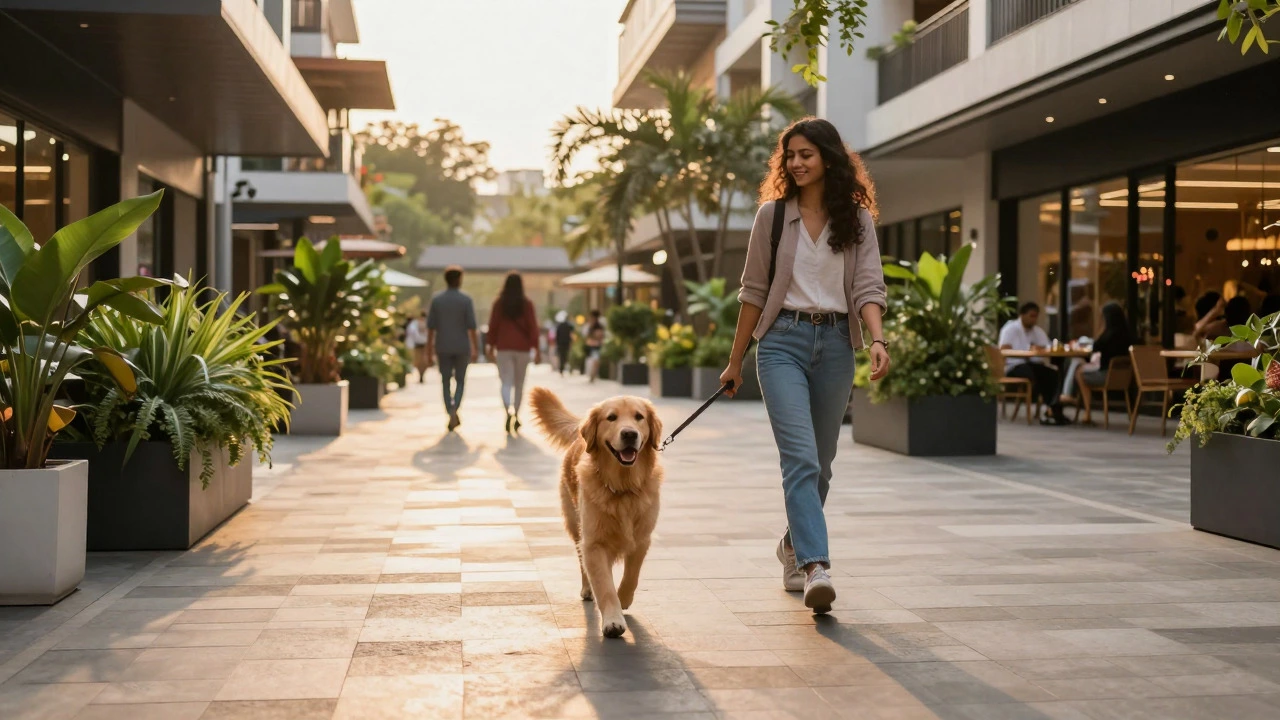
These malls often feature outdoor promenades where leashed dogs are welcome. Some even go further, allowing dogs inside certain stores like clothing boutiques or home goods shops, provided they remain on a short leash and under control. Cities like Austin, Texas, and Portland, Oregon, are known for having a higher concentration of these pet-inclusive shopping centers.
When looking for a mall that allows pets, check their official website first. Look for keywords like "pet-friendly," "dogs allowed," or "outdoor shopping." Social media pages for local malls often post updates about seasonal events where pets are encouraged, such as holiday light displays or summer concerts.
Etiquette for Walking Your Dog in Public Spaces
If you find yourself in a pet-friendly mall or an outdoor shopping center, proper etiquette is crucial. You represent all dog owners when you walk through those doors. Poor behavior by one owner can lead to stricter bans for everyone else.
- Keep a Short Leash: Use a 4-to-6-foot leash. Retractable leashes are generally discouraged in crowded areas because they allow the dog to wander too far and can trip people.
- Clean Up Immediately: Carry biodegradable bags. If your dog goes to the bathroom, pick it up and dispose of it properly. Leaving waste behind is the fastest way to get banned from a property.
- Respect Personal Space: Do not let your dog jump on strangers. If someone looks uncomfortable, move away. Assume people want to avoid contact unless they explicitly ask to pet your dog.
- Muzzle if Necessary: If your dog has a history of nipping or resource guarding, a basket muzzle is a responsible tool that ensures safety and peace of mind for others.
- Stay Aware: Watch for signs. Even in pet-friendly malls, some individual stores may still ban animals due to insurance or health codes.
Teaching your dog strong recall and "leave it" commands before heading out is essential. The environment will be full of distractions-smells, sounds, and other animals. A distracted dog is a potential hazard in a tight space.
Alternatives When Malls Say No
If your local mall is strictly off-limits to pets, don't despair. There are plenty of ways to enjoy shopping and socializing with your dog. Many standalone retailers have different policies than large enclosed malls. For example, hardware stores like Home Depot and Lowe's, and sporting goods stores like REI, are famously dog-friendly nationwide.
Outdoor markets, farmer's markets, and open-air plazas are also excellent alternatives. These venues are designed for foot traffic and often encourage community interaction, making them naturally more welcoming to leashed dogs. Additionally, many coffee shops and breweries with outdoor seating allow dogs on their patios, giving you a place to rest while your partner runs errands nearby.
For days when you need to shop but can't take your dog, consider using local pet sitting services or doggy daycare. Many communities offer drop-off playgroups where your dog can burn energy and socialize while you enjoy a pet-free shopping spree.
Planning Your Visit: A Quick Checklist
Before you head out, run through this mental checklist to ensure a smooth experience:
- Verify the Policy: Call the mall information desk or check their website. Policies can change seasonally or after incidents.
- Check Store Specifics: Just because the mall allows dogs doesn't mean every store does. Food courts are almost always a no-go zone.
- Pack Essentials: Bring water, a collapsible bowl, waste bags, and a treat pouch for rewards.
- Assess Your Dog's Temperament: Is your dog reactive to other dogs or loud noises? If so, an indoor mall might be too stressful regardless of the rules.
- Timing Matters: Visit during off-peak hours (weekday mornings) to avoid crowds. Fewer people mean less stress for your dog and less chance of accidental encounters.
Understanding the rules helps you advocate for your rights if you have a service animal, or helps you plan better outings if you have a beloved pet. Whether you're navigating the legalities of the ADA or simply looking for the nearest pet-friendly boutique, preparation is key.
Are emotional support animals allowed in malls?
Generally, no. Under the ADA, emotional support animals (ESAs) are not considered service animals because they are not trained to perform specific tasks related to a disability. Therefore, malls and stores can legally deny them entry, just like any other pet.
Can I bring my dog into the food court?
In almost all cases, no. Health codes typically prohibit animals in areas where food is prepared or served. Even in pet-friendly malls, the food court is usually restricted to service animals only. Always look for signage indicating pet-friendly dining areas, which are often outdoors.
Do I need a vest for my service dog?
No. Federal law does not require service dogs to wear vests, ID cards, or special harnesses. While many handlers choose to use them for convenience and to signal to others that the dog is working, a lack of a vest does not disqualify a dog from being a service animal.
What happens if my dog barks or misbehaves in a pet-friendly mall?
If your dog becomes disruptive, aggressive, or creates a health hazard (by not being housebroken), the mall management has the right to ask you to remove the dog and potentially leave the premises. This applies to both pets and service animals. A service animal that is out of control can be denied access.
Which stores in a mall are most likely to allow pets?
If a mall is pet-friendly, stores that sell dry goods like clothing, electronics, or home decor are more likely to allow dogs than grocery stores or restaurants. However, policies vary by location. Always ask the store manager before entering with your pet.