Pet Travel Safety & Readiness Checker
Analysis Result
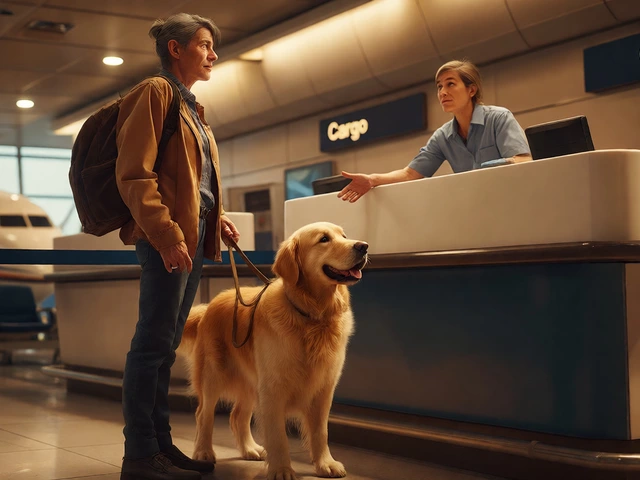
Watching your dog or cat vanish into the belly of a plane is one of the most stressful experiences for any pet owner. You’re trusting strangers with your best friend’s life. So, when you ask what airline allows pets in cargo, you aren’t just looking for a list of names. You are looking for safety, reliability, and peace of mind. The reality is that almost every major commercial airline transports pets as "excess baggage" or "cargo," but the rules, risks, and comfort levels vary wildly.
This isn't about finding the cheapest ticket. It's about understanding which carriers treat live animals like passengers rather than packages. We will break down the top airlines known for safe pet transport, explain the critical difference between checked baggage and true cargo, and give you the checklist you need to keep your pet alive and healthy during the flight.
The Difference Between Checked Baggage and Airline Cargo
Before picking an airline, you need to understand where your pet actually sits. This distinction saves lives. There are two main ways pets fly: as Checked Baggage is pets traveling in the pressurized, temperature-controlled hold of a passenger flight, accompanied by their owners on the same itinerary. In this scenario, your pet is technically part of your luggage allowance, but they stay in a special area of the hold. If you miss your connection, your pet usually waits with you.
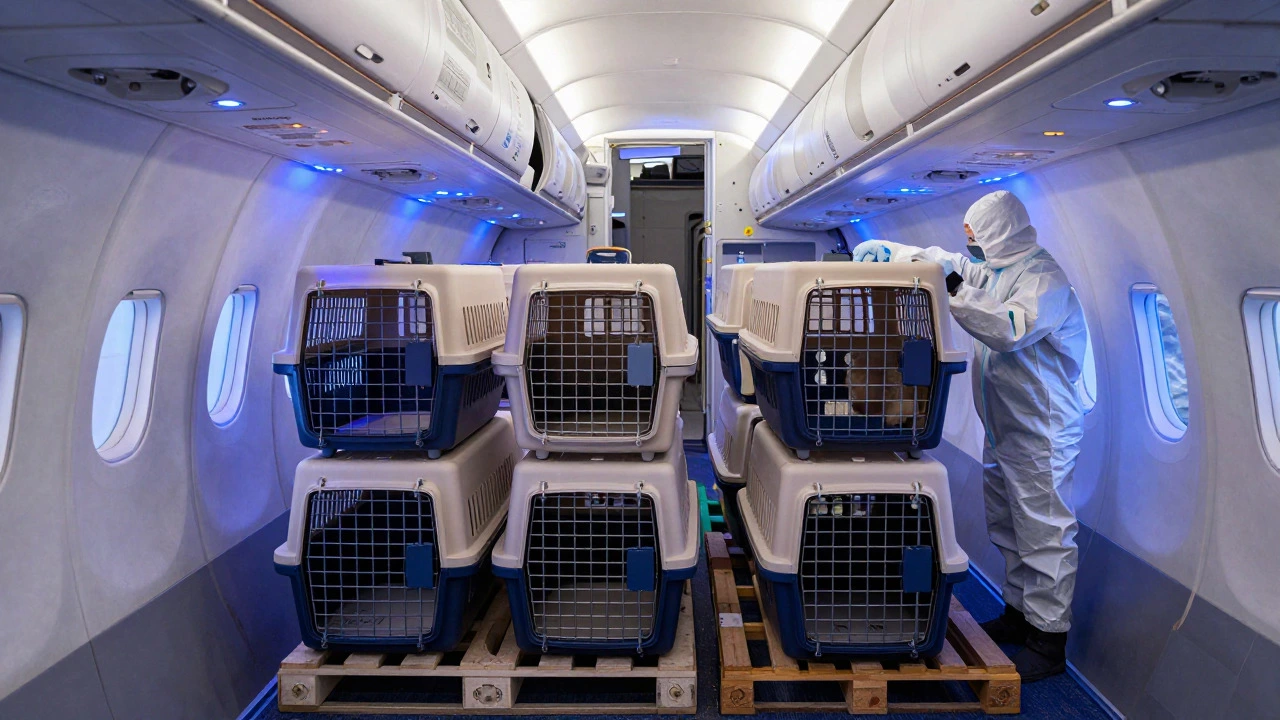
Then there is Airline Cargo is a dedicated freight service where pets travel on separate flights, often without the owner present, handled by specialized logistics teams. This is common for international moves, breeding stock, or when the owner isn't flying. True cargo facilities have better climate control and handling protocols than standard passenger holds, but the process is more complex and expensive.
Most people asking about "pets in cargo" are actually looking for checked baggage options because they want to be on the same plane. However, if your pet is too large for the cabin (over 15-20 lbs including the carrier) and you are moving internationally, you might need actual cargo services. Always clarify this with the airline before booking.
Top Airlines for Pet Travel Safety
Not all airlines are created equal. Some have zero incidents in decades; others have frequent news headlines about heat stress or mishandling. Based on industry reputation, incident reports, and customer feedback, here are the carriers that consistently rank high for pet safety.
| Airline | Pet Policy Type | Key Safety Feature | Best For |
|---|---|---|---|
| United Airlines | Checked Baggage & Cargo | Live Animal Handling Program with specific training | Domestic US travel |
| American Airlines | Checked Baggage & Cargo | Strict temperature embargoes and climate-controlled holds | International connections |
| Delta Air Lines | Checked Baggage & Cargo | One of the lowest incident rates in the industry | Reliability and safety record |
| Lufthansa | Checked Baggage & Cargo | Specialized pet rooms at Frankfurt hub | European travel |
| Qantas | Checked Baggage & Cargo | Strict adherence to IATA standards and no layovers in extreme heat | Oceania and Asia-Pacific routes |
Delta Air Lines has maintained a strong reputation for pet safety, rarely appearing in negative news stories regarding live animal transport. They enforce strict temperature embargoes, meaning if the ground temperature at departure or arrival is below 45°F (7°C) or above 85°F (29°F), small dogs and cats may not fly as checked baggage. This protects brachycephalic breeds (like Pugs and Bulldogs) from respiratory distress.
United Airlines offers a comprehensive Live Animal Handling Program that includes specific training for baggage handlers and clear labeling requirements. Their system requires you to check in early and ensures your pet is loaded last and unloaded first. This minimizes the time your pet spends in the dark hold.
Lufthansa is a preferred choice for European travel due to its dedicated pet care facilities at major hubs like Frankfurt and Munich. They offer a "Pet Room" where animals can rest during long layovers, reducing stress compared to being left in a crate in a warehouse.
Critical Factors That Determine Pet Safety
Picking the right airline is only half the battle. How you prepare determines whether the trip goes smoothly. Here are the non-negotiable factors you must address.
Temperature Embargoes
This is the biggest killer of pet travel plans. Most airlines refuse to accept pets as checked baggage if the temperature at the origin, destination, or any connecting city is outside a safe range. Typically, this means no pets if it’s hotter than 85°F (29°C) or colder than 45°F (7°C). Why? Because the cargo hold is pressurized and heated/cooled, but it takes time to load and unload. If a plane sits on a tarmac in July heat, the air conditioning might cut off, and temperatures inside the hold can spike rapidly.
If you must travel during summer or winter, consider booking a direct flight to avoid layovers in extreme climates. Or, use a dedicated pet shipping service that monitors conditions closely.
Breed Restrictions
Brachycephalic breeds-those with short snouts-are at higher risk. Pugs, French Bulldogs, Persian cats, and Boston Terriers struggle to regulate body temperature. Many airlines now ban these breeds from cargo entirely, or restrict them to cabin-only travel. Check your airline’s specific breed list. If your pet is on the restricted list, you might need to fly them in the cabin or wait for cooler months.
Crate Requirements
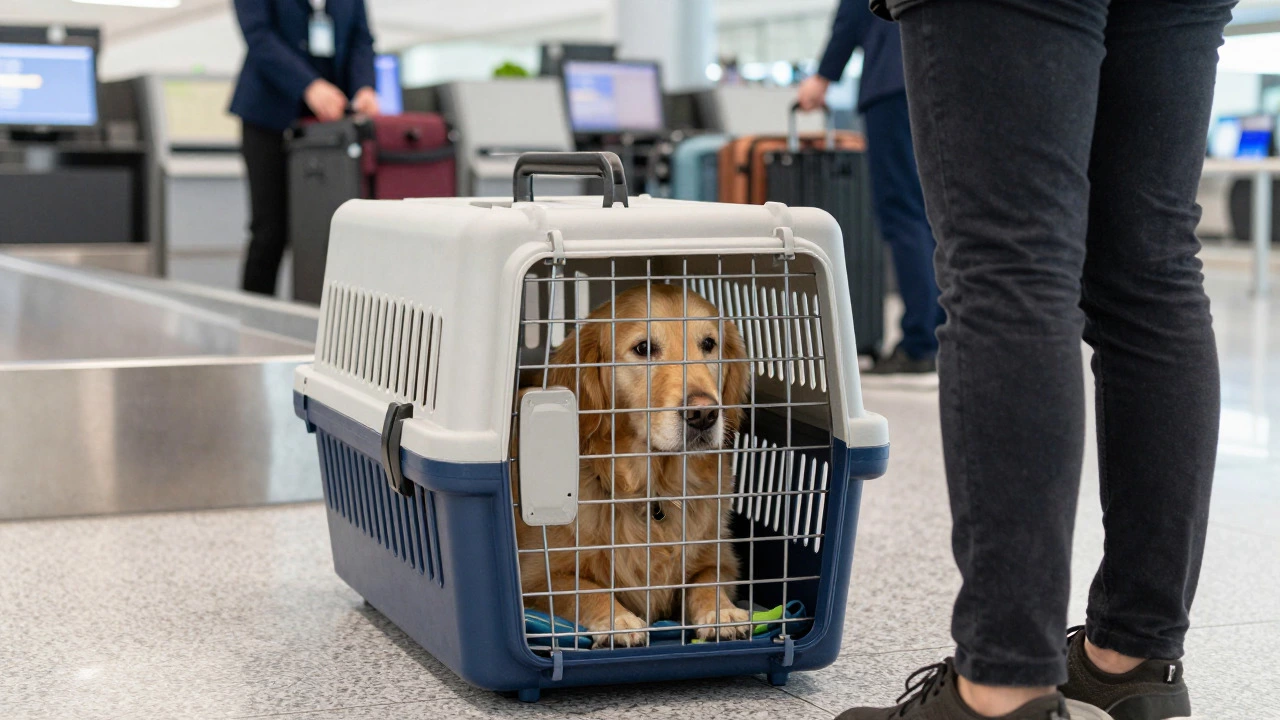
Your pet’s home for the flight must meet IATA Regulations are international standards set by the International Air Transport Association for the safe transport of live animals, covering crate size, ventilation, and labeling. The crate must be sturdy, well-ventilated, and large enough for your pet to stand, turn around, and lie down comfortably. Use steel bars for doors, not plastic flaps, which can be chewed through. Line the bottom with absorbent pads, not loose bedding that can shift and block airflow.
How to Prepare Your Pet for Cargo Travel
Preparation starts weeks before the flight. Here is a step-by-step guide to ensuring your pet is ready.
- Visit the Vet: Get a health certificate issued within 10 days of travel. Ensure vaccinations are up to date. Discuss sedation carefully-most vets advise against it for air travel because it can affect breathing and balance at altitude.
- Acclimate to the Crate: Don’t buy the crate the day before the flight. Leave it open at home with treats inside so your pet associates it with positive experiences. Feed them in the crate.
- Book Direct Flights: Every layover adds stress and risk. Direct flights mean less time in the hold and fewer chances for mishandling.
- Label Everything: Put your contact info, your pet’s name, and emergency contacts on the crate. Include a photo of your pet in case they get lost.
- Arrive Early: Go to the airport at least 3 hours before departure. Fill out all paperwork at the counter. Ask to see the person who will handle the crate.
When to Use a Professional Pet Shipper
If your pet is anxious, elderly, or has health issues, or if you are moving internationally, consider hiring a professional pet shipper. These companies specialize in live animal transport. They know which airlines have the best records, how to navigate customs, and what to do if things go wrong. Yes, it costs more-often $500 to $2,000 depending on distance-but the peace of mind is worth it. They act as your advocate on the ground.
Common Mistakes to Avoid
- Ignoring Weather Forecasts: Just because the airline accepts the booking doesn’t mean it’s safe. Check the weather yourself. If it’s going to be 90°F at the connection point, cancel or rebook.
- Using Sedatives: Unless explicitly prescribed by a vet for air travel, avoid sedatives. They can cause fatal complications in the low-pressure environment of a cargo hold.
- Feeding Too Close to Flight Time: Withhold food for 4-6 hours before the flight to prevent nausea and accidents in the crate. Offer water up until check-in.
- Assuming All Airlines Are Equal: Budget airlines often have stricter limits and less training for staff. Stick to major carriers with established pet programs.
Final Thoughts on Choosing the Right Airline
There is no single "best" airline for everyone. It depends on your route, your pet’s breed, and the season. But by focusing on carriers with strong safety records like Delta, United, and Lufthansa, and by preparing meticulously, you can significantly reduce the risks. Remember, your pet relies on you to make the right choices. Do your homework, read the fine print, and never hesitate to ask questions. A safe journey starts with informed decisions.
Which airline is safest for pets in cargo?
Delta Air Lines is widely considered one of the safest airlines for pet transport due to its low incident rate and strict temperature embargoes. United Airlines and Lufthansa also have excellent reputations for handling live animals with care.
Do pets really die in airplane cargo?
Unfortunately, yes, though it is rare. Most incidents are caused by extreme temperatures during loading/unloading or underlying health issues exacerbated by stress. Choosing airlines with strict weather policies and avoiding sedation greatly reduces this risk.
Can I fly my pug in cargo?
Many airlines restrict or ban brachycephalic breeds like Pugs from cargo due to breathing difficulties. Check your airline’s specific breed list. If allowed, ensure you fly during cooler months and book a direct flight.
What is the temperature limit for pet travel?
Most airlines enforce a temperature embargo, refusing to transport pets if the ground temperature is below 45°F (7°C) or above 85°F (29°C). This applies to the origin, destination, and any connecting cities.
Should I sedate my dog for a long flight?
Generally, no. Veterinarians and airlines often advise against sedation because it can interfere with breathing and balance at high altitudes. Instead, focus on acclimating your pet to the crate and using natural calming aids recommended by your vet.
How much does it cost to fly a pet in cargo?
Costs vary widely. Domestic checked baggage fees typically range from $100 to $200 each way. International cargo shipping can cost $500 to $2,000+ depending on distance, crate size, and whether you hire a professional shipper.
What documents do I need to fly my pet internationally?
You typically need a health certificate issued by a USDA-accredited vet within 10 days of travel, proof of rabies vaccination, and possibly a microchip. Import requirements vary by country, so check the destination nation’s agricultural department website.