Dog Air Travel Eligibility & Cost Estimator
Travel Details
Recommendation
Cabin Option
No
Cargo/Checked Option
Yes
Safety & Compliance Check
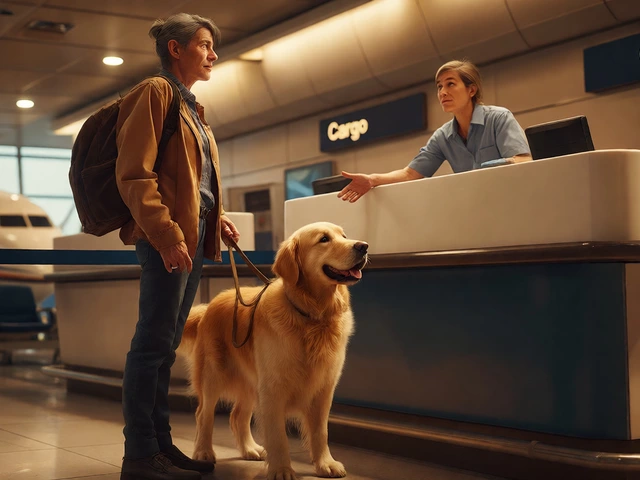
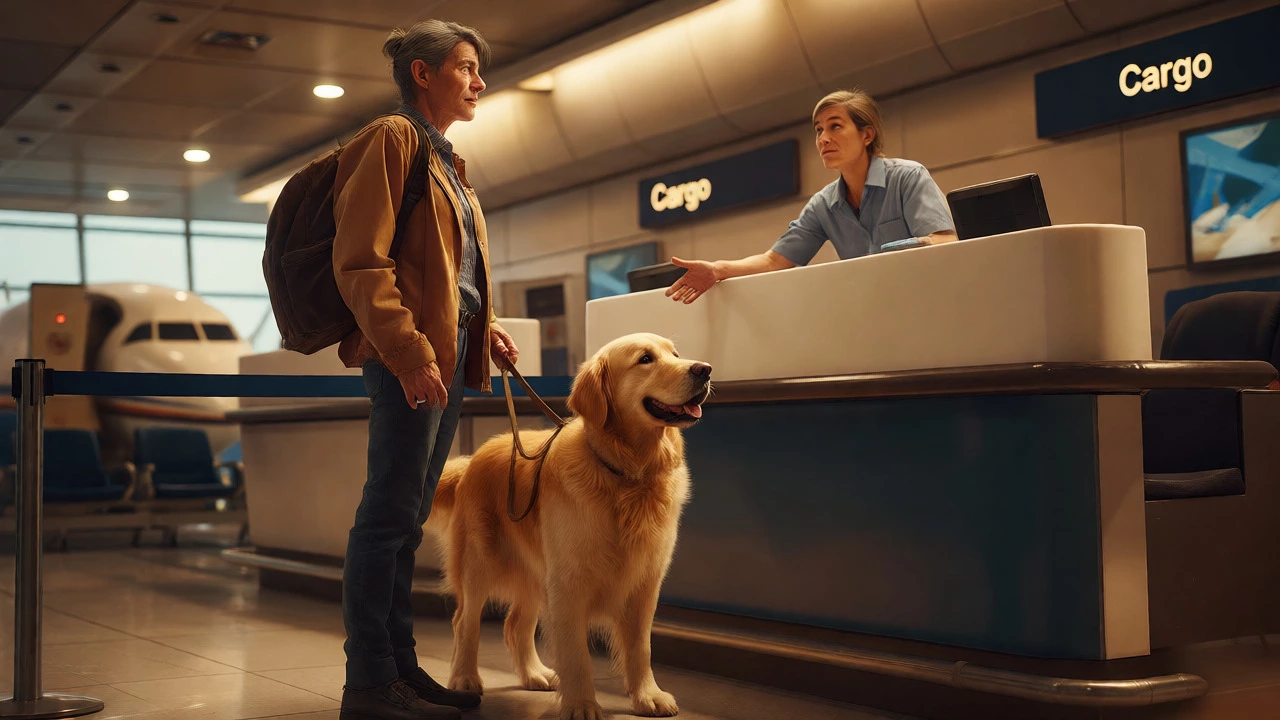
Picture this: You’re standing at the check-in counter, holding a leash attached to a 40-pound Golden Retriever mix named Barnaby. The agent looks at your dog, then at her screen, then back at your dog. "Sir, he’s too big for the cabin," she says. Your heart sinks. Do you really have to put your best friend in the cargo hold? For many owners of medium-to-large dogs, flying is a logistical nightmare wrapped in anxiety. But here’s the good news: it doesn’t have to be. With the right preparation and knowledge of current airline pet policies, you can navigate the skies without losing sleep.
The biggest hurdle isn’t the flight itself; it’s the rules. And those rules are strict. Most major airlines draw a hard line at around 20 pounds (9 kg) for pets allowed in the cabin. This limit usually includes the weight of the carrier plus the dog. A 40-pound dog, even if lean and athletic, almost always exceeds this combined limit. If you try to squeeze him under the seat, you risk being denied boarding or facing hefty fines mid-flight. So, if your dog is truly 40 lbs, you are likely looking at two options: finding an airline with more generous cabin limits (rare) or booking his spot in the pressurized, temperature-controlled cargo hold.
Can My 40 lb Dog Really Fit in the Cabin?
Let’s be real about the math. If your dog weighs 38 lbs and the carrier weighs 5 lbs, that’s 43 lbs. Even if an airline allows up to 25 lbs total, you’re still over. Some international carriers, like certain European or Asian airlines, might allow slightly larger animals in the cabin if they fit completely within the dimensions of a soft-sided carrier under the seat in front of you. However, US-based carriers like Delta, United, and American Airlines generally stick to the ~20-22 lb total limit.
Before you book, measure your dog. Not just the weight, but the height when sitting. He must be able to stand up, turn around, and lie down comfortably in his carrier. If he can’t do these three things, the airline will reject the carrier regardless of weight. For a 40-lb dog, this means a carrier that is roughly 18 inches high, which rarely fits under economy seats.
| Feature | Cabin (Rare Exceptions) | Checked Baggage/Cargo |
|---|---|---|
| Weight Limit | ~20-25 lbs (incl. carrier) | No strict upper limit (subject to crate size) |
| Cost | $95 - $125 USD (one way) | $200 - $400+ USD (depends on weight/distance) |
| Stress Level | Low (you are nearby) | Moderate (separation, noise) |
| Availability | Limited space per flight | Reserved spots required in advance |
| Best For | Small breeds only | Dogs over 25 lbs |
Choosing the Right Airline and Route
Not all planes are created equal. When you fly with a dog in the hold, you need a plane with a pressurized and heated cargo area. Older aircraft or smaller regional jets might not have climate-controlled holds. Always ask the airline specifically: "Is the cargo hold pressurized and temperature-controlled for live animals?" If they hesitate, walk away. Direct flights are your best friend. Every layover increases the risk of your dog missing the connection or getting exposed to extreme weather during tarmac transfers. In New Zealand, where I often plan trips, domestic flights on Air New Zealand are straightforward because their fleet is modern and well-equipped for pets. Internationally, look for hubs known for animal-friendly handling, such as Singapore Airlines or Emirates, which have dedicated animal lounges and specialized staff.
Avoid flying during extreme heat or cold. Many airlines have embargoes on shipping pets when temperatures exceed 85°F (29°C) or drop below 20°F (-6°C). This applies to both the departure and arrival cities. Check the forecast weeks in advance. If summer is approaching, consider traveling early in the morning or late at night when tarmac temperatures are cooler.
Selecting the Perfect Crate
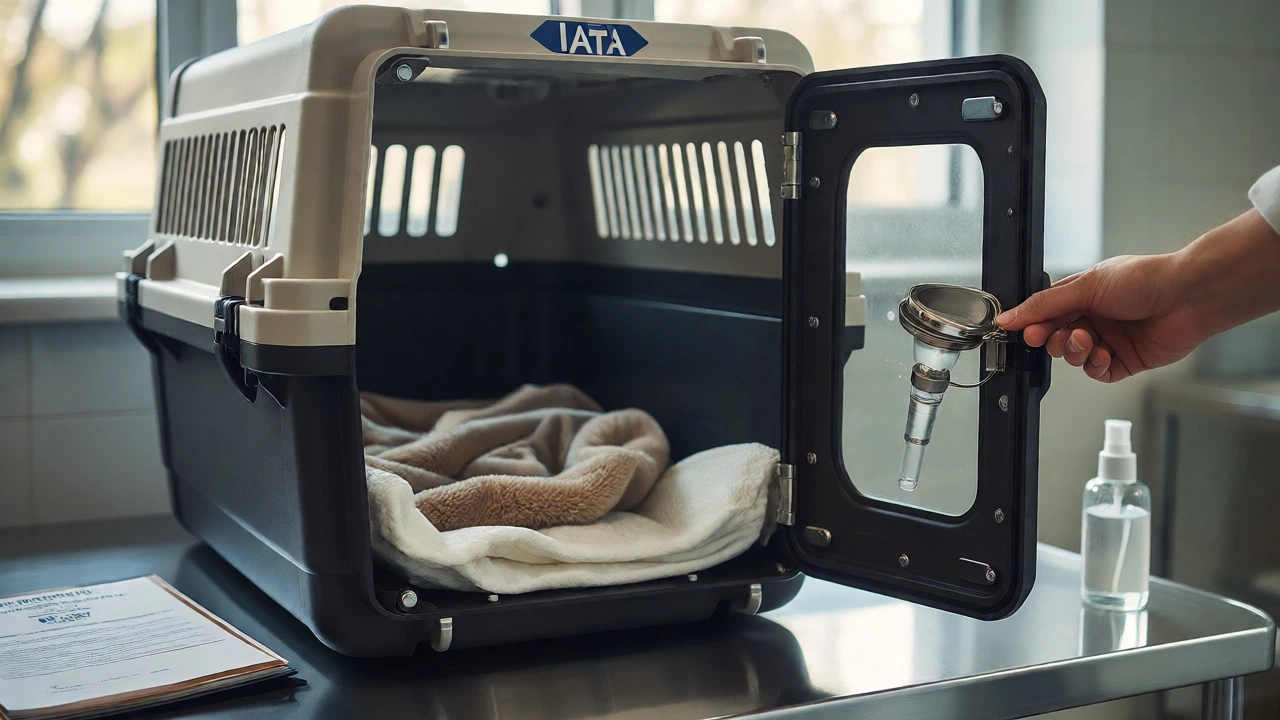
If your dog goes into the hold, the crate is his home for the journey. It’s not just a box; it’s a safety device. The International Air Transport Association (IATA) sets the global standard for pet crates. You cannot use just any wire kennel from the pet store. You need an IATA-compliant container.
Here’s how to size it correctly:
- Length: Measure your dog from nose to base of tail. Add half his body length. He needs room to stretch.
- Height: Measure from floor to top of head (or ears if erect). Add 2-3 inches. He must stand without touching the roof.
- Width: Measure shoulder width and add 2-3 inches.
The crate must have metal hardware. Plastic clips can snap under stress. Line the bottom with absorbent bedding-vet bed pads work great-and include a familiar-smelling blanket. Attach a water dispenser that hooks onto the door so handlers can top him off without opening the crate. Don’t forget to label it clearly with "Live Animals," your contact info, and destination details.
Preparing Your Dog for the Journey
You can’t just throw a nervous dog into a crate and hope for the best. Start training months in advance. Leave the crate open in your living room with treats inside. Let him sleep there overnight. Make it a positive space. If he panics at home, he’ll panic on the plane.
Veterinary checks are non-negotiable. Most countries require a health certificate issued within 10 days of travel. Visit your vet early. They will check for parasites, ensure vaccinations (especially rabies) are up to date, and discuss whether sedation is wise. Contrary to popular belief, most vets advise against sedating dogs for flights. Sedatives can lower blood pressure and impair breathing at high altitudes. Instead, focus on natural calming aids like Adaptil sprays or ThunderShirts.
Exercise him thoroughly before the airport. A tired dog is a calm dog. Take him for a long hike or play fetch until he’s panting happily. Then, give him a light meal 4 hours before departure. Avoid feeding right before the flight to prevent nausea or accidents in the crate.
At the Airport: What to Expect
Arrive early. At least 3 hours for international flights. You’ll need time to go through security if you’re carrying documents, and time to meet with the animal handling team. Keep your dog on a sturdy leash until the last possible moment. Remove the collar and tags before he enters the crate to prevent snagging, but keep the harness on if it helps with control during loading.
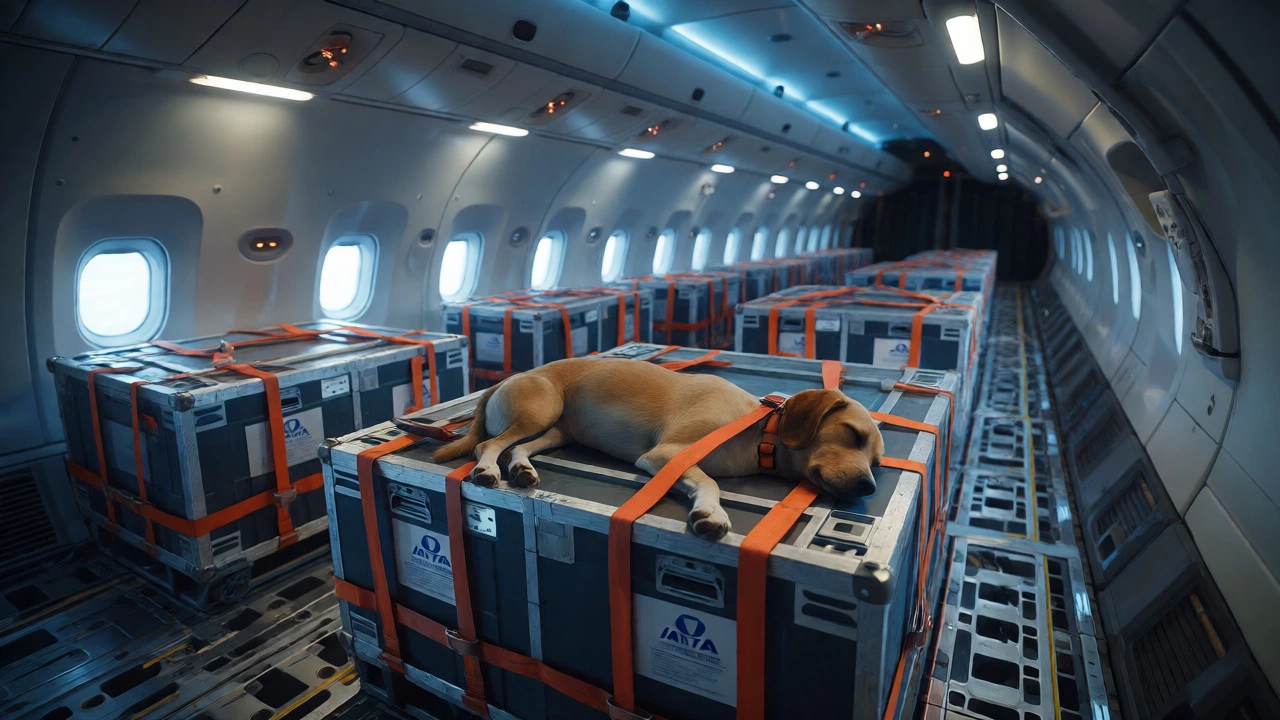
Watch the loading process if possible. Knowing your dog is safely secured reduces your own anxiety. Once he’s loaded, don’t worry too much. Modern cargo holds are quiet enough for sleeping and monitored by pilots who adjust pressure settings specifically for live animals.
Common Pitfalls to Avoid
One major mistake is assuming all airlines treat pets the same. Some count the dog as baggage, others as excess luggage. Costs vary wildly. Another pitfall is ignoring breed restrictions. Snub-nosed breeds (brachycephalic dogs like Bulldogs or Pugs) are often banned from cargo travel due to respiratory risks. A 40-lb Boxer might face different scrutiny than a 40-lb Labrador.
Also, don’t skimp on documentation. Missing paperwork can ground your dog while you fly ahead. Double-check import requirements for your destination country. Australia, for example, has strict quarantine protocols that require months of preparation.
Can I buy a separate seat for my 40 lb dog?
Yes, some airlines allow you to purchase an extra seat for a larger dog, provided he remains in an FAA-approved carrier or harnessed securely. However, this is expensive and subject to availability. It also requires the dog to stay leashed or crated throughout the flight, which may not be comfortable for a 40-lb animal in a cramped economy row.
Is cargo travel safe for dogs?
Statistically, yes. According to the US Department of Transportation, less than 0.5% of pets experience incidents during air travel. The key is using an IATA-compliant crate, choosing direct flights, and avoiding extreme weather conditions. Pressurized holds are safe for healthy adult dogs.
How much does it cost to fly a 40 lb dog?
For checked baggage/cargo, expect to pay between $200 and $400 USD one-way within the US, and significantly more internationally ($500-$1,000+). Additional fees apply for health certificates, crate rental, and special handling services.
Do I need to sedate my dog for the flight?
Most veterinarians recommend against it. Sedation can interfere with a dog's ability to regulate body temperature and balance at altitude, increasing the risk of injury or respiratory issues. Natural calming methods are preferred unless a vet prescribes specific anti-anxiety medication.
What happens if my flight is delayed?
If a delay occurs, airline staff are trained to check on live animals. Ensure your contact number is updated everywhere. In severe delays, the airline may move your dog to a pet lounge or hotel facility. Always confirm their protocol for long layovers.
Final Thoughts on Flying with Large Dogs
Flying with a 40-pound dog requires more legwork than flying with a Chihuahua, but it’s entirely manageable. The secret lies in preparation. Choose the right crate, pick a pet-friendly airline, avoid extreme weather, and train your dog to love his carrier. By treating the process as a project rather than a gamble, you ensure your furry co-pilot arrives happy, healthy, and ready for adventure.