Dog Bond Strength Calculator
Assessment Criteria
Answer honestly about your daily interactions to calculate your bond score.
Bond Result
Have you ever looked into your dog's eyes and wondered if they actually get it? When you squeeze their belly or whisper "good boy," is that just noise to them, or do they feel the warmth behind your words? It’s a question that keeps many of us up at night, especially when we’re planning dog friendly holidays or trying to deepen our daily connection. The short answer is yes. Science confirms that dogs are wired to understand human affection, but the way they process it is different from how we do.
Dogs don’t think in abstract concepts like "love" in the same philosophical way humans do. Instead, they experience attachment through chemical signals, body language, and routine. If you want to know if your dog knows you love him, you have to look past the cute tricks and examine the biology of bonding. This isn't just about feeling good; it's about understanding the mechanics of your relationship so you can build a stronger, more trusting partnership.
The Chemistry of Connection: Oxytocin and Eye Contact
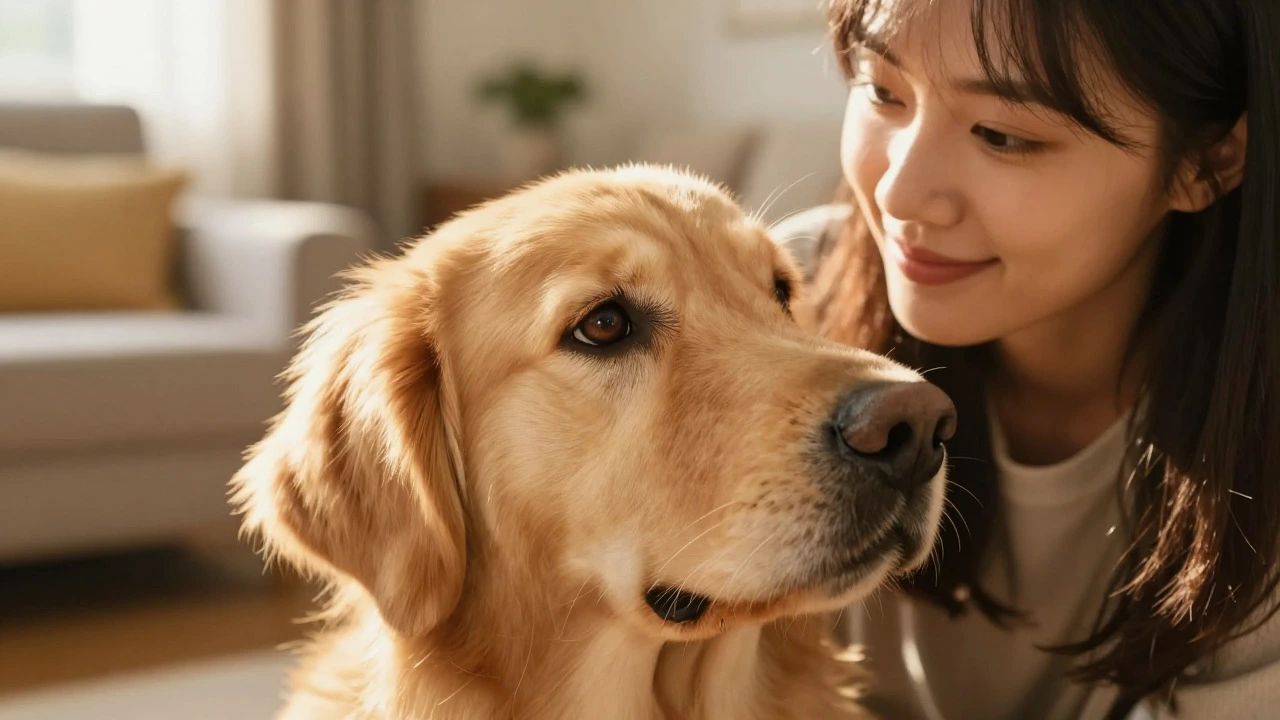
At the core of the human-dog bond is a hormone called oxytocin. Often dubbed the "love hormone," oxytocin plays a massive role in social bonding for both species. When you gaze into your dog's eyes, something remarkable happens in your brains. Research from Kyoto University showed that mutual gazing between owners and dogs increases oxytocin levels in both parties. This is the exact same feedback loop seen between human parents and infants.
This biological mechanism means that when you look at your dog with affection, your brain releases chemicals that make you feel calm and connected. Simultaneously, your dog’s brain does the same. They aren't just looking at you; they are chemically syncing with you. If your dog holds eye contact comfortably rather than averting their gaze (which can be a sign of stress), it is a strong indicator of trust and emotional closeness.
However, context matters. Forcing eye contact with a shy or fearful dog can trigger anxiety. You need to read their body language first. A relaxed posture, soft eyes, and a wagging tail signal readiness for interaction. A stiff body, whale eye (showing the whites of the eyes), or tucked tail suggests they need space. Understanding these cues is the first step in communicating love effectively.
Reading the Body Language: How Dogs Show Affection Back
If dogs knew how to speak English, they’d probably tell us exactly how much they appreciate us. Since they can’t, they use their bodies. Recognizing these signals helps you confirm that your efforts are landing correctly. Here are the most common ways dogs express love:
- Licking your face or hands: This behavior starts in puppyhood when mothers lick pups to stimulate digestion and clean them. As adults, dogs often lick humans as a submissive gesture of affection and respect. It’s their way of saying, "I acknowledge you as part of my pack, and I like you."
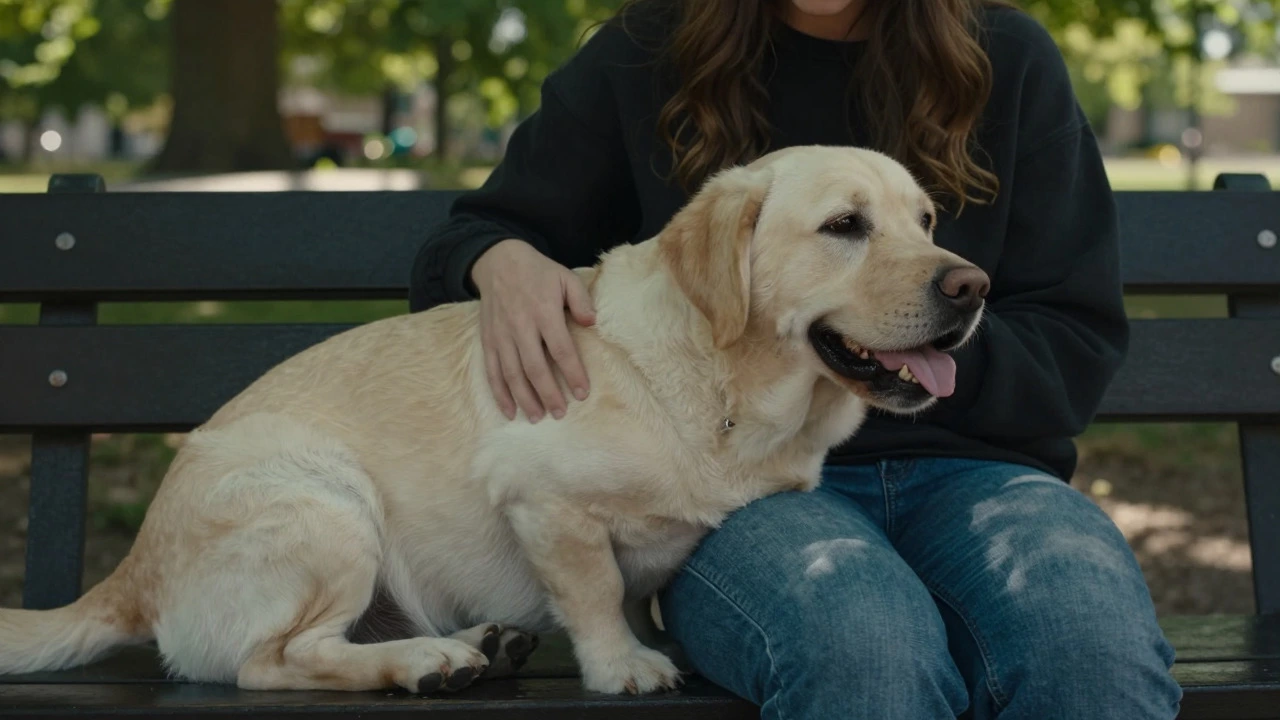
- Leaning against you: Have you ever tried to walk away, only to find your dog pressing their entire body weight against your leg? This isn't just clumsiness. Leaning is a deliberate act of seeking physical contact and security. It shows they value your presence and feel safe near you.
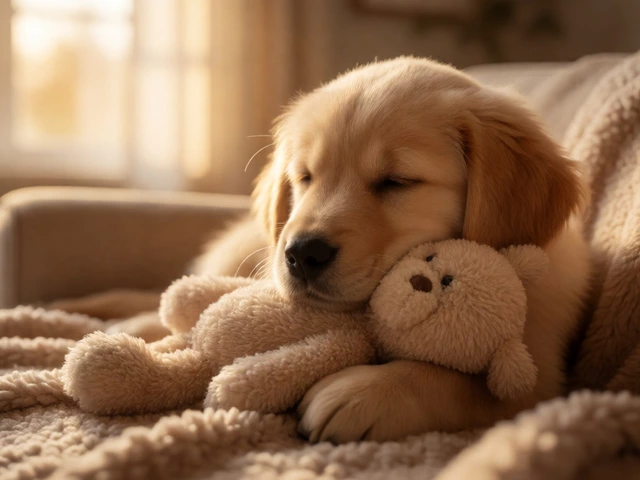
- Sleeping on or near you: Sleep is a vulnerable state. By choosing to sleep next to you, under your bed, or even on your chest, your dog is signaling ultimate trust. They believe you will protect them while they rest.
- Giving you gifts: Dropping a slobbery toy or a stick at your feet might seem annoying, but it’s actually a gift. In the wild, sharing food is a high-value social currency. Your dog is offering you something precious because they want to share joy with you.
These behaviors are not random. They are consistent patterns of social bonding. If you notice these actions frequently, your dog likely perceives you as a source of safety and comfort.
The Role of Routine and Predictability
Dogs thrive on predictability. While oxytocin handles the emotional side, routine builds the foundation of trust. When you feed your dog at the same time every day, take them for walks on a regular schedule, and maintain consistent house rules, you are telling them, "You can rely on me." This reliability reduces cortisol (the stress hormone) and reinforces the bond.
Inconsistency creates anxiety. If you sometimes let your dog jump on the couch and other times yell at them for doing so, they become confused. Confusion leads to stress, which erodes trust. Clear boundaries, enforced with kindness and consistency, help your dog understand their place in your life. This clarity allows them to relax and enjoy your company without worrying about what will happen next.
Consider this: when you plan dog friendly holidays, the disruption of routine can cause significant stress. To mitigate this, bring familiar items like their bed, favorite toy, or a piece of clothing with your scent. These anchors help your dog navigate the new environment by providing a sense of continuity. They know that even though the scenery has changed, their trusted human is still there, maintaining the bond.
Vocal Tone and Emotional Contagion
Dogs are incredibly sensitive to vocal tone. They may not understand the definition of the word "love," but they instantly recognize the pitch, pace, and volume of your voice. A high-pitched, gentle tone triggers positive associations, while a low, harsh tone signals danger or anger. This ability to decode emotional intent is rooted in their evolutionary history alongside humans.
Studies have shown that dogs respond more strongly to tone than to specific words. If you say "bad dog" in a happy, upbeat voice, your dog will likely wag its tail. If you say "good boy" in a stern, angry tone, they may cower. This highlights the importance of matching your verbal praise with appropriate body language and tone.
Emotional contagion also plays a role. Dogs are empathetic creatures. If you are crying, they often come to comfort you, bringing you a toy or resting their head on your lap. They detect changes in your breathing, heart rate, and pheromones. This empathy strengthens the reciprocal nature of the bond. They don't just receive love; they actively participate in soothing you.
Training as an Act of Love
Many people view training as a chore or a method of control. In reality, effective training is one of the deepest forms of communication and love. Positive reinforcement training-rewarding desired behaviors with treats, praise, or play-builds confidence and strengthens the owner-dog relationship. It teaches your dog how to interact with the world safely and gives them a job to do.
When you train your dog, you are engaging in cooperative problem-solving. You present a challenge (sit, stay, come), and your dog works with you to solve it. Success releases dopamine, creating a positive feedback loop. Over time, your dog learns that listening to you leads to good things. This association transforms obedience from a demand into a desire.
Furthermore, training provides mental stimulation. A bored dog is often a destructive dog. By incorporating short, fun training sessions into your daily routine, you keep their mind sharp and engaged. This investment in their well-being demonstrates that you care about their quality of life, not just their appearance or convenience.
Signs Your Dog Might Be Stressed or Distant
Not all signs are positive. Sometimes, despite our best efforts, dogs may pull away due to fear, pain, or past trauma. Recognizing these red flags is crucial for addressing underlying issues before the bond deteriorates.
| Behavior | Affectionate/Trusting Sign | Stressed/Fearful Sign |
|---|---|---|
| Eyes | Soft, relaxed, occasional blinking | Hard stare, whale eye, rapid blinking |
| Tail | Loose, full-body wag | Stiff, high, or tucked between legs |
| Body Posture | Relaxed, leaning in, rolling over | Stiff, hiding, pacing, yawning excessively |
| Vocalization | Happy whines, content sighs | Growling, snapping, high-pitched whining |
If you notice frequent signs of stress, consult a veterinarian to rule out medical issues. Pain can manifest as behavioral changes. If health is not the culprit, consider working with a certified animal behaviorist. Patience and professional guidance can rebuild trust even in damaged relationships.
Strengthening the Bond During Travel
Traveling with your dog can be a wonderful way to deepen your bond, but it requires preparation. Dog friendly holidays offer unique opportunities for shared adventure, but they also introduce novel stimuli that can overwhelm sensitive pups. The key is gradual exposure and maintaining core routines.
Before a big trip, practice short car rides or stays in temporary accommodations. Pack a "comfort kit" including their usual food, water bowl, bedding, and toys. Familiar scents and tastes provide stability amidst change. During the holiday, prioritize quiet moments together. Take slow walks in new environments, allowing your dog to sniff and explore at their own pace. This shows respect for their sensory needs and reinforces that you are their guide and protector.
Remember, the goal isn't just to survive the trip but to create positive memories. Celebrate small victories, like staying calm during thunderstorms or greeting new friends politely. These shared successes build a narrative of teamwork and resilience.
Frequently Asked Questions
How long does it take for a dog to bond with a new owner?
The timeline varies significantly based on the dog's age, history, and temperament. Puppies often bond within weeks, while adult rescue dogs with trauma may take months or even years. Consistency, patience, and positive reinforcement are critical factors in accelerating this process. There is no fixed deadline; focus on building trust incrementally.
Can dogs remember being loved after being separated for a long time?
Yes, dogs have impressive long-term memory, especially regarding emotional experiences and scents. Reunions with former owners often result in enthusiastic greetings, suggesting they retain positive associations. However, habits and routines may need re-establishment. The emotional bond remains, but the practical dynamic might require adjustment.
Why does my dog follow me everywhere?
This behavior, often called "velcro dog" syndrome, stems from a strong attachment and pack mentality. Dogs see you as their leader and primary source of security. Following you ensures they stay close to protection and social interaction. It is generally a sign of affection, though excessive separation anxiety may require behavioral intervention.
Do dogs prefer certain types of touch?
Most dogs enjoy scratching behind the ears, rubbing the chest, or gentle back scratches. However, preferences vary individually. Some dislike having their paws or tails touched. Observe your dog's reaction to different touches. If they lean in or relax, continue. If they move away or tense up, respect their boundary. Consent-based handling builds deeper trust.
Is playing fetch a form of love for dogs?
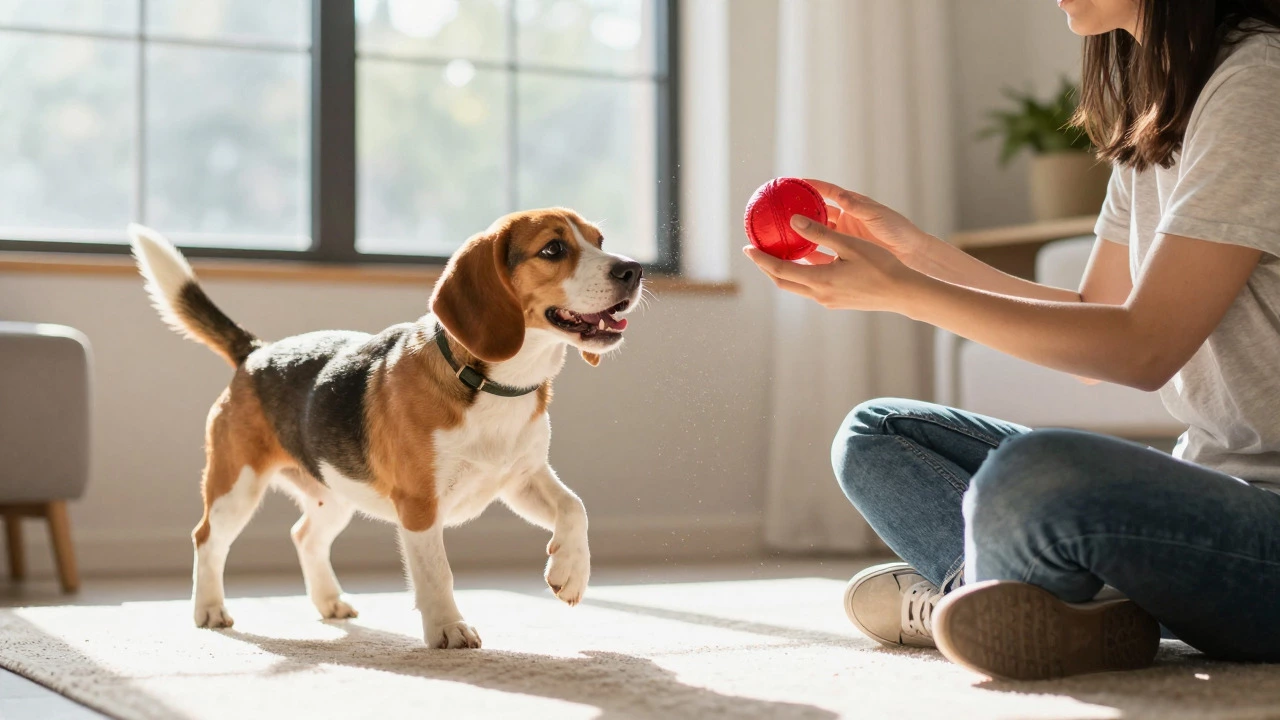
Absolutely. Play is a primary language of connection for dogs. Fetch combines physical exercise, mental stimulation, and cooperative interaction. Returning the ball to you signifies trust and a desire to continue the game. Regular play sessions release endorphins and strengthen the social bond, making it a vital component of showing and receiving love.