Canine Sleep Comfort Calculator
Enter your dog's details and current room temperature to receive personalized advice on their sleeping comfort.
Assessment Result
Recommended Actions:
You come home on a chilly Auckland evening, flip on the heater, and notice your dog has curled up tight in the draftiest corner of the hallway. You worry they're freezing. Or maybe you see them sprawled out on the tile floor in July, looking perfectly content while you shiver under three blankets. It raises a common question: do dogs like to sleep in cold rooms? The answer isn't a simple yes or no. It depends entirely on who that dog is, what they're wearing (or not wearing), and where their body heat goes when they shut their eyes.
Dogs are mammals, just like us, but their internal heating systems work differently. Understanding how your dog regulates temperature helps you stop guessing and start creating a sleep environment that actually works for them. We'll look at breed differences, the science of canine thermoregulation, and how to pick the right dog bed to manage warmth without overheating.
The Science Behind Canine Comfort Zones
Humans sweat through our skin to cool down. Dogs don't have that luxury across most of their bodies. They pant to release heat from their tongues and lungs, and they lose some warmth through the pads of their feet. This means their ability to handle cold versus heat is tied directly to their coat type and body mass.
When we talk about "cold," we need to define it relative to the dog's baseline. A healthy adult dog generally feels comfortable in ambient temperatures between 10°C and 25°C (50°F-77°F). Below 10°C, short-haired breeds might start feeling chilly. Above 25°C, thick-coated breeds can overheat quickly if airflow is poor.
| Breed Category | Coat Type | Cold Tolerance | Ideal Sleeping Temp |
|---|---|---|---|
| Husky | Double-layered, dense undercoat | High | -5°C to 15°C |
| Greyhound | Single-layer, thin fur | Low | 18°C to 24°C |
| Labrador Retriever | Water-resistant double coat | Moderate-High | 10°C to 20°C |
| Chihuahua | Short, fine hair | Very Low | 20°C to 26°C |
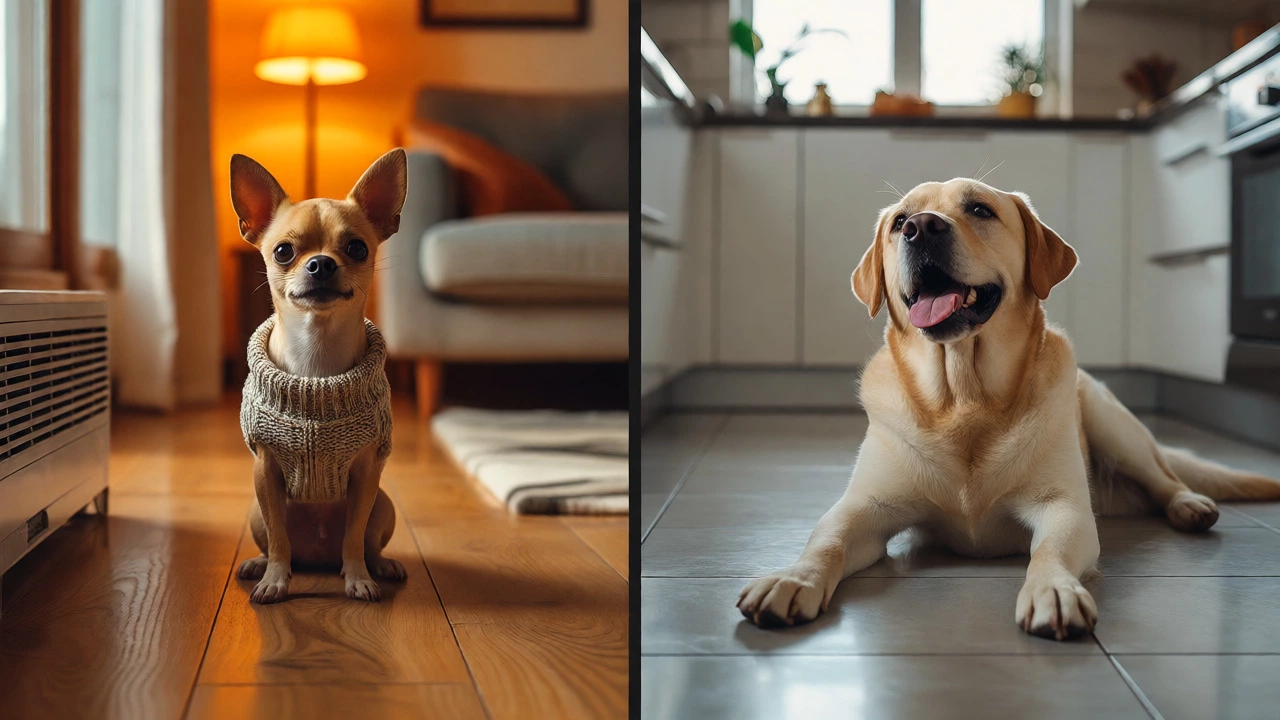
Notice the gap? A Husky sleeping in a 15°C room is basically lounging in a spa. A Chihuahua in that same room is likely seeking a heat source. If you're trying to force a single "perfect" temperature for all dogs, you're fighting biology.
Why Your Dog Chooses That Spot
If your dog sleeps on the concrete floor in summer, they aren't being stubborn. Concrete conducts heat away from the body efficiently. It’s a natural cooling pad. Conversely, if they burrow under your duvet in winter, they’re trapping warm air around their core. Dogs instinctively seek thermal neutrality-the point where they don't have to expend energy to stay warm or cool.
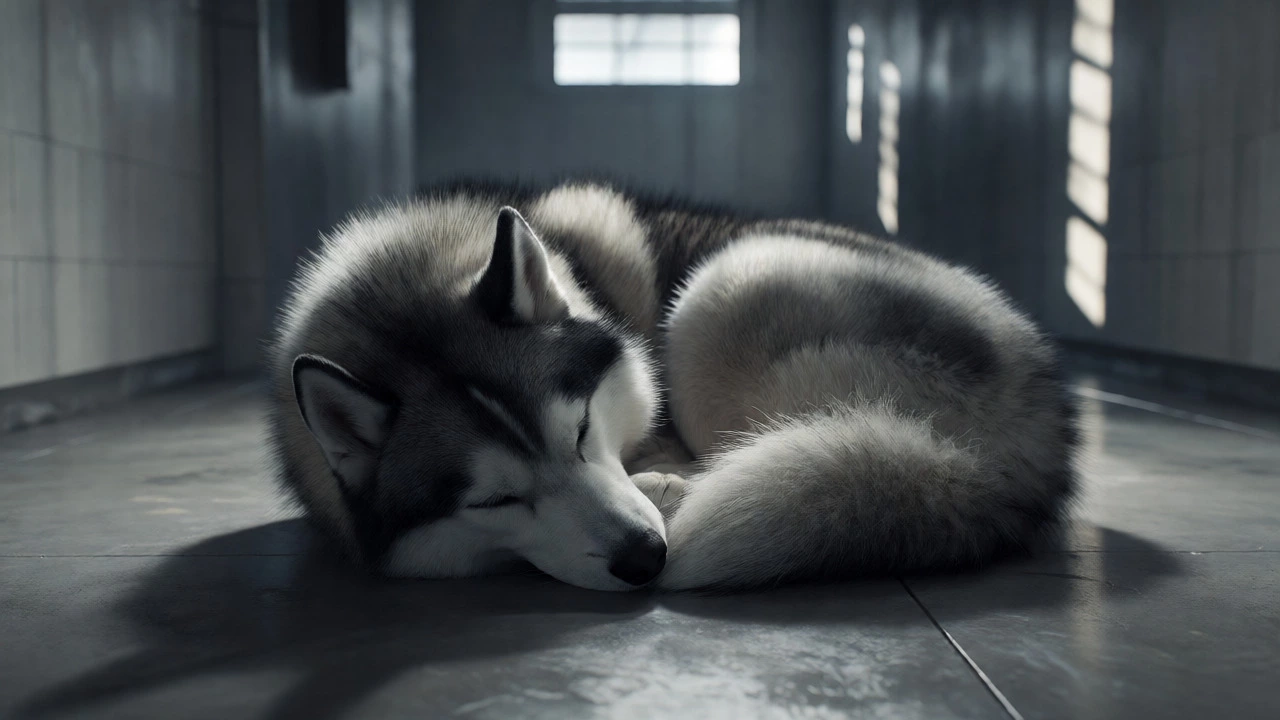
This behavior is called behavioral thermoregulation. Since they can't put on a sweater, they move themselves. In colder months, you might notice your dog curling into a tight ball. This minimizes surface area exposed to the air, reducing heat loss. In warmer months, they stretch out on their sides or backs to maximize surface area contact with cooler surfaces.
However, there's a trap here. If a room is too cold, a dog might curl up so tightly they restrict blood flow to their extremities, leading to discomfort or even joint stiffness upon waking. Older dogs, especially those with arthritis, hate cold floors because the chill exacerbates joint pain. For them, "cold" doesn't just mean uncomfortable; it means painful.
Risk Factors: When Cold Becomes Dangerous
Not all dogs process cold the same way. Several factors make a room feel significantly colder to a specific dog than it does to you.
- Body Fat Percentage: Subcutaneous fat acts as insulation. Lean breeds like Whippets or Greyhounds lack this layer. They lose heat rapidly. An overweight dog might tolerate cold better due to insulation but risks other health issues.
- Age: Puppies cannot regulate their body temperature effectively until they are several weeks old. Senior dogs often have slower metabolisms and reduced circulation, making them more susceptible to hypothermia in drafty rooms.
- Health Conditions: Dogs with thyroid issues (hypothyroidism) run colder. Those with heart disease may have poor circulation to their paws and ears.
- Fur Length: Hairless breeds like the Chinese Crested or Xoloitzcuintli need external warmth regardless of the season if the ambient temp drops below 20°C.
In New Zealand, winters are damp rather than brutally dry-cold. Dampness penetrates fur faster than dry air. A dog sleeping in a garage or a poorly insulated sunroom during an Auckland winter night can get chilled to the bone, even if the thermometer reads 8°C. Moisture strips heat away from the body much faster than dry air does.
Choosing the Right Bed for Temperature Control
Your choice of orthopedic dog bed can bridge the gap between a cold room and a comfortable sleep. Not all beds are created equal. Some insulate; others breathe.
For cold rooms, you want insulation that blocks conductive heat loss. Memory foam is excellent for support but doesn't inherently retain heat unless it has a thermal lining. Fleece-lined bolsters help trap warm air around the head and neck, which are high-heat-loss areas. Elevated cots, conversely, allow air to circulate underneath, preventing the buildup of humidity but potentially letting cold drafts pass through.
If your dog loves the cold, avoid heavy, enclosed caves. These trap heat. Instead, opt for a flat mat with a washable, breathable cover. If your dog hates the cold, look for self-warming pads. These use reflective mylar layers to bounce the dog's own body heat back up, requiring no electricity. They are safer than electric heating pads, which can malfunction or cause burns if the dog chews the cord.
Practical Setup Tips
- Avoid Drafts: Place the bed away from windows and doors. Even a slight breeze can lower the perceived temperature by several degrees.
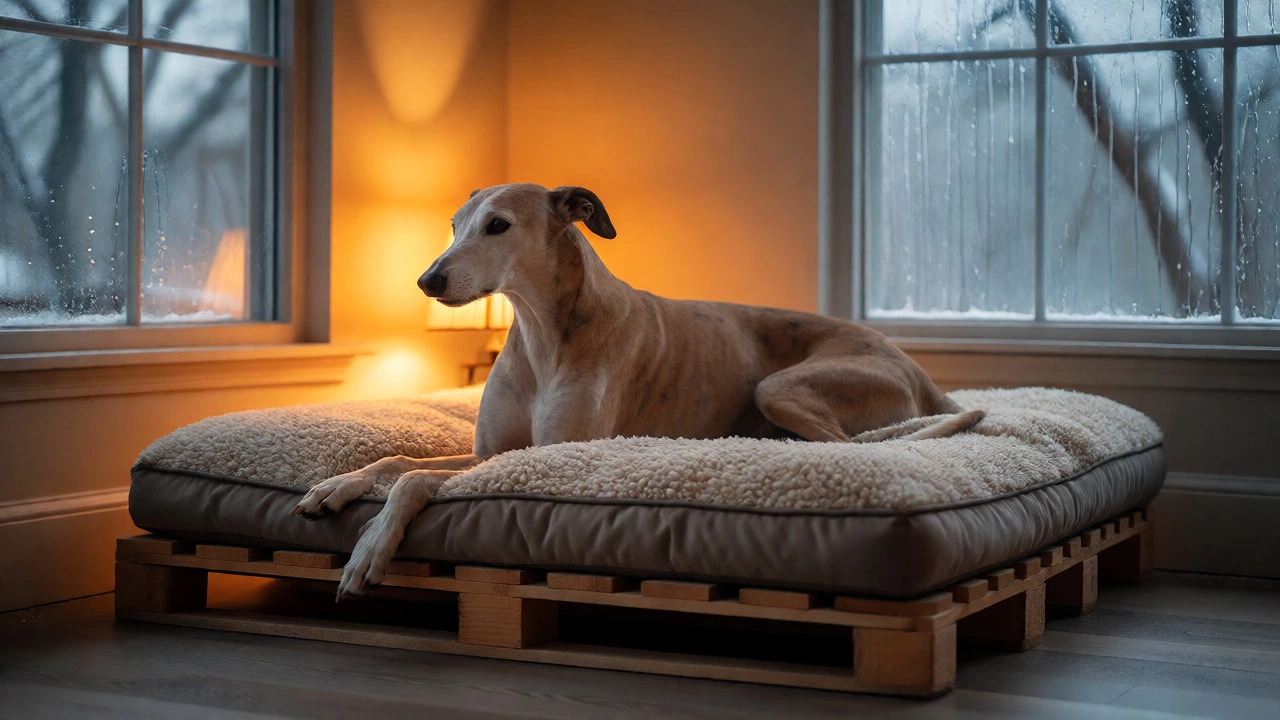
- Elevate Slightly: Putting a bed directly on a cold tile or concrete floor drains heat via conduction. Use a rug or a wooden pallet base to create a barrier.
- Layer Options: Provide a blanket next to the bed. Let the dog choose whether to use it. This gives them control over their microclimate.
- Monitor Humidity: In damp climates, ensure the bed material dries completely after washing. A damp bed will feel ice-cold within hours.
Signs Your Dog Is Too Cold
How do you know if your dog is actually suffering? Look for these physical cues:
- Trembling or Shivering: This is the most obvious sign. It’s the body’s attempt to generate heat through muscle activity.
- Whining or Restlessness: A dog that can't settle down is likely uncomfortable. They may pace or refuse to lie still.
- Lifting Paws: If they keep lifting one paw then the other, the floor is too cold for their sensitive pads.
- Seeking Warmth: Constantly moving toward heaters, fireplaces, or sunny spots indicates they are actively trying to raise their core temperature.
- Slow Movement: Upon waking, if they stiffen up and move slowly, their muscles and joints may be chilled.
Conversely, signs of overheating include excessive panting while resting, drooling, and seeking out cool tiles. If your dog is sleeping in a cold room but seems happy, relaxed, and stretches out fully, they are likely fine. Don't project human feelings onto them. Just because you wear socks in the house doesn't mean your Labrador needs a jumper.
Special Considerations for NZ Homes
New Zealand housing stock varies wildly. Many older villas have timber floors that are notoriously cold in winter. Modern builds with polished concrete require careful management. If you live in a well-insulated home with heat pumps, your dog might actually prefer a slightly cooler spot away from the direct blast of warm air. Heat pumps can create uneven temperature zones.
Consider the location of the bed. South-facing rooms in the Southern Hemisphere get less sun. North-facing rooms get more. Moving a dog bed from a south-facing bedroom to a north-facing living room can change the sleep quality dramatically without changing the thermostat setting.
Also, think about grooming. A matted coat loses its insulating properties. Regular brushing keeps the undercoat fluffy, which traps air and retains heat. Conversely, shaving a double-coated breed in winter removes their natural insulation. Never shave a Husky or Shepherd in winter unless medically necessary; they rely on that coat to survive the cold.
Frequently Asked Questions
Is it safe for dogs to sleep outside in cold weather?
It depends on the breed and acclimatization. Hardy breeds like Samoyeds can handle sub-zero temperatures if they have a dry, windproof shelter. However, small, short-haired, or elderly dogs should never sleep outdoors when temperatures drop below 10°C, especially if it is wet or windy. Always provide insulated bedding off the ground.
Should I buy a heated dog bed for winter?
Heated beds are useful for arthritic senior dogs or hairless breeds. However, many dogs find them too hot. Self-warming mats are often a better first step because they reflect the dog's own body heat and prevent overheating. If using an electric bed, ensure it has an automatic shut-off feature and chew-resistant cords.
Why does my dog sleep in the fridge room?
If your kitchen is cooler due to the refrigerator vent or tiled floors, your dog is likely seeking thermal relief. This is common in summer or for thick-coated breeds. As long as the area is clean and free of toxic foods, it's a smart choice by the dog to regulate their body temperature.
Can dogs get hypothermia indoors?
Yes, though it's rare in healthy adults. Hypothermia can occur in puppies, seniors, or sick dogs left in unheated rooms with damp bedding for extended periods. Signs include lethargy, weak pulse, and pale gums. If you suspect hypothermia, wrap the dog in warm towels and contact a vet immediately.
Does fur color affect how warm a dog stays?
Dark fur absorbs more solar radiation, which can help warm a dog lying in sunlight. However, once inside away from direct sun, fur color matters little compared to fur density and length. Insulation comes from the trapped air within the coat, not the pigment.
Final Thoughts on Sleep Environment
Your dog knows what it needs. Watch their behavior. If they are shivering, add warmth. If they are panting, remove it. The goal is a neutral zone where they can sleep deeply without wasting energy regulating their temperature. By matching the bed type to the room conditions and the dog's biology, you ensure restful nights for both of you.