Leash Gear & Training Strategy Selector
Select the option that best describes your dog's current behavior to get a personalized gear recommendation and training plan.
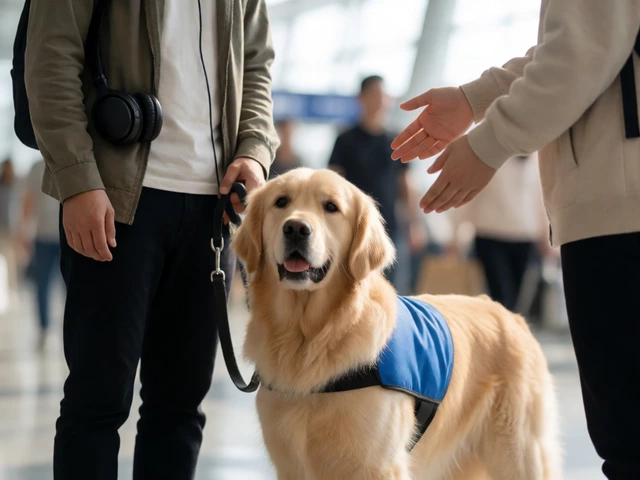
The Curious Sniffer
Pulls occasionally to investigate smells or sights. Stops if called. Manageable but gets distracted easily.
Mild PullingThe Energetic Explorer
Consistently pulls forward. High energy. Hard to stop once they see something interesting. You often struggle to keep up.
Moderate PullingThe Powerhouse / Reactive
Strong, relentless pulling. May growl or snap at other dogs/people. Drags you off course completely. Very difficult to control.
Severe PullingRecommended Strategy for Your Dog
Best Equipment
--
--
Training Technique
--
--
- ✅ --
- ✅ --
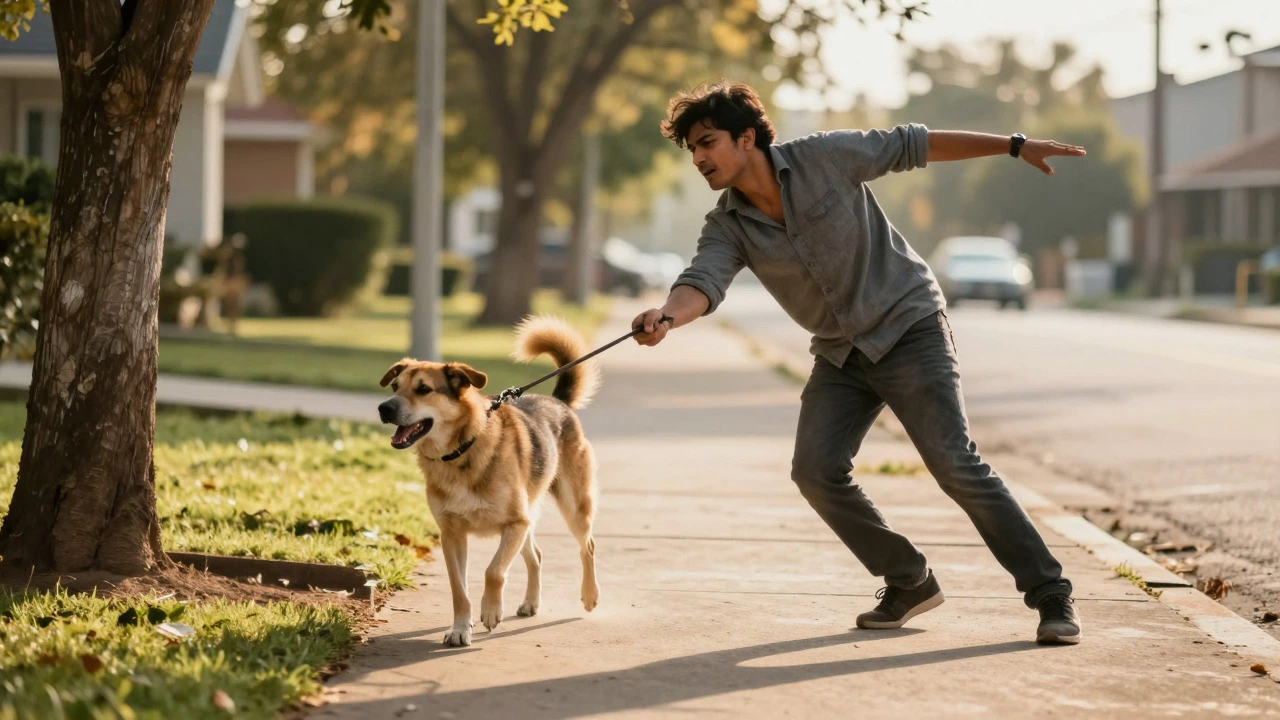
There is nothing quite as frustrating as taking your dog for a walk only to end up looking like you’re being dragged through the park. You step out the door with good intentions-fresh air, exercise, maybe a chat with a neighbor-but within two minutes, your arm is numb, your shoulder is screaming, and your dog is sniffing every blade of grass while you hang on for dear life. If this sounds familiar, you are not alone. Pulling is one of the most common behavioral issues owners face, but it is also one of the most solvable.
The key to stopping a dog that constantly pulls lies in understanding why they do it and using the right combination of gear and technique. It is rarely about dominance; usually, it is about excitement, lack of focus, or simply learning that pulling works to get them where they want to go faster. By adjusting your approach and potentially swapping your equipment, you can transform those chaotic strolls into peaceful walks.
Why Does Your Dog Pull?
Before you can fix the problem, you have to understand the motivation. Dogs don’t pull because they are trying to annoy you. They pull because it gets results. When your dog lunges forward toward a squirrel or another dog, and you follow-even if you’re struggling against them-they learn that pulling equals movement. This is known as positive reinforcement. The behavior is rewarded by reaching the destination.
Another major factor is sensory overload. The world outside is a buffet of smells, sounds, and sights. For a dog, smelling a tree isn’t just a hobby; it’s reading the neighborhood news. When they smell something interesting, their instinct takes over. Their brain goes into high gear, and their body reacts before their mind can process your cue to stay close. This is especially true for high-energy breeds or dogs who haven’t had enough mental stimulation before the walk.
Additionally, many dogs simply haven’t been taught what "loose leash" means. We often assume dogs know how to walk beside us, but unless we explicitly teach them that position is rewarding, they will naturally wander ahead. Understanding these drivers helps you choose the right strategy rather than just reacting with frustration.
The Right Gear Makes All the Difference
If your current setup involves a standard collar and a long retractable leash, you might be fighting an uphill battle. The type of equipment you use significantly impacts your ability to control and communicate with your dog. While gear alone won’t train your dog, it provides the mechanical advantage needed to implement training techniques effectively.
| Equipment Type | Best For | Potential Risks | Control Level |
|---|---|---|---|
| Standard Flat Collar | Calm dogs, short walks | Tracheal damage, slipping off | Low |
| Front-Clip Harness | Moderate pullers, teaching loose leash | Chafing if ill-fitted | High |
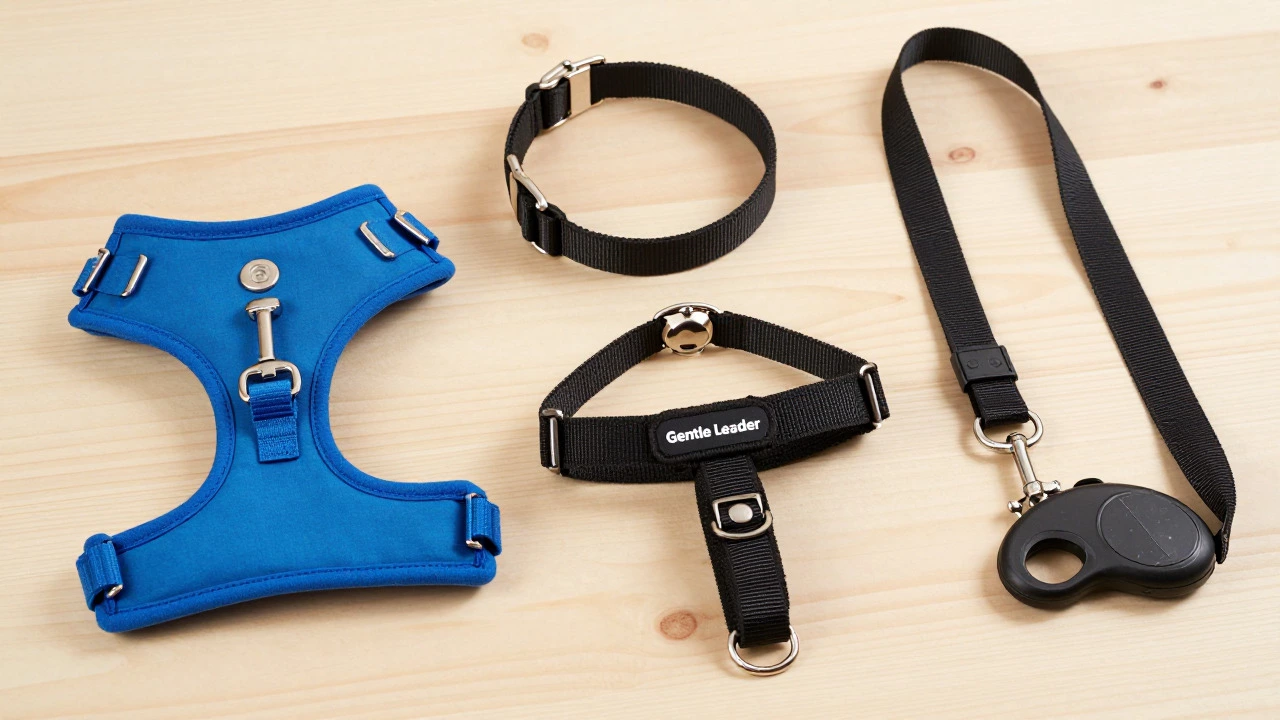
| Head Halter (e.g., Gentle Leader) | Strong pullers, reactive dogs | Requires acclimation, neck strain if jerked | Very High |
| Retractable Leash | Open field exploration (not training) | Encourages pulling, burn injuries | None |
A front-clip harness is a specialized dog harness where the leash attaches to a ring on the chest, redirecting the dog's momentum when they pull is often the game-changer for moderate pullers. When the dog lunges forward, the harness gently turns their body toward you, breaking their forward momentum without choking them. It makes pulling physically awkward for the dog, encouraging them to check back with you.
For stronger dogs or those who have ingrained pulling habits, a head halter like a Gentle Leader or Halti can be effective. These work similarly to how a horse bit works, controlling the head to control the body. However, they require a proper introduction period so the dog doesn’t associate the gear with pain or restriction. Avoid retractable leashes during training phases, as the constant tension teaches the dog that pulling keeps the leash tight and allows them to keep moving forward.
Training Techniques That Actually Work
Once you have the right gear, you need a consistent method. The goal is to make walking nicely more rewarding than pulling. Here are three proven techniques to start implementing today.
1. The Be a Tree Method
This is the simplest and most immediate way to break the habit of pulling. Whenever the leash goes taut, stop immediately. Plant your feet like a tree. Do not yank the dog back; just stand still. Most dogs will pull until they feel resistance, then look back at you to see what’s happening. The moment the leash loosens, even slightly, mark that behavior with a "yes" or a clicker, reward them with a treat, and resume walking. If they pull again, stop again. Consistency is key here. If you give in and move forward while the leash is tight, you’ve taught them that pulling eventually works.
2. Change Direction
Instead of just stopping, try changing direction. If your dog pulls to the left, calmly turn and walk to the right. Ask them to follow you. This engages their brain and requires them to pay attention to your movements. Start by doing U-turns when they get ahead of you. Over time, they will learn to stay close to your leg because they never know when you might change course. This technique transforms the walk from a linear drag into a collaborative game.
3. Reward Proximity
Dogs repeat behaviors that are rewarded. Make sure your dog knows that being near you pays off. Carry high-value treats-think chicken, cheese, or commercial training treats-and toss them at your dog’s feet or next to your leg whenever they are walking loosely. You can also use a "find it" command, tossing treats on the ground near you so they sniff and eat while staying close. This satisfies their urge to explore scents without allowing them to drag you across the street.
Common Mistakes to Avoid
Even with the best intentions, many owners sabotage their progress with small errors. One of the biggest mistakes is inconsistency. If you enforce loose-leash walking on Tuesday but let your dog drag you on Saturday because you’re in a hurry, the dog remains confused. Pick a rule and stick to it every single time you pick up the leash.
Another common error is starting training in high-distraction environments. Don’t take your dog to the busy dog park to practice loose-leash walking. Start in your quiet backyard or a low-traffic street. Gradually increase the difficulty as your dog improves. Trying to train a strong puller in a stimulating environment is like trying to learn calculus in a rock concert-it’s nearly impossible to focus.
Finally, avoid jerking the leash. Yanking backward creates a tug-of-war dynamic. It increases tension and can cause physical injury to your dog’s neck or trachea. Instead, use the stops and direction changes to manage the energy. Keep your own posture relaxed; if you’re tense, your dog will sense it and become more anxious or excited.
When to Seek Professional Help
Sometimes, pulling is a symptom of a deeper issue, such as reactivity or anxiety. If your dog growls, snaps, or becomes overly stressed when encountering other dogs or people, basic leash training might not be enough. In these cases, consulting a certified professional dog trainer or a veterinary behaviorist is crucial. They can assess whether the pulling is driven by fear, aggression, or pure excitement and tailor a plan accordingly.
Remember, training takes time. A dog that has pulled for years won’t unlearn the habit in a week. Aim for small victories. Celebrate the five seconds of loose leash walking instead of focusing on the ten minutes of dragging. With patience, the right gear, and consistent practice, you can reclaim your walks and enjoy the outdoors with your canine companion again.
How long does it take to stop a dog from pulling?
It varies depending on the dog's age, breed, and how long they've been pulling. Generally, you should see noticeable improvement within 2 to 4 weeks of consistent daily practice. However, full mastery may take several months. Patience and consistency are more important than speed.
Is a front-clip harness better than a back-clip harness for pullers?
Yes, for dogs that pull, a front-clip harness is generally superior. A back-clip harness gives the dog more leverage and can encourage pulling, similar to a sled dog harness. A front-clip harness redirects the dog's momentum toward you when they lunge, making it harder for them to pull forward effectively.
Can I use a retractable leash to train my dog not to pull?
No, retractable leashes are generally discouraged for training loose-leash walking. They maintain constant tension, which signals to the dog that pulling is acceptable. They also offer little control in emergency situations. Use a fixed-length leash (4 to 6 feet) for training.
What if my dog pulls because they are reactive to other dogs?
If reactivity is the cause, basic "be a tree" methods may not suffice. You may need to manage distance carefully, using tools like a head halter for safety. Consider working with a certified trainer who specializes in reactivity to desensitize your dog to triggers while managing their arousal levels.
Should I punish my dog for pulling?
Physical punishment or harsh corrections are generally ineffective and can damage your bond. Positive reinforcement methods, such as rewarding loose leash walking and removing the reward (movement) when pulling occurs, are safer and more sustainable long-term strategies.