Cat Food Satiety & Volume Calculator
Select Food Type
Choose the primary food source for your cat to see how it affects satiety signals.
Calculate Daily Volume
Analysis Results
Why This Matters for Satiety
| Feature | Wet Food Impact | Dry Food Impact |
|---|---|---|
| Stomach Distension | High volume fills stomach physically, signaling fullness via stretch receptors. | Small volume allows cat to eat more calories without feeling physically full. |
| Hormonal Response | High protein triggers leptin release, suppressing ghrelin (hunger hormone). | Carb-heavy diet may not trigger strong satiety hormones, leading to grazing. |
| Eating Duration | Slower eating due to texture; promotes mindful consumption. | Easy to consume quickly; encourages rapid intake before satiety signals kick in. |
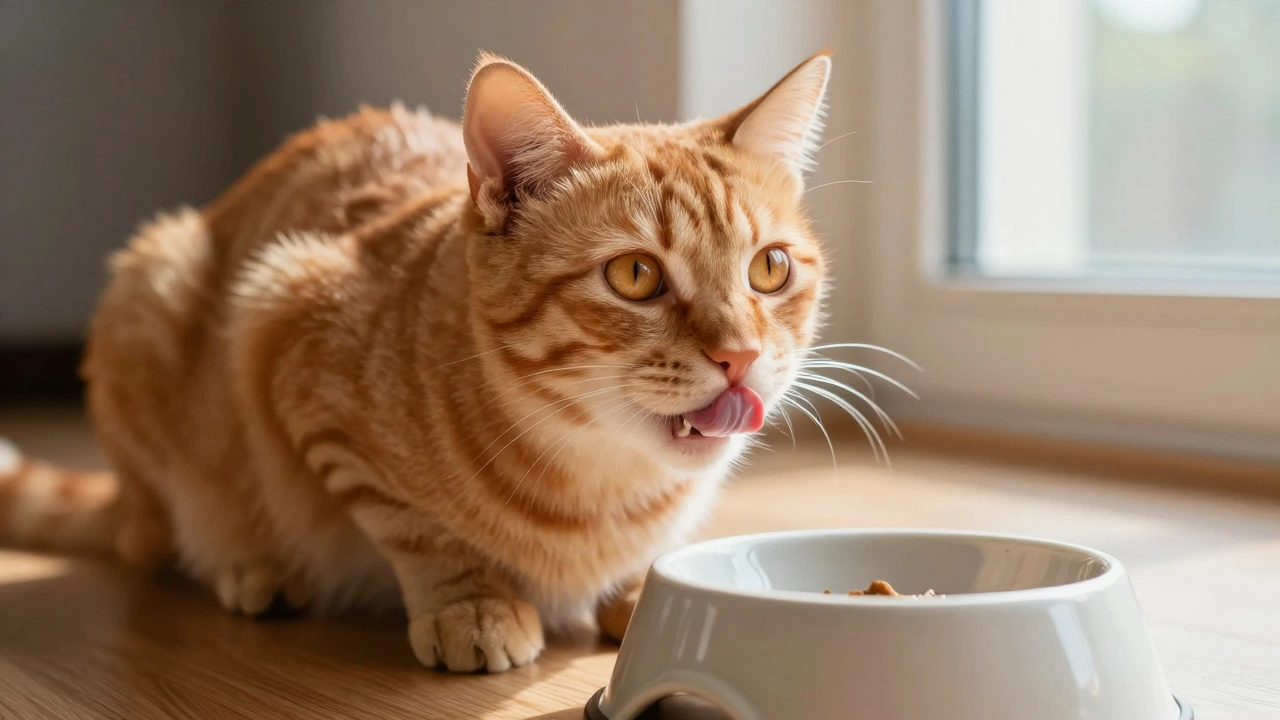
You watch your cat finish a bowl of kibble in record time. They look up at you with wide eyes, meow softly, and lick their lips. Is that hunger? Or are they just done? This is one of the most common questions for new pet owners. The short answer is yes, cats have a natural mechanism to tell them when they are full. However, it is not as simple as a human feeling a heavy stomach after a Thanksgiving dinner. Feline biology works differently, and understanding how cat satiety is the physiological process by which cats signal the end of a meal based on nutritional needs rather than volume can save you from overfeeding and potential health issues.
The Biology of Feline Hunger Signals
To understand why your cat might seem insatiable, we need to look at their evolutionary background. Domestic cats are descended from wild ancestors who were solitary hunters. In the wild, a successful hunt was rare. When a lion or a wildcat caught prey, they ate until they could eat no more. Then, they rested and digested for hours before hunting again. This evolutionary history has left modern house cats with a specific feeding pattern known as grazing behavior is a feeding style characterized by eating many small meals throughout the day rather than one or two large meals.
Cats do not typically experience "fullness" in the same way humans do because of the sheer volume of food. Instead, they rely on hormonal signals. Two key hormones regulate this: ghrelin and leptin. Ghrelin is often called the "hunger hormone." Its levels rise before a meal and drop after eating. Leptin, produced by fat cells, tells the brain that energy stores are sufficient. If these signals get disrupted, your cat may keep eating even when they don't need more calories.
Unlike dogs, who are scavengers and will often eat until their stomachs hurt if given the chance, cats have a stronger instinctual brake. However, this brake can be overridden by environmental factors, stress, or the type of food provided. If you leave a bowl of dry food out all day (free-feeding), your cat might graze on it constantly. This doesn't mean they are hungry; it means the food is available, and the low moisture content of kibble doesn't trigger the same satiation signals as a meat-based meal.
Wet Food vs. Dry Food: The Satiety Factor
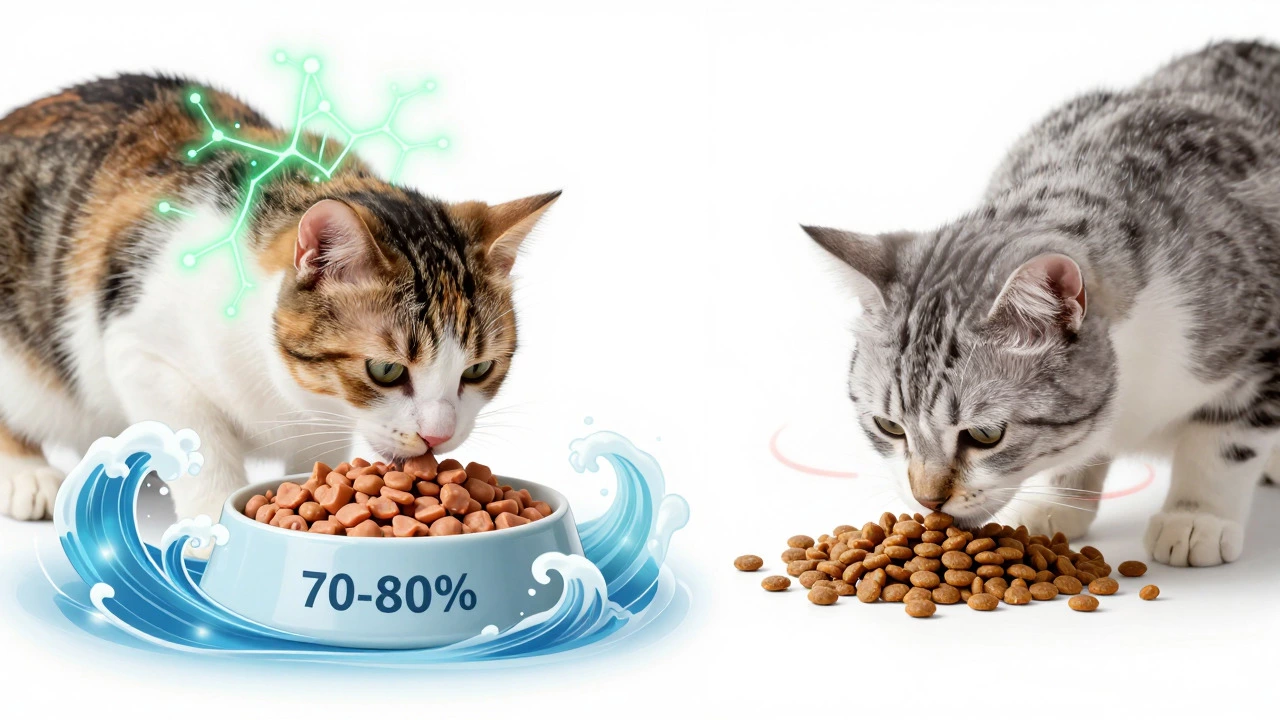
The type of food you serve plays a massive role in whether your cat stops eating when full. There is a significant difference between wet cat food is canned or pouch food with high moisture content (70-80%) and higher protein density and dry cat food is kibble with low moisture content (10% or less) and higher carbohydrate levels.
| Feature | Wet Food | Dry Food |
|---|---|---|
| Moisture Content | 70-80% | <10% |
| Protein Level | High (meat-based) | Moderate (often grain/plant-based) |
| Satiety Signal Strength | Strong (stomach distension + protein) | Weak (low volume, fast digestion) |
| Risk of Overeating | Low | High (if free-fed) |
When a cat eats wet food, the high water content adds bulk to the stomach without adding excessive calories. This physical stretching of the stomach sends immediate signals to the brain via the vagus nerve that the animal is full. Additionally, the high protein content triggers the release of peptide YY and glucagon-like peptide-1, hormones that suppress appetite. A cat eating a can of wet food will likely finish it and walk away satisfied for several hours.
In contrast, dry kibble is calorie-dense but volumetrically small. A cat can consume a large number of calories from kibble without physically filling their stomach. Because it lacks the moisture and high protein punch of wet food, the satiety signals are weaker. This is why free-feeding dry food often leads to obesity in indoor cats. They aren't necessarily "hungry" in a survival sense; they are bored, stressed, or simply responding to the easy availability of calories.
Signs Your Cat Is Actually Full
If you are unsure whether your cat is done eating or just waiting for more, look for these behavioral cues. Cats are subtle creatures, but they communicate their state clearly if you know what to look for.
- Grooming: After a meal, cats often spend time licking their paws and face. This is a sign of satisfaction and the beginning of a rest period.
- Walking Away: A full cat will typically leave the food bowl and find a comfortable spot to lie down. They may curl up into a ball, indicating they are ready to digest.
- Decreased Activity: Digestion requires energy. You will notice a "food coma" effect where your cat becomes lethargic or sleepy shortly after eating.
- Ignoring Treats: Offer a small treat five minutes after a meal. If they sniff it and walk away, they are genuinely full. If they devour it instantly, they may still be hungry or the previous meal was insufficient.
Conversely, if your cat finishes the bowl, licks the plate clean, and then immediately starts pacing, meowing loudly, or rubbing against your legs, they might be signaling something else. It could be boredom, anxiety, or a medical issue like hyperthyroidism, which causes an ravenous appetite regardless of recent intake.
Why Some Cats Never Seem Full
Some cats appear to have bottomless pits. Why does this happen? Several factors can disrupt the natural satiety mechanisms.
Boredom and Stress: Indoor cats often lack stimulation. Without toys, climbing structures, or interaction, they may turn to food as a coping mechanism. This is known as comfort eating. Just like humans, cats may eat when they are anxious or under-stimulated, overriding their biological fullness signals.
Medical Conditions: Certain health issues cause polyphagia (excessive eating). Hyperthyroidism, diabetes, and intestinal parasites are common culprits. If your cat is eating more than usual but losing weight, see a veterinarian immediately. These conditions disrupt metabolism and prevent the body from utilizing nutrients effectively, so the cat never feels truly satisfied.
Food Quality: Low-quality foods with high fillers (corn, wheat, soy) and low protein may not provide the necessary amino acids. If the food lacks essential nutrients, the cat's body continues to send hunger signals because it hasn't received what it needs, even if the caloric count is met.
How to Manage Portion Control
To ensure your cat stops eating when they are actually full, you need to take control of the feeding environment. Free-feeding is rarely recommended for indoor cats unless they have perfect self-regulation skills, which is uncommon.
- Measure Meals: Use a kitchen scale or measuring cup to portion out the exact amount of calories your cat needs per day. Consult your vet for the right number based on age, weight, and activity level.
- Split Into Small Meals: Instead of one big bowl, offer three to four small meals throughout the day. This mimics their natural grazing instinct and keeps blood sugar stable.
- Use Puzzle Feeders: For cats that eat too fast, puzzle feeders slow them down. This gives their brain time to register fullness signals before they overconsume.
- Switch to More Wet Food: Increasing the proportion of wet food in their diet can help them feel fuller with fewer calories due to the high water content.
Consistency is key. Feed at the same times each day. This creates a routine that helps regulate their internal clock and hunger hormones. If you change feeding times randomly, their ghrelin levels may spike unpredictably, leading to begging behavior.
Common Mistakes Owners Make
Many well-meaning owners make errors that confuse their cat's satiety signals. One major mistake is giving treats without accounting for them in the daily calorie budget. A few seemingly harmless snacks can add up to 20% of a cat's daily intake, leaving them unsatisfied by their main meal because they are technically "full" on empty calories.
Another error is reacting to begging. If your cat meows for food five minutes after eating, and you give in, you teach them that persistence pays off. They learn to ignore their own fullness signals because they expect more food if they just wait and whine. Ignore the begging (provided they have had enough food) and stick to the schedule.
Finally, ignoring changes in appetite is dangerous. A sudden decrease in eating can indicate pain or illness, while a sudden increase can signal metabolic disease. Keep a log of how much your cat eats and their weight. Regular check-ups with a vet will catch issues before they become critical.
How long after eating should a cat feel full?
Cats typically begin to feel full within 15 to 30 minutes after finishing a meal. However, the sensation of satiety can last for several hours. If your cat is asking for food again within an hour, consider if they are bored or if the meal size was too small. Splitting their daily ration into smaller, more frequent meals can help maintain consistent energy levels and prevent constant hunger signals.
Is it bad to free-feed my cat?
Free-feeding, or leaving food out all day, is generally discouraged for indoor cats. While some cats have excellent self-control, most will graze continuously, leading to weight gain and obesity. Obesity puts stress on joints, increases the risk of diabetes, and can shorten lifespan. Measured meals allow you to monitor intake and detect changes in appetite early, which is crucial for health monitoring.
Why does my cat lick the bowl clean but still seem hungry?
Licking the bowl clean is a natural instinct to gather every bit of nutrient-rich residue. It does not always mean hunger. It could be a sign of satisfaction, boredom, or anxiety. If your cat licks the bowl and then walks away to sleep, they are likely full. If they linger and vocalize, they may be seeking attention or stimulation rather than food. Try engaging them in play after meals to redirect this energy.
Can cats get sick from overeating?
Yes, chronic overeating leads to obesity, which is a serious health condition. Obese cats are at higher risk for diabetes mellitus, hepatic lipidosis (fatty liver disease), arthritis, and urinary tract issues. Acute overeating (binging) can sometimes cause vomiting or gastrointestinal upset, especially if they eat too quickly. Using puzzle feeders and portion control can mitigate these risks.
Does the flavor of food affect how much a cat eats?
Flavor preference plays a role, but nutritional balance is more important. Cats are obligate carnivores and prefer strong-smelling, meat-based foods. Highly palatable foods might encourage faster eating, which can bypass satiety signals. However, if the food is nutritionally complete, the cat's body will eventually regulate intake. Rotating flavors can prevent picky eating but should be done gradually to avoid digestive upset.