
Safe Greek Yogurt Serving Calculator
Enter Dog Details
This yogurt is safe for dogs. Ensure it is unsweetened.
Recommended Daily Serving
Caloric Impact: Treats should not exceed 10% of daily calories.
Tip: Start with half this amount to test for lactose intolerance.
Enter your dog's weight above to see the recommended serving size.
That look. You know the one. Your dog is staring at you with those soulful eyes while you’re enjoying a bowl of creamy breakfast. It’s tempting to share, especially when it’s something as seemingly healthy as Greek yogurt, which is known for its high protein content and gut-friendly benefits for humans. But before you slide that spoon over, you need to pause. Is this superfood actually good for your pup, or could it cause an upset stomach?
The short answer is yes, but with some very important caveats. Greek yogurt can be a nutritious treat if chosen correctly and served in moderation. However, not all yogurts are created equal, and some ingredients found in popular brands can be toxic to dogs. Getting it right means understanding what goes into that container and how your specific dog reacts to dairy.
Why Greek Yogurt Stands Out for Canine Diets
When comparing regular yogurt to Greek yogurt, the difference lies in the straining process. This method removes excess whey and lactose, resulting in a thicker product that is easier for many dogs to digest. Since dogs are primarily carnivores, their bodies produce less lactase-the enzyme needed to break down milk sugar-than humans do. By choosing Greek yogurt, you are significantly reducing the lactose load, which lowers the risk of gas, bloating, and diarrhea.
Beyond digestibility, Greek yogurt packs a nutritional punch that supports overall health. It is rich in calcium, which is essential for strong bones and teeth, particularly for growing puppies or senior dogs who may suffer from joint issues. The high protein content also helps maintain lean muscle mass. For active working dogs or those recovering from illness, that extra protein boost can make a tangible difference in energy levels and recovery speed.
Perhaps the most valuable component, however, is the presence of live and active cultures. These probiotics help balance the gut microbiome. If your dog has been on antibiotics, or if they struggle with chronic digestive issues like inflammatory bowel disease (IBD), adding a small amount of probiotic-rich yogurt can help restore healthy bacteria levels in the intestines.
| Nutrient/Feature | Regular Yogurt | Greek Yogurt |
|---|---|---|
| Lactose Content | Higher (harder to digest) | Lower (easier to digest) |
| Protein Density | Moderate | High (double the protein) |
| Sugar Levels | Often higher due to added sweeteners | Lower (if plain/unflavored) |
| Texture | Thin/runny | Thick/creamy (good for hiding meds) |
The Critical Rule: Plain and Unsweetened Only
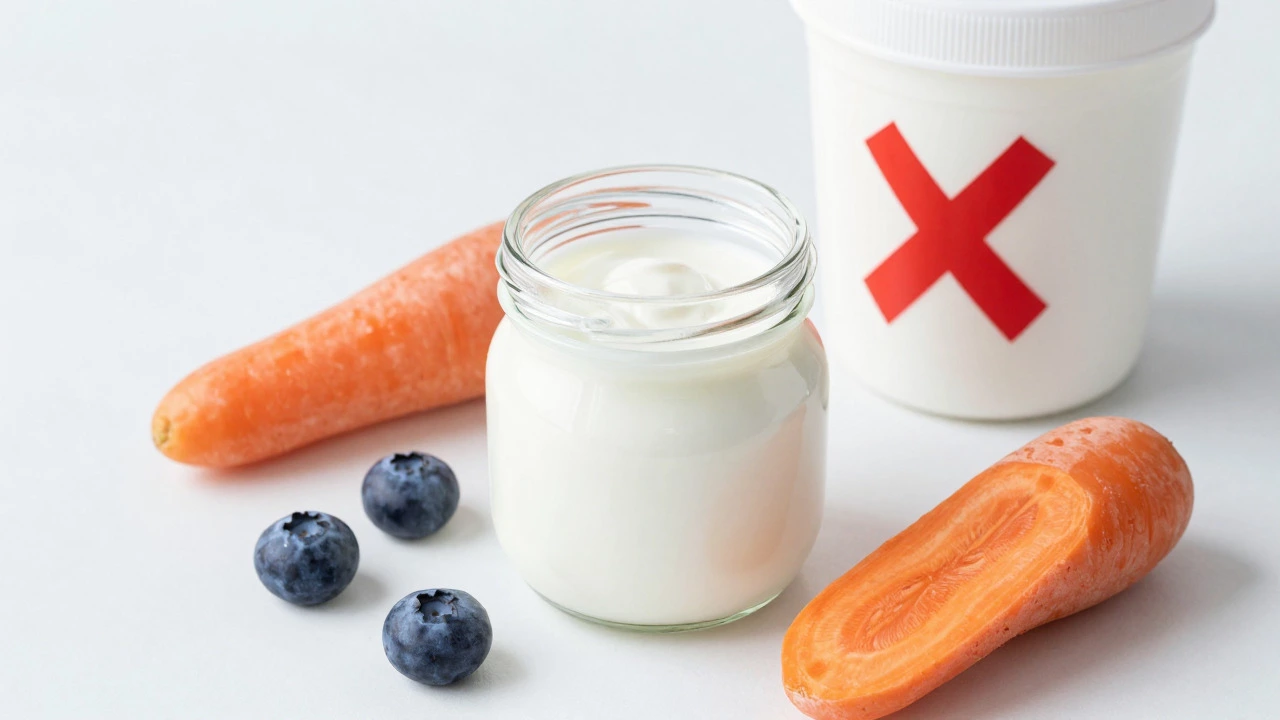
This is where most owners make a costly mistake. When we say "Greek yogurt," we mean the plain, unflavored variety. Many commercial yogurts are loaded with artificial sweeteners, fruit concentrates, and thickeners that are dangerous for dogs. The biggest red flag is Xylitol, a sugar substitute often marketed as "natural" or "sugar-free." Xylitol is highly toxic to dogs; even small amounts can cause a rapid release of insulin, leading to hypoglycemia (low blood sugar) and potentially liver failure. Always check the ingredient list meticulously. If you see xylitol, birch sugar, or birch syrup, put it back on the shelf immediately.
Avoid flavors like honey, vanilla, or berry blends unless you are certain they contain no artificial additives. Even natural fruits can pose risks; for example, grapes and raisins are toxic to dogs, so any yogurt containing these fruits should be avoided entirely. Stick to the basics: milk, cream, and live cultures. That’s it. Anything else is unnecessary filler that adds calories without benefit.
How Much Is Too Much? Serving Size Guidelines
Treats should never replace a balanced diet. According to veterinary nutrition guidelines, treats-including yogurt-should make up no more than 10% of your dog’s daily caloric intake. Exceeding this limit can lead to obesity, pancreatitis, and nutrient imbalances. Because Greek yogurt is calorie-dense due to its fat and protein content, a little goes a long way.
- Small breeds (under 20 lbs): One teaspoon per day.
- Medium breeds (20-50 lbs): One tablespoon per day.
- Large breeds (over 50 lbs): Two tablespoons per day.
Start with half the recommended amount to see how your dog tolerates it. If they show no signs of digestive distress after 24 hours, you can gradually increase to the full serving size. Consistency is key; sporadic large servings are more likely to cause upset than small, regular doses.
Signs Your Dog May Be Lactose Intolerant
Even with low-lactose Greek yogurt, some dogs are completely intolerant to dairy. Every dog is different, and genetics play a role in lactase production. Watch for these symptoms within two hours of feeding:
- Soft stools or diarrhea
- Excessive gas or flatulence
- Bloating or abdominal discomfort
- Itching or skin rashes (less common, but possible with dairy allergies)
If you notice any of these signs, stop feeding yogurt immediately. Switch to a non-dairy probiotic source, such as pumpkin puree (plain, canned, not pie filling) or a veterinarian-recommended probiotic supplement designed specifically for dogs. Do not force the issue; just because other dogs handle it fine doesn’t mean yours will.
Creative Ways to Serve Greek Yogurt
Yogurt isn’t just a standalone treat; it’s a versatile tool for enhancing meals and administering care. Its thick texture makes it ideal for hiding pills or liquid medications. Simply scoop a small dollop onto a spoon, place the pill in the center, and cover it with more yogurt. Most dogs will lick it up without noticing the medicine.
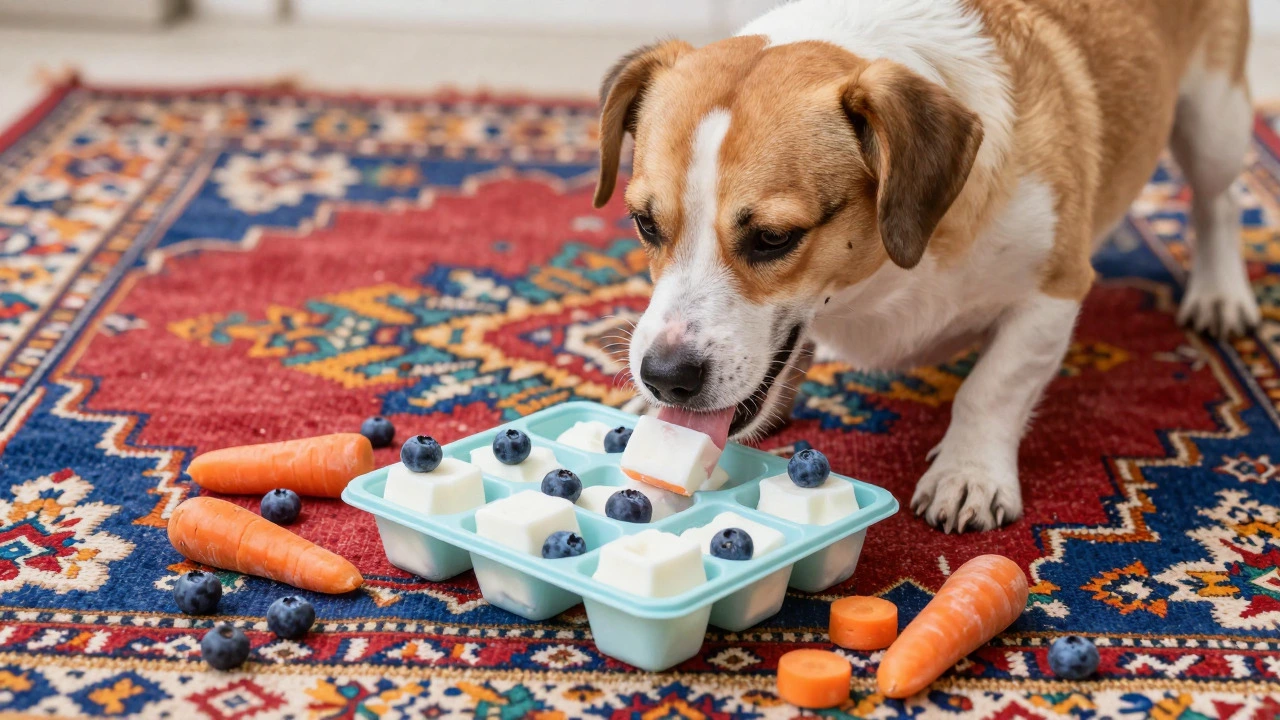
You can also mix a tablespoon of plain Greek yogurt into your dog’s kibble to add moisture and flavor. This is particularly helpful for picky eaters or older dogs with dental pain who find dry food difficult to chew. Another popular hack is freezing yogurt in ice cube trays to create refreshing summer treats. Add a few blueberries or carrots for extra crunch and nutrients, then freeze overnight. These icy cubes provide hydration and cooling relief on hot days.
Safe Alternatives If Dairy Is Off-Limits
If your dog is lactose intolerant or you prefer to avoid dairy altogether, there are excellent alternatives that offer similar probiotic benefits. Kefir is a fermented milk drink that contains even more diverse strains of beneficial bacteria than yogurt, but it still contains lactose, so use caution. For a dairy-free option, try plain, unsweetened coconut yogurt. It’s made from coconut milk and water, offering a creamy texture without the animal proteins. Just ensure it’s free from xylitol and artificial flavors.
Pumpkin puree is another fantastic option for digestive health. Rich in fiber, it helps regulate bowel movements and soothes irritated stomachs. Fermented vegetables like sauerkraut juice (in tiny amounts, ensuring it’s low-sodium and garlic-free) can also introduce beneficial bacteria, though consult your vet before introducing new fermented foods.
Can I give my dog flavored Greek yogurt?
Generally, no. Flavored yogurts often contain added sugars, artificial sweeteners like xylitol (which is toxic to dogs), and fruit pieces that might be unsafe (like grapes). Always stick to plain, unsweetened Greek yogurt to ensure safety.
How often should I feed my dog Greek yogurt?
You can offer Greek yogurt daily as part of their treat allowance, provided it stays under 10% of their total daily calories. Start with small amounts once or twice a week to monitor tolerance before making it a daily routine.
Is Greek yogurt better than regular yogurt for dogs?
Yes, because the straining process removes much of the lactose, making it easier for dogs to digest. It also has a higher protein content and lower sugar content compared to many regular yogurts.
What are the signs of xylitol poisoning in dogs?
Symptoms can appear within 10-60 minutes and include vomiting, lethargy, weakness, difficulty walking, collapse, and seizures. If you suspect your dog ingested xylitol, seek emergency veterinary care immediately.
Can puppies eat Greek yogurt?
Yes, but only in very small amounts and introduced slowly. Puppies have sensitive digestive systems. Ensure the yogurt is plain and unsweetened, and watch closely for any signs of lactose intolerance.