Dog Food Safety Checker
Select an item to analyze its safety.
Food Name
Risk LevelPrimary Risk
Description of risk...
Symptoms to Watch For
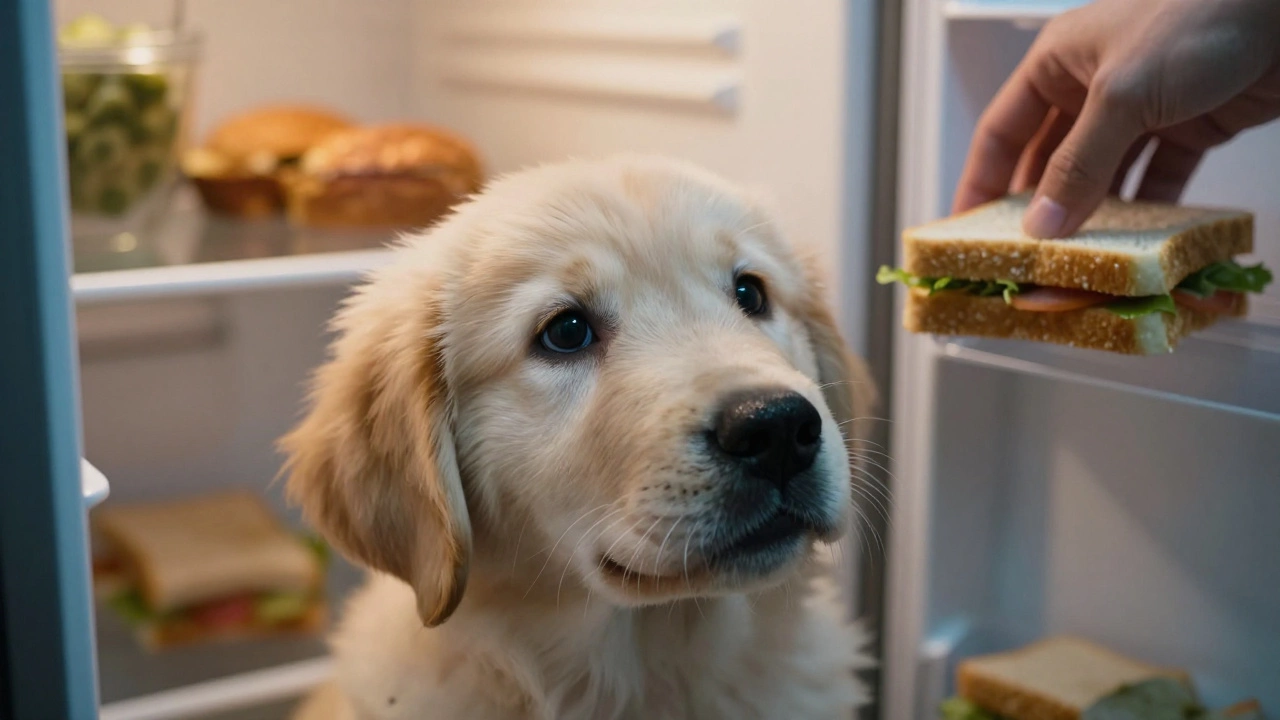
Your dog looks at you with those big, pleading eyes when you open the fridge. It’s hard to resist sharing a bite of your sandwich or handing over a leftover scrap from dinner. But that instinctive generosity can sometimes turn into a medical emergency. Not all food is safe for canines, even if it seems harmless to us humans. Some ingredients are outright poisonous, while others cause chronic health issues over time.
Knowing exactly what dog foods to avoid isn’t just about avoiding chocolate-it’s about understanding the hidden dangers in processed treats, human leftovers, and even certain "healthy" snacks. From xylitol-laden peanut butter to raw corn cobs, the list of risky items is longer than most owners realize. Let’s break down the 16 specific types of foods and ingredients that should never touch your dog’s bowl, why they are dangerous, and what symptoms to watch for if an accident happens.
The Sweet Killers: Sugars and Artificial Sweeteners
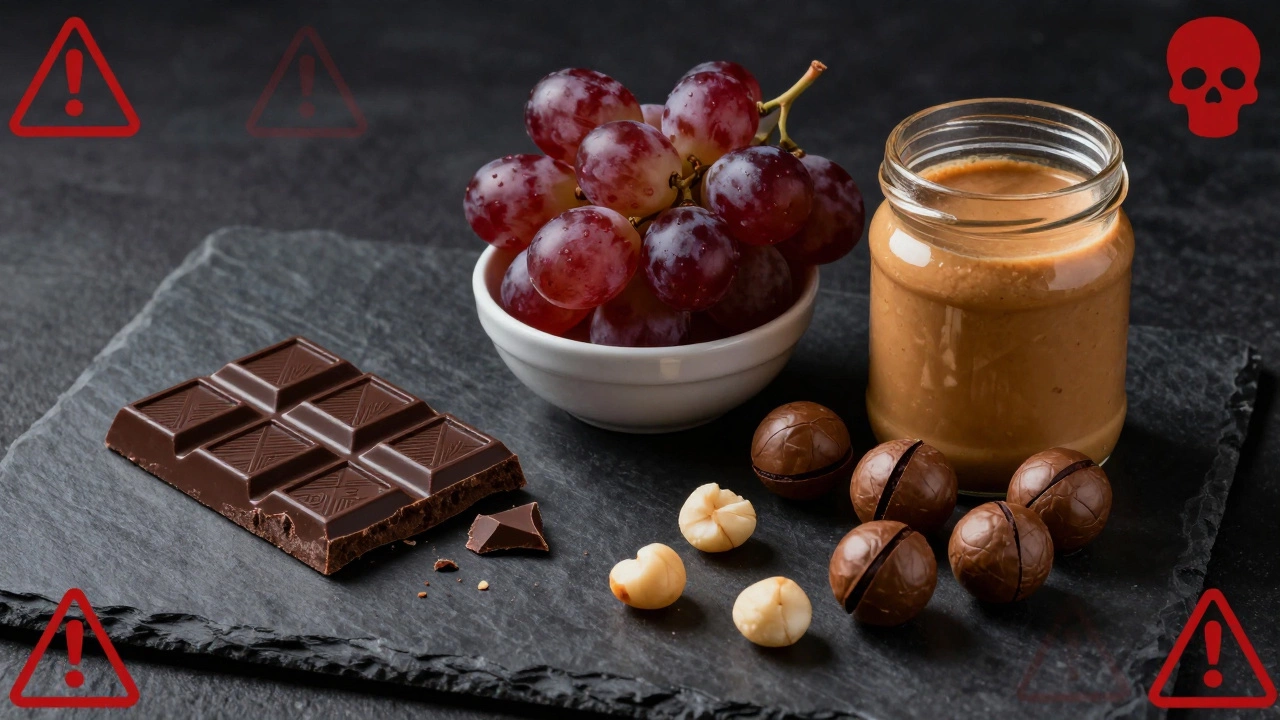
Sugar might not kill your dog instantly, but it sets the stage for obesity, diabetes, and dental decay. However, one specific sweetener is far more lethal than sugar itself: Xylitol is an artificial sweetener found in sugar-free gum, candy, baked goods, and some peanut butters. In humans, xylitol is generally safe, but in dogs, it triggers a massive release of insulin. This causes blood sugar levels to plummet rapidly, leading to weakness, collapse, seizures, and potentially fatal liver failure. Even small amounts-just 0.1 grams per kilogram of body weight-can be toxic. Always check labels on peanut butter; if xylitol is listed, throw it out immediately.
Regular table sugar and high-fructose corn syrup are also problematic. They offer empty calories that contribute to weight gain without providing nutritional value. Over time, excessive sugar intake weakens the immune system and accelerates aging processes in dogs. Stick to natural fruit pieces like apple slices (without seeds) or blueberries instead of sugary treats.
Allium Family: Onions, Garlic, and Chives
If you’re cooking a stir-fry or making a sauce, keep your dog away from the kitchen counter. The Allium family includes onions, garlic, chives, leeks, and shallots. These vegetables contain N-propyl disulfide, a compound that damages red blood cells in dogs, leading to hemolytic anemia. This condition reduces the blood’s ability to carry oxygen, causing lethargy, pale gums, and rapid breathing.
Garlic is actually more potent than onion in this regard, being up to five times more toxic. It doesn’t have to be fresh, either; powdered garlic and onion powder in seasoned meats or soups pose the same risk. Chronic exposure to small amounts can be just as dangerous as a single large ingestion. If your dog eats a significant amount of these ingredients, contact your veterinarian immediately, as treatment may require intravenous fluids and oxygen therapy.
Chocolate and Caffeine: Theobromine Poisoning
This is perhaps the most well-known danger, but it bears repeating because severity varies by type. Chocolate contains theobromine and caffeine, both of which dogs metabolize much slower than humans. Dark chocolate and baking chocolate are the most dangerous due to their high concentration of theobromine. Milk chocolate is less potent but still risky, especially for small breeds. White chocolate contains negligible amounts of theobromine but is high in fat and sugar, which can trigger pancreatitis.
Caffeinated beverages, coffee grounds, and energy drinks fall into the same category. Symptoms of toxicity include vomiting, diarrhea, restlessness, tachycardia (rapid heart rate), muscle tremors, and seizures. The dose matters-a large dog eating a single milk chocolate chip might only experience mild stomach upset, while a small dog eating a square of dark chocolate could face life-threatening complications.
Grapes and Raisins: Kidney Failure Risk
The exact toxin in grapes and raisins remains unidentified, which makes them particularly scary. We know that ingestion can cause acute kidney failure in dogs, but we don’t know why or which specific compounds are responsible. Because the reaction is unpredictable, some dogs eat a handful and seem fine, while others develop severe renal failure after eating just a few raisins. There is no safe dose established by veterinary toxicologists.
Raisins are even more concentrated than fresh grapes, so they pose a higher risk per gram. Symptoms usually appear within 24 hours and include vomiting, diarrhea, abdominal pain, and decreased appetite. As kidney function declines, urine output drops significantly. If you suspect your dog has eaten grapes or raisins, induce vomiting under veterinary guidance and seek immediate care, as early intervention is critical for survival.
Alcohol: Rapid Intoxication and Organ Damage
Dogs are extremely sensitive to alcohol. Even small amounts of beer, wine, liquor, or even uncooked bread dough can cause intoxication. Alcohol depresses the central nervous system, leading to disorientation, vomiting, difficulty breathing, coma, and death. Uncooked yeast dough is doubly dangerous because the yeast expands in the warm stomach, producing carbon dioxide gas that can bloat the stomach, and alcohol as a byproduct.
Bloat (gastric dilatation-volvulus) is a surgical emergency where the stomach twists, cutting off blood supply. This can happen quickly with yeast dough ingestion. Never leave alcoholic beverages unattended around curious pets, and ensure trash cans are secure.
Ax Seeds and Avocado: Hidden Choking Hazards
Avocados contain persin, a fungicidal toxin. While persin is more toxic to birds and livestock, it can cause vomiting and diarrhea in dogs. The bigger issue with avocados is the pit. Large pits present a choking hazard and can cause intestinal blockage if swallowed whole. The skin and leaves also contain higher concentrations of persin, so it’s best to avoid feeding any part of the avocado to your dog.
Similarly, seeds, pits, and stones from fruits like cherries, peaches, plums, and apples contain trace amounts of cyanide. While you’d need to chew up a massive number of seeds to ingest a lethal dose, the physical obstruction risk is real. Always core and seed fruits before offering them as treats.
Raw Dough and Yeast: Bloat Danger
As mentioned with alcohol, raw yeast dough is a serious threat. When ingested, the warmth of the dog’s stomach activates the yeast, causing it to rise. This expansion creates pressure in the stomach, leading to pain and potential rupture. Simultaneously, the fermentation process produces ethanol, leading to alcohol poisoning. Watch for signs of abdominal distension, pacing, whining, and unsuccessful attempts to defecate. These are signs of bloat and require immediate veterinary attention.
Cooked Bones: Splintering Risks
Many owners believe bones are natural for dogs, and while raw bones can be safe under supervision, cooked bones are dangerous. Cooking makes bones brittle and prone to splintering. Sharp shards can puncture the esophagus, stomach, or intestines, causing internal bleeding and infection. Bone fragments can also cause choking or become lodged in the throat or digestive tract, requiring surgical removal.
Avoid giving your dog cooked chicken, turkey, beef, or pork bones. If you want to provide bone benefits, consult your vet about approved raw bone protocols or choose commercially produced, digestible bone meals designed specifically for canine consumption.
Milk and Dairy Products: Lactose Intolerance
While puppies produce lactase to digest mother’s milk, most adult dogs lose this enzyme capability. Feeding milk, cheese, yogurt, or ice cream to adult dogs often results in gastrointestinal distress, including gas, bloating, and diarrhea. While not life-threatening for most dogs, it’s uncomfortable and unnecessary. If you want to give dairy-like treats, look for lactose-free options or small amounts of plain Greek yogurt, which has lower lactose content and beneficial probiotics.
Fatty Foods: Pancreatitis Trigger
Pancreatitis is an inflammation of the pancreas that can be triggered by high-fat diets. Table scraps like bacon, sausage, fried chicken skins, and fatty cuts of meat are common culprits. Symptoms include severe vomiting, abdominal pain, loss of appetite, and dehydration. Pancreatitis can range from mild to life-threatening, often requiring hospitalization for fluid therapy and pain management. Keep your dog’s diet balanced and low in unnecessary fats to protect their pancreas.
Macadamia Nuts: Neurological Effects
Macadamia nuts are toxic to dogs, though the exact mechanism is unknown. Ingestion can cause weakness, particularly in the hind legs, vomiting, tremors, hyperthermia (elevated body temperature), and depression. Symptoms typically appear within 12 hours and usually resolve within 48 hours, but veterinary monitoring is recommended to manage symptoms and prevent complications. Other nuts like walnuts may contain mold toxins (aflatoxins) that are harmful to the liver, so it’s best to avoid all nuts unless they are specifically formulated for dogs.
Raw Eggs: Salmonella and Biotin Deficiency
Raw eggs carry the risk of Salmonella and E. coli bacteria, which can make both your dog and your family sick. Additionally, raw egg whites contain avidin, a protein that binds to biotin (Vitamin B7) and prevents its absorption. Chronic consumption of raw egg whites can lead to biotin deficiency, resulting in skin and coat problems. Cooked eggs, however, are an excellent source of protein and nutrients for dogs. Always scramble or boil eggs thoroughly before feeding them to your pet.
Cherries: Cyanide and Pit Hazards
The flesh of cherries is not toxic, but the stems, pits, and leaves contain cyanogenic glycosides, which can release cyanide when metabolized. More immediately, the pits pose a choking hazard and can cause intestinal blockages. If your dog eats a few cherries with pits, monitor for vomiting or difficulty swallowing. If they consume a large quantity, seek veterinary care due to the potential cyanide exposure.
Coffee Grounds and Tea Bags: Caffeine Overload
Leftover coffee grounds, tea bags, and liquid caffeine sources are highly toxic. Caffeine stimulates the central nervous system and cardiovascular system, leading to restlessness, rapid breathing, heart palpitations, and muscle tremors. In severe cases, it can cause seizures. The potency varies based on the concentration, but even small amounts of espresso grounds can be dangerous for small dogs. Dispose of coffee waste securely and keep tea supplies out of reach.
Onion Powder and Garlic Powder: Concentrated Toxins
We mentioned fresh Alliums earlier, but powders are even more concerning because they are concentrated. A teaspoon of onion powder contains the equivalent of several cups of chopped onion. Many commercial dog foods and treats accidentally contain these powders due to cross-contamination or poor quality control. Always read ingredient lists carefully. If your homemade dog food recipe calls for seasoning, use herbs like parsley or basil instead of onion or garlic powder.
What to Do If Your Dog Eats Something Toxic
If you catch your dog in the act or find evidence of ingestion, stay calm but act quickly. Note the time of ingestion, the estimated amount, and the specific product if possible. Contact your veterinarian or the ASPCA Animal Poison Control Center (888-426-4435) immediately. Do not induce vomiting unless instructed by a professional, as some substances can cause more damage coming back up than going down. Bring the packaging of the ingested item to the vet clinic to help them determine the appropriate treatment plan.
| Food Item | Primary Risk | Symptoms to Watch For |
|---|---|---|
| Xylitol | Liver failure, hypoglycemia | Weakness, collapse, seizures |
| Chocolate | Theobromine poisoning | Vomiting, rapid heart rate, tremors |
| Grapes/Raisins | Kidney failure | Vomiting, decreased urine output |
| Onions/Garlic | Anemia | Pale gums, lethargy, rapid breathing |
| Alcohol | Intoxication, organ damage | Disorientation, difficulty breathing |
| Cooked Bones | Internal punctures, blockage | Vomiting, abdominal pain, bloody stool |
| Macadamia Nuts | Neurological effects | Hind leg weakness, tremors |
| Raw Dough | Bloat, alcohol poisoning | Abdominal distension, pacing |
| Avocado | Persin toxicity, choking | Vomiting, diarrhea |
| Caffeine | Cardiovascular stress | Restlessness, heart palpitations |
| Milk/Dairy | Lactose intolerance | Gas, diarrhea |
| Fatty Foods | Pancreatitis | Severe vomiting, abdominal pain |
| Raw Eggs | Salmonella, biotin deficiency | Diarrhea, skin issues |
| Cherry Pits | Cyanide, blockage | Dilated pupils, difficulty breathing |
| Walnuts | Aflatoxin (mold) | Lethargy, loss of appetite |
| Seasonings (Onion/Garlic Powder) | Anemia | Weakness, pale gums |
Safe Alternatives for Healthy Snacking
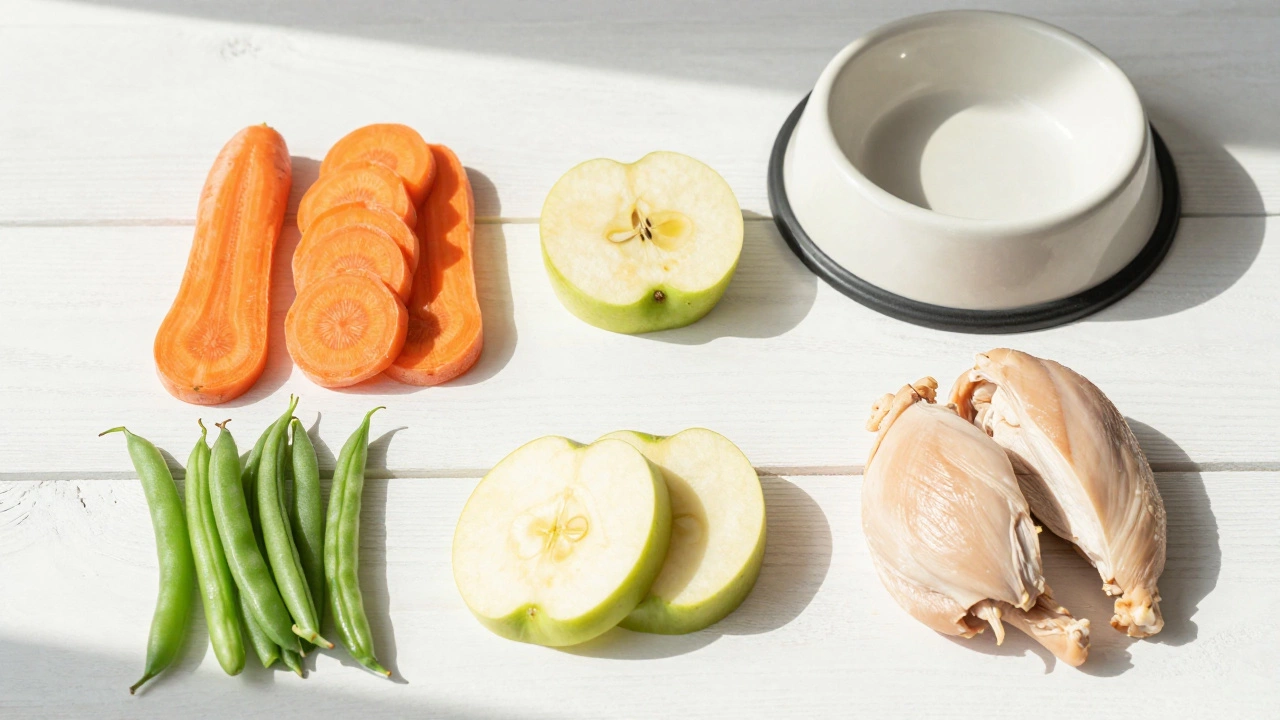
Instead of risking toxic foods, opt for dog-safe alternatives. Carrots, green beans, and cucumber slices are low-calorie crunchy snacks. Apple slices (seedless), banana pieces, and watermelon (rind and seeds removed) provide natural sweetness. Plain, cooked lean meats like chicken breast or turkey are excellent protein sources. Always introduce new foods gradually to monitor for allergic reactions or sensitivities.
Is peanut butter safe for dogs?
Most peanut butter is safe for dogs in moderation, but you must check the label for xylitol. Xylitol is highly toxic and can cause liver failure. Choose natural peanut butter with no added salt, sugar, or artificial sweeteners.
Can dogs eat bread?
Plain, cooked white or wheat bread is generally safe for dogs in small amounts. However, avoid bread containing raisins, garlic, or onion powder. Raw dough is dangerous due to yeast expansion and alcohol production.
What should I do if my dog eats chocolate?
Contact your vet or poison control immediately. The severity depends on the type of chocolate and your dog's size. Dark and baking chocolate are most dangerous. Do not wait for symptoms to appear, as treatment is most effective when administered early.
Are onions really that bad for dogs?
Yes, onions and garlic are toxic to dogs. They damage red blood cells, leading to anemia. Both fresh and powdered forms are dangerous. Even small amounts consumed regularly can cause cumulative damage.
Can dogs drink milk?
Many adult dogs are lactose intolerant and cannot digest cow's milk properly, leading to stomach upset and diarrhea. If you want to give dairy, try lactose-free milk or small amounts of plain Greek yogurt.
Why are grapes dangerous for dogs?
Grapes and raisins can cause sudden kidney failure in dogs. The exact toxin is unknown, and reactions vary widely between individual dogs. Because there is no known safe dose, it is best to avoid them entirely.
Is it okay to feed my dog table scraps?
Generally, no. Table scraps are often high in fat, salt, and spices that are unhealthy for dogs. They can lead to obesity, pancreatitis, and other health issues. Stick to a balanced commercial dog food diet and approved healthy treats.