Puppy Care Mistake Checker
Check what mistakes you might be making when bringing your new puppy home. Select the errors you're currently doing, then get personalized advice.
Your Puppy Care Report
-
Overwhelm
Your puppy is experiencing stress from too much attention. Give them space to explore and rest. In the first 24 hours, less interaction is better than too much.
-
Potty Schedule
Your puppy will have accidents without a strict schedule. Take them out every 45-60 minutes after meals, naps, and playtime. Use the same phrase like "Go potty."
-
Roam Safety
Unsupervised puppies can chew cords, swallow objects, or escape. Use a crate or puppy-proofed pen for safety. Freedom comes after they learn to handle it.
-
Socialization
Too many visitors too soon can cause fear. Start with one person at a time. Let the puppy set the pace and avoid forcing interactions.
-
Food Transition
Sudden food changes cause digestive issues. Stick with the breeder's food for 7-10 days, then gradually mix in new food over a week.
-
Training
Forcing commands feels like punishment. Start with name recognition and one simple command at a time. Focus on trust, not obedience.
-
Sleep
Interrupting sleep leads to irritability. Let them nap for 18-20 hours. Only take them out for potty breaks at night.
-
Veterinary Care
Schedule a vet visit within 48 hours. Early detection of parasites or infections can save thousands in future costs.
Remember
This is a marathon, not a sprint. Every puppy is different. Focus on safety, routine, and calm. Avoid the pressure to be perfect.
Bringing a puppy home is one of those moments that feels like a movie scene - tail wags, tiny paws, big eyes. But the reality? It’s a whirlwind of sleepless nights, chewed shoes, and confusion on both sides. Too many new owners make the same mistakes in those first few days, and it sets the puppy up for problems that last years. You don’t need to be a dog expert. You just need to avoid the big, common errors. Here’s what not to do when bringing a puppy home.
Don’t overwhelm them with too much attention
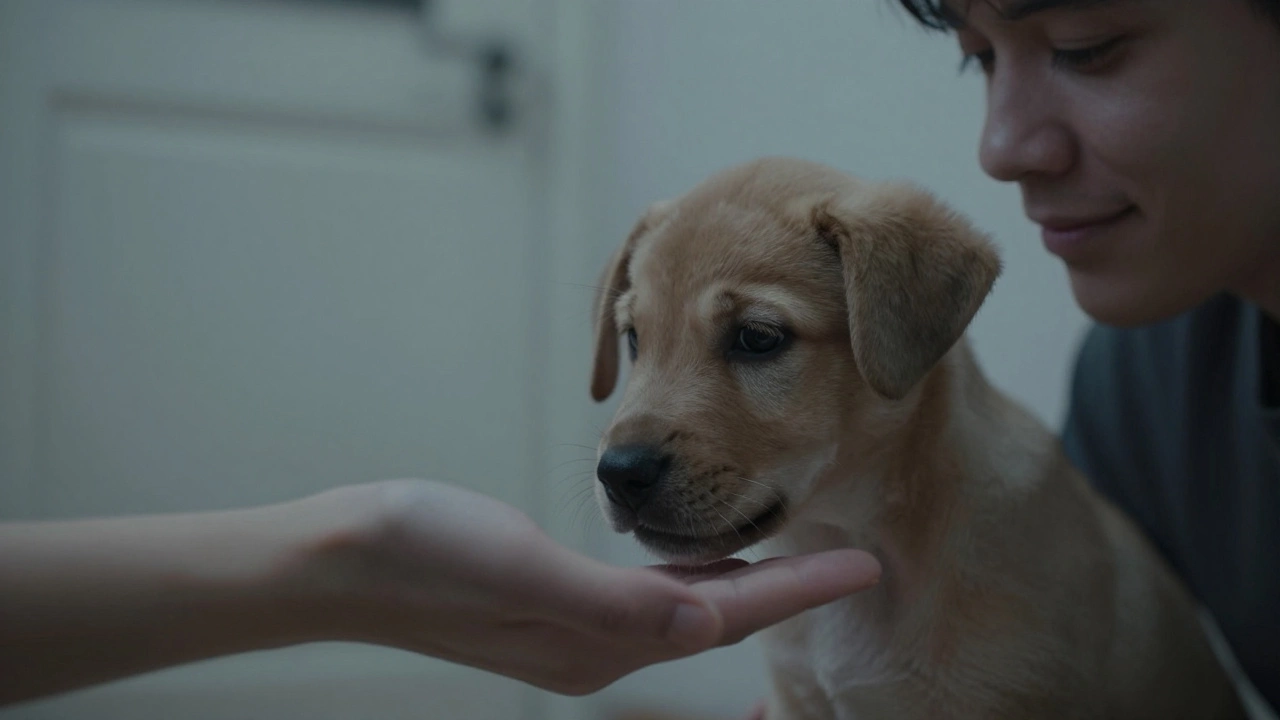
New puppy owners often think love means constant cuddling, picking them up, and talking to them nonstop. That’s the opposite of helpful. Puppies, especially in the first 48 hours, are overwhelmed. Their world just changed. One minute they were with their littermates, the next they’re in a quiet house with strange smells, sounds, and a human who won’t stop staring. That’s stress. And stress leads to accidents, hiding, or even aggression.
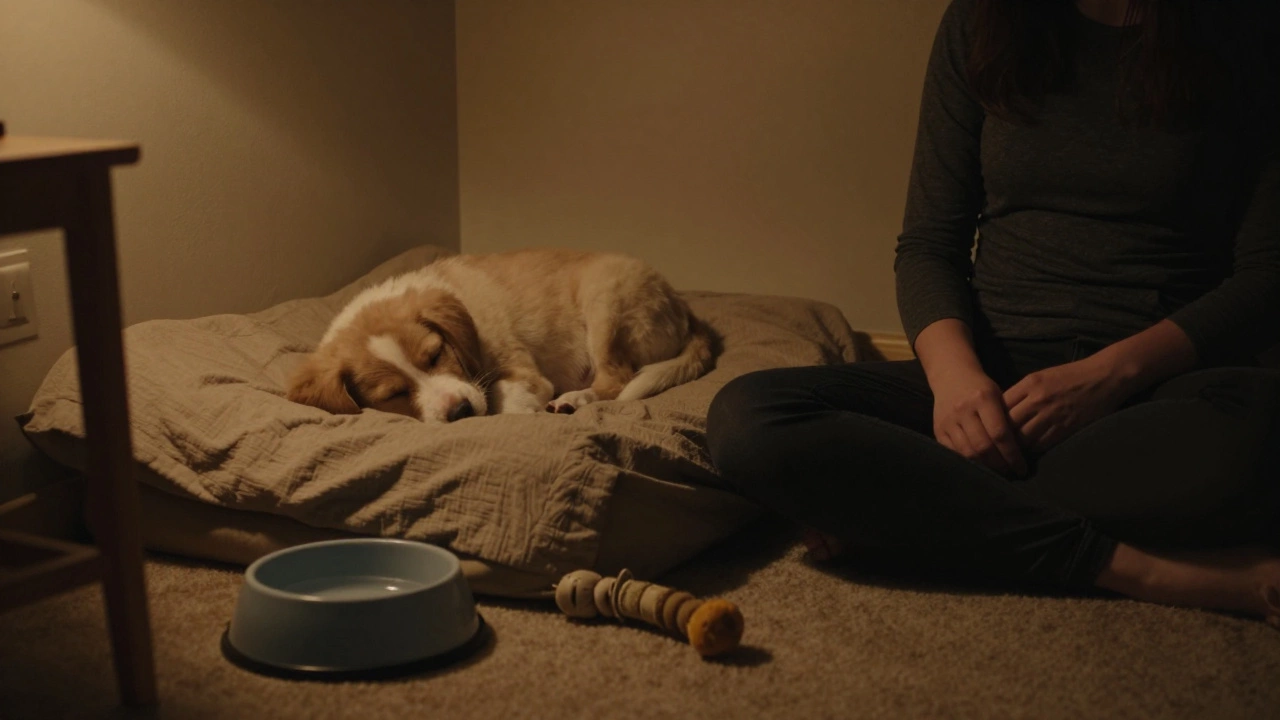
Let them explore. Sit quietly on the floor. Let them come to you. If they nap, don’t wake them up to pet them. If they wander off, don’t chase. Give them space to figure out where they are. A quiet corner with a bed, water, and a toy is enough. In the first 24 hours, less interaction is better than too much.
Don’t skip the potty schedule
You think your puppy will learn to go outside on their own? They won’t. Puppies under six months have zero bladder control. They can’t hold it for more than an hour per month of age - so a 10-week-old pup? That’s about two hours max. And if you don’t take them out on a strict schedule, they’ll learn to go inside.
Here’s what actually works: Take them out every 45-60 minutes. After meals, after naps, after playtime, and right before bed. Use the same door, same spot, same phrase - like "Go potty." Wait patiently. When they go, praise them quietly. No yelling. No punishment. Just a calm "good job." If they have an accident inside? Clean it up with an enzymatic cleaner. No ammonia-based sprays - those smell like urine to them and will make them go there again.
Don’t let them roam free too soon
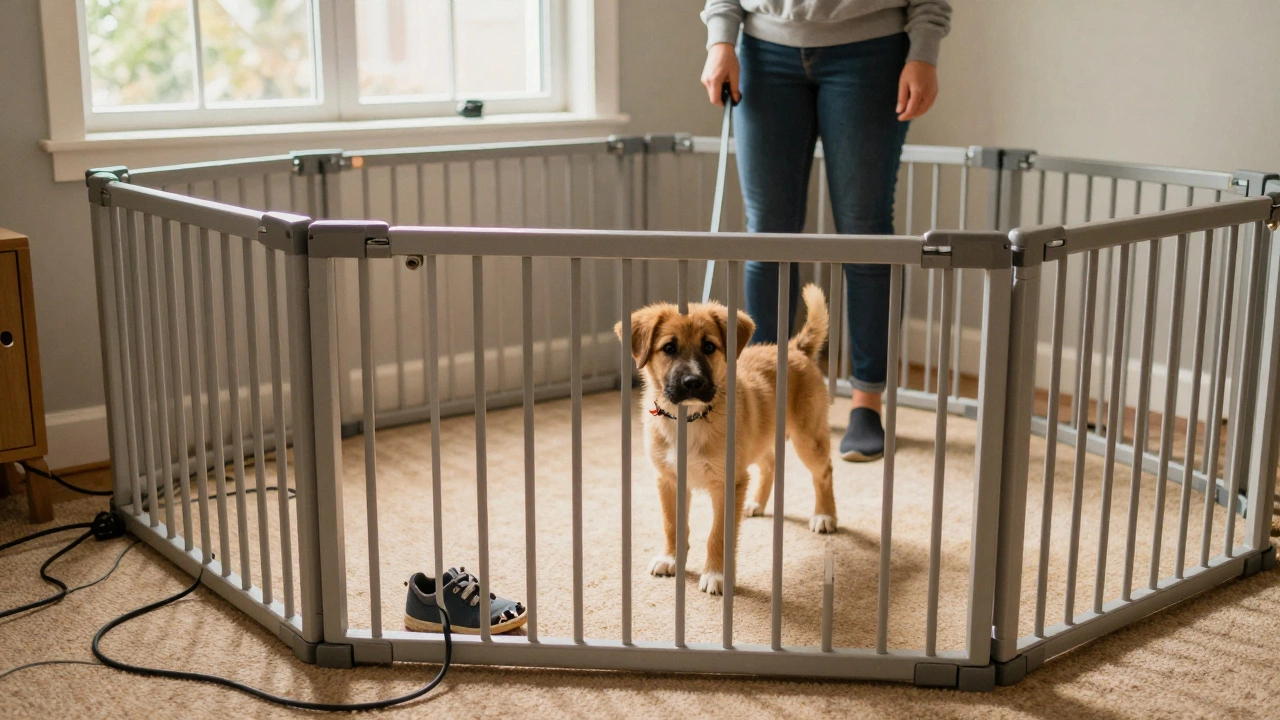
That cute little puppy? They’re not just clumsy. They’re curious, chew-happy, and completely unaware of danger. A puppy left unsupervised can chew through electrical cords, swallow a sock, knock over a plant, or escape through an open gate. Even "safe" rooms aren’t safe.
Use a crate or a puppy-proofed pen for the first few weeks. It’s not punishment - it’s security. A crate gives them a den-like space to feel safe. A pen with baby gates and blocked-off hazards keeps them contained while you’re busy. Let them have freedom only after you’ve seen them handle it. That usually takes weeks, not days.
Don’t introduce them to everyone at once
Family, friends, kids, other pets - everyone wants to meet the new puppy. But that’s a recipe for fear. Too many strangers, loud voices, sudden movements - it can scare them for life. A puppy that gets overwhelmed in the first week might grow into a dog that barks at visitors or hides under the couch.
Start slow. One person at a time. Quiet voices. No hugging. Let the puppy sniff, then walk away. If they hide, don’t force them out. Wait. Let them set the pace. Even adult dogs need time to adjust. Puppies need even more. Keep visitors to a minimum for the first 3-5 days. You’re not being rude. You’re protecting their mental health.
Don’t change their food too fast
That bag of puppy food you bought? The one with the shiny packaging and the promise of "premium nutrition"? Don’t switch to it immediately. Most breeders and shelters feed a specific food. Suddenly changing it causes diarrhea, vomiting, and stress. Their gut is already adjusting to a new home - don’t add a food shock on top.
Ask the breeder or shelter what they’re feeding. Buy the same brand. Feed that for at least 7-10 days. Then, slowly mix in the new food over another week. Start with 25% new, 75% old. Then 50/50. Then 75/25. Only when they’re fully transitioned should you fully switch. Rushing this step causes more vet visits than almost anything else.
Don’t start training too hard
You want them to sit, stay, come, and heel? That’s great. But not on day two. Training requires focus. And a new puppy is exhausted, scared, and still learning how to walk on a leash. Forcing commands right away feels like punishment to them.
Start with simple things: name recognition. Say their name. When they look at you, give them a tiny treat. That’s it. No repetition. No yelling. Just quiet, consistent rewards. After a few days, add short 3-minute sessions. One command per day. Sit. Then come. Then stay. Let them succeed. Celebrate small wins. Training isn’t about obedience - it’s about trust. Build that first.
Don’t ignore their sleep
Puppies sleep 18-20 hours a day. That’s normal. But many owners mistake it for laziness. They wake them up to play. They take them out at 3 a.m. because "they’re awake." That’s a mistake. Sleep is how puppies grow - physically and mentally. Interrupting it leads to irritability, accidents, and poor development.
Let them nap. Keep their sleeping area quiet and dark. Don’t play loud music or have TV on near their bed. If they cry at night? Don’t rush to pick them up. Give them five minutes. If they’re still crying, take them out quietly to potty, then put them back. No play. No cuddles. Just business. Sleep is non-negotiable. Protect it.
Don’t wait to see a vet
Some people think, "They look healthy. I’ll wait until their first vaccine appointment." That’s risky. Puppies can hide illness until it’s too late. Diarrhea, lethargy, coughing, refusal to eat - these aren’t "just puppy stuff." They’re red flags.
Schedule a vet visit within 48 hours of bringing them home. Bring their health records, if any. The vet will check for parasites, infections, congenital issues. They’ll give you a clear plan for vaccines, deworming, and future care. This isn’t about spending money - it’s about catching problems early. A $50 checkup now can save you $1,000 later.
Don’t forget: this is a marathon, not a sprint
You’ll see videos online of puppies learning tricks in a week. You’ll hear friends brag about their dog being "perfect" after two months. Don’t compare. Every puppy is different. Some take weeks to bond. Some take months to stop chewing. That’s normal. The goal isn’t perfection. It’s progress.
Focus on safety, routine, and calm. Skip the drama. Avoid the pressure. You’re not raising a champion show dog. You’re raising a companion. And the best way to do that? Don’t rush. Don’t force. Don’t overdo it. Just be steady. Quiet. Present. Your puppy will learn faster because of that - not in spite of it.