Dog Collar Suitability Checker
Not sure which collar is right for your dog? Answer these questions to get a personalized recommendation based on modern behavioral science and safety guidelines.
Recommended Tool
Pros
Cons / Risks
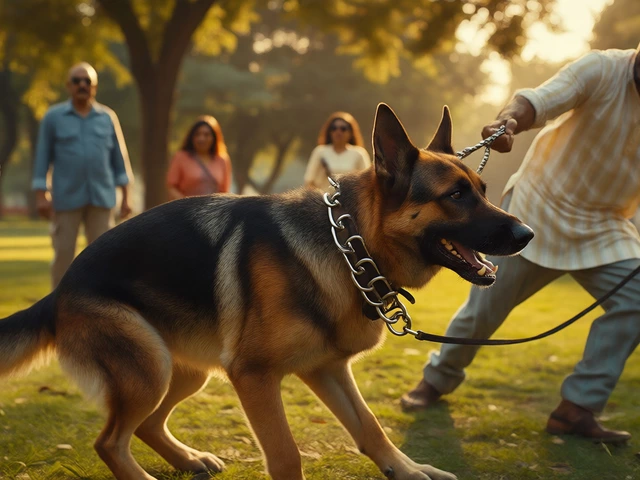
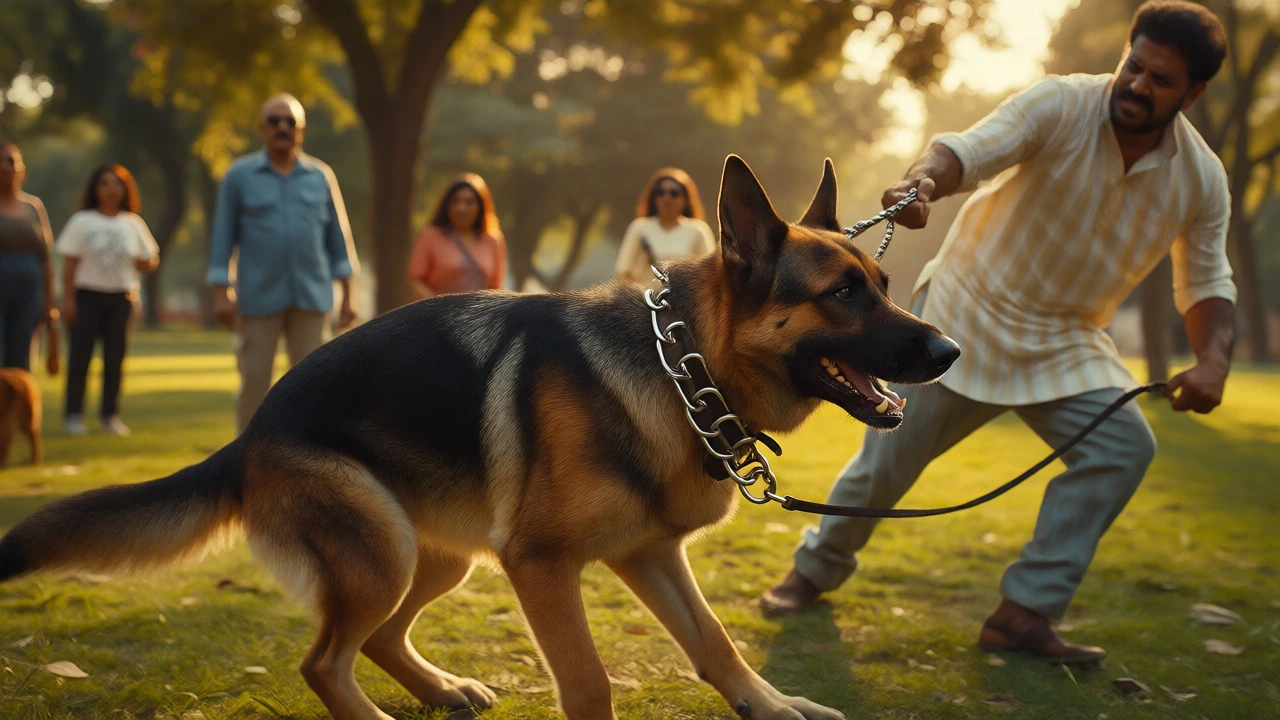
You’re at the park. A large German Shepherd drags its owner across the grass like a sled dog. The owner yanks back on a metal chain with sharp links digging into the dog’s neck. The dog chokes, gags, and keeps pulling. You wince. Your neighbor whispers, "That looks painful." But the owner says, "It works." This is the prong collar, also known as a pinch collar, and it is arguably the most polarizing tool in modern dog training.
If you’ve ever scrolled through Instagram or watched a viral TikTok of a dog walking calmly while wearing one of these spiked devices, you’ve likely seen the comment section explode. Half the people call it abuse. The other half call it a miracle. So, why do people hate prong collars so much? Is it just fear of spikes, or is there real science behind the backlash?
The Anatomy of the Controversy
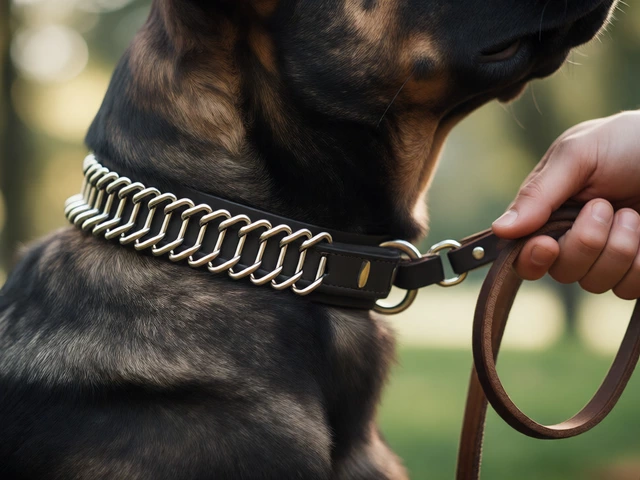
To understand the hate, you have to understand what the tool actually is. A prong collar is a training device consisting of metal links with blunt prongs that point inward toward the dog's neck. Unlike a standard flat collar that puts pressure on the trachea (windpipe), a prong collar distributes pressure around the entire circumference of the neck. Think of it like a hug versus a chokehold. Proponents argue it mimics how mother dogs correct their puppies-with gentle but firm pinches-rather than crushing the throat.
But here’s where the disconnect happens. To the untrained eye, those metal points look like torture instruments. When a dog pulls, the prongs close together. If the leash is taut, they dig in. It looks violent. It sounds metallic. And for many observers, it triggers an immediate emotional response: "Don't hurt my dog!"
The Fear of Pain vs. The Reality of Pressure
Critics often conflate pain with discomfort. A well-fitted prong collar should not cause sharp pain when used correctly. It creates a sensation similar to a finger pressing firmly against your shoulder to get your attention. However, misuse is rampant, and this is the primary driver of public hatred.
When owners use the collar incorrectly-by jerking the leash violently instead of applying steady, directional pressure-the prongs can indeed pinch the skin or even puncture it if the fit is wrong. There are horror stories online of dogs with bloody necks after a single walk. These images stick in our minds. They validate the fear that the tool is inherently cruel.
Conversely, supporters argue that a poorly fitted flat collar causes more long-term damage. Chronic choking on a flat collar can lead to thyroid issues, glaucoma, and spinal injuries due to the constant strain on the neck structures. The American Veterinary Society of Animal Behavior notes that aversive tools can be effective but carry risks if not managed by experienced handlers. The hate stems from seeing the risk realized without the expertise applied.
The Rise of Positive Reinforcement
The shift in public opinion isn’t just about aesthetics; it’s about philosophy. Over the last two decades, positive reinforcement training has moved from niche to mainstream. This method rewards desired behaviors with treats, praise, or toys, rather than punishing unwanted ones.
People hate prong collars because they represent the old school of dominance-based training. In that model, the human is the "alpha," and the dog must submit. Modern behavioral science suggests that forcing submission through physical correction can increase anxiety and aggression in some dogs. If a dog pulls because it’s excited, punishing it might suppress the pulling but leave the excitement unchecked-or worse, make the dog afraid of the handler.
For many pet parents, the idea of correcting a dog feels archaic. They prefer building a relationship based on trust. When they see a prong collar, they don’t see a training aid; they see a shortcut that bypasses communication. They wonder: "If you need spikes to control your dog, did you ever really teach them anything?"

Who Actually Uses Them (And Why)?
Despite the backlash, prong collars remain popular among specific groups. Why? Because they work fast. For owners of powerful breeds like Rottweilers, Mastiffs, or Huskies, a sudden lunge can send a human flying. Safety is a major factor. If a dog bolts toward traffic, a quick, clear correction via a prong collar can stop the movement instantly, potentially saving the dog’s life.
Furthermore, some dogs simply don’t respond to food. We all know that stubborn Houdini who would ignore a steak if it meant chasing a squirrel. For these high-drive working dogs, the tactile feedback of a prong collar provides clarity that treats cannot. It’s not about hurting the dog; it’s about getting their focus back in a noisy environment.
| Feature | Prong Collar | Flat Collar | Head Halter |
|---|---|---|---|
| Pressure Point | Distributed around neck | Trachea/Throat | Muzzle/Behind ears |
| Risk of Injury | Skin irritation if misused | High (throat/spine) | Low (neck strain) |
| Effectiveness for Pulling | High (immediate feedback) | Low (encourages opposition reflex) | Moderate (steers head) |
| Public Perception | Negative/Stigmatized | Neutral/Standard | Mixed/Looking like a muzzle |
| Best For | Strong pullers, high-drive dogs | Well-trained dogs, identification | Large dogs needing steering |
The Misuse Factor: Where the Hatred Really Comes From
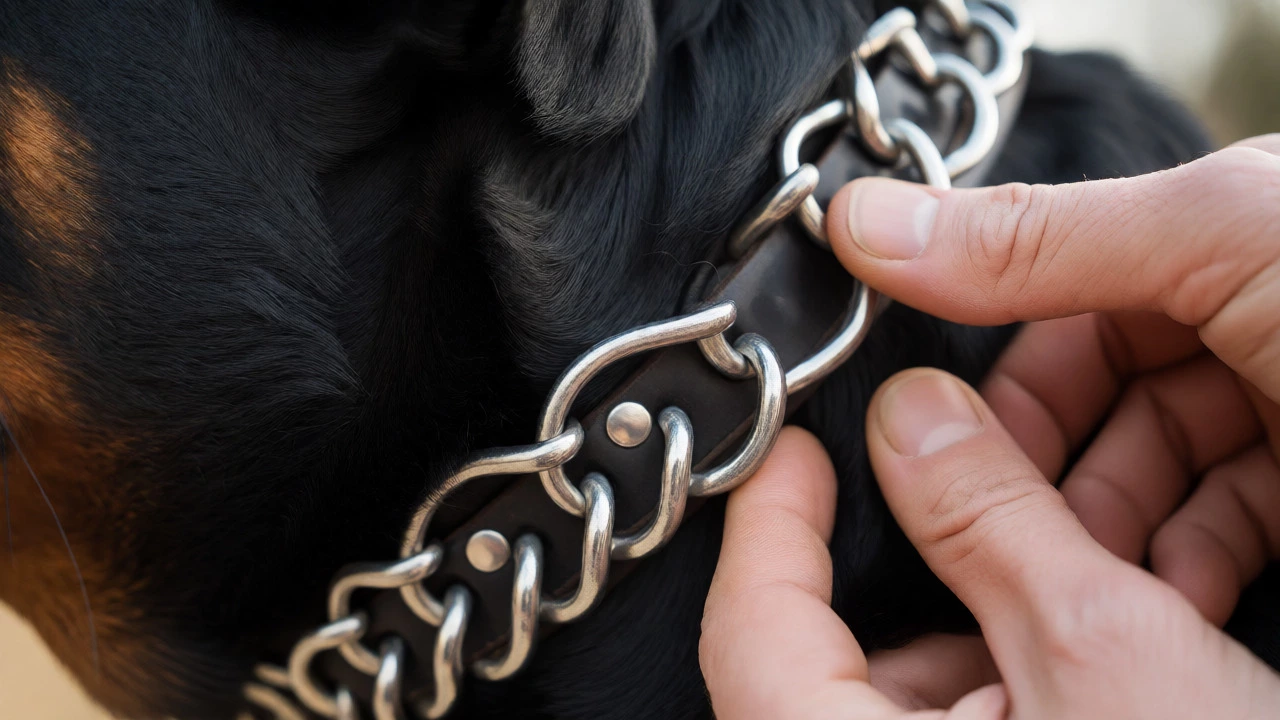
Let’s be honest: most people who hate prong collars haven’t seen them used correctly. They’ve seen them used badly. A prong collar requires skill. You need to fit it snugly right behind the ears. You need to know how to apply tension without jerking. You need to pair the correction with a reward once the dog complies.
Many owners buy the collar online, put it on their dog, and immediately start yanking whenever the dog sniffs a tree. The result? The dog learns that walks are stressful and that the owner is unpredictable. The dog doesn’t learn manners; it learns avoidance. This creates a cycle of stress that makes the dog pull harder out of anxiety. Observers see a stressed dog and a harsh-looking tool, and they blame the tool.
Consider the analogy of a car seatbelt. If you wear it correctly, it saves your life. If you wrap it around your neck and tighten it until you can’t breathe, it’s dangerous. The tool isn’t evil; the application matters. But because the learning curve is steep, bad applications are common, fueling the narrative that prong collars are cruel.
Is There a Middle Ground?
Not everyone falls into the "love it" or "hate it" camp. Many trainers advocate for a balanced approach. They use prong collars as a temporary management tool while teaching loose-leash walking using positive reinforcement. Once the dog understands the cue, the collar comes off.
There are also modified versions now available. Some prong collars have rubber tips or nylon covers to reduce the visual shock and soften the impact. Others are designed with limited-slip features to prevent over-correction. These innovations aim to address the safety concerns while retaining the effectiveness for strong pullers.
Ultimately, the hatred towards prong collars is a proxy for a larger debate about animal welfare. It reflects our growing desire to treat pets as family members deserving of kindness, not just property to be controlled. As long as there are dogs that pull dangerously hard, and owners who lack the time or patience for months of clicker training, the prong collar will remain in use-and controversial.
Frequently Asked Questions
Do prong collars hurt dogs?
When fitted and used correctly, prong collars typically do not cause pain. They distribute pressure evenly around the neck, unlike flat collars which concentrate force on the trachea. However, improper fitting or harsh jerking can cause discomfort or minor skin irritation.
Are prong collars banned anywhere?
Yes, several countries have restrictions. Switzerland bans prong collars along with other aversive tools. Parts of Australia and some regions in Europe also restrict or ban their use. In the US, they remain legal but are increasingly discouraged by veterinary associations.
Can I use a prong collar on a puppy?
Generally, no. Most experts recommend waiting until a dog is physically mature enough to handle the pressure, usually around 6 months to 1 year depending on the breed. Puppies have softer tissue and are still learning basic manners, making gentler tools like front-clip harnesses more appropriate.
What is the best alternative to a prong collar?
A front-clip harness is the most recommended alternative for reducing pulling without neck pressure. It steers the dog toward the handler when they pull. Head halters are another option for very strong dogs, though they require proper acclimation to avoid startling the dog.
How do I know if my prong collar fits correctly?
The collar should sit high on the neck, just behind the ears. You should be able to fit one finger between the prong and the dog's skin. If it slides down to the throat, it is too loose. If the prongs dig in deeply when relaxed, it may be too tight or ill-fitting for the dog's neck shape.