Puppy Nighttime Hydration Planner
Enter Puppy Details
Recommended Strategy
Safe Hydration Methods
Enter your puppy's details to generate a personalized nighttime hydration plan.
It is 2:00 AM. You are half-asleep when you hear the distinct sound of plastic clattering against metal. Your heart sinks. Is your new puppy chewing the bars? Or worse, did they just knock over their water bowl and soak the crate mat?
This is one of the most common dilemmas for new dog owners. On one hand, you know puppies need to stay hydrated. On the other, you dread waking up to a soggy mess or dealing with a puppy who has learned that peeing in the crate is acceptable because it was already wet.
The short answer? For most healthy puppies sleeping through the night, you should not put a water bowl in the crate. However, there are specific exceptions where withholding water could be dangerous. Let’s break down exactly when to provide water, how to manage nighttime hydration safely, and how to train your puppy to hold it until morning without risking their health.
The Physiology of a Sleeping Puppy
To understand why water in the crate is usually unnecessary, you have to look at what happens to a puppy during sleep. When a puppy enters deep sleep, their metabolic rate slows down significantly. They aren’t running around the backyard; they aren’t panting from heat; they aren’t digesting a massive meal. Their body is essentially in power-saving mode.
A small breed puppy, like a Chihuahua or a Toy Poodle, may only produce a tiny amount of urine over an eight-hour period if they haven’t had fluids right before bed. A larger breed, like a Great Dane or Labrador Retriever, produces more volume but also has a larger bladder capacity relative to their size compared to a tiny teacup breed.
If your puppy drinks a full bowl of water right before being crated, that liquid has nowhere to go but out. Puppies lack the muscular control to "hold it" indefinitely. If the urge becomes too strong, they will relieve themselves in the crate. This creates a feedback loop: the crate becomes a bathroom, the puppy learns to pee in their sleeping area, and housebreaking takes weeks longer than it should.
How long can a puppy hold their bladder overnight?
A general rule of thumb is that a puppy can hold their bladder for their age in months plus one hour, but this applies to daytime activity. Overnight, metabolism slows, allowing them to often last longer. Most 8-week-old puppies can last 4-5 hours, while a 16-week-old might last 6-7 hours. Adult dogs can typically hold it for 8-10 hours comfortably.
When Water IS Necessary: The Exceptions
While the default setting should be "no water," there are critical scenarios where removing water poses a health risk. Ignoring these exceptions can lead to dehydration or urinary tract issues.
- Extreme Heat: If your home does not have air conditioning and the temperature rises above 75°F (24°C) at night, your puppy needs access to water to regulate their body temperature. Overheating is a serious risk for brachycephalic breeds (like Bulldogs, Pugs, and Frenchies) who struggle to pant efficiently.
- Medical Conditions: Puppies with diabetes, kidney disease, or Cushing’s disease experience polydipsia (excessive thirst). If your vet has prescribed fluid intake, you must follow those instructions, even if it means managing accidents.
- Pregnant or Nursing Mothers: A female puppy who is pregnant or nursing requires constant access to water to support milk production and her own hydration needs.
- Post-Surgery Recovery: If your puppy has recently undergone surgery, especially involving anesthesia which causes dry mouth, they may need frequent sips of water. Consult your veterinarian on whether to keep water in the crate or offer scheduled sips.
If any of these apply to you, do not worry about the mess. Use waterproof liners and check on them frequently. Health always trumps convenience.
The Risks of Leaving Water in the Crate
Aside from the obvious issue of accidents, leaving a standard water bowl in a crate introduces other problems that can derail your training efforts.
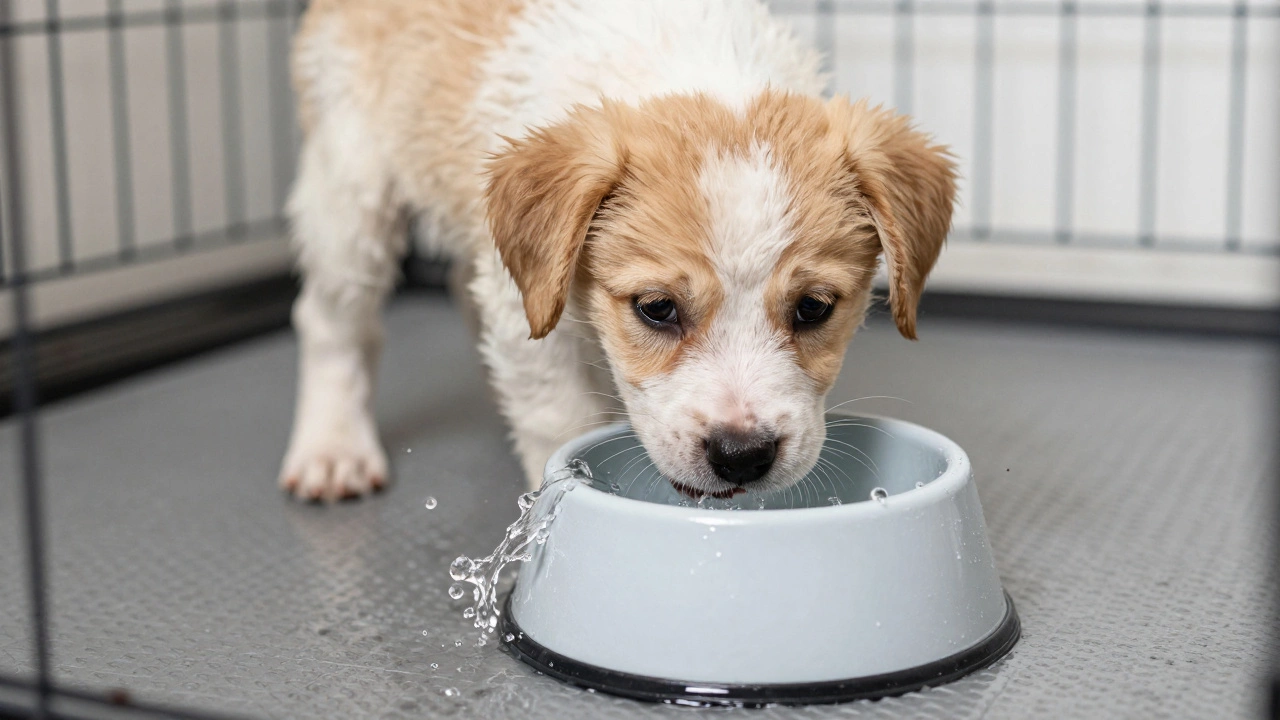
Spills and Soaked Mats: Puppies are clumsy. They shift, stretch, and play even when tired. A lightweight plastic or stainless steel bowl will easily slide across the crate floor. Even if they don’t tip it over completely, lapping at water often results in splashing. A wet crate mat is uncomfortable and can lead to skin irritation or hot spots if the puppy sleeps in dampness for hours.
Chewing Hazards: Many puppies go through a teething phase between 3 and 6 months. A water bowl can become a toy. Chewing on plastic bowls can create sharp shards that pose a choking hazard or cause intestinal blockages. Metal bowls are safer but can still be gnawed, potentially damaging sensitive gums.
Contamination: If the puppy steps in their own urine or feces and then dips their paw into the water bowl, they are drinking contaminated water. This increases the risk of bacterial infections like E. coli or Salmonella, which are particularly dangerous for young immune systems.
How to Manage Nighttime Hydration Safely
You don’t have to choose between a dehydrated puppy and a flooded bedroom. There are practical strategies to ensure your puppy stays hydrated without the risks associated with a free-flowing water bowl in the crate.
1. The Pre-Bed Routine
Timing is everything. Offer your puppy their final drink of water about two hours before bedtime. This gives them enough time to process the fluid and eliminate before going into the crate. Take them outside for a final potty break immediately before crating. Make this boring-no play, no treats, just business. Then, crate them for the night.
2. Strategic Morning Access
As soon as you wake up, let your puppy out of the crate and give them fresh water. This resets their hydration cycle for the day. Most puppies will drink eagerly after a night’s sleep, ensuring they start the day properly hydrated.
3. Ice Cubes or Frozen Treats
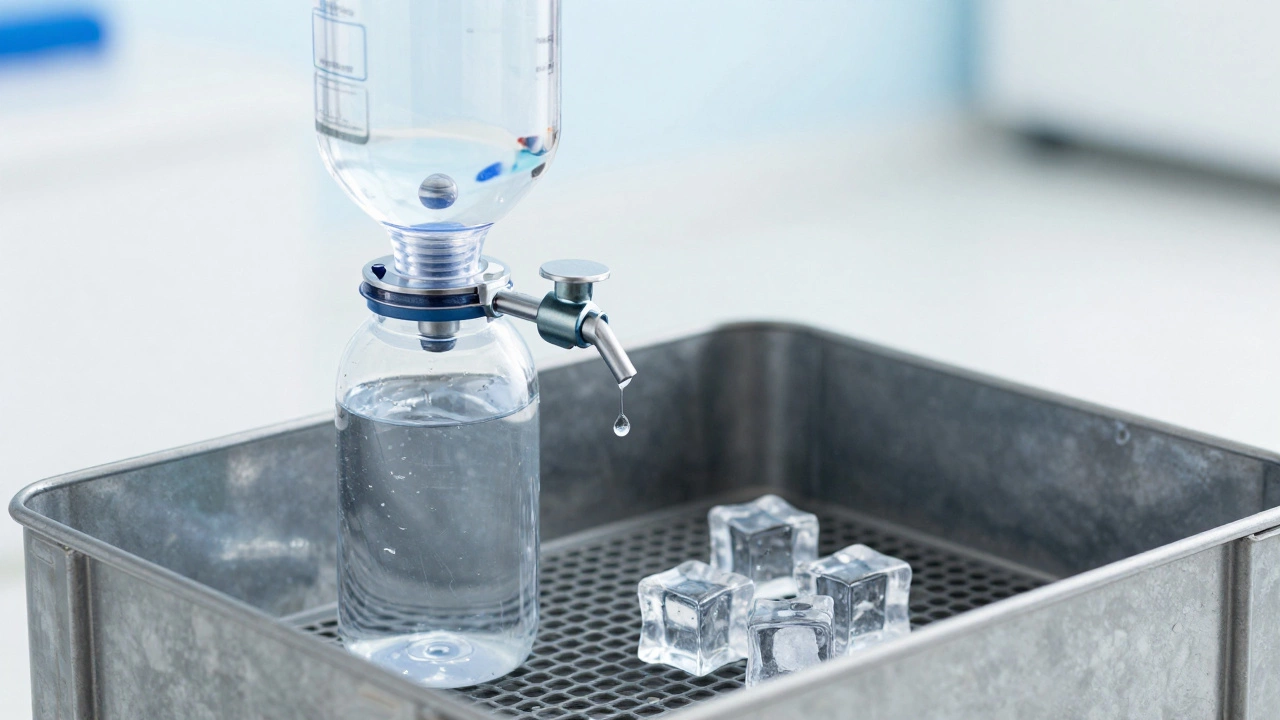
If you are worried about your puppy getting thirsty in the middle of the night, try placing a few ice cubes in the bottom of the crate (on a safe, non-slip mat) or offering a frozen Kong filled with broth or yogurt before bed. As the ice melts slowly, it provides minimal moisture without the risk of a large spill. It also keeps them occupied if they are restless.
4. Gravity Feeders or Hanging Bowls
If your puppy absolutely needs water in the crate due to health reasons, use a gravity feeder bottle attached to the side of the crate. These devices dispense water only when the puppy licks the nozzle, preventing spills and keeping the water clean. Alternatively, hang a stainless steel bowl securely from the crate door so it cannot be tipped over. Ensure the fit is tight; loose bowls are accident waiting to happen.
| Method | Pros | Cons | Best For |
|---|---|---|---|
| No Water | Clean crate, encourages bladder control | Risk of mild dehydration if very hot | Healthy puppies, cool environments |
| Standard Bowl | Easy to fill, familiar to puppy | High spill risk, chewing hazard | Daytime use only |
| Hanging Bowl | Prevents tipping, saves floor space | Can still splash, noisy clinking | Puppies who need water but are careful drinkers |
| Gravity Feeder | No spills, clean water, chew-proof | More expensive, some puppies find it confusing | Medical needs, anxious chewers |
| Ice Cubes | Slow melt, cooling effect, entertaining | Limited volume, melting mess | Short naps, mild thirst relief |
Training Bladder Control Without Punishment
Removing the water bowl is not just about cleanliness; it is a tool for housebreaking. Dogs naturally dislike sleeping in soiled areas. By keeping the crate dry, you leverage this instinct. If the puppy knows the crate is a clean, dry sanctuary, they will make every effort to hold it until they are let out.
If your puppy whines in the middle of the night, resist the urge to let them out unless you suspect they truly need to go. Whining can be attention-seeking. If you let them out for a play session, you reinforce the behavior. Instead, stand quietly by the crate, wait for silence, and then take them directly outside on a leash. If they pee, praise calmly and return them to the crate. If they don’t pee, return them to the crate and try again in 15 minutes.
Gradually increase the time between nighttime potty breaks as your puppy matures. An 8-week-old may need one break at 3:00 AM. A 12-week-old might only need one at 4:00 AM. By 16-20 weeks, many puppies can sleep through the entire night without interruption.
Signs Your Puppy Needs Water Immediately
Even if you’ve decided to withhold water at night, monitor your puppy for signs of dehydration. If you notice any of the following, provide water immediately and consult your vet if symptoms persist:
- Skin Tenting: Gently pinch the skin at the back of the neck. If it snaps back quickly, they are hydrated. If it returns slowly or stays tented, they are dehydrated.
- Dry Gums: Healthy gums should be moist and pink. Dry, sticky, or pale gums indicate dehydration or illness.
- Loss of Energy: Extreme lethargy or weakness upon waking can signal electrolyte imbalance.
- Sunken Eyes: Eyes that appear dull or recessed in the socket are a late sign of severe dehydration.
Frequently Asked Questions
What if my puppy pees in the crate despite having no water?
If your puppy pees in the crate even without water, they likely need a potty break earlier in the evening or their crate may be too large. If the crate is too big, they can designate one corner for sleeping and another for eliminating. Use a divider to shrink the space so it is just large enough for them to stand, turn around, and lie down. Also, ensure they had ample exercise and a final potty break right before crating.
Is it okay to leave water in the crate during the day?
Yes, during the day, puppies are active and burn energy, so they need regular access to water. However, supervise them initially to ensure they don’t tip the bowl. Remove the water bowl 1-2 hours before bedtime to prepare for the night routine.
How do I stop my puppy from chewing the water bowl?
Switch to a heavy stainless steel bowl that is difficult to move. Alternatively, use a gravity feeder bottle attached to the crate bars. If chewing is a behavioral issue, provide appropriate chew toys before crating to satisfy their teething urges. Never leave plastic bowls unsupervised.
My puppy is crying for water at night. Should I get up?
Assess the situation. If it has been less than 4-5 hours since their last potty break and they had water earlier, they are likely seeking attention. Do not reward whining with interaction. If it has been a long time, or if it is extremely hot, take them out for a quick potty break and offer a few sips of water using a cap or syringe, then return them to the crate.
Does crate size affect whether I should add water?
Indirectly, yes. A properly sized crate forces the puppy to keep their sleeping area clean. If the crate is too large, the puppy can separate their sleeping zone from their elimination zone. In a correctly sized crate, the presence of water increases the likelihood of spills contaminating their only dry spot, making accidents more stressful for the puppy.