Puppy Chew Safety & Recommendation Tool
Determine the safest chew options for your puppy based on their age, chewing style, and supervision habits. This tool helps you avoid dangerous items like cooked bones or antlers that can cause tooth fractures or intestinal blockages.
The Teething Crisis: Why Your Puppy Can't Stop Chewing
If you’ve brought a new puppy home, you know the drill. One minute they’re sleeping on your rug, and the next, your favorite leather loafer looks like it went through a woodchipper. It’s frustrating, but here’s the truth: your puppy isn’t being destructive out of spite. They are in pain. Just like human babies, puppies go through a teething phase that typically starts around three months of age and can last until six or seven months.
During this time, their baby teeth fall out, and adult teeth push through the gums. This process is incredibly uncomfortable. Chewing releases endorphins, which act as natural painkillers. If you don’t provide appropriate outlets for this urge, your furniture, electrical cords, and socks become fair game. The goal isn’t just to save your belongings; it’s to keep your puppy from swallowing something dangerous while soothing those sore gums.
Safe vs. Dangerous: What Actually Works?
Not all chew items are created equal. In fact, many popular products found in pet stores pose serious risks. Before handing anything to your dog, consider the material, hardness, and size. A good rule of thumb is the "two-finger test": if you can fit two fingers between your puppy’s jaws when they have the item in their mouth, it’s large enough to prevent accidental swallowing.
Here is a breakdown of what generally works and what you should avoid:
- Rubber Toys: Durable, flexible, and easy to clean. Brands like Kong are industry standards because they withstand aggressive chewing without shattering.
- Natural Chews: Items like bully sticks or antlers offer long-lasting satisfaction but come with specific hygiene and choking risks (discussed below).
- Fabric Toys: Great for gentle play, but terrible for heavy chewers. Stuffing can be ingested, leading to intestinal blockages.
- Hard Bones: Cooked bones, pork bones, and weight-bearing bones from large animals are extremely dangerous. They splinter easily and can puncture the digestive tract.
| Chew Type | Safety Rating | Durability | Best For |
|---|---|---|---|
| Kong Rubber Toy | High | Very High | Aggressive chewers, treat dispensing |
| Bully Stick | Medium | Medium | Supervised solo play, high-value reward |
| Antler | Low-Medium | Very High | Gentle chewers (risk of tooth fracture) |
| Cooked Bone | Unsafe | Low | None - Avoid completely |
| Frozen Washcloth | High | Low | Teething pain relief, cheap alternative |
Top Picks for Different Chew Styles
Puppies have different personalities. Some are gentle nibblers, while others are power chewers who take chunks out of everything. Matching the toy to your puppy’s style is crucial for safety and longevity.
1. The Indestructible Rubber Toy
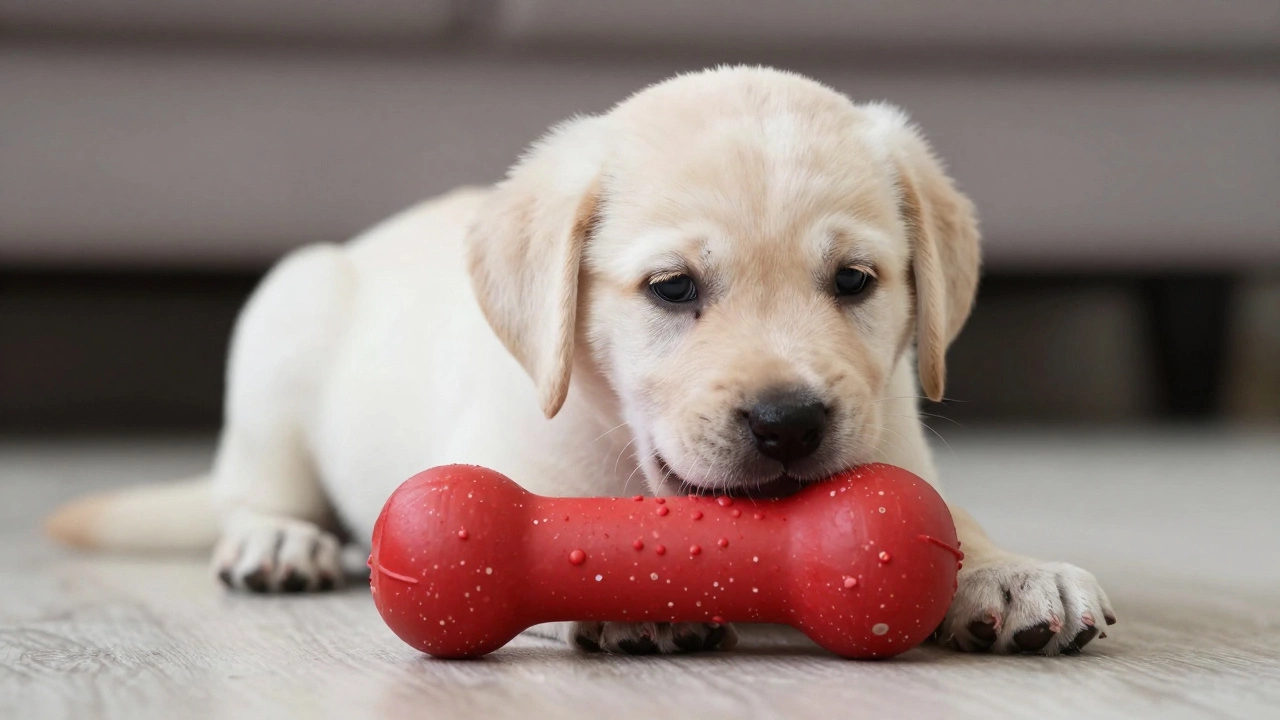
For most puppies, especially breeds like Labradors, German Shepherds, or Pit Bulls, rubber toys are the gold standard. Look for toys made from natural rubber that are non-toxic and free from BPA. These toys flex under pressure rather than breaking. You can freeze them to soothe inflamed gums or stuff them with peanut butter (xylitol-free) to extend engagement time. The texture mimics the resistance of real prey, satisfying the instinct to chew without the risk of splintering.
2. Natural Digestible Chews
If your puppy prefers organic textures, bully sticks are a popular choice. Made from dried pizzle (penis) of bulls, they are single-ingredient, highly digestible, and smell amazing to dogs. However, they are not indestructible. As the stick breaks down, it becomes stringy and slimy. Always supervise your puppy with a bully stick. Once it gets small enough to swallow whole (about two inches), take it away immediately. Other options include sweet potato chews or trachea tubes, which are softer and easier on sensitive stomachs.
3. Frozen DIY Solutions
You don’t always need to buy expensive toys. A simple washcloth soaked in water and frozen into a solid block is an excellent teething aid. The cold numbs the gums, and the fabric provides texture. You can also freeze low-sodium chicken broth in ice cube trays for a tasty, soothing snack. This is particularly useful during the peak of teething discomfort when even hard rubber might feel too harsh.
The Hidden Dangers: What to Avoid at All Costs
Marketing labels can be misleading. Just because a product says "natural" doesn’t mean it’s safe. Here are the biggest pitfalls owners face:
- Cooked Bones: Never give cooked bones. Cooking makes bones brittle. When a puppy bites down, they shatter into sharp shards that can cut the mouth, throat, or intestines. Raw bones carry bacterial risks like Salmonella and E. coli, so most veterinarians advise against them entirely for young puppies.
- Antlers and Hooves: While durable, these are harder than a dog’s teeth. Aggressive chewers can crack their teeth trying to break an antler. Tooth fractures require expensive veterinary surgery and can lead to infection.
- Plastic Toys: Cheap plastic toys often contain harmful chemicals and can snap into sharp pieces. If your puppy can bite off a chunk of the toy, it’s too soft or poorly made.
- Stuffed Plushies: Unless your puppy is a very gentle player, plush toys are a ticking time bomb. Beads, squeakers, and stuffing are common causes of intestinal obstructions, which require emergency surgery.
How to Supervise and Rotate Chews
Even the safest chew requires supervision. Never leave your puppy alone with a rawhide, bully stick, or any chew that breaks down over time. Accidents happen quickly. If your puppy swallows a large piece, it can cause a blockage that is life-threatening.
Rotation is another key strategy. If you leave five toys out all day, your puppy will lose interest in them. Keep a basket of ten to fifteen toys and rotate three or four out each week. This keeps the toys "new" and exciting, reducing the urge to chew on forbidden items like shoes. Inspect every toy before giving it to your puppy. If there are tears, loose threads, or cracks, discard it immediately.
When to Call the Vet
While chewing is normal, watch for signs of trouble. If your puppy vomits, has diarrhea, shows lethargy, or strains to defecate after chewing something, contact your veterinarian immediately. These could be signs of a blockage or poisoning. Additionally, if you notice blood on a chew toy or your puppy seems to favor one side of their mouth, they may have injured a tooth or gum.
Is rawhide safe for puppies?
Rawhide is controversial. While it is digestible for some dogs, it poses a choking hazard and can cause intestinal blockages if swallowed in large pieces. Many vets recommend avoiding it altogether due to the chemicals used in processing. Safer alternatives include rubber toys or digestible bully sticks.
Can I give my puppy carrots to chew on?
Yes, raw carrot sticks are a healthy, low-calorie chew option. They are crunchy and help clean teeth. However, ensure the pieces are large enough that your puppy cannot swallow them whole. Cut them into thick batons rather than thin slices.
How do I stop my puppy from chewing my shoes?
Management is key. Keep shoes out of reach. When you see your puppy chewing a shoe, redirect them to an appropriate toy. Praise them enthusiastically when they chew the correct item. Consistency and providing enough suitable chew options are more effective than punishment.
Are dental chews necessary for puppies?
Dental chews can help reduce plaque, but they are not a substitute for proper chewing outlets. Choose VOHC-approved dental treats if you want to support oral health. Ensure the chew is sized appropriately for your puppy’s weight and jaw strength.
What is the best toy for aggressive chewers?
For aggressive chewers, look for heavy-duty rubber toys labeled as "indestructible." Brands like Kong Extreme or Goughnuts are designed to withstand intense biting. Avoid nylon bones if your dog tends to swallow fragments, as these can be sharp.