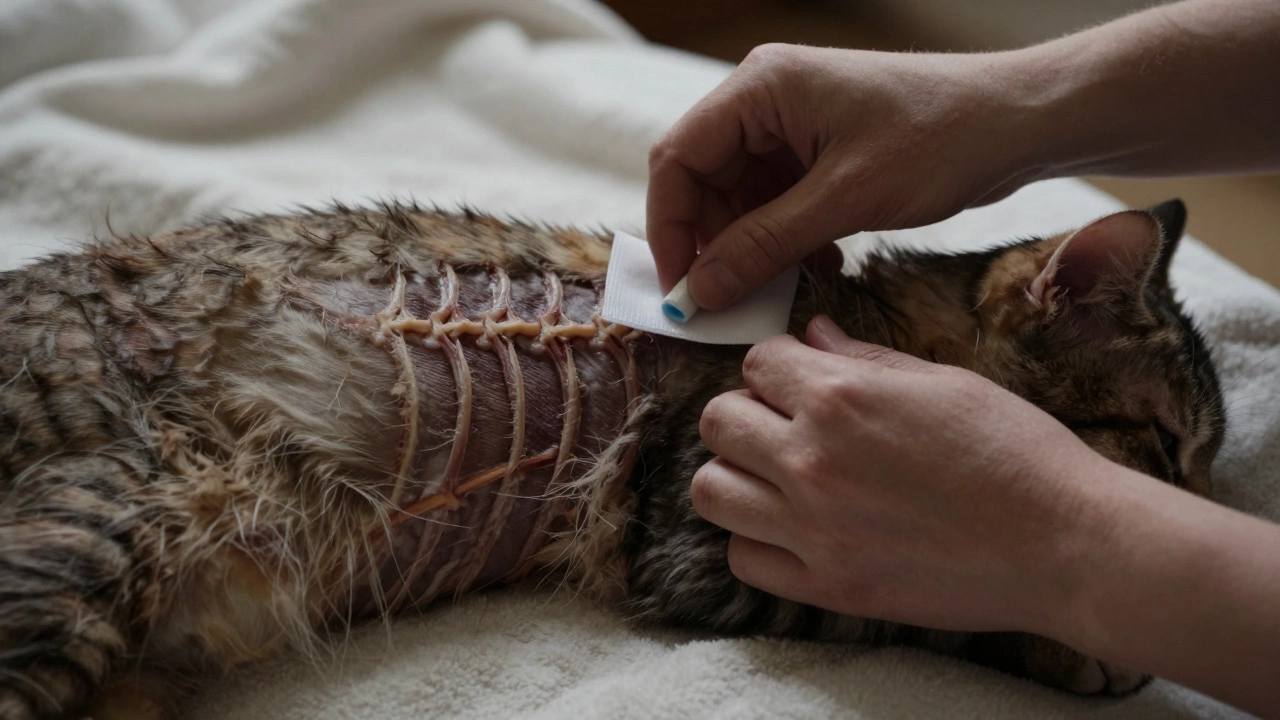
Emergency Feeding Calculator
If the cat is lethargic, trembling, or has collapsed, seek a veterinarian immediately.
Do not rush the feeding process; speed causes death.
Step 1: Estimate Weight
Use the cat's Ideal Body Weight (what they should weigh) or estimate based on their size. Never calculate solely based on their current emaciated weight.
Day 1 Protocol: Extreme Caution
Current Hunger Level
Safe Feed Limit
Meal Size: Give approx 0 kcal every 2-3 hours.
*Feed slowly via syringe or spoon. Watch for vomiting. If vomit occurs, STOP for 1 hour.
Recommended Food Types
Refeeding Ramp-Up Schedule
(25%)
(50%)
(100%)
Increase calories gradually by 10% each day once tolerance is established.
Putting a bowl of dry kibble in front of a severely underweight cat could actually kill them. It sounds counterintuitive, but your instinct to fill their plate is exactly what causes fatal complications in emaciated felines. When you ask what is the best cat food for a starving cat, the answer isn't a specific brand off the supermarket shelf. It is a carefully managed medical protocol involving high-density nutrients and strict timing. The body of a starving cat enters survival mode, shutting down metabolism to conserve energy. Suddenly flooding that system with carbohydrates triggers a massive insulin spike, pulling potassium and phosphorus into cells so fast that heart function can fail.
This phenomenon, known as Refeeding Syndrome, is the silent killer in rescue scenarios. Before worrying about flavor or texture, you must understand that nutrition for a starved animal is a medical procedure, not a mealtime event. You need to prioritize specific caloric densities and protein types that bypass the risk of metabolic collapse. While high-quality commercial wet food is better than dry kibble, veterinary recovery formulas remain the gold standard for stabilization.
The Physiology of Starvation and Nutritional Shock
To feed effectively, you need to understand what happens inside a malnourished cat. When a cat hasn't eaten for days, its liver starts breaking down fat for energy. This process produces ketones. Normally, the body manages these, but in a starving state, the balance tips dangerously. Once you introduce food again, the pancreas releases insulin aggressively. That insulin forces glucose, phosphate, magnesium, and potassium out of the blood and into the cells.
Refeeding Syndrome is a potentially fatal condition characterized by fluid and electrolyte imbalances caused by aggressive feeding in severely malnourished patients. If you don't monitor levels closely, low phosphate (hypophosphatemia) can weaken muscles to the point of respiratory failure. Low potassium causes heart arrhythmias. This is why you cannot simply offer a bowl and step away. Every gram counts, and every hour matters.
In New Zealand, where outdoor cats may face long winters without food sources, finding a thin pet is common. However, the severity of wasting differs between seasonal weight loss and active starvation. If the ribs are easily felt without any fat cover, and the spine protrudes, you are dealing with advanced malnutrition. These cats often have poor muscle tone and feel cold to the touch. Their bodies have prioritized keeping the brain alive while sacrificing the immune system and muscle mass.
Choosing the Right High-Calorie Recovery Diet
Not all cat foods are created equal. Standard maintenance diets contain about 250 to 350 kilocalories per 100 grams. A starving cat needs much higher density, ideally around 400 to 450 kilocalories per 100 grams. This allows them to meet nutritional needs with minimal stomach distension, which reduces nausea and vomiting risks. Liquid nutrition is superior because it contains pre-digested proteins and fewer anti-nutrients than kibble.
Veterinary Recovery Formulas are therapeutic diets formulated to provide concentrated nutrition with reduced fat and sodium for easier digestion. Brands like Hill's a/d, Royal Canin Recovery, or Purina Pro Plan Veterinary Diets HN are designed for this exact scenario. They often come in canned or powder-to-mix formats. If you cannot access a vet immediately, the closest alternative is unflavored, unsweetened baby meat puree blended with water, though this lacks critical amino acids like taurine required for heart health.
- Wet Canned Food: Choose chicken or turkey based recipes. Avoid fish flavors if the cat is older, as some fish oils can be too heavy on the liver.
- Liquid Calories: Supplement with a balanced oral rehydration solution if water intake is low.
- Temperature: Warm food slightly to enhance aroma. A starving cat has a dulled sense of smell and taste.
You should avoid dry food entirely during the initial refeeding phase. Kibble absorbs water in the stomach and expands, creating a false sensation of fullness. For a cat with weak abdominal muscles, this pressure can impede breathing. Furthermore, dehydrated cats rely on food moisture to hydrate. Wet food provides roughly 80% water content, serving a dual purpose of nutrition and rehydration.
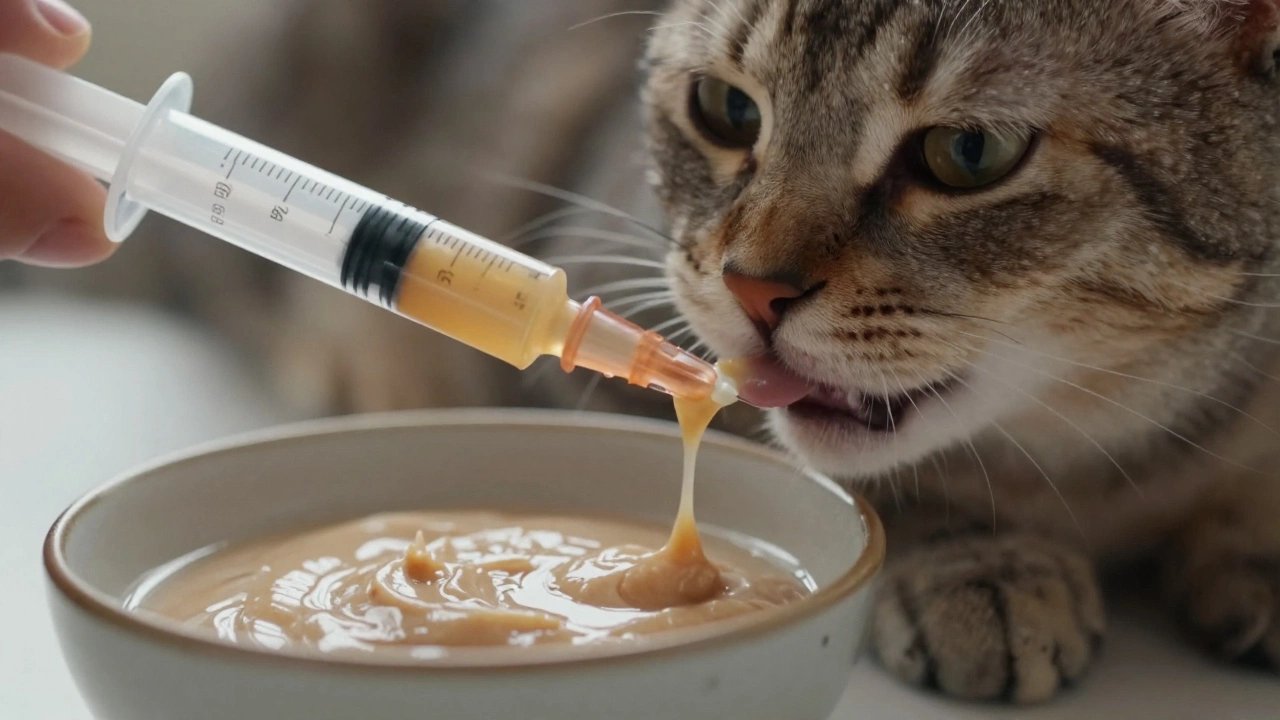
Safe Feeding Protocols and Pacing
The golden rule of refeeding is "start low and go slow." Do not offer a full day's portion at once. Instead, aim for 25% of their ideal daily energy requirement for the first 24 hours. Calculate this based on their lean body mass, not their current starving weight, as their weight includes little tissue and mostly bone.
If a cat weighs 3kg normally but currently weighs 2kg, base calculations on 3kg. A 3kg cat typically needs 200 calories daily to maintain weight. Your goal for day one is 50 calories. Divide that into ten mini-meals. Feed every two to three hours using a syringe or spoon. Watch the gum line for signs of retching. If they vomit, stop immediately and wait an hour before trying smaller amounts again.
| Fo | Caloric Density | Digestibility | Risk Factor |
|---|---|---|---|
| Recovery Prescription | High (400+ kcal) | Excellent | Low |
| Premium Wet Food | Medium (300-350 kcal) | Good | Moderate |
| Dry Kibble | Variable (350+ kcal) | Poor in dehydration | High (Expansion/Gastric Stasis) |
| Raw Meat | High | Risky | Very High (Bacteria/Liver Stress) |
Managing Hydration and Electrolytes
A starving cat is almost certainly dehydrated. Without proper blood volume, kidneys cannot filter toxins generated by muscle breakdown. Skin tenting is a quick test: gently pinch the skin behind the shoulder blade. If it snaps back slowly or stays lifted, the cat is dehydrated. Before forcing food, you must address water deficits.
Electrolyte Imbalance refers to disruptions in blood chemistry affecting nerve transmission and heart function. Subcutaneous fluids are often administered by vets. At home, you can encourage drinking by placing multiple water bowls near resting spots or adding a teaspoon of broth to the water source. Do not dilute food too much initially, as this increases volume intake too quickly.
Monitor urine output. If a cat eats but does not urinate within 24 hours, this indicates kidney stress or obstruction, particularly in males. In these cases, veterinary assessment is mandatory regardless of appetite response.

Recognizing Hepatolipidosis Risk
Cats have unique liver metabolism compared to dogs. When they stop eating, the liver stores fat, and as they start eating again, the fat can clog liver cells, leading to Fatty Liver Disease (Hepatolipidosis). This condition creates a cycle where nausea prevents eating, worsening the liver damage.
You can spot early signs through jaundice-a yellow tint in the whites of the eyes or gums. Another symptom is deep lethargy that worsens after eating. If this occurs, standard feeding fails. Hospitalization with assisted feeding tubes (esophageal or nasogastric) is often necessary to maintain nutrient flow without triggering reflux or aspiration.
Taurine supplementation is critical here. Commercial recovery foods include excess taurine, but homemade blends often lack it. Long-term deficiency leads to dilated cardiomyopathy, a form of heart failure. Always verify that any supplement regimen includes essential micronutrients to prevent secondary organ failure.
When to Seek Professional Medical Help
While home care works for mild cases of skipped meals, true starvation requires professional oversight. Call a vet immediately if the cat shows neurological signs like tremors, seizures, or blindness. Also seek help if the cat refuses liquids or appears to be struggling to breathe. The risk of aspiration pneumonia (inhaling food into lungs) is high in cats with weak swallowing reflexes.
Your goal is stability first, weight gain second. Rushing weight gain increases mortality rates. A controlled gain of 5-7 grams per day is healthy; rapid fluctuations shock the system. If you cannot administer food safely by syringe due to aggression or physical resistance, sedation might be required to facilitate tube placement. In Auckland clinics, emergency services operate 24/7 during peak seasons to handle these crises.
Can I give a starving cat milk?
No, you should never give cow's milk to a cat. Most adult cats are lactose intolerant, and milk can cause severe diarrhea. Diarrhea in a starving cat is dangerous as it accelerates dehydration.
How do I know how much to feed?
Start at 25% of the recommended daily caloric intake based on their lean body weight. Gradually increase by 10% each day until reaching the full maintenance level over the course of a week.
Is dry food okay for a thin cat?
Dry food is generally not recommended during the acute recovery phase. It lacks sufficient moisture and can expand in the stomach, reducing appetite and causing discomfort.
What if my cat refuses all food?
If a cat refuses food for more than 24 hours despite offering warm, smelly appetizers, this is an emergency. They need immediate veterinary intervention to assess underlying illness and potential hospitalization for tube feeding.
Can I use human baby food?
Only unseasoned meat-based baby food can work temporarily. Never use fruit-flavored versions containing onion or garlic powder, as these are toxic to cats.