Vaccine Necessity Calculator
Your Pet's Risk Assessment
Answer these questions to determine which vaccines are necessary for your pet.
Recommended Vaccines
Based on your pet's lifestyle and risk factors
Core Vaccines (Required for all pets)
- Parvovirus (Dogs)
- Distemper (Dogs)
- Adenovirus (Dogs)
- Feline Panleukopenia (Cats)
- Calicivirus (Cats)
- Herpesvirus (Cats)
Risk Assessment
Your pet has a high risk of exposure to preventable diseases.
Every year, pet owners in Auckland and beyond face the same question: Are pet vaccines really necessary? It’s not just about fear of needles or cost. It’s about confusion. You hear stories of pets getting sick after shots. You see posts online claiming vaccines cause autism, allergies, or chronic illness. Meanwhile, your vet insists they’re essential. So who’s right?
The short answer? Yes, vaccines are necessary. But not all vaccines are the same. And not every pet needs every shot. Understanding the difference between core and non-core vaccines is the key to making smart, safe choices for your dog or cat.
What are core vaccines - and why do they matter?
Core vaccines are the ones every dog and cat needs, no matter where they live or how much they travel. These protect against diseases that are widespread, highly contagious, and often deadly. In New Zealand, the core vaccines for dogs are: parvovirus, distemper, adenovirus (hepatitis), and leptospirosis. For cats, they’re feline panleukopenia, calicivirus, and herpesvirus.
These aren’t just recommendations. They’re lifelines. Parvovirus, for example, can survive in soil for over a year. A single contaminated paw print can infect a puppy. Distemper attacks the nervous system - even if a dog survives, they might spend the rest of their life with seizures. Feline panleukopenia kills up to 90% of unvaccinated kittens. These aren’t rare diseases. They’re preventable tragedies.
Here’s the reality: if you skip core vaccines, you’re gambling with your pet’s life. And you’re putting other pets at risk too. Unvaccinated animals are the main reason outbreaks still happen - even in cities.
What about non-core vaccines? Are they worth it?
Non-core vaccines are optional. They’re given based on your pet’s lifestyle. For example, if your dog goes to dog parks, boarding facilities, or hiking trails in rural areas, they might need the kennel cough (Bordetella) vaccine. If your cat goes outside in a neighborhood with lots of stray cats, the feline leukemia vaccine could be a good idea.
It’s not about being overcautious. It’s about matching protection to risk. A housecat who never leaves the apartment doesn’t need the same shots as a cat who fights with strays on the porch. A Labrador who swims in farm ponds needs leptospirosis protection. A Chihuahua who only walks on the pavement? Less so.
Your vet should help you map out your pet’s real-world exposure. Ask: Where does my pet go? Who do they meet? What are they likely to touch or breathe? That’s how you decide what’s needed - not fear, not marketing, not what your neighbor does.
Do vaccines cause more harm than good?
It’s a fair question. You’ve probably heard about pets getting sick after shots. Swelling at the injection site? Lethargy for a day? That’s normal. It’s your immune system doing its job.
But what about serious reactions? Allergic reactions are rare - about 1 in 1,000 to 1 in 10,000 doses. Severe reactions like anaphylaxis happen in less than 0.1% of cases. And yes, there’s a tiny risk of vaccine-associated sarcomas in cats - about 1 in 10,000. But here’s the balance: the risk of your cat dying from feline leukemia is 20 times higher if they’re unvaccinated and go outside.
Studies from the American Veterinary Medical Association and the World Small Animal Veterinary Association show that the benefits of core vaccines far outweigh the risks. In fact, deaths from vaccine reactions are rarer than deaths from car accidents involving pets.
Some people point to rising allergies or autoimmune diseases in pets as proof vaccines are harmful. But there’s no solid evidence linking vaccines to those conditions. Other factors - diet, environmental toxins, genetics - play bigger roles. Blaming vaccines is simple, but it’s not science.
What happens if you don’t vaccinate?
Let’s say you decide against vaccines. What then?
First, your pet can’t go to most boarding kennels, groomers, or training classes. Many won’t even let you in without proof of vaccination. That’s not bureaucracy - it’s protection for other animals.
Second, if your pet gets sick with a preventable disease, treatment is expensive. Parvo treatment can cost $1,500 to $5,000. Many owners can’t afford it. Some choose euthanasia because they can’t pay.
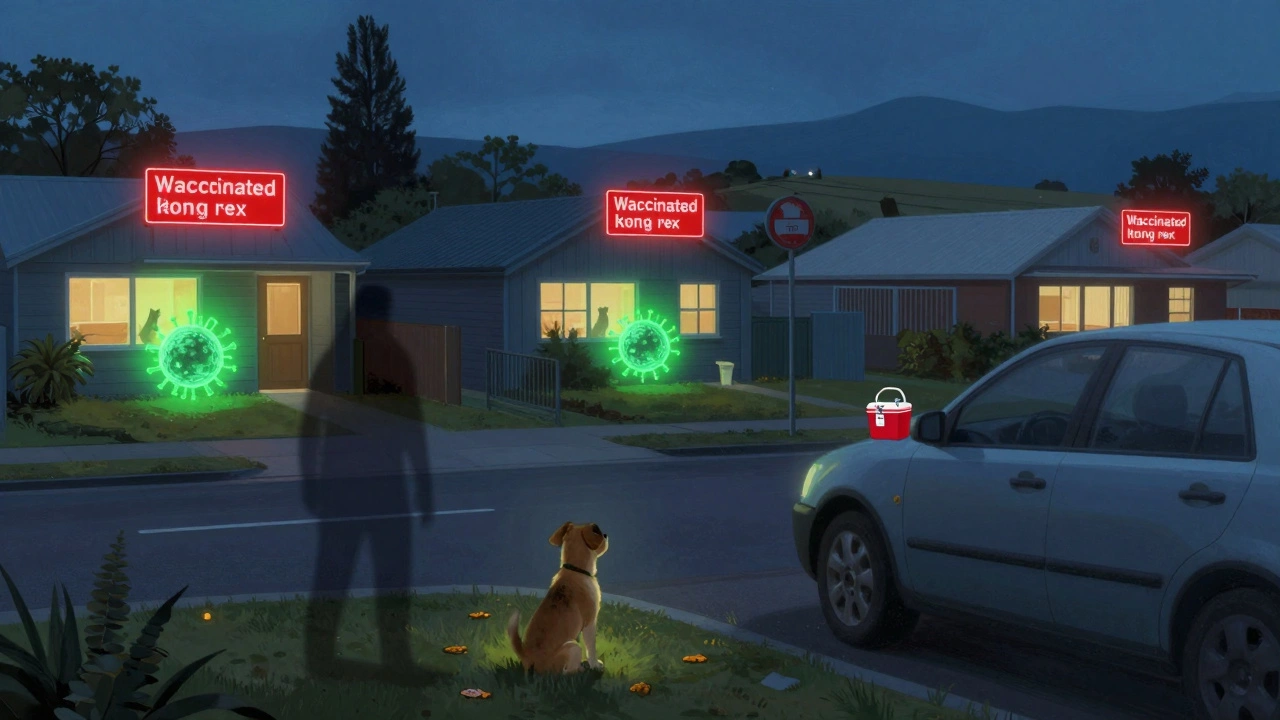
Third, you’re putting other pets at risk. In 2023, a parvo outbreak in South Auckland affected over 40 dogs in just six weeks. Most were unvaccinated puppies. One owner lost three dogs in a month. That’s preventable.
And here’s the kicker: if you live in New Zealand, your pet might be the only unvaccinated one in your neighborhood. That means you’re the source of an outbreak - not the victim.
How often do pets really need vaccines?
There’s a myth that pets need shots every year. That’s outdated. Most core vaccines now last three years. The rabies vaccine (not required in NZ, but needed for travel) lasts one to three years depending on the type.
Leptospirosis and kennel cough vaccines? Those are annual. Why? Because the immunity doesn’t last as long. It’s not about making money - it’s about matching the science.
Titers - blood tests that measure antibody levels - are an option for some vaccines. But they’re expensive and not always reliable. For example, a low titer doesn’t always mean your pet isn’t protected. Immune memory can still kick in even if antibodies are low. So titers are useful in specific cases, but they’re not a full replacement for vaccination.
Most vets now use a 3-year core vaccine schedule. Ask for a vaccination plan that matches current guidelines from the New Zealand Veterinary Association. Don’t let anyone pressure you into yearly shots for everything.
What about indoor pets? Do they need vaccines too?
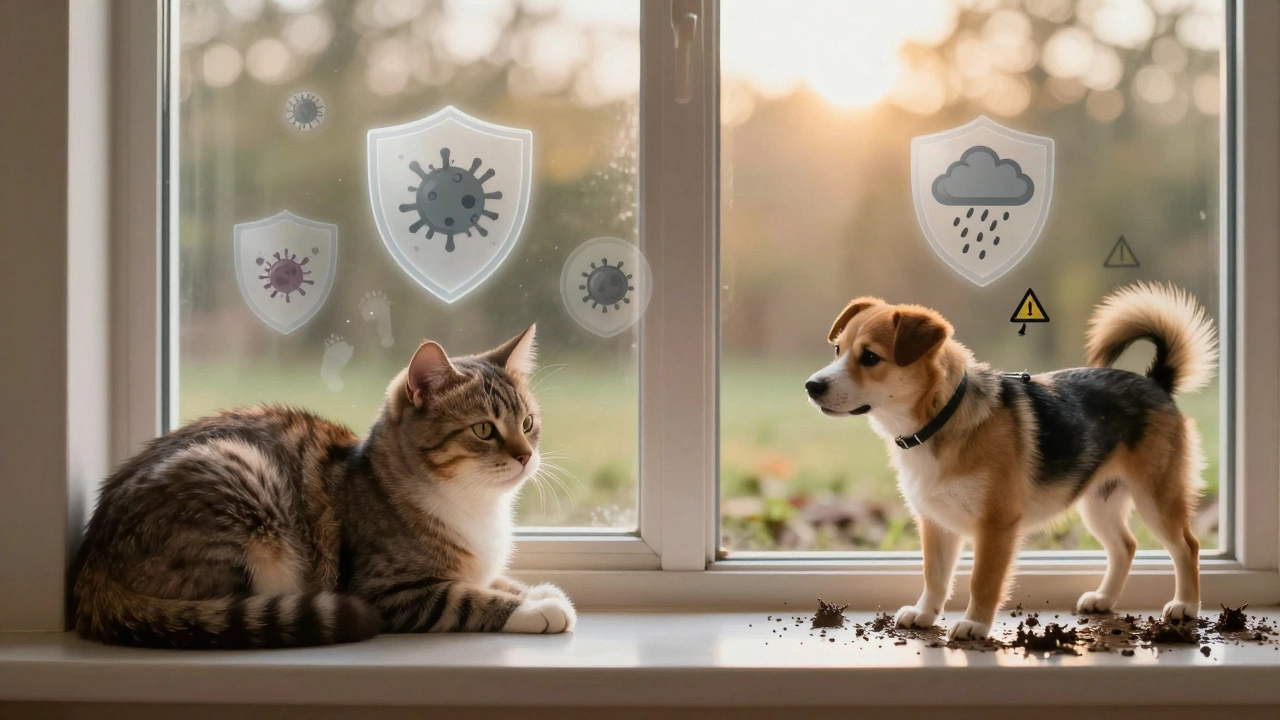
Yes. Even if your cat never leaves the house, viruses can come to them. You can carry parvovirus on your shoes. Feline herpesvirus can survive on clothing. A stray cat might get stuck under your porch. A neighbor’s dog might escape and sniff your yard.
Indoor pets are safer - but not immune. The core vaccines for cats protect against diseases that spread through air, surfaces, and human contact. Skipping them because your pet is “indoor only” is like not wearing a seatbelt because you only drive to the corner store.
And what if you ever need to rehome your pet? Shelters and rescue groups require proof of core vaccinations. No exceptions.
What’s the bottom line?
Are pet vaccines necessary? For core vaccines - absolutely. They’re one of the most effective, affordable, and proven tools in veterinary medicine. They’ve saved millions of pet lives. They’re not perfect. But the alternative - letting your pet die from a disease we can prevent - is far worse.
Do your homework. Talk to your vet. Ask for the latest guidelines. Understand which shots your pet truly needs. Skip the ones that don’t fit their life. But don’t skip the core ones.
Your pet doesn’t need to be perfect. They just need to be protected.
Are pet vaccines mandatory by law in New Zealand?
No, pet vaccines are not legally required in New Zealand - except for rabies, which isn’t present here. But most boarding facilities, groomers, training classes, and pet-friendly hotels require proof of core vaccinations. So while the law doesn’t force you, the real world does.
Can I delay vaccines for my puppy or kitten?
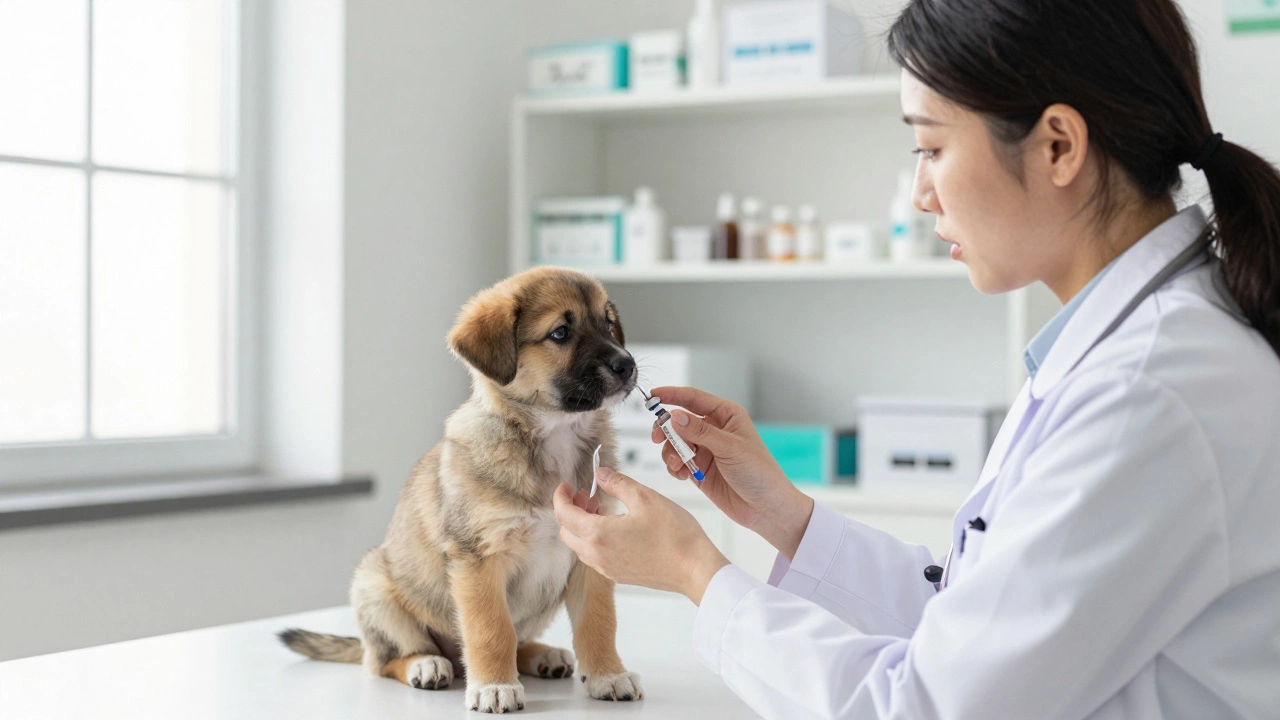
Delaying core vaccines puts your pet at serious risk. Puppies and kittens lose maternal immunity between 6 and 16 weeks. That’s their window of vulnerability. The first vaccine should be given at 8 weeks, then boosted at 12 and 16 weeks. Waiting beyond that leaves them exposed to deadly diseases like parvo and distemper.
Do vaccines weaken a pet’s immune system?
No. Vaccines train the immune system, they don’t weaken it. Think of it like a fire drill - it prepares your body to respond quickly if there’s a real emergency. Pets with healthy immune systems handle vaccines without issue. If your pet has a known immune disorder, talk to your vet about a tailored plan - but don’t skip vaccines without professional advice.
What if my pet had a bad reaction to a vaccine before?
Tell your vet. They’ll adjust the plan. For example, they might split vaccines into separate visits, use a different brand, or give antihistamines before the shot. Reactions are rare, and most are mild. But if your pet had a severe reaction, your vet can create a safe vaccination strategy - you don’t have to avoid vaccines entirely.
Are there natural alternatives to vaccines?
No. There are no proven natural alternatives that prevent diseases like parvo, distemper, or feline leukemia. Homeopathic remedies, herbal supplements, or diet changes won’t stop a virus. If someone claims they can, they’re selling false hope - and putting your pet’s life at risk.
Can I vaccinate my pet at home to save money?
It’s not safe or legal. Vaccines require proper storage, handling, and administration. Improper injection can cause abscesses, nerve damage, or ineffective immunity. Also, without a vet’s exam, you won’t know if your pet is sick and shouldn’t be vaccinated. Plus, most places won’t accept home-administered vaccines as proof of immunity. The risk isn’t worth the savings.