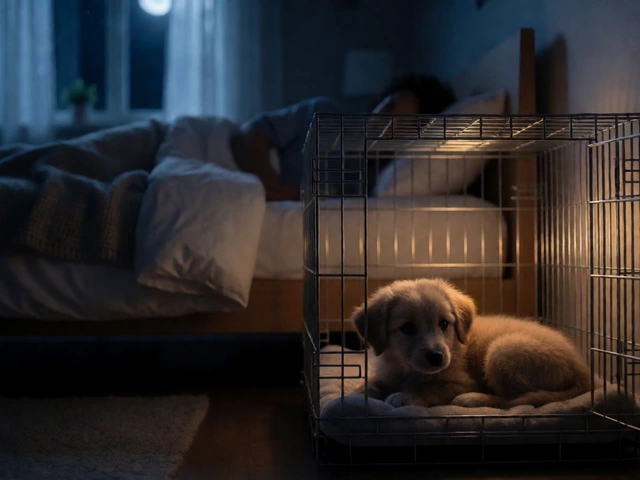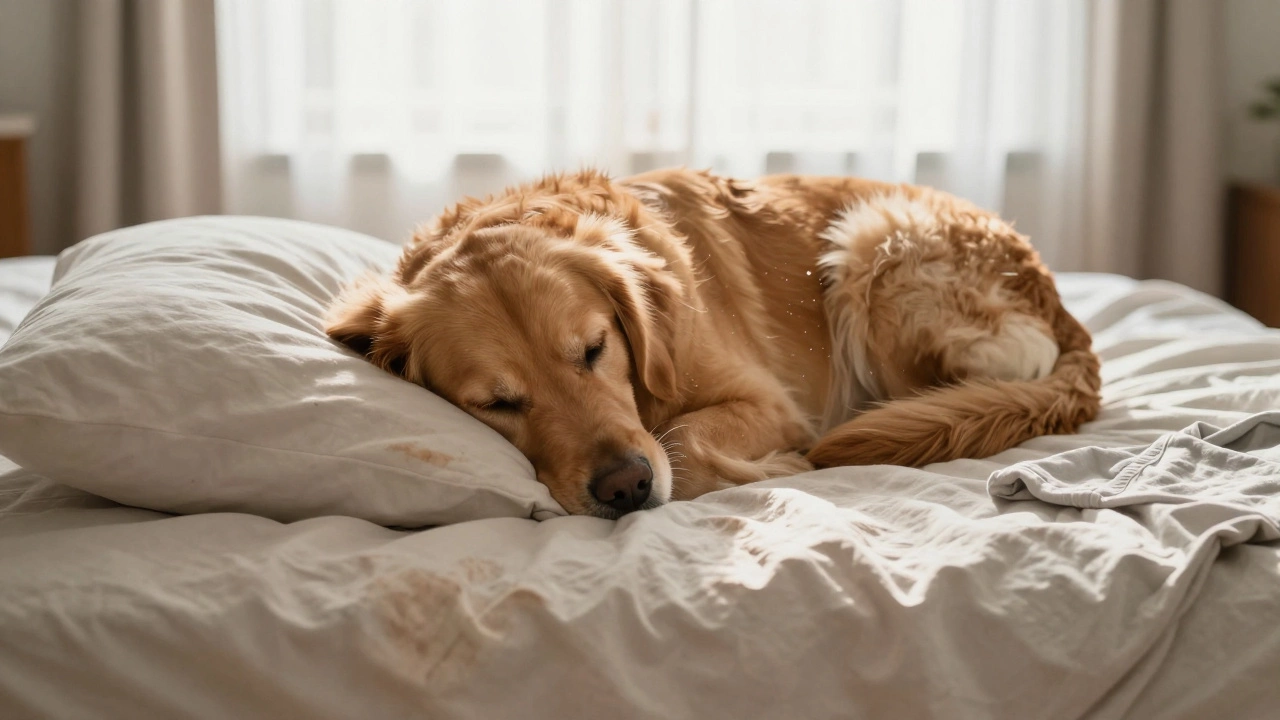
Ever come home to find your dog curled up on your bed, even though you told them not to? It’s not defiance. It’s not spite. It’s not because they’re trying to take over your space. It’s because your bed smells like you-and when you’re gone, that scent is the closest thing they have to you.
Your dog isn’t being disobedient-they’re seeking comfort
Dogs don’t think in terms of rules or boundaries the way humans do. They think in terms of safety, warmth, and scent. Your bed isn’t just a place to sleep. To your dog, it’s a scent map of the people they love most. When you leave, the smell of your skin, your shampoo, your clothes lingers. That smell triggers their oxytocin-the same bonding hormone humans feel when hugging someone they care about. Studies from the University of Lincoln found that dogs show measurable drops in stress hormones when exposed to their owner’s scent, even when the owner isn’t present. That’s why your dog doesn’t just nap on your pillow-they bury their nose in it. They’re not being messy. They’re self-soothing.It’s not about dominance-it’s about connection
You’ve probably heard the old myth that dogs sleep on your bed to assert dominance. That idea comes from outdated wolf pack theories that don’t apply to domestic dogs. Modern canine behaviorists, including Dr. Karen Overall, have debunked this. Dogs don’t see your bed as a throne they’re claiming. They see it as a safe zone you created. Think about it: if your dog wanted dominance, they’d guard the couch, the kitchen counter, or your favorite chair. But they pick your bed. Why? Because it’s the one place where your scent is strongest. It’s the place where you spend the most time. It’s the place that feels most like you.Separation anxiety might be the real culprit
If your dog only jumps on your bed when you’re gone-and shows other signs like pacing, whining, chewing shoes, or scratching at doors-they’re not being picky. They’re anxious. Separation anxiety affects nearly 20% of dogs, according to the American Veterinary Medical Association. Dogs with this condition don’t just sleep on your bed-they destroy things, bark nonstop, or even urinate indoors when left alone. Sleeping on your bed isn’t a bad habit. It’s a coping mechanism. Here’s how to tell if it’s anxiety:- They follow you from room to room when you’re home
- They panic when they hear you grabbing your keys or putting on your coat
- They’re fine when you’re home, but fall apart the second you leave
- They’ve been doing this since you brought them home, not just recently
Your dog’s bed isn’t enough-here’s why
You bought them a plush orthopedic dog bed. You placed it right next to yours. They barely look at it. Why? Because your bed isn’t just a bed. It’s a sensory experience.- Temperature: Your body heat keeps the sheets warm long after you’ve left. Most dog beds don’t retain heat like that.
- Texture: Cotton sheets, down pillows, and memory foam offer a unique pressure point relief dogs can’t get from synthetic foam.
- Height: Sleeping on your bed puts them at eye level with the room. They feel more in control.
- Scent: No dog bed can replicate the complex mix of human pheromones, sweat, and skin oils that cling to your sheets.
What to do instead of kicking them off
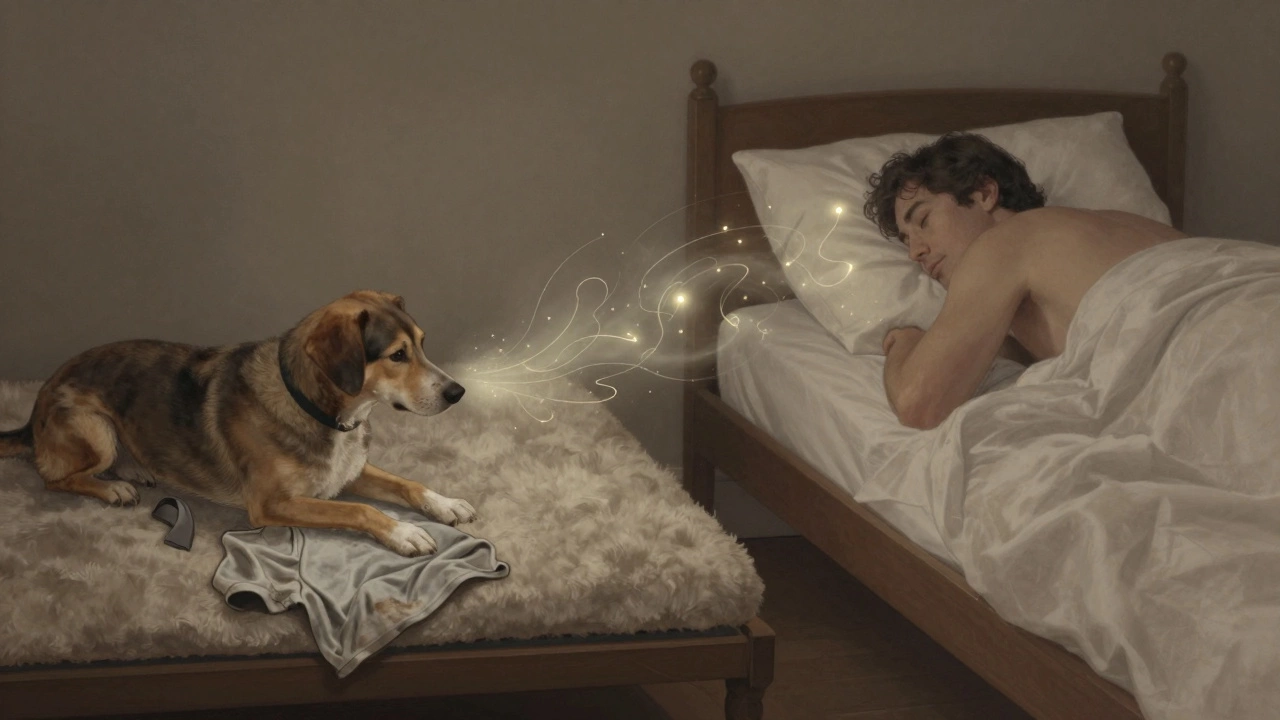
You don’t have to choose between a clean bed and a happy dog. There are better solutions. Option 1: Create a "you bed" for them Get a bed that mimics your mattress. Look for one with memory foam, a soft cotton cover, and a removable, washable top. Place an item of your worn clothing on it-something that still carries your scent. Put it right beside your bed, so they’re still close. Option 2: Use a heated dog bed Some dogs are drawn to warmth more than scent. A low-wattage heated bed (like the K&H Pet Products Thermal Heated Bed) can simulate body heat without the risk of overheating. Many dogs with anxiety respond quickly to this. Option 3: Train them with positive reinforcement If you want them to stay off your bed, don’t punish them when they jump up. Reward them when they choose their own bed. Keep treats near their bed. Say, “Your bed,” and toss a treat onto it. Do this every time you leave the room. Within two weeks, most dogs learn the cue. Option 4: Try a dog bed with built-in scent Newer dog beds now come with removable scent pods-small inserts you can soak in your laundry detergent or spray with a calming pheromone spray like Adaptil. These mimic the feeling of being near you without letting them on the mattress.When to call a vet or behaviorist
If your dog is sleeping on your bed and also:- Has trouble settling down even when you’re home
- Has lost appetite or seems lethargic
- Starts pacing at night or whining for no reason
- Has accidents in the house
It’s not about control-it’s about connection
Your dog sleeps on your bed because they love you. Not because they’re trying to boss you around. Not because they’re spoiled. Because in their world, your presence = safety. Your absence = uncertainty. And your scent is the only bridge between those two states. You don’t have to say no. You just have to say yes-to a better solution. One that honors their need for comfort without giving up your peace of mind.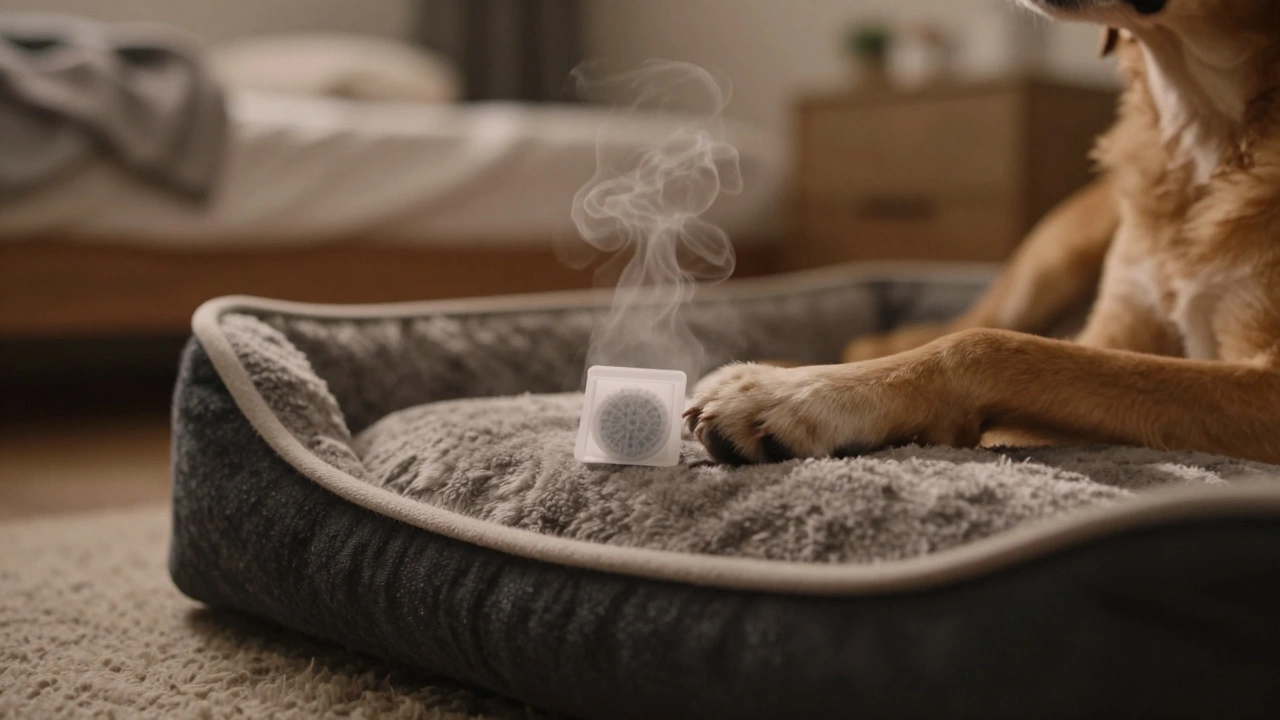
Quick summary / Key Takeaways
- Your dog sleeps on your bed because it smells like you-and that calms them down.
- This isn’t about dominance; it’s about emotional security and attachment.
- Separation anxiety is often the real reason behind this behavior.
- Your dog’s bed may not be enough because it doesn’t replicate your scent, warmth, or texture.
- Replace the behavior, don’t punish it: use scent-infused beds, heated pads, or training cues.
Why does my dog prefer my bed over their own?
Your bed carries your scent, body heat, and texture that your dog’s bed can’t match. Dogs are drawn to places that feel safe and familiar, and your bed is the strongest reminder of you when you’re gone.
Is it bad to let my dog sleep on my bed?
It’s not bad unless it causes problems-like disrupted sleep, allergies, or behavioral issues. If your dog is calm and you’re both comfortable, there’s no harm. If they’re anxious or you’re tired of cleaning fur, then it’s time to find a better alternative.
How do I stop my dog from jumping on the bed without upsetting them?
Don’t chase them off. Instead, make their bed more appealing. Place a worn shirt on it, use a heated pad, and reward them every time they choose it. Consistency matters more than force. Most dogs adapt within 10-14 days.
Can a dog bed really mimic my scent?
Yes, if you use the right tools. Scent pods, washable covers, and pheromone sprays like Adaptil can help. So can placing your old T-shirt or socks on their bed. Dogs recognize scent better than any artificial product.
Should I buy a new dog bed or just let them sleep on mine?
Buy a new bed if you want to set boundaries. But make sure it’s designed to feel like your bed-memory foam, soft cotton, and a scent anchor. Don’t just buy any bed. Buy one that bridges the gap between your presence and your absence.
Next steps
If your dog is sleeping on your bed because of anxiety, start with a simple test: leave a worn T-shirt on their bed tonight. See if they use it. If they do, you’re halfway there. If they ignore it, try a heated bed next. If they still can’t settle, book a consultation with a certified dog behaviorist. Anxiety doesn’t go away on its own-but it gets better with the right tools.What to avoid
- Don’t yell or shove them off the bed-it increases stress.
- Don’t use bitter sprays or electric mats-they create fear, not trust.
- Don’t assume they’re being stubborn. They’re trying to feel safe.