Humane Training Methods for Dogs: A Practical Guide
When working with humane training methods, training approaches that prioritize the dog's well‑being and rely on non‑aversive, reward‑based techniques. Also known as positive‑based training, these methods focus on building trust, clear communication, and consistent rewards. Humane training methods encompass positive reinforcement, the practice of rewarding desired behavior so the dog repeats it, which influences learning speed and reduces stress. By choosing reward over punishment, owners create a cooperative environment where the dog wants to please.
One of the most popular sub‑techniques is clicker training, a form of positive reinforcement that uses a distinct sound to mark the exact moment a behavior is correct. Clicker training pairs the sound with a treat, making the connection clear and fast. It works hand‑in‑hand with reward‑based training, any method that uses treats, praise, or play as incentives. Together they create a precise, enjoyable learning loop: the dog hears the click, gets a reward, and repeats the action. This loop shows how humane training methods require both timing and consistency.
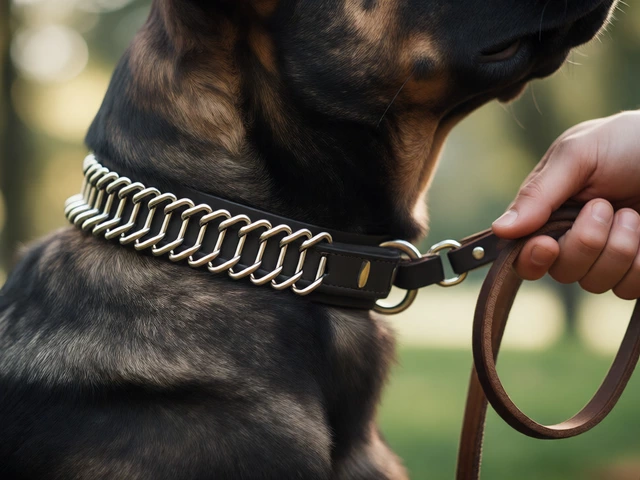
While the core of humane training is reward, the tools you use matter too. Many owners start with a standard flat collar, but a well‑fitted harness often works better for dogs that pull. Some trainers experiment with vibration collars, yet research shows they can cause anxiety if misused, so they are usually a last resort and not truly humane. In contrast, a simple treat pouch or a clicker provides immediate feedback without any discomfort. The relationship between the method and the tool is clear: humane training methods demand equipment that supports, not punishes, the dog.
Consistency is the hidden engine behind every successful training session. A dog learns best when cues, timing, and rewards are predictable. Setting a daily short‑session routine, using the same cue word, and delivering the reward within two seconds creates a strong mental link. This requirement—consistent, timely reinforcement—forms a semantic triple: humane training methods require consistency; consistency influences behavior retention; behavior retention reinforces trust.
Common mistakes often stem from mixing aversive tactics with reward‑based ones. For example, yelling after a missed cue can undo weeks of positive reinforcement work. Instead, treat missed cues as learning opportunities: pause, reset, and try again with a clear marker. By staying patient and focusing on rewards, you align with the principles found across our articles on calming collars, grooming etiquette, and budget‑friendly nutrition, all of which stress the value of a calm, happy dog.
Below you’ll find a curated collection of articles that dive deeper into each aspect of humane training—whether you’re curious about clicker timing, safe alternatives to vibration collars, or how to blend training with daily care. Explore the guides to expand your toolbox and keep your pup thriving.

Why You Should Avoid Using Shock Collars on Dogs
Discover why shock collars harm dogs, the health risks involved, and humane training alternatives that keep pets safe and happy.
read more