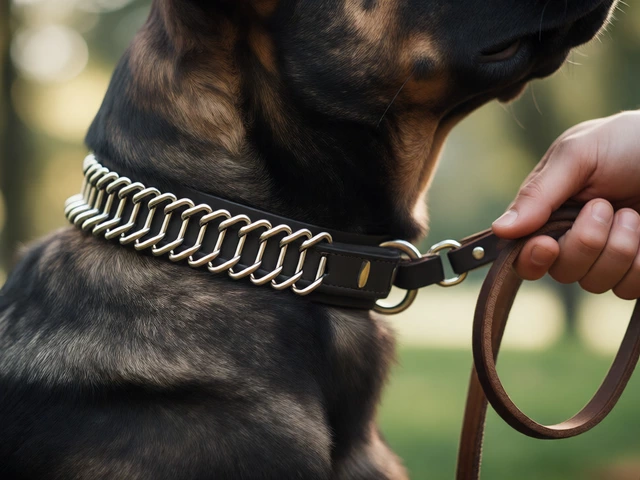
Dog Sleep Behavior
When learning about dog sleep behavior, the habits, postures, and cycles dogs go through while they rest. Also known as canine sleep patterns, it plays a big role in overall wellbeing. A closely related concept is puppy sleep, the specific rest needs of young dogs, which include more REM time and frequent naps. Another key player is dog health, the physical and mental condition that improves with good quality sleep. Finally, sleep deprivation, the state where a dog doesn’t get enough restorative rest, leading to irritability and weakened immunity can disrupt training outcomes and daily joy. Understanding these connections helps you spot when your pet needs a better sleep setup.
Key Factors That Shape Dog Sleep
dog sleep behavior isn’t just about the hours counted on a clock. It’s built on three core elements: the sleep cycle, the environment, and daily activity levels. Dogs, like humans, cycle through light sleep, deep slow‑wave sleep, and rapid‑eye‑movement (REM) sleep. During REM, they process emotions and solidify learning, so a pup that missed REM may show more anxiety during training. The environment matters too—quiet, dim lighting, and a comfortable bed signal safety, reducing the chances of frequent awakenings. When a dog’s routine includes vigorous play or walks, it naturally triggers longer deep‑sleep phases, whereas a sedentary lifestyle can lead to fragmented rest and possible sleep deprivation. For example, a working‑day owner who leaves their dog alone all day might notice the dog becoming clingy in the evening; this is often a sign the dog isn’t getting enough restorative sleep during the day. Adjusting feeding times, limiting late‑night treats, and creating a consistent bedtime help align the dog’s internal clock, making sleep patterns more predictable and healthier.
Beyond the basics, spotting poor sleep cues can save you headaches later. A dog that paws at the bed, whines at night, or shows excessive drooling might be experiencing discomfort or a medical issue like arthritis or an upset stomach. Puppies often sleep 18‑20 hours a day, spreading that time across short naps; missing these naps can slow growth and cause developmental hiccups. Older dogs may need softer bedding and temperature control to stay comfortable. Addressing these needs—adding a orthopedic mat, using a white‑noise machine, or establishing a pre‑sleep ritual—boosts overall dog health and reduces the risk of chronic problems. By recognizing how sleep, health, and behavior intertwine, you set the stage for a happier, more balanced companion.
Now that you know what shapes dog sleep behavior and why it matters, you’ll see how each article below fits into the bigger picture. From the science of waking a sleeping puppy to tips for creating the perfect sleep environment, the posts ahead give you practical steps, real‑world examples, and easy fixes to help your dog rest better tonight and thrive tomorrow.
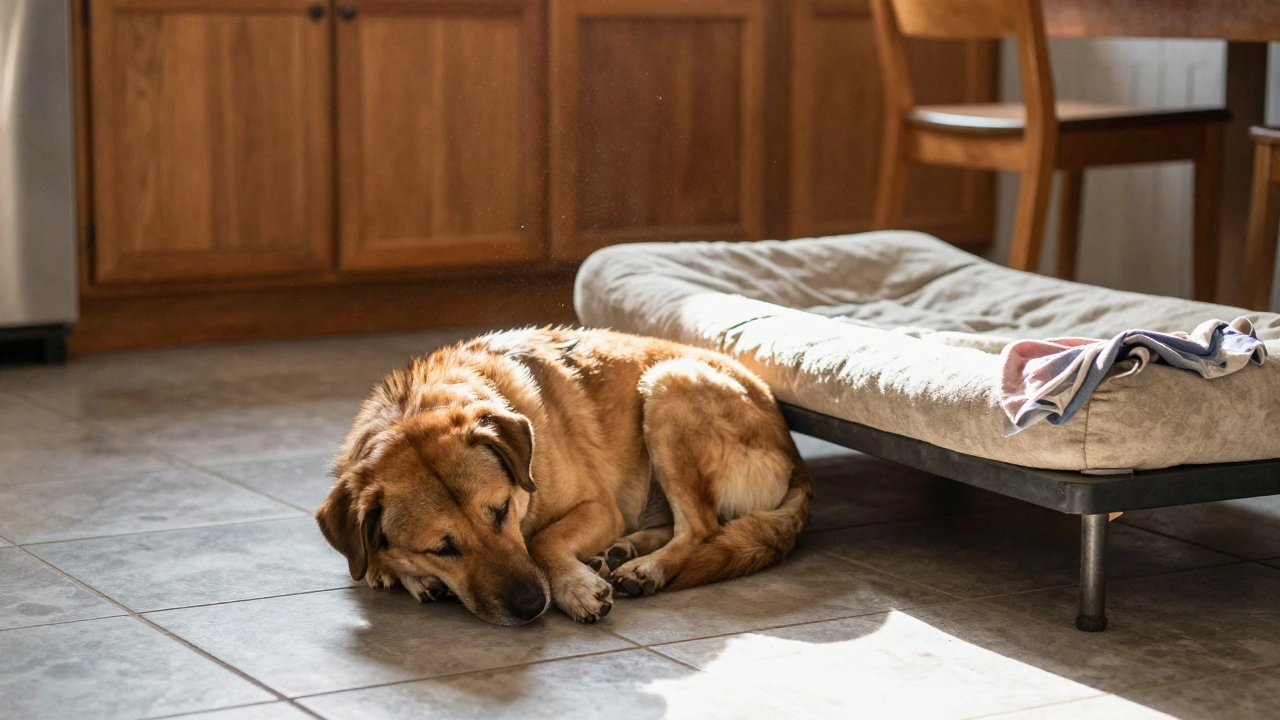
Do Dogs Prefer the Floor or a Bed? What Science and Behavior Tell Us
Dogs don't always choose beds over floors-here's why. Learn what drives their sleeping preferences, how to pick the right bed, and when to worry about sudden changes in their habits.
read more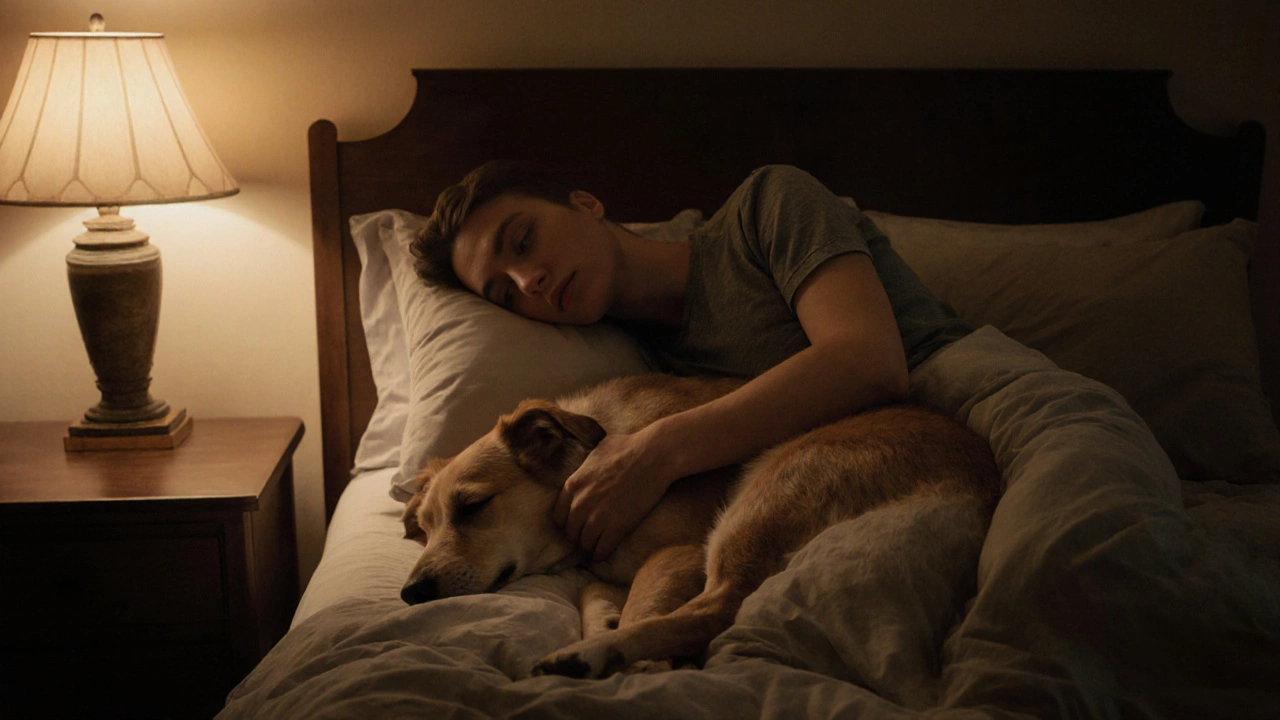
Why Dogs Choose to Sleep With You - Understanding Canine Sleep Behavior
Discover why dogs love sleeping with you, from pack instincts and oxytocin bonding to comfort and health benefits, plus tips for the perfect bedtime setup.
read more