Dog Collar Replacement: When and How to Swap Out a Worn or Unsafe Collar
When it comes to your dog’s everyday gear, the dog collar replacement, the act of swapping out a worn, ill-fitting, or unsafe collar for a new one. Also known as collar renewal, it’s not just about looks—it’s about safety, comfort, and keeping your dog protected during walks, travel, or emergencies. A collar that’s too tight digs into the neck. One that’s too loose can slip off. Frayed straps, broken buckles, or faded ID tags aren’t just annoying—they’re dangerous. If your dog’s collar looks like it’s seen better days, it’s time for a replacement.
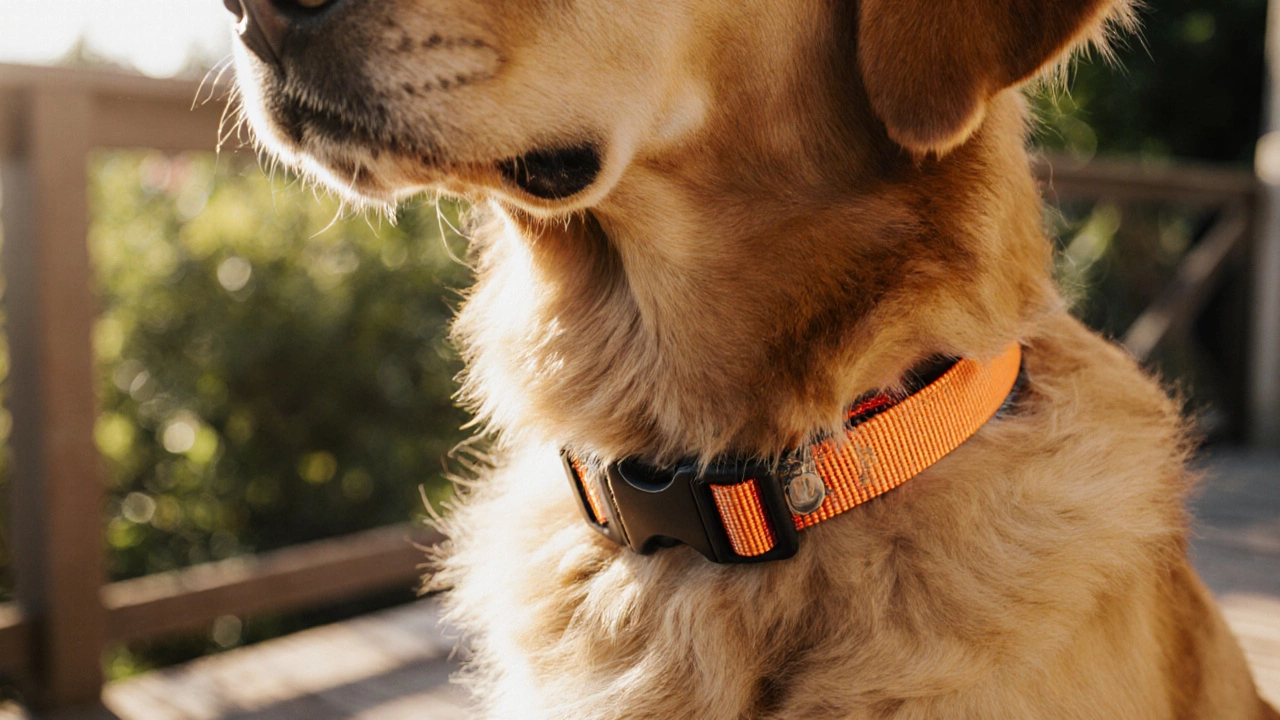
Many owners don’t realize how fast collars degrade. Sunlight, water, chewing, and daily tugging wear down nylon, leather, and even metal hardware. A collar that fit perfectly last year might now be too tight if your dog gained weight—or too loose if they lost it. Puppies grow fast, and adult dogs change shape after surgery, illness, or seasonal shedding. You should check your dog’s collar fit every month. Slide two fingers under it—if you can’t fit them easily, it’s time to replace it. Also, if the buckle clicks but doesn’t hold, or the tag rattles loose, don’t wait for it to break during a walk. A dog collar safety, the practice of ensuring a collar doesn’t pose risks like choking, entanglement, or escape isn’t optional. It’s basic care.
Not all collars are made the same. A standard buckle collar works for most dogs, but if your pup pulls hard, a dog harness, a safer alternative to collars that distributes pressure across the chest instead of the neck might be a better long-term choice. Some dogs have sensitive skin, so silicone or padded collars help. Others need quick-release buckles for agility or travel. And if your dog is a chewer, look for reinforced stitching or metal hardware that won’t snap. Don’t just grab the cheapest one on sale. Think about your dog’s lifestyle. Do they swim? Go to the dog park? Travel by car? Each activity changes what kind of collar they need.
Replacing a collar isn’t just about buying a new one—it’s about making sure the new one fits right the first time. Measure your dog’s neck with a soft tape, or use a string and ruler. Add an inch for comfort. Avoid collars with spikes or heavy charms that can snag. And always, always attach a tag with your phone number. No tag? No point. A collar without ID is just a piece of fabric. The right replacement gives you peace of mind. It keeps your dog secure, visible, and comfortable. And when you get it right, you’ll notice the difference—less scratching, fewer tugs, and a tail that wags even harder on walks.
Below, you’ll find real advice from owners and vets on choosing the right collar, fixing common problems, and knowing when it’s truly time to say goodbye to the old one. Whether your dog outgrew theirs, chewed through the strap, or just hates the feel of it—there’s a solution here.
How Often Should You Replace Your Dog's Collar? Expert Guide to Collar Lifespan
Learn how often to replace your dog's collar, spot wear signs, and choose the right material for safety and comfort.
read more