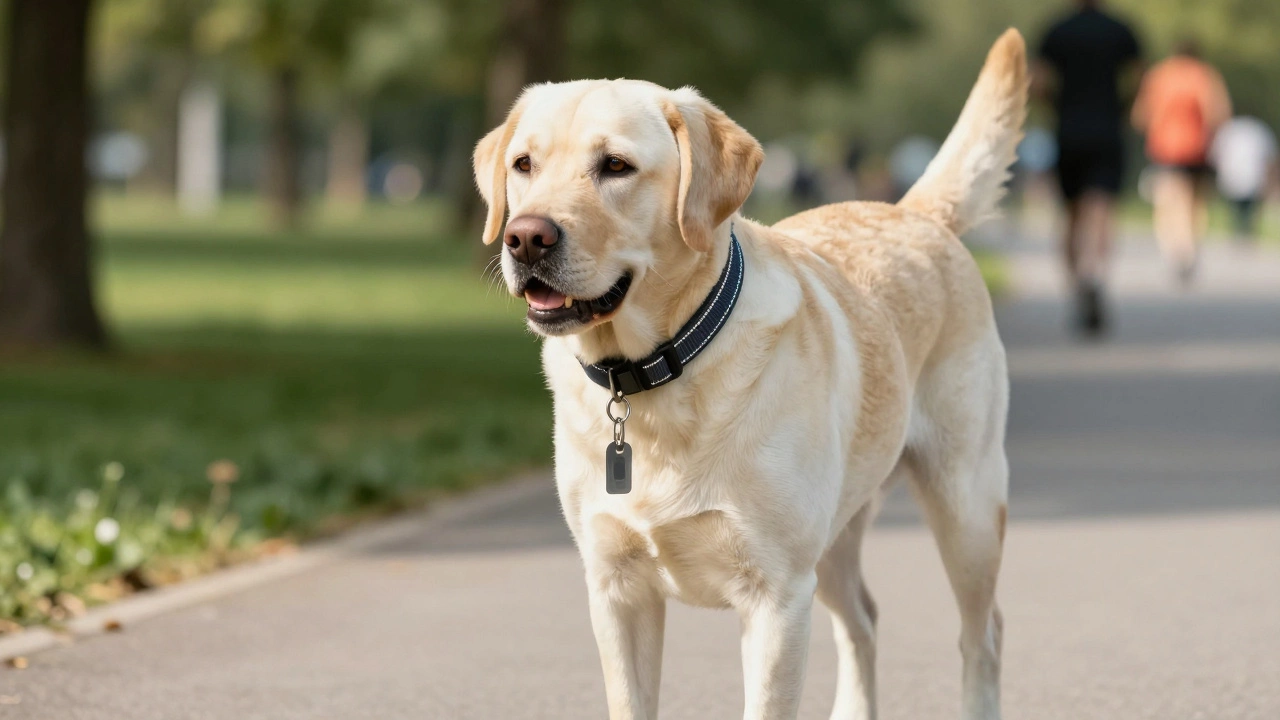
Choosing the right dog collar isn’t just about style-it’s about safety, comfort, and how well it works when you need it most. Two designs dominate the market: buckle collars and snap collars. One locks in place with a plastic or metal clasp, the other snaps shut with a quick-release mechanism. But which one is truly better? The answer isn’t simple. It depends on your dog’s habits, your daily routine, and what kind of emergencies you’re preparing for.
How Buckle Collars Work
Buckle collars, also called side-release collars, use a plastic or metal clasp that requires you to press two sides together to open. They’re the most common type you’ll see on leashes in parks and pet stores. These collars are designed to stay put. Once fastened, they don’t come off unless you intentionally release them. That’s great if you want your dog to wear it all day without risk of slipping out.
Most buckle collars have adjustable straps with multiple holes, so you can get a snug fit. A good rule of thumb: you should be able to slide two fingers under the collar easily. Too tight, and it chafes. Too loose, and your dog can wiggle free. Buckle collars are often made with durable nylon or polyester, and many include reflective stitching for nighttime walks.
But here’s the catch: if your dog gets tangled-say, caught on a bush, fence, or another dog’s leash-you might not be able to get the collar off fast enough. That’s not just inconvenient. In a panic, a tight collar can cut off air or cause injury. And if you’re trying to help a dog that’s choking, pulling a buckle apart under stress isn’t easy. The mechanism requires two hands and some dexterity. Not everyone can do that quickly.
How Snap Collars Work
Snapshot collars, sometimes called breakaway collars, use a plastic or metal snap that releases under pressure. They’re designed to let go if your dog gets snagged. Think of it like a seatbelt that pops open when pulled too hard. These collars are often made with a lightweight plastic snap that breaks at around 10 to 15 pounds of force. That’s not enough to pull off during a normal walk, but enough to save your dog if they get caught.
They’re popular with cats and small dogs, but they’re gaining traction with dogs too. Many dog owners who live near woods, parks, or busy streets swear by them. A 2023 study from the American Veterinary Medical Association found that breakaway collars reduced neck injuries by 42% in dogs that got tangled during outdoor play. That’s not a small number.
But snap collars aren’t perfect. They can accidentally open if your dog rubs against something rough, or if the snap gets dirty or worn. I’ve seen collars pop open after a quick roll in the grass. And if your dog is a known escape artist, a snap collar might be too easy to slip out of. You’ll need to check it daily. If the snap feels loose or the material frays, replace it immediately.
When Buckle Collars Win
Buckle collars are the go-to for dogs who:
- Don’t get into trouble outdoors
- Stay close during walks
- Have a calm temperament
- Need to wear ID tags all day
- Are trained not to pull or bolt
If your dog has a history of wandering off or you live in a neighborhood with open fields, a buckle collar gives you peace of mind. It stays on. It doesn’t randomly release. And if you attach a sturdy ID tag, it’s less likely to fall off than a snap collar, which can sometimes lose its tag if the snap loosens.
Many professional trainers and obedience schools recommend buckle collars for daily wear because they’re consistent. If you’re using a training collar or a harness with a lead attached, the buckle collar stays put while you focus on behavior.
When Snap Collars Win
Choose a snap collar if your dog:
- Plays in thick brush or wooded areas
- Is prone to getting caught on fences or branches
- Has a history of panic or anxiety
- Is a small breed (under 20 lbs)
- Has a thin neck or sensitive trachea
Small dogs are especially vulnerable. A snap collar can save a Chihuahua or Pomeranian from neck trauma if they get stuck. I’ve spoken to vets who’ve seen cases where a buckle collar caused permanent damage because the owner couldn’t get it off in time. Snap collars are also ideal for dogs who wear collars 24/7, especially indoors. If your dog sleeps curled up or climbs on furniture, a breakaway collar reduces the risk of strangulation.
Some owners use snap collars as a backup. They put a buckle collar on for walks and a snap collar on for home use. That way, they get the safety of both.
What About the Hardware?
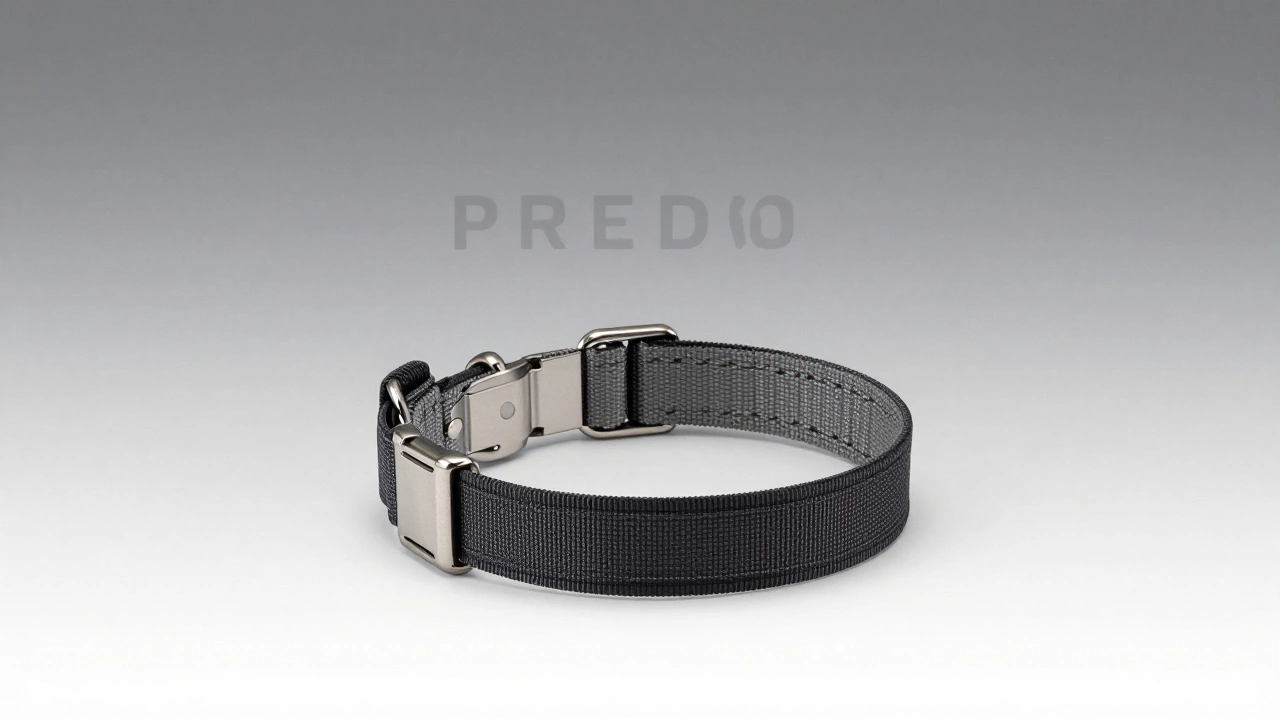
The material matters. Plastic snaps can crack in cold weather or after repeated stress. Metal snaps last longer but can rust if left wet. Look for collars with stainless steel or coated snaps. For buckle collars, avoid cheap plastic clasps. They can snap under pressure. Opt for metal buckles with a reinforced stitching pattern.
Also, check the stitching. A poorly sewn collar, no matter the clasp, will fail. Look for double-stitched seams and reinforced stress points. Brands like Kurgo, Ruffwear, and Petsafe use high-quality hardware you can trust. Don’t buy the cheapest option just because it’s on sale.
Real-World Scenarios
Let’s say your dog, Max, is a Labrador who loves chasing squirrels. He’s strong, fast, and never pulls on the leash. You take him to the park every day. A buckle collar is perfect here. He’s not going to get tangled. He’s not going to panic. You need him to stay attached to his tags so if he wanders off, someone can call you.
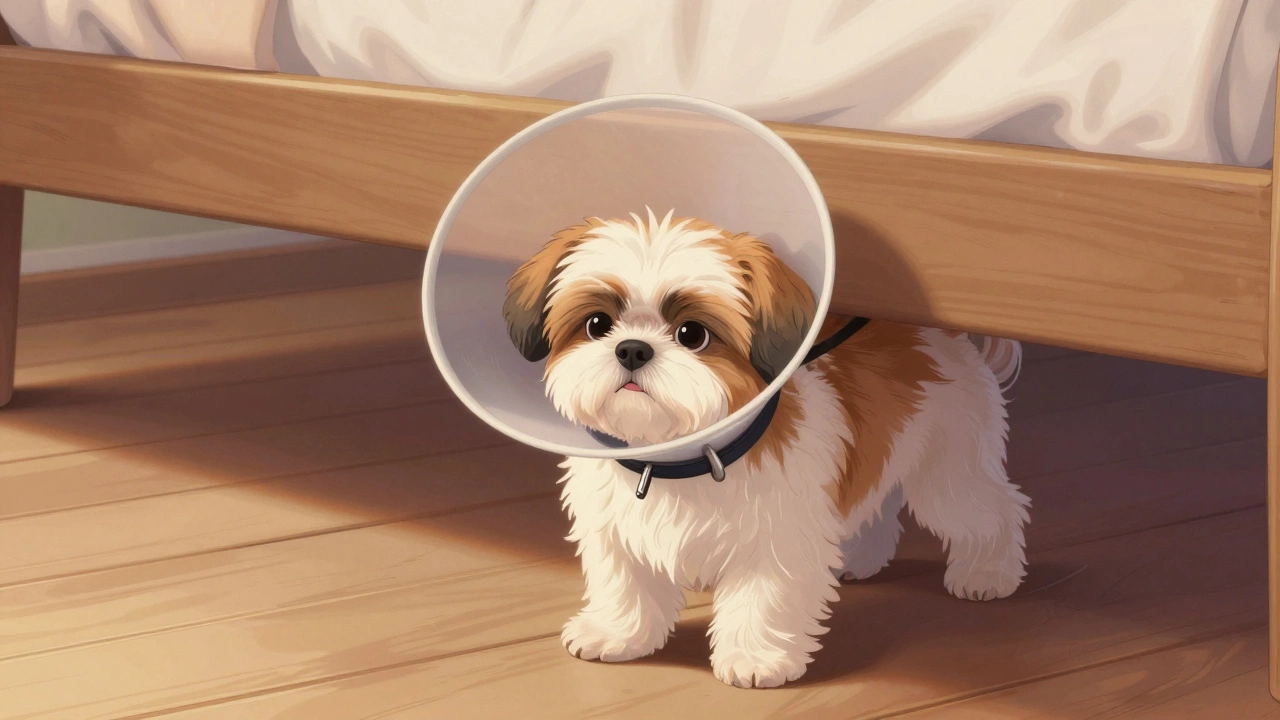
Now imagine your dog, Luna, is a 6-pound Shih Tzu who jumps on the couch, curls into tight spaces, and gets startled by loud noises. One time, she got caught under the bed and started panicking. You barely got her out. A snap collar would’ve saved her from a neck injury. In her case, safety trumps convenience.
Hybrid Solutions
Some companies now make collars with both a buckle and a snap. You get the security of a buckle for daily wear and the safety of a breakaway if something goes wrong. These are great if you want the best of both worlds. They’re a bit pricier, but worth it if your dog’s safety is your top priority.
Another option: use a harness for walks and keep a snap collar on for ID tags. That way, you reduce strain on the neck and still have a quick-release option.
Final Verdict
There’s no single answer. Buckle collars are reliable for most dogs in controlled environments. Snap collars save lives in unpredictable ones. If your dog is calm, predictable, and doesn’t get into trouble, go with a buckle. If your dog is small, anxious, or loves to explore wild places, choose a snap. And if you’re still unsure? Get both. Use the buckle for walks. Use the snap for home. It’s not about picking one. It’s about matching the tool to the job.
Can I use a snap collar for walks?
Yes, but only if your dog doesn’t pull or try to escape. Snap collars aren’t designed for heavy strain. If your dog lunges at squirrels or pulls hard on the leash, the snap could pop open mid-walk. For walks, a buckle collar or harness is safer. Use a snap collar only for short, controlled outings or as a backup ID collar.
Are snap collars safe for puppies?
Snap collars are often recommended for puppies under 6 months, especially small breeds. Their necks are delicate, and they’re still learning boundaries. A breakaway collar reduces the risk of injury if they get tangled while exploring. Just make sure the collar fits properly and check it daily as they grow.
Do snap collars hold ID tags well?
They can, but not as securely as buckle collars. The snap can loosen over time, especially if the tag is heavy or jingles a lot. To prevent tag loss, use a lightweight tag or attach it to a separate ring that clips onto the collar. Some snap collars come with reinforced tag loops for better security.
How often should I replace my dog’s collar?
Replace any collar every 6 to 12 months, even if it looks fine. Hardware wears down. Stitching frays. Plastic snaps get brittle. If the collar shows signs of cracking, fading, or looseness, replace it immediately. For dogs who chew or play rough, replace every 3 to 6 months. Safety isn’t worth delaying.
Can I use a buckle collar with a leash?
Absolutely. Buckle collars are the standard for attaching leashes. They’re strong, stable, and designed to handle pulling. Just make sure the buckle is metal and the collar is rated for your dog’s weight. Never use a snap collar as your primary leash attachment-it’s not built for that kind of force.