Dog Supplement Guide & Symptom Checker
Select the symptom or health goal your dog is experiencing to see which supplements are typically recommended and what to watch out for.
Recommended Ingredients:
- Glucosamine: Repairs cartilage and adds lubrication.
- Chondroitin: Prevents further cartilage breakdown.
- MSM: Reduces inflammation and swelling.
Vet Tip:
Joint supplements support health but cannot "regrow" a worn-down joint. Use them to improve quality of life and movement.
Recommended Ingredients:
- Omega-3 Fatty Acids (EPA/DHA): Strengthens the skin barrier and reduces inflammation.
- Fish Oil: Essential fats that dogs cannot produce on their own.
Alternative:
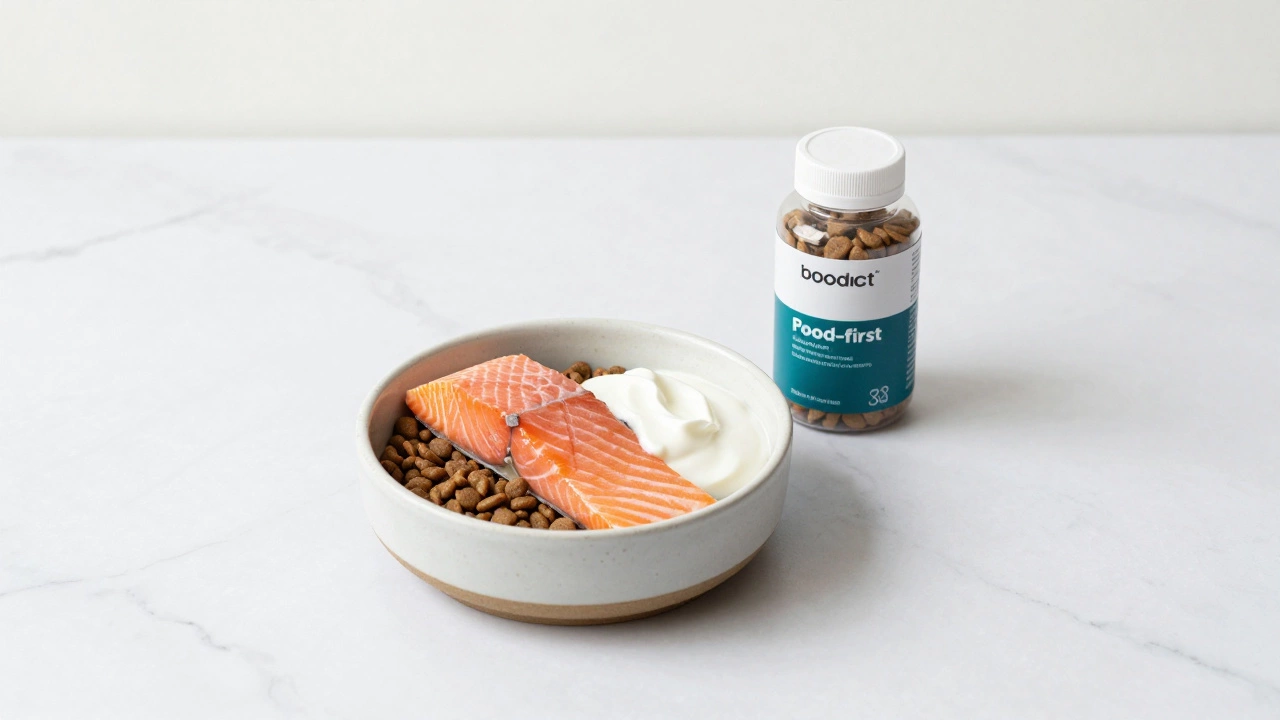
Try adding steamed salmon to their diet as a natural source of Omega-3s before switching to pills.
Recommended Ingredients:
- Probiotics: Beneficial bacteria to balance the microbiome.
- Specific Strains: Look for Lactobacillus acidophilus or Enterococcus faecium.
Alternative:
A spoonful of plain Greek yogurt can provide natural probiotics for many dogs.
Recommended Ingredients:
- L-Theanine: Amino acid that encourages serotonin production.
- Tryptophan: Helps the brain produce calming GABA.
Key Strategy:
Use these to take the "edge" off during storms or fireworks, but don't rely on them as a permanent solution.
Important: Never give human vitamins to dogs. Consult your veterinarian before starting any supplement to avoid toxicity or interfering with medications.
Key Takeaways for Pet Parents
- Supplements aren't a replacement for a balanced diet but can fix specific nutritional gaps.
- Joint and skin health supplements usually show the most consistent results.
- "Natural" doesn't always mean safe; some ingredients can be toxic or interfere with medication.
- Consulting a vet is non-negotiable to avoid masking serious medical conditions.
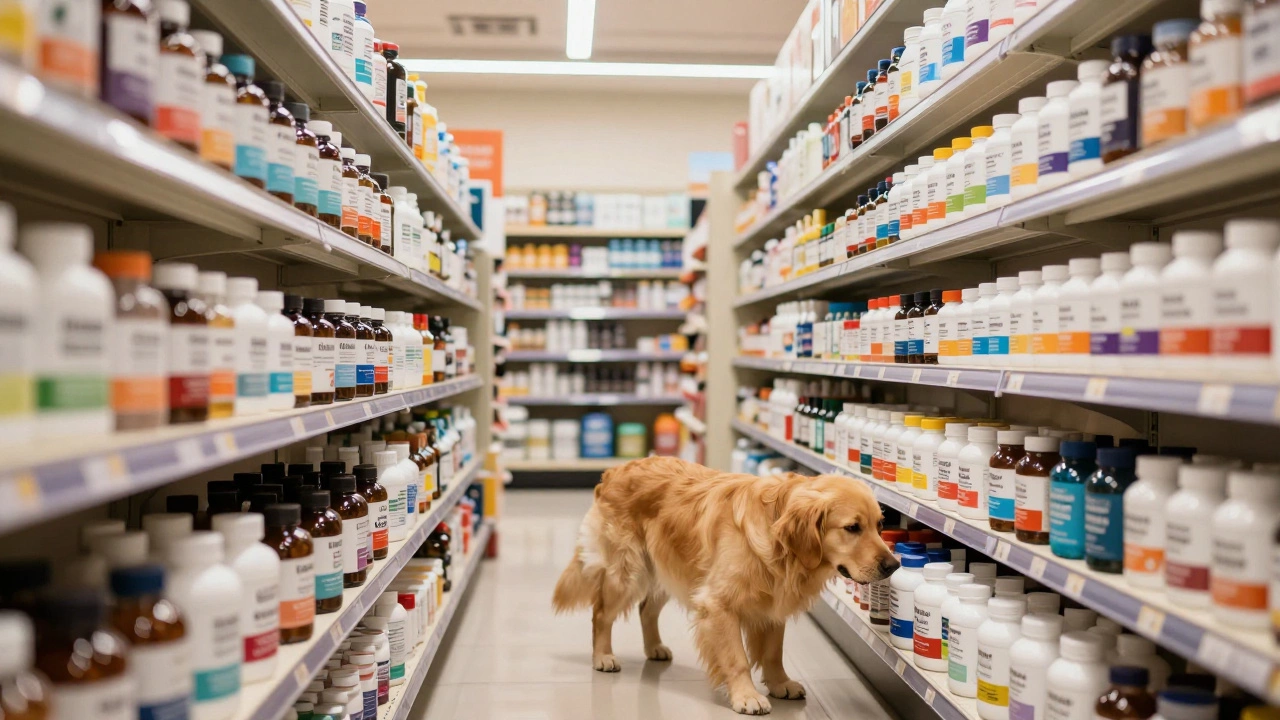
Walk into any pet store, and you'll see walls of colorful bottles promising everything from "youthful joints" to "calmer moods." It's a multi-billion dollar industry that targets our desire to give our dogs the longest, happiest lives possible. But if you strip away the marketing, do these pills and powders actually do anything, or are we just paying for expensive urine?
The short answer is: yes, they can help, but only if your dog actually needs them. Giving a high-dose vitamin supplement to a dog that already eats a premium, balanced diet is like trying to fill a bucket that's already overflowing. It doesn't make the dog "extra healthy"; it just puts a strain on their kidneys and liver to process the excess.
The Truth About Joint Support and Mobility
If there is one area where supplements consistently prove their worth, it's joint health. Many older dogs or large breeds like Labradors and German Shepherds struggle with cartilage breakdown. This is where dog health supplements is most frequently discussed. Specifically, Glucosamine is an amino sugar that helps the body produce cartilage and maintain joint lubrication. When paired with Chondroitin, which helps prevent the breakdown of cartilage already present in the joint, these compounds can slow the progression of osteoarthritis.
Imagine a dog that struggles to get up from the rug in the morning. After six weeks of a consistent glucosamine regimen, that dog might start leaping onto the sofa again. It's not a miracle cure-it won't regrow a worn-down joint-but it reduces inflammation and improves the quality of the synovial fluid, making movement less painful.
| Ingredient | Primary Function | Best For |
|---|---|---|
| Glucosamine | Cartilage repair and lubrication | Senior dogs, Large breeds |
| Chondroitin | Inhibits cartilage enzyme breakdown | Dogs with chronic joint pain |
| MSM | Reduces inflammation and swelling | Post-surgery recovery, Arthritis |
| Omega-3 Fatty Acids | Lowers systemic inflammation | General joint and skin health |
Skin, Coat, and the Omega-3 Debate
Ever notice how some dogs have a coat that looks like a commercial, while others are constantly itching? This often comes down to the balance of fatty acids. Omega-3 Fatty Acids, specifically EPA and DHA, are essential fats that dogs cannot produce on their own. They must get these from their diet. When a dog is deficient, their skin becomes dry, and they may develop "hot spots" or chronic dandruff.
Using a high-quality Fish Oil supplement can be a game-changer. It strengthens the skin barrier, which keeps allergens out and moisture in. However, the risk here is stability. Fish oil oxidizes quickly; if your supplement smells like rotten fish, it has likely gone rancid and could actually cause inflammation rather than stop it.
Gut Health and the Probiotic Trend
We hear a lot about "gut health" in humans, and dogs are no different. Probiotics are live beneficial bacteria that help balance the microbiome in the digestive tract. For a dog with a sensitive stomach or one recovering from a round of antibiotics, a probiotic supplement can be incredibly helpful. Antibiotics are "nuclear weapons" for bacteria; they kill the bad stuff but also wipe out the good flora that helps your dog digest food and maintain an immune system.
But here is the catch: not all probiotics are created equal. A supplement with a generic list of bacteria might not work. You need specific strains like Lactobacillus acidophilus or Enterococcus faecium to see actual results in stool consistency and gas reduction. If your dog has a rock-solid appetite and regular bowel movements, adding more probiotics probably won't give them a "super-immune system"-it'll just be an expensive addition to their kibble.

The Danger of "Multivitamins" and Over-Supplementing
The biggest mistake pet parents make is the "more is better" approach. Many commercial dog foods are already fortified with vitamins and minerals. When you add a generic multivitamin on top of that, you risk toxicity. For example, excessive Vitamin D can lead to hypercalcemia, where calcium builds up in the blood and can eventually cause kidney failure.
Why do we do this? Often, it's a psychological need to feel like we are doing everything possible. But the biological reality is that a dog's liver and kidneys have to process every single additive. Overloading them with synthetic vitamins that they aren't lacking creates a metabolic burden. If you aren't working with a blood test that shows a deficiency, a general multivitamin is usually unnecessary.
Calming Aids and Anxiety Support
Thunderstorms, fireworks, or separation anxiety can make a dog's life miserable. Many owners turn to L-Theanine or Tryptophan. These are amino acids that encourage the production of serotonin and GABA in the brain, helping the dog feel more relaxed.
Do they work? In mild cases, yes. But they are not a replacement for behavioral training. A supplement can take the "edge" off a dog's anxiety, but it won't teach them that the vacuum cleaner isn't a monster. Using calming supplements as a bridge while you perform desensitization training is a smart strategy. Relying on them as a permanent solution is essentially putting a bandage on a broken bone.
How to Choose a Supplement Without Getting Scammed
The supplement industry is not regulated as strictly as pharmaceuticals. This means the label might say "100mg of Glucosamine," but the actual content could be much lower. To avoid the junk, look for the NASC (National Association of State Commissioners of Organic Agriculture/Pet) seal or check if the product is manufactured in a facility that follows GMP (Good Manufacturing Practices). These standards ensure that what is on the label is actually in the bottle.
Avoid supplements that make grandiose claims like "cures arthritis" or "stops aging." Supplements support health; they do not cure diseases. If a product sounds too good to be true, it usually is. Stick to ingredients with peer-reviewed evidence, and always start with the lowest possible dose to see how your dog reacts.
Can I give my dog human vitamins?
Absolutely not. Human vitamins often contain ingredients that are toxic to dogs, such as Xylitol (a sweetener) or levels of Vitamin D and Iron that can cause acute poisoning in canines. Always use products formulated specifically for dogs.
How long does it take for joint supplements to work?
Joint supplements are not instant painkillers. You typically need to administer them consistently for 4 to 8 weeks before you notice a visible improvement in your dog's mobility and comfort levels.
Do all dogs need Omega-3s?
Not necessarily. If your dog eats a diet rich in wild-caught fish or high-quality oils, they might already be meeting their needs. However, most standard kibbles are high in Omega-6 (pro-inflammatory), making an Omega-3 supplement a helpful balance for most pets.
Will probiotics help my dog's allergies?
There is a strong link between gut health and the immune system. While probiotics won't "cure" an allergy to grass or pollen, balancing the gut microbiome can sometimes reduce the severity of the inflammatory response, leading to less itching.
Are liquid supplements better than chewables?
Liquids generally have higher bioavailability, meaning the body absorbs them faster. However, chewables are much easier to administer. The "best" one is the one your dog will actually take without a fight.
Next Steps for Pet Owners
Before you buy that next bottle, start with a simple blood panel at your vet. This tells you if your dog is actually deficient in anything. If you decide to move forward with a supplement, introduce only one new product at a time. If you start three different supplements on Monday and your dog develops diarrhea on Wednesday, you'll have no idea which one caused the reaction.
Focus on a "food-first" philosophy. Try adding a bit of steamed salmon for Omega-3s or a spoonful of plain Greek yogurt for probiotics before jumping into synthetic pills. When the diet is dialed in, supplements can be the perfect finishing touch to keep your dog feeling young and active.