Canine Fish Oil Dosage Calculator
Enter Your Dog's Details
Recommended Daily Dosage
– mg/day
How to Measure:
Check your supplement label for combined EPA+DHA per serving. Divide your target dose by this number to find servings per day.
Enter your dog's weight above to see personalized dosage recommendations.
Your dog’s itchy skin or stiff joints might not be a sign of aging-they could be a signal that your pet is missing essential nutrients. While many owners reach for standard multivitamins, the real game-changer for canine inflammation and coat health is often overlooked: high-quality fish oil for dogs. It isn’t just a trendy supplement; it’s a clinically backed tool for managing arthritis, calming allergic reactions, and supporting brain function in senior pets.
But here’s the catch: not all fish oils are created equal. The market is flooded with low-potency products filled with fillers, rancid fats, or mercury risks. Choosing the wrong bottle can waste your money and potentially harm your dog’s liver. This guide cuts through the marketing noise to help you identify exactly what to look for, how to dose it correctly, and which forms actually work for your specific breed and lifestyle.
The Science Behind Omega-3s: Why Your Dog Needs Them
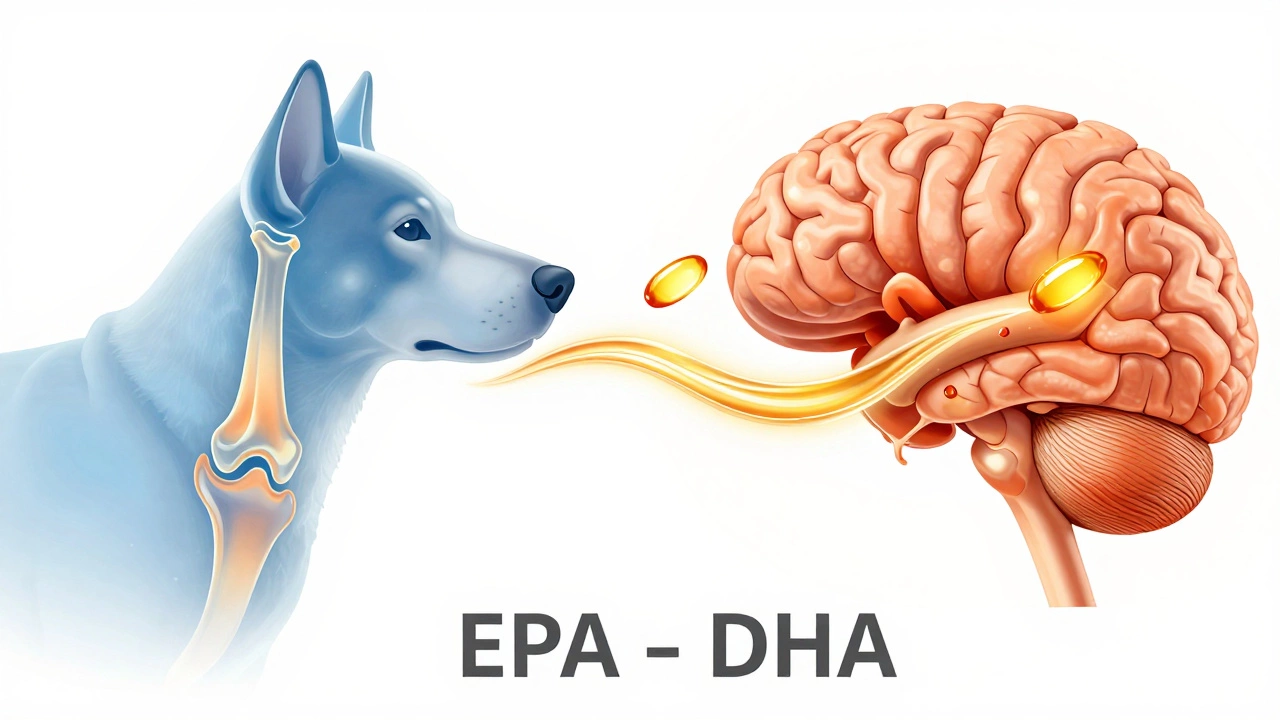
To understand why fish oil works, you have to look at the two active ingredients: eicosapentaenoic acid (EPA) and docosahexaenoic acid (DHA). These are long-chain omega-3 fatty acids that your dog cannot produce on their own. They must come from diet or supplementation.
EPA is the anti-inflammatory powerhouse. It competes with arachidonic acid (an inflammatory compound found in meat) to reduce swelling in joints and soothe skin irritation. If your dog has osteoarthritis or hot spots, EPA is doing the heavy lifting. DHA, on the other hand, is structural. It builds cell membranes in the brain and retina. For puppies, DHA is critical for cognitive development. For seniors, it helps slow cognitive decline.
| Fatty Acid | Primary Function | Best For |
|---|---|---|
| EPA | Reduces systemic inflammation and pain signals | Arthritis, hip dysplasia, skin allergies |
| DHA | Supports neural development and retinal health | Puppy growth, senior cognitive support |
Most commercial dog foods contain very little omega-3 because plant-based sources like flaxseed contain ALA, which dogs convert to EPA/DHA inefficiently (less than 5% conversion rate). This is why direct supplementation with marine-derived oils is necessary for therapeutic effects.
How to Read the Label: Avoiding Rancid Oil and Fillers
Walking down the aisle at the pet store, you’ll see bottles claiming "1000mg Fish Oil." But that number usually refers to the total weight of the oil, not the active ingredients. A 1000mg softgel might only contain 300mg of combined EPA and DHA. You need to know the actual potency to dose correctly.
First, check the "Supplement Facts" panel. Look for the line items specifically labeled EPA and DHA. Add them together. That sum is your true potency. High-quality supplements should provide at least 500mg of combined EPA/DHA per gram of oil. If the ratio is lower, you’re paying for dead fat.
Second, look for molecular distillation. This process removes heavy metals like mercury, lead, and PCBs. Since fish accumulate toxins as they age, larger predatory fish like tuna or swordfish are risky sources. Stick to supplements derived from smaller, short-lived fish like anchovies, sardines, or menhaden. These species have shorter lifespans, meaning less time to absorb environmental toxins.
Third, check for an expiration date and storage instructions. Omega-3s oxidize easily when exposed to light and heat. Rancid fish oil doesn’t just smell bad; it increases oxidative stress in your dog’s body, causing more inflammation than it cures. Always choose brands that use dark glass bottles or opaque containers, and never buy bulk oil from clear plastic jugs.
Oil vs. Capsules vs. Chews: Which Form Works Best?
The delivery method matters more than you might think. It affects absorption rates, convenience, and whether your dog will actually take it.
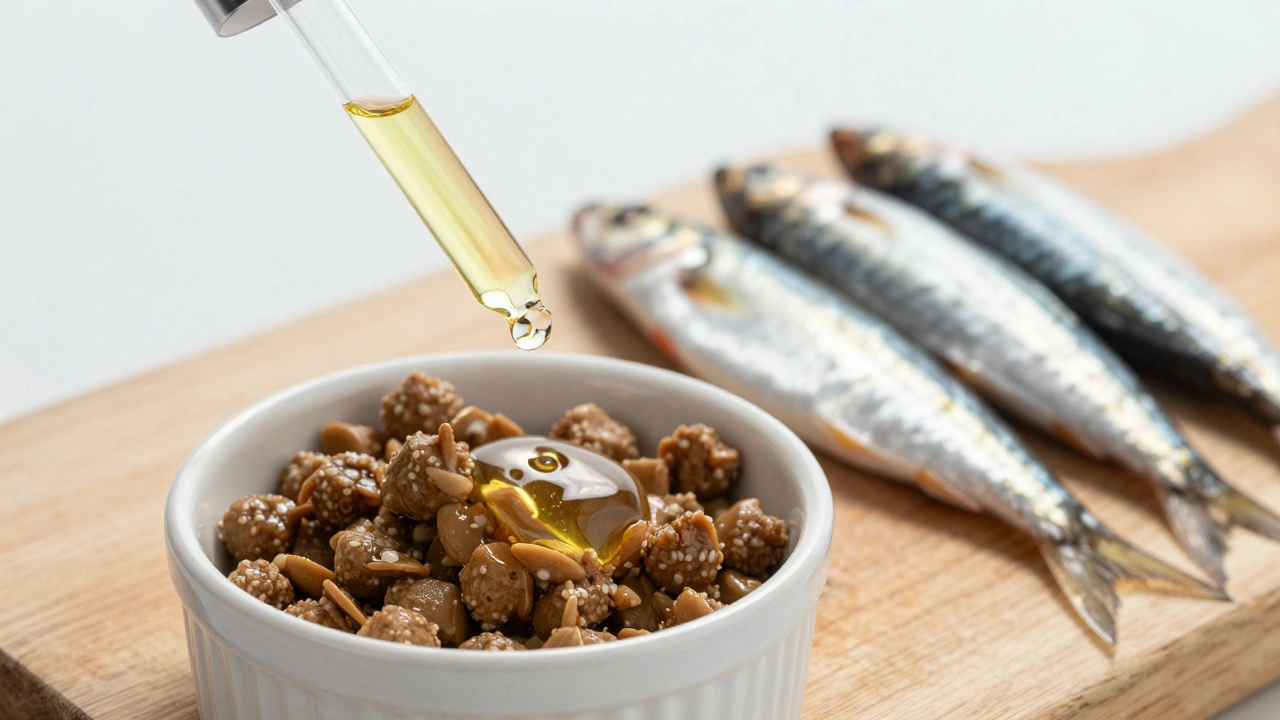
- Liquid Oil: This offers the highest flexibility for dosing. You can adjust the amount precisely based on your dog’s weight. It’s also the most cost-effective option per milligram of EPA/DHA. However, it requires pouring directly into food or onto a spoon, which can be messy. Some dogs dislike the texture.
- Softgel Capsules: These are convenient for precise dosing and easy administration if your dog enjoys swallowing pills. They protect the oil from oxidation until ingestion. The downside is that you may need to give multiple capsules for larger dogs, which can be expensive.
- Treat Chews: These are popular because dogs love them. However, they often contain binders, artificial flavors, and preservatives that dilute the omega-3 content. A chew treat might list "Fish Oil" as the first ingredient, but the actual EPA/DHA count per piece is often significantly lower than pure oil. Use these only if your dog refuses other forms, and verify the potency on the label.
If your dog is picky, try mixing liquid oil into wet food or freezing it into small ice cubes with broth. For dogs who gulp their food without chewing, capsules ensure the oil reaches the stomach intact.
Calculating the Correct Dosage for Your Dog
More is not always better. Overdosing on fish oil can interfere with blood clotting and cause gastrointestinal upset, such as diarrhea or vomiting. The general guideline recommended by veterinary nutritionists is based on the combined weight of EPA and DHA, not the total oil volume.
A safe starting dose is approximately 20-55 mg of combined EPA/DHA per pound of body weight per day. For maintenance health, aim for the lower end (20-30 mg/lb). For therapeutic purposes, such as managing severe arthritis or chronic skin disease, veterinarians may recommend up to 55 mg/lb, but this should be monitored.
Here is a quick reference for daily combined EPA/DHA targets:
- Small Breed (10 lbs): 200-550 mg EPA/DHA
- Medium Breed (30 lbs): 600-1,650 mg EPA/DHA
- Large Breed (70 lbs): 1,400-3,850 mg EPA/DHA
- Giant Breed (100+ lbs): 2,000-5,500+ mg EPA/DHA
Always start with half the recommended dose for the first week to monitor for loose stools. If your dog tolerates it well, gradually increase to the full target dose. Consistency is key-it takes 4-8 weeks of daily supplementation to see noticeable improvements in coat shine or joint mobility.
Top Brands and What Makes Them Stand Out
While I don’t endorse specific products, I can highlight the characteristics of top-tier brands that consistently receive positive reviews from veterinarians and pet owners alike. Look for companies that adhere to the Global Organization for EPA and DHA Omega-3s (GOED) standards.
One standout feature of premium brands is transparency. They publish third-party test results for purity and potency on their websites. For example, some brands offer batch-specific Certificates of Analysis (COAs) that prove the absence of heavy metals and confirm the exact EPA/DHA levels.
Another differentiator is the source. Brands using wild-caught Alaskan pollock or sustainable anchovy oil tend to have higher stability and lower contaminant risks. Avoid brands that do not specify the fish species used. If the label just says "fish oil" without naming the source, it’s a red flag.
Some brands also add vitamin E as a natural preservative. Vitamin E acts as an antioxidant, protecting the omega-3s from turning rancid during storage. This is a small detail that makes a big difference in shelf life and safety.
Signs Your Dog Is Benefiting (or Reacting Negatively)
How do you know if the fish oil is working? Track these metrics over the next two months:
- Coat Quality: Look for increased shine, reduced shedding, and softer fur. Dry, flaky skin should improve within 4-6 weeks.
- Joint Mobility: Notice if your dog rises from a lying position more easily, jumps onto furniture with less hesitation, or shows less stiffness after rest.
- Allergy Symptoms: Monitor for reduced scratching, licking, and ear infections. While fish oil won’t cure environmental allergies, it can significantly reduce the severity of flare-ups.
On the flip side, watch for negative reactions. Mild fish burps are normal, but persistent diarrhea, lethargy, or loss of appetite indicates the dose is too high or the oil quality is poor. If your dog experiences bleeding gums or nosebleeds, stop supplementation immediately and consult your vet, as this suggests impaired blood clotting.
Common Mistakes to Avoid
Many owners make simple errors that undermine the benefits of fish oil. One common mistake is storing the bottle in a warm, sunny spot like a kitchen counter near a window. Heat and light degrade omega-3s rapidly. Store your fish oil in a cool, dark place-or even the refrigerator-to extend its freshness.
Another error is assuming that eating whole fish replaces the need for supplements. While feeding cooked salmon or sardines is healthy, it’s difficult to calculate the exact EPA/DHA intake. Plus, raw fish carries risks of parasites and bacteria. Supplements provide a consistent, measured dose that home-cooked meals rarely match.
Finally, don’t ignore drug interactions. Fish oil has mild blood-thinning properties. If your dog is on anticoagulants like aspirin or Coumadin, consult your veterinarian before adding fish oil to their regimen. Similarly, dogs scheduled for surgery should stop taking fish oil two weeks prior to prevent excessive bleeding during the procedure.
Can I give human fish oil to my dog?
Yes, but with caution. Human fish oil is generally safe for dogs if it contains no added garlic, onion, or xylitol (a toxic sweetener sometimes found in gummies). However, human doses are often too high for small dogs, making accurate dosing difficult. Pet-specific formulas are easier to dose and often include vitamin E for stability.
How long does it take for fish oil to work for dog allergies?
It typically takes 4 to 8 weeks of consistent daily supplementation to see significant improvements in skin and coat health. Omega-3s work by altering cell membrane composition, which is a gradual biological process. Be patient and track progress weekly rather than expecting overnight results.
Is krill oil better than fish oil for dogs?
Krill oil contains astaxanthin, a potent antioxidant, and its omega-3s are bound to phospholipids, which some studies suggest improves absorption. However, krill oil is significantly more expensive and often contains lower concentrations of EPA/DHA per capsule compared to high-quality fish oil. For most dogs, standard fish oil provides better value and equivalent therapeutic benefits.
What if my dog hates the taste of fish oil?
Try mixing liquid oil into wet food or strong-smelling treats like peanut butter (ensure it’s xylitol-free). If your dog still refuses it, consider switching to odorless capsules or flavored chews designed for pets. Never force-feed, as this can create negative associations with mealtime.