Puppy Energy & Development Calculator
Puppy Details
Results
Match the Right Toy to the Situation
Select the most appropriate toy type for each scenario based on what you learned about puppy development.
1. Your 4-month-old puppy is teething and chewing everything in sight.
2. Your high-energy Border Collie puppy needs mental stimulation on a rainy day.
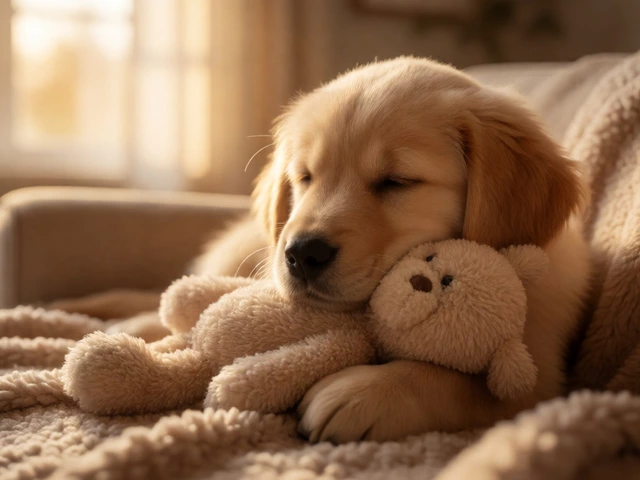
3. Your gentle retriever puppy loves to cuddle and has soft chewing habits.
4. You want to slow down your fast-eating puppy and engage their brain at mealtime.
Why Your Puppy Seems Like a永不停歇的 Ball of Chaos
You’ve probably experienced it. You’re trying to watch a movie or just relax after work, and your new Golden Retriever puppy decides that the couch cushion is an enemy combatant. Or maybe you’re walking around the house, and he’s zooming past you like a furry rocket ship. It’s exhausting. It’s also completely normal.
The short answer to "at what age do puppies calm down" is usually between 9 months and 2 years, depending heavily on the breed. But saying that doesn’t help you survive the next six months of sleepless nights and chewed slippers. To get through this phase, you need to understand *why* they are so energetic and how tools like puppy toys can actually help burn off that excess energy before it turns into destruction.
The Science Behind the Zoomies: Understanding Puppy Development
Puppies aren’t just being difficult; they are developing. Think of a puppy like a toddler with teeth and claws. Their brains are wiring themselves at lightning speed. During the first few months, everything is new. Every shadow, every sound, every texture is data they need to process. This curiosity manifests as high energy.
Teething plays a huge role here. Between 3 and 6 months old, puppies lose their baby teeth and grow adult ones. This process is uncomfortable. Chewing relieves pain. So, when your puppy chews your shoe, he isn’t trying to spite you. He’s trying to soothe his gums. If you don’t provide appropriate outlets for this chewing instinct, your furniture pays the price.
Furthermore, different breeds have different biological clocks. A Border Collie puppy will likely stay high-energy well into its second year because it was bred to run all day. A Bulldog puppy might start slowing down closer to 8 or 9 months. Knowing your dog’s breed history helps set realistic expectations. You can’t expect a herding dog to suddenly become a lap dog just because it turned one.
Key Stages of Puppy Energy Levels
To manage the chaos, it helps to break down the timeline. Here is what you can generally expect:
- 8 Weeks to 4 Months (The Sponge Phase): High curiosity, low endurance. They play hard but crash hard. Sleep is crucial here. They need 18-20 hours of sleep a day. If they seem hyper, they might actually be overtired.
- 4 Months to 6 Months (The Adolescent Surge): This is often the worst period. They have more stamina than before but lack impulse control. Teething peaks here. They test boundaries constantly.
- 6 Months to 9 Months (The Slowing Down): Many owners notice a shift here. The constant zooming decreases. Training starts to stick better. They begin to look more like dogs and less like chaotic toddlers.
- 9 Months to 18 Months (Maturation): For most medium-sized breeds, this is when they truly "calm down." Large breeds may take until 2 years. Their energy becomes more directed and manageable.
How Puppy Toys Help Burn Off Mental Energy
Physical exercise alone won’t always calm a puppy. A tired body with an active mind is still a destructive force. This is where mental stimulation comes in. Using the right interactive puppy toys can exhaust a puppy’s brain faster than a long walk exhausts their legs.
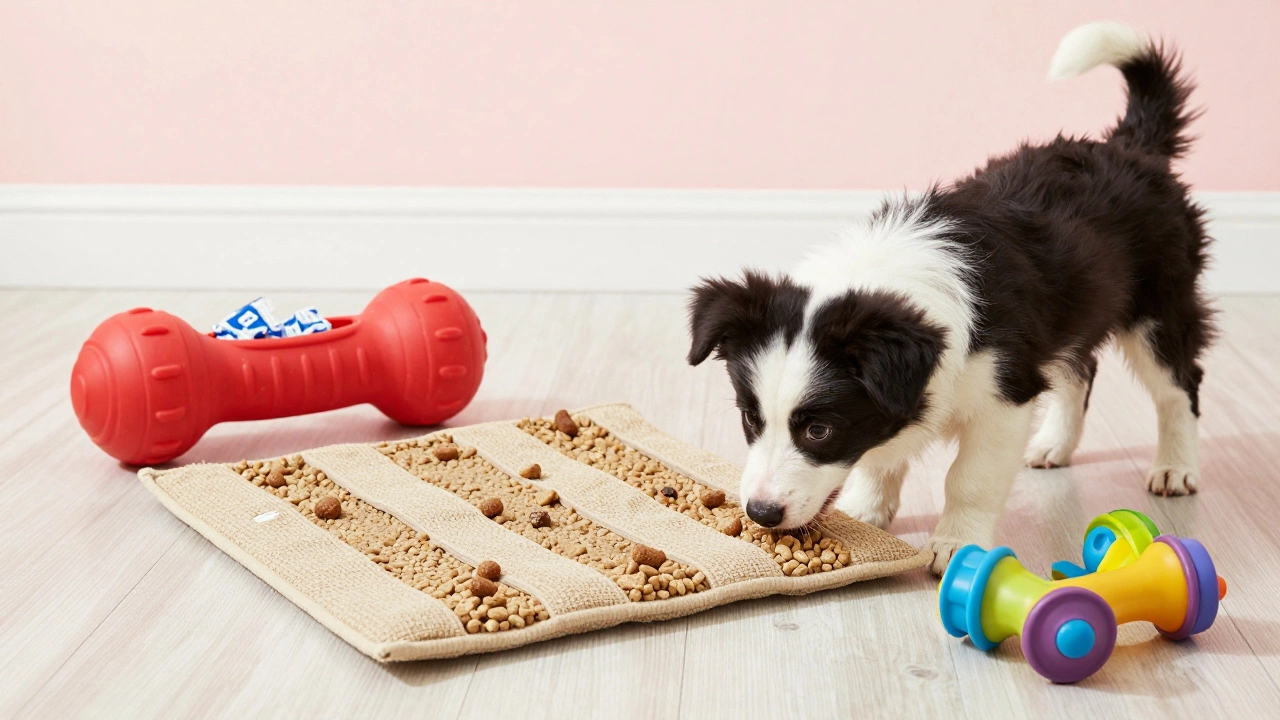
Consider the difference between running in circles and solving a puzzle. Running is physical. Solving a puzzle requires focus, problem-solving, and patience. When a puppy spends 15 minutes figuring out how to get kibble out of a snuffle mat or a Kong toy, they enter a state of focused calm. This is called "mental fatigue," and it leads to longer, deeper naps.
| Toy Type | Primary Benefit | Best For | Durability Level |
|---|---|---|---|
| Rubber Chew Toy | Gum relief, safe chewing | Teething puppies (3-6 months) | High |
| Snuffle Mat | Mental stimulation, slows eating | Boredom relief, anxiety reduction | Medium |
| Plush Squeaky Toy | Comfort, prey drive outlet | Gentle players, cuddling | Low (for aggressive chewers) |
| Puzzle Feeder | Problem-solving, food motivation | High intelligence breeds, mealtime | High |
Avoid toys that are too soft if your puppy is a heavy chewer. They can ingest stuffing, which is a serious health risk. Instead, opt for durable rubber or nylon toys designed specifically for teething. Brands like Kong make toys that you can freeze with peanut butter inside, turning a simple chew session into a 30-minute calming activity.
Sleep and Routine: The Hidden Keys to Calmness
Many owners think their puppy needs more exercise. Often, the opposite is true. An overtired puppy becomes hyperactive, similar to a human child who refuses to go to bed because they are exhausted. This is known as "tired but wired."
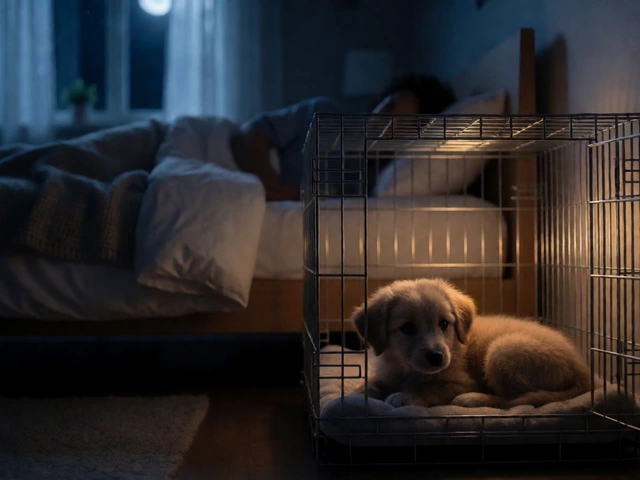
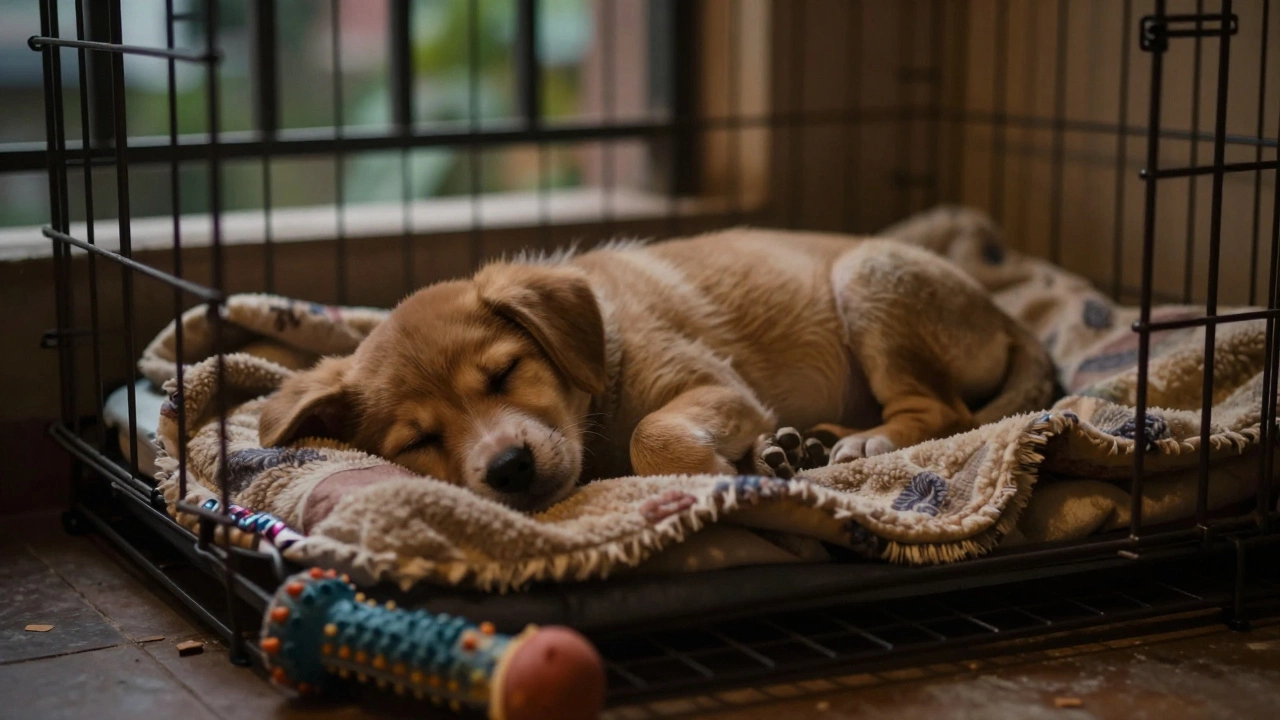
Establishing a strict routine helps regulate their internal clock. Feed them at the same time, walk them at the same time, and enforce nap times. Crate training is not about punishment; it’s about creating a safe den where they can decompress. If your puppy is whining in the crate, check if they need to potty. If not, resist the urge to let them out immediately. Letting them out while they are whining teaches them that whining opens the door. Wait for a moment of silence, then release them.
In Auckland, where weather can change quickly, having an indoor enrichment plan is vital. On rainy days, use scent games. Hide treats around the living room and let your puppy sniff them out. Sniffing is incredibly tiring for dogs. Five minutes of intense sniffing can equal 30 minutes of walking in terms of mental exertion.
Training Techniques to Reduce Hyperactivity
Impulse control is a learned skill. Puppies don’t naturally know how to sit still. You have to teach them. Start with basic commands like "sit," "stay," and "leave it." Keep sessions short-5 to 10 minutes max. Long training sessions bore puppies and lead to frustration.
The "place" command is particularly useful. Teach your puppy to go to a specific mat or bed and stay there until released. Reward them heavily for staying calm on the mat. Gradually increase the duration. This gives you a tool to manage their energy during dinner parties or when guests arrive.
Ignore jumping. It sounds harsh, but attention is a reward. If your puppy jumps on you, turn your back and cross your arms. No eye contact, no talking. The moment all four paws are on the floor, praise them and give them a treat. Consistency is key. Everyone in the household must follow the same rules.
When to Worry: Is Your Puppy Too Hyper?
Most hyperactivity is normal. However, there are signs that something else might be going on. If your puppy cannot settle down even after extensive exercise and mental stimulation, consider these factors:
- Pain: Hip dysplasia or other joint issues can cause restlessness. If your puppy seems uncomfortable when lying down, see a vet.
- Anxiety: Separation anxiety can manifest as excessive barking, pacing, and destruction when left alone. This requires behavioral training, not just more exercise.
- Diet: Some puppies react to certain ingredients with increased energy or digestive upset. Ensure you are feeding a high-quality, age-appropriate diet.
If you suspect medical issues, consult your veterinarian. Rule out physical causes before assuming it’s purely behavioral.
Practical Tips for Managing Puppy Energy Daily
Here are actionable steps you can take starting today to help your puppy calm down faster:
- Rotate Toys: Don’t leave all toys out. Keep three or four out and rotate the rest weekly. Novelty keeps them interested.
- Use Freeze-Dried Liver: These are high-value rewards. Use them only for training calm behaviors, not for basic tricks.
- Enforce Quiet Time: After play sessions, require a 10-minute quiet period before giving more attention. This teaches self-regulation.
- Limit Jumping Access: Use baby gates to restrict access to areas where they can’t cause damage when unsupervised.
- Invest in a Puzzle Feeder: Make them work for their meals. This slows down eating and engages their brain.
Remember, patience is your most important tool. Your puppy is learning to be a dog. With consistent training, proper mental stimulation through toys, and plenty of rest, that chaotic ball of energy will eventually transform into a calm, confident companion.
Do male puppies calm down later than female puppies?
Generally, male puppies may retain higher energy levels slightly longer than females, especially in larger breeds. However, individual temperament and training play a much bigger role than gender. Neutering can sometimes reduce roaming and marking behaviors, but it does not instantly lower general energy levels.
What is the best toy for a teething puppy?
The best toys for teething puppies are durable rubber toys like Kongs or Nylabones. These materials are tough enough to withstand strong chewing but flexible enough to massage sore gums. Avoid plush toys with squeakers during the peak teething months (3-6 months) as they can be easily destroyed and swallowed.
How many hours a day should a puppy sleep?
Puppies need between 18 and 20 hours of sleep per day. This sleep is essential for physical growth and brain development. If your puppy is not sleeping enough, they may become overtired and hyperactive. Create a quiet, comfortable space for naps and enforce rest periods after play.
Can exercise make a puppy calmer?
Yes, but moderate exercise is key. Over-exercising a young puppy can strain their developing joints and make them more anxious. Short, frequent walks and play sessions are better than one long hike. Combine physical exercise with mental stimulation for the best calming effect.
Why is my puppy still hyper at 1 year old?
If your puppy is still very hyper at 1 year, it could be due to breed traits (high-energy working breeds), lack of mental stimulation, or insufficient routine. Large breeds often take until 18-24 months to fully mature. Ensure you are providing puzzle toys, training sessions, and structured rest times.