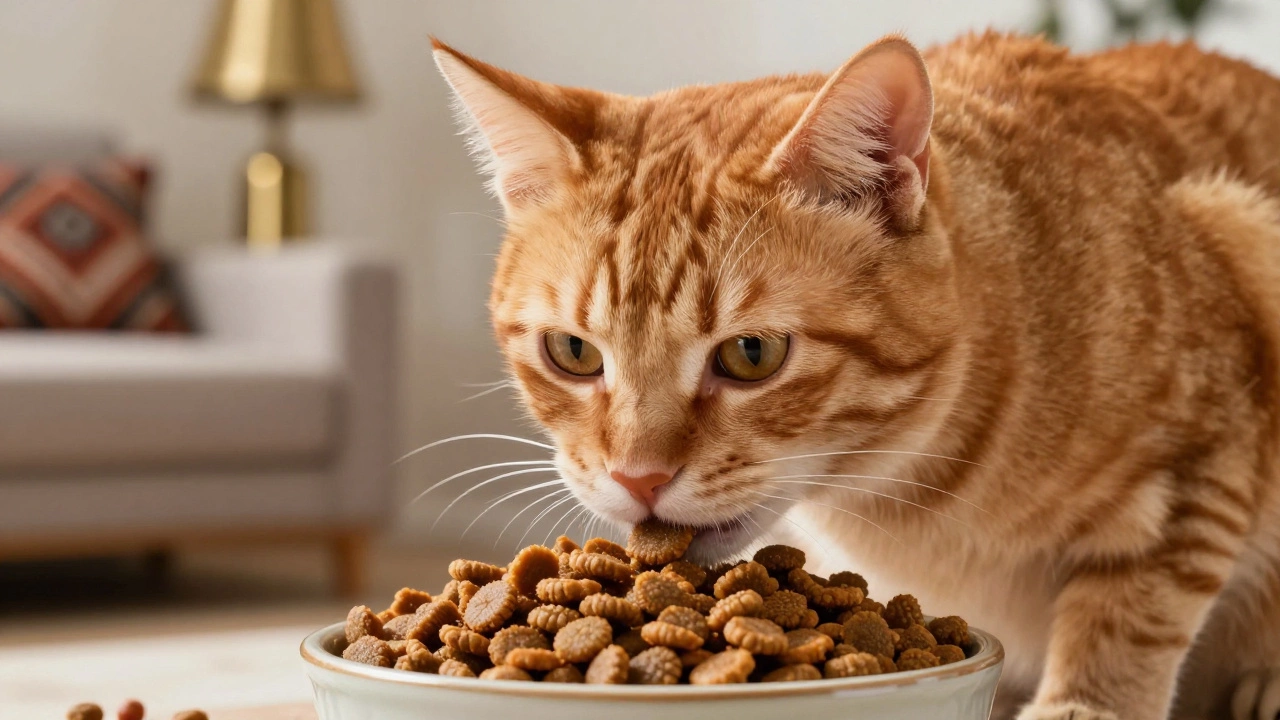
Cat Food Nutrition Analyzer & Daily Portion Calculator
Enter Food Data
Enter values from the "Guaranteed Analysis" label on your cat food bag.
Calculate Daily Portion
Analysis Results
Enter data to see nutritional breakdown and feeding recommendations.
Quality Score
Based on Dry Matter Basis (DMB)Nutritional Profile (Dry Matter)
Ingredient Checklist
Daily Feeding Guide
*Assumes avg 350 kcal/cup. Adjust based on specific brand calorie count.
Most cats are obligate carnivores. This means their bodies are designed to process meat, not grains or vegetables. Yet, walk into any pet store in Auckland or anywhere else, and you’ll see bags of kibble packed with fillers that offer little nutritional value. Finding the best dry cat food isn’t just about picking a pretty bag; it’s about ensuring your cat gets the taurine, arachidonic acid, and high-quality animal protein they need to thrive.
If you’ve been scrolling through endless reviews, you know the confusion is real. Some brands claim to be "natural," while others boast "grain-free" formulas that might actually pose health risks. We cut through the marketing noise to bring you the top five dry cat foods available in 2026. These picks are based on ingredient quality, protein content, veterinary recommendations, and real-world performance.
How to Choose High-Quality Dry Cat Food
Before we get to the list, you need to know what to look for on the label. The Association of American Feed Control Officials (AAFCO) sets standards, but meeting the minimum doesn’t mean a food is great. Here is what separates premium kibble from the rest:
- Named Meat Sources: Avoid vague terms like "meat by-products." Look for specific ingredients like "deboned chicken," "salmon meal," or "turkey." The first ingredient should always be a named meat source.
- High Protein Percentage: Cats need more protein than dogs. Aim for at least 30-40% crude protein on a dry matter basis. If the protein comes from plants like corn gluten meal, it’s not ideal.
- Low Carbohydrates: Cats have no biological need for carbs. High-carb diets can lead to obesity and diabetes. Look for foods where fiber and fat make up the bulk of the non-protein calories.
- Taurine Content: This amino acid is vital for heart and eye health. It must be present in adequate amounts, as cats cannot synthesize it themselves.
Avoid foods with excessive artificial colors, flavors, or preservatives like BHA and BHT. Natural preservatives like mixed tocopherols (Vitamin E) are safer choices.
The Top 5 Best Dry Cat Foods for 2026
We evaluated dozens of brands based on ingredient sourcing, manufacturing processes, and nutritional profiles. Here are the five that stand out this year.
| Brand | Primary Protein Source | Key Benefit | Best For |
|---|---|---|---|
| Orijen Originals | Fresh Whole Chicken | 95% Fresh Meat, No Grain | Cats needing high moisture/protein ratio in kibble |
| Ziwi Peak | New Zealand Lamb | Freeze-Dried Coating, Single Protein | Sensitive stomachs and picky eaters |
| Acana Singles | Deboned Turkey | Biozoned Ingredients, Low Carb | Active indoor/outdoor cats |
| Wellness CORE | Deboned Chicken | Grain-Free, Probiotics Included | Digestive health and weight management |
| Royal Canin Breed Health | Chicken Meal | Breed-Specific Formulas | Cats with specific breed-related needs |
1. Orijen Originals Grain-Free Dry Cat Food
Orijen Originals is a biologically appropriate dry cat food that uses fresh wholeprey ratios including muscle meat, organs, and cartilage. What makes Orijen unique is its commitment to using 85% animal ingredients. Unlike many competitors who rely heavily on meals (which are dehydrated), Orijen incorporates fresh meat as the primary component.
This formula is rich in taurine and omega fatty acids from fish oils. It contains no grains, potatoes, or sweet potatoes, keeping the carbohydrate load low. The variety of proteins-chicken, turkey, herring, sardines, and flounder-provides a broad spectrum of nutrients. However, the high protein content can cause loose stools in cats transitioning from lower-protein diets, so introduce it slowly over two weeks.
2. Ziwi Peak Air-Dried Kibble
Ziwi Peak is a New Zealand-made premium cat food that combines freeze-dried raw coating with nutrient-dense kibble. Since we’re talking about quality, it’s hard to ignore a brand born in our own backyard. Ziwi Peak uses ethically sourced lamb and venison from grass-fed farms. The kibble is coated with freeze-dried raw meat, which enhances palatability without adding artificial flavors.
This single-protein option is excellent for cats with allergies or sensitivities to chicken or beef. The inclusion of green-lipped mussel provides natural glucosamine for joint health, which is crucial for older cats. While the price point is higher, the nutrient density means you often feed slightly less volume compared to filler-heavy brands.
3. Acana Singles + Wholesome Grains Turkey Recipe
Acana Singles is a limited-ingredient diet featuring deboned turkey and wholesome grains like brown rice and barley. Not every cat tolerates grain-free diets well. In fact, some recent studies suggest a link between certain grain-free ingredients and dilated cardiomyopathy (DCM) in pets. Acana offers a safe alternative by using easily digestible grains alongside high-quality turkey.
This recipe is designed for cats who do well with carbohydrates but still need high protein. The "Biozoned" technology ensures that ingredients are processed in a way that preserves their nutritional integrity. It’s a balanced choice for active cats who burn off energy through play and exploration.
4. Wellness CORE Natural Grain-Free Dry Cat Food
Wellness CORE is a high-protein, grain-free formula fortified with probiotics for digestive support. Wellness has built a strong reputation for transparency. Their CORE line focuses on lean muscle maintenance, making it ideal for overweight cats who need to lose weight without sacrificing satiety. The high protein keeps them full longer, reducing begging behavior.
The addition of live probiotics helps maintain a healthy gut microbiome, which is essential for nutrient absorption. The formula includes antioxidants from blueberries and spinach, supporting immune function. It’s widely available in most pet stores, making it a convenient yet high-quality choice for busy owners.
5. Royal Canin Breed Health Nutrition
Royal Canin Breed Health is a scientifically formulated dry cat food tailored to specific breeds like Persian, British Shorthair, and Siamese. If you have a purebred cat, generic high-protein food might not address their unique anatomical needs. Royal Canin designs kibble shapes and sizes to encourage proper chewing and dental health specific to each breed’s jaw structure.
For example, Persian cats often have flat faces and may struggle with large kibble pieces. Royal Canin’s Persian formula features smaller, textured pieces that are easier to pick up. While the ingredient list includes more plant-based proteins than the previous options, the precise nutrient balancing for urinary tract health and coat condition makes it a top contender for breed-specific care.
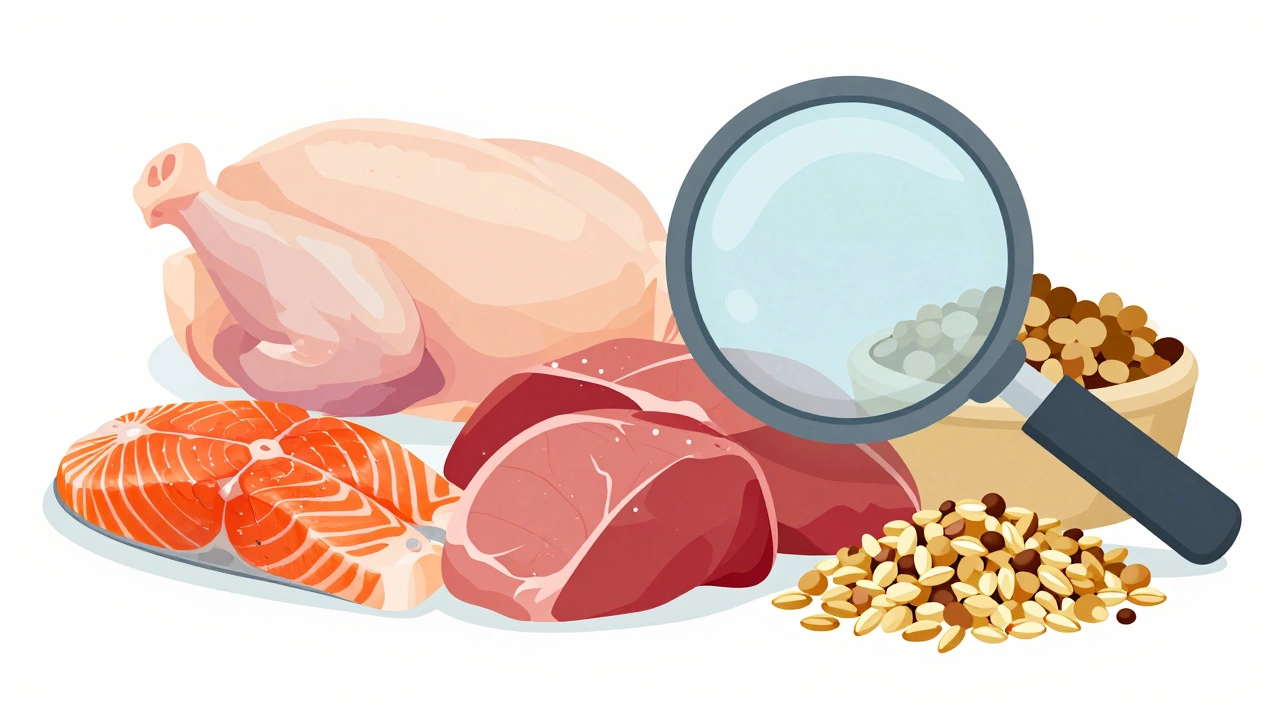
Dry Food vs. Wet Food: What’s Best for Your Cat?
You might wonder if dry food is even a good idea. Wet food provides higher moisture content, which is beneficial for kidney health and preventing urinary crystals. However, dry food offers convenience and can help reduce tartar buildup due to the abrasive nature of kibble.
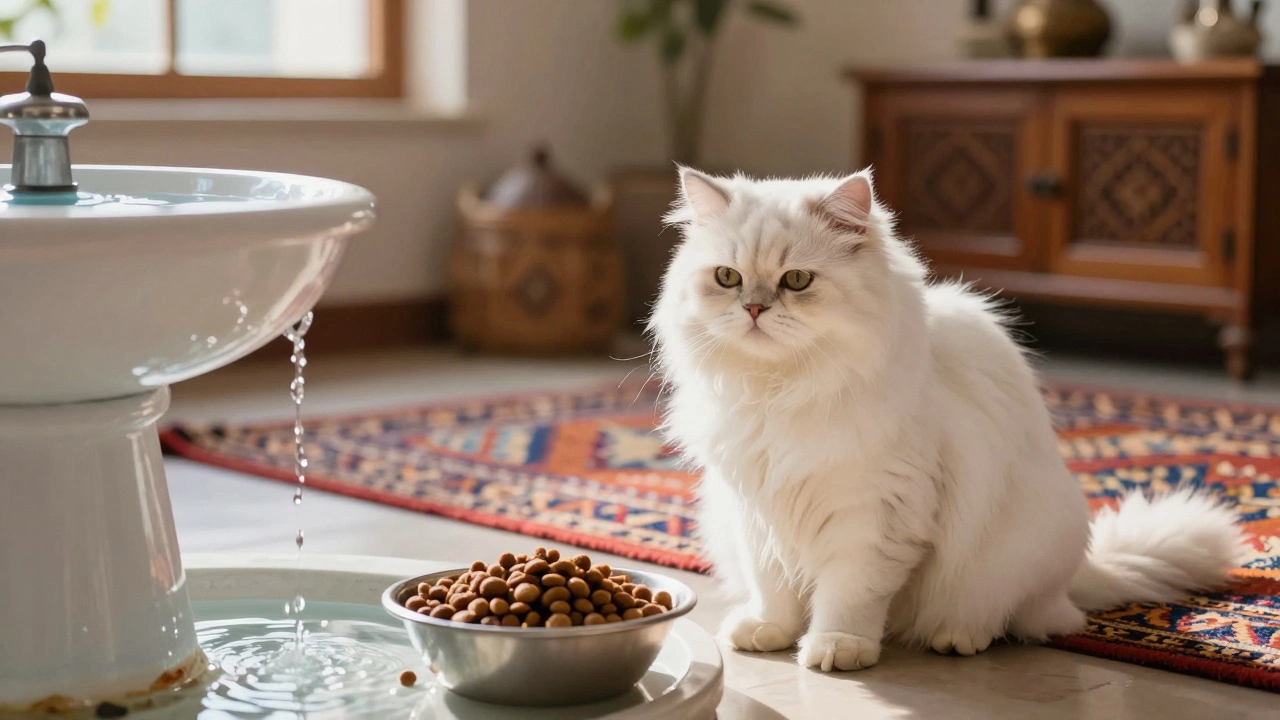
The best approach? A combination. Many veterinarians recommend feeding wet food for hydration and nutrient density, supplemented with high-quality dry food for dental health and grazing satisfaction. If you choose to feed only dry food, ensure your cat has access to fresh water at all times, possibly using a fountain to encourage drinking.
Common Mistakes When Feeding Dry Cat Food
Even the best food can fail if fed incorrectly. Here are pitfalls to avoid:
- Free-Feeding: Leaving a bowl out all day leads to overeating and obesity. Measure portions based on your cat’s weight and activity level.
- Sudden Changes: Switching brands abruptly causes gastrointestinal upset. Mix the new food with the old over 7-10 days.
- Ignoring Expiration Dates: Fat in kibble can go rancid. Store food in a cool, dry place and use within three months of opening.
- Choosing Based on Price Alone: Cheap food often requires larger quantities to meet nutritional needs, costing more in the long run and potentially leading to vet bills.
Final Thoughts on Choosing the Right Kibble
There is no single "best" food for every cat. The ideal choice depends on your cat’s age, health status, allergies, and preferences. Start with one of the top five options listed above, monitor your cat’s stool consistency, coat shine, and energy levels, and adjust as needed. Always consult your veterinarian before making significant dietary changes, especially for cats with existing health conditions.
Is grain-free cat food better for my cat?
Not necessarily. While many cats tolerate grain-free diets well, recent research suggests a potential link between certain grain-free ingredients (like legumes) and heart issues (DCM). Unless your cat has a diagnosed grain allergy, a diet with wholesome grains like brown rice or barley can be a safe and nutritious option. Consult your vet if you're unsure.
How much dry cat food should I feed my cat daily?
The amount varies by brand, calorie density, and your cat's weight. Generally, an average 10-pound adult cat needs about 200-250 calories per day. Check the packaging for feeding guidelines, but adjust based on your cat's body condition score. Overfeeding is a common cause of feline obesity.
Can I mix wet and dry cat food?
Yes, mixing wet and dry food is an excellent strategy. Wet food provides essential hydration, while dry food offers dental benefits and convenience. Just ensure the total caloric intake from both sources doesn't exceed your cat's daily requirement to prevent weight gain.
What does "by-product" mean in cat food ingredients?
Meat by-products include organs, bones, and other edible parts not classified as meat. While they can provide nutrients, they are less consistent in quality than named muscle meats. Premium foods typically specify ingredients like "chicken liver" rather than using the vague term "by-products."
Why is taurine important in cat food?
Taurine is an essential amino acid that cats cannot produce on their own. It is critical for heart function, vision, and reproduction. A deficiency can lead to irreversible blindness and dilated cardiomyopathy. All commercial cat foods must contain adequate taurine, but high-quality brands ensure stable levels through proper processing.