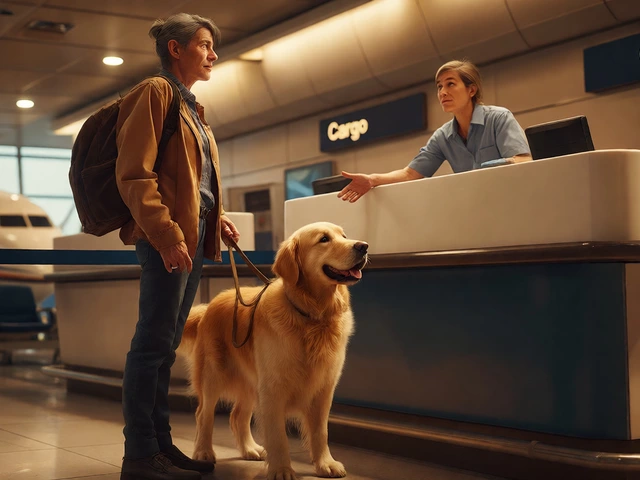
Walking your dog is often sold as the ultimate win-win: you get fresh air and light cardio, while your pup burns off energy and satisfies their instinct to explore. It’s the standard advice from vets, trainers, and well-meaning friends. But like any routine, it comes with a price tag that isn’t always obvious until you’re dealing with the consequences.
We tend to focus on the benefits-obesity prevention, bonding time, mental stimulation-but we rarely talk about the downsides. What happens when the pavement gets too hot? What if your dog reacts aggressively to another walker? Or what if the physical strain starts wearing down their joints faster than expected? Understanding the disadvantages of dog walking isn’t about stopping the habit; it’s about making it safer, smarter, and more sustainable for both you and your animal.
The Physical Toll on Canine Joints and Paws
Dogs are resilient, but they aren’t invincible. One of the most overlooked disadvantages of daily dog walking is the cumulative stress placed on their skeletal system. This is especially true for large breeds or dogs with pre-existing conditions.
Canine Hip Dysplasia is a genetic condition where the hip joint doesn't fit together properly, leading to arthritis and pain. While genetics play a huge role, excessive high-impact activity on hard surfaces like concrete can accelerate the wear and tear. If you’re power-walking three miles a day on asphalt with a heavy-boned Labrador, you might be doing more harm than good. The repetitive impact can inflame the joints, leading to chronic pain that manifests as limping or reluctance to jump into the car.
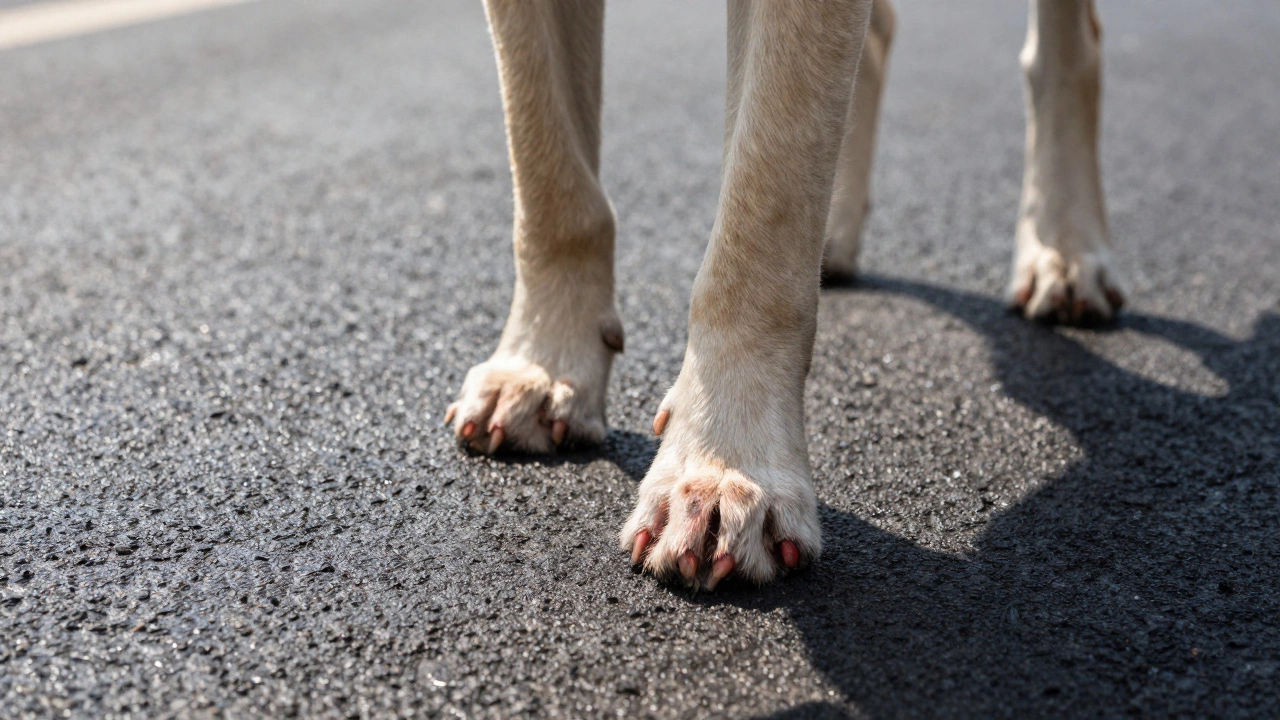
Then there’s the issue of paw pads. Most people assume dog paws are like tank treads, designed for anything. They’re tough, yes, but they have limits. Walking on hot pavement in summer can cause second-degree burns in seconds. A simple rule of thumb: if you can’t hold the back of your hand against the pavement for seven seconds, it’s too hot for your dog’s paws. Conversely, winter brings its own set of problems. Ice and snow can pack between toes, causing irritation, while salt used to melt ice can be toxic if licked off. Without protective booties or wax coatings, regular walkers often deal with cracked, bleeding pads.
Safety Hazards and Environmental Risks
Stepping outside means entering an uncontrolled environment. Unlike a fenced backyard, a public walk exposes your dog to variables you can’t fully manage. This lack of control is a significant disadvantage of traditional dog walking.
Stray animals are a constant threat. Unvaccinated neighborhood cats, raccoons, or even other loose dogs can carry diseases like rabies, parvovirus, or distemper. Even a brief sniff or a minor scratch during a scuffle can lead to serious health issues requiring expensive veterinary intervention. Then there’s the risk of ingestion. Dogs are curious scavengers. On a walk, they might eat something dropped by a passerby-a piece of chocolate, a grape, or worse, a rodenticide bait station hidden under a bush. These incidents happen quickly, often before the owner can react.
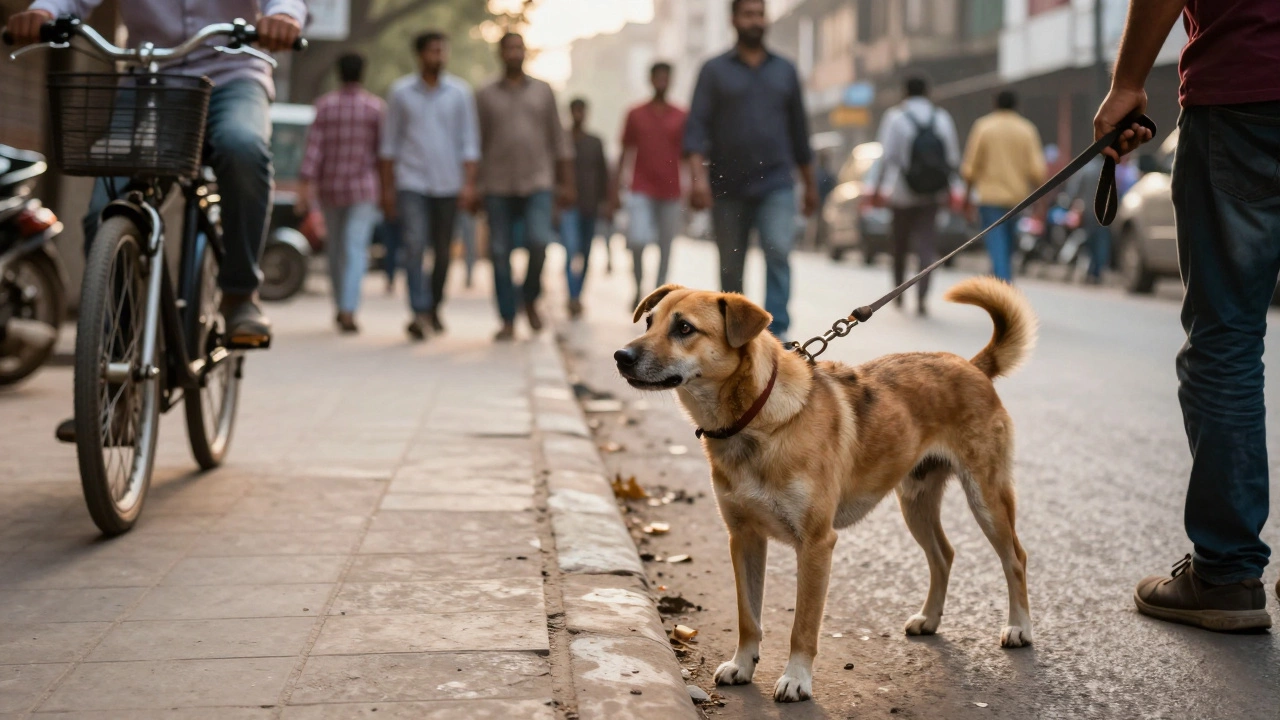
Human interactions add another layer of complexity. Not everyone is dog-friendly. Some people have severe phobias, while others may intentionally provoke a dog for attention or malice. In urban areas, the density of pedestrians increases the likelihood of accidental trips, leash entanglements, or conflicts over right-of-way. For reactive dogs, these encounters can trigger anxiety or aggression, turning a relaxing stroll into a stressful ordeal that reinforces bad behavior.
The Mental Strain on Reactive and Anxious Dogs
For many dogs, walking isn’t a joyride; it’s a test of endurance. If your dog has social reactivity, fear-based aggression, or general anxiety, the disadvantages of dog walking become psychological rather than just physical.
A reactive dog lives in a state of hyper-vigilance. Every passing cyclist, every barking neighbor’s dog, every strange noise triggers their fight-or-flight response. Instead of decompressing, their cortisol levels spike. Over time, this chronic stress can lead to behavioral escalation. The dog becomes harder to manage, not because they’re ‘bad,’ but because they’re exhausted from constantly defending themselves. You might find yourself avoiding certain streets or times of day, which restricts your freedom and isolates you socially.
This dynamic also affects the owner. Walking a reactive dog requires intense focus. You’re scanning the horizon, managing tension on the leash, and anticipating triggers. It’s mentally draining. Many owners report feeling embarrassed or judged by strangers who don’t understand the underlying issues. This emotional burden can make walking feel like a chore rather than a bonding experience, leading some owners to skip walks altogether-which creates a vicious cycle of pent-up energy and increased frustration.
Time Commitment and Lifestyle Constraints
Let’s talk about the practical side: time. Consistent dog walking demands a level of discipline that clashes with modern, busy lifestyles. The disadvantage here isn’t just the minutes spent walking; it’s the rigidity it imposes on your schedule.
Dogs need consistency. Skipping a morning walk because you slept in doesn’t just mean a tired dog; it can lead to destructive behaviors at home. Chewing furniture, excessive barking, or indoor accidents are common outcomes of unmet exercise needs. If you work long hours, travel frequently, or have an unpredictable job, maintaining a strict walking regimen can feel impossible. This pressure often leads to guilt or burnout.
Weather exacerbates this constraint. Rain, snow, extreme heat, or storms don’t give your dog a pass on exercise, but they do make walking miserable. You end up soaked, cold, or overheated, while your dog shakes water all over your living room. On days when motivation is low, the thought of lacing up boots and heading out into a downpour can be a major deterrent. This friction between necessity and convenience is why many owners struggle to maintain a healthy routine without external help.
Liability and Legal Concerns
Perhaps the most serious disadvantage of dog walking involves legal liability. In many jurisdictions, dog owners are strictly liable for any damage or injury their dog causes. This means if your dog bites someone, knocks over an elderly pedestrian, or chases a car causing an accident, you could face hefty fines, medical bills, or even lawsuits.
Even if your dog is usually gentle, one unexpected incident can change everything. Insurance premiums can skyrocket, and in severe cases, municipalities may impose breed-specific legislation or mandatory muzzling laws. Public parks and trails often have strict leash laws, and violating them can result in immediate citations. The financial and legal risks associated with walking in public spaces are real and often underestimated by new dog owners.
| Disadvantage | Risk Level | Mitigation Strategy |
|---|---|---|
| Joint Stress & Arthritis | High (for older/large dogs) | Switch to grassy trails; limit distance; use hydrotherapy |
| Paw Burns/Cuts | Medium-High (seasonal) | Check pavement temp; use booties or paw balm |
| Reactive Behavior Triggers | High (for anxious dogs) | Walk during off-peak hours; hire professional trainer |
| Ingestion of Toxins | Medium | Keep tight leash control; avoid wooded areas with unknown debris |
| Legal Liability | Variable | Pet insurance; strict adherence to leash laws; muzzle training |
Alternatives When Walking Isn’t Feasible
If the disadvantages of traditional dog walking outweigh the benefits for your specific situation, there are viable alternatives. The goal is still exercise and mental enrichment, just delivered differently.
Professional Dog Walkers are trained individuals who provide walking services for dogs when owners are unavailable. Hiring a reputable walker can solve the time constraint issue. Look for insured providers who offer updates and photos. However, ensure they understand your dog’s specific needs, especially if they have health or behavioral issues. Another option is structured playdates in secure, fenced environments. This allows for off-leash running without the risks of public streets.
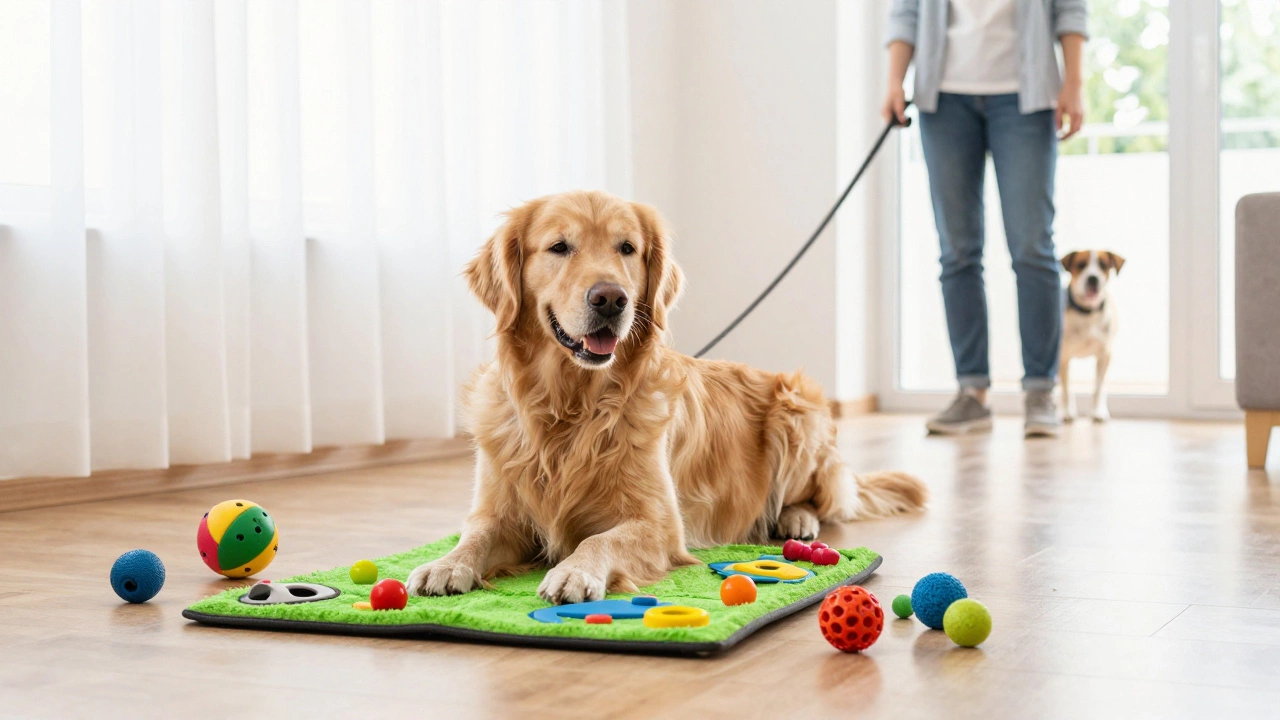
Indoor enrichment activities can also substitute for outdoor walks. Puzzle toys, snuffle mats, and flirt poles provide mental stimulation and physical exertion without leaving the house. For senior dogs or those with mobility issues, swimming or underwater treadmill sessions offer low-impact exercise that protects joints while building muscle. These alternatives don’t eliminate the need for movement, but they reduce exposure to environmental hazards and social stressors.
Making Walking Safer and More Effective
You don’t have to stop walking your dog, but you do need to adapt. Start by assessing your dog’s individual needs. Are they a high-energy herding breed that needs miles, or a brachycephalic pug that struggles after ten minutes? Tailor the duration and intensity accordingly. Invest in quality gear: a sturdy harness instead of a collar to protect the trachea, reflective gear for visibility, and paw protection for extreme weather.
Vary your routes to keep things interesting and reduce repetitive strain. Mix paved paths with dirt trails or grassy fields. Monitor your dog’s body language closely. Signs of fatigue include lagging behind, excessive panting, or lying down. Respect these signals. Finally, consider the timing. Early mornings or late evenings offer cooler temperatures and fewer pedestrians, reducing stress for both reactive dogs and owners.
Is walking bad for senior dogs?
Not necessarily, but the approach must change. Senior dogs often suffer from arthritis and reduced stamina. Long, fast-paced walks on hard surfaces can exacerbate joint pain. Shorter, slower walks on soft terrain like grass or sand are better. Focus on mental stimulation through sniffing rather than distance. Always consult your vet before starting a new exercise routine for an older dog.
How do I prevent my dog from eating dangerous things on a walk?
Training is key. Teach a strong "leave it" command and practice it in low-distraction environments before taking it to the streets. Keep your dog on a shorter leash in high-risk areas like parks or near trash cans. Consider using a basket muzzle if your dog has a history of scavenging. Stay alert and scan the ground ahead of your dog to spot potential hazards early.
What should I do if my dog is reactive to other dogs?
Avoid triggering situations whenever possible. Walk during off-peak hours, use wide sidewalks, or choose quiet neighborhoods. Work with a certified positive-reinforcement trainer to address the root cause of the reactivity. Never punish your dog for reacting, as this increases anxiety. Use management tools like front-clip harnesses or head halters to maintain control without causing pain.
Are there legal risks to walking my dog in public?
Yes. Most cities have leash laws and liability statutes. If your dog bites someone or causes an accident, you can be held financially responsible. Violating leash laws can result in fines. Check local ordinances regarding allowed parks and trails. Consider getting pet liability insurance to protect yourself against unexpected incidents.
Can I replace walks with indoor play?
Partially. Indoor play provides excellent physical exercise and mental enrichment, but it lacks the sensory stimulation of outdoor exploration. Sniffing new smells and seeing different sights is crucial for a dog’s mental health. Use indoor activities as a supplement or alternative on bad weather days, but try to incorporate some outdoor time regularly if your dog’s health permits.