Puppy Feeding Times: When and How Much to Feed Your Growing Dog
When you bring home a new puppy, one of the first things you’ll wonder is: puppy feeding times, the scheduled moments during the day when a young dog should eat to support healthy growth and energy levels. It’s not just about filling a bowl—it’s about matching meals to your pup’s growing body, metabolism, and breed size. A Chihuahua puppy needs different care than a Great Dane pup, and feeding them the same way can lead to health problems down the road. Proper puppy nutrition, the balance of proteins, fats, and carbs tailored to a dog’s developmental stage sets the foundation for lifelong health. Too little, and your pup won’t grow right. Too much, and you risk joint issues or obesity. The right dog feeding schedule, a consistent pattern of meals timed to a puppy’s energy needs and digestion cycle keeps them calm, focused, and less likely to have accidents indoors.
Most puppies under 12 weeks need to eat three to four times a day. That’s not because they’re picky—it’s because their tiny stomachs can’t hold much, and they burn energy fast. By 3 to 6 months, you can drop to three meals. Around 6 to 12 months, most breeds can switch to two meals a day. But here’s the catch: breed matters. Small breeds like Yorkies or Pomeranians often need more frequent meals to avoid low blood sugar. Large breeds like Labs or German Shepherds need controlled portions to protect their developing joints. Feeding at the same times every day—say, 7 a.m., 12 p.m., and 6 p.m.—helps your puppy learn when to expect food, which makes house training easier. Skipping meals or feeding late at night can cause digestive upset or midnight zoomies. And while it’s tempting to give table scraps, that’s a fast track to picky eating and upset stomachs. Stick to high-quality puppy food labeled for growth. If you’re unsure, check the bag: reputable brands list feeding guidelines based on weight and age. Don’t guess. Use the chart.
What you feed and when you feed it directly affects behavior, energy, and even sleep. A puppy fed too late at night might wake you up at 3 a.m. with a full bladder. A puppy fed inconsistently might beg nonstop or chew shoes out of boredom. The right puppy feeding times create routine, which your pup craves. You’ll notice fewer accidents, better focus during training, and a calmer dog overall. Below, you’ll find real advice from pet owners and vets on how to nail this routine—whether you’re dealing with a teething Chihuahua or a ravenous Labrador. No fluff. Just what works.
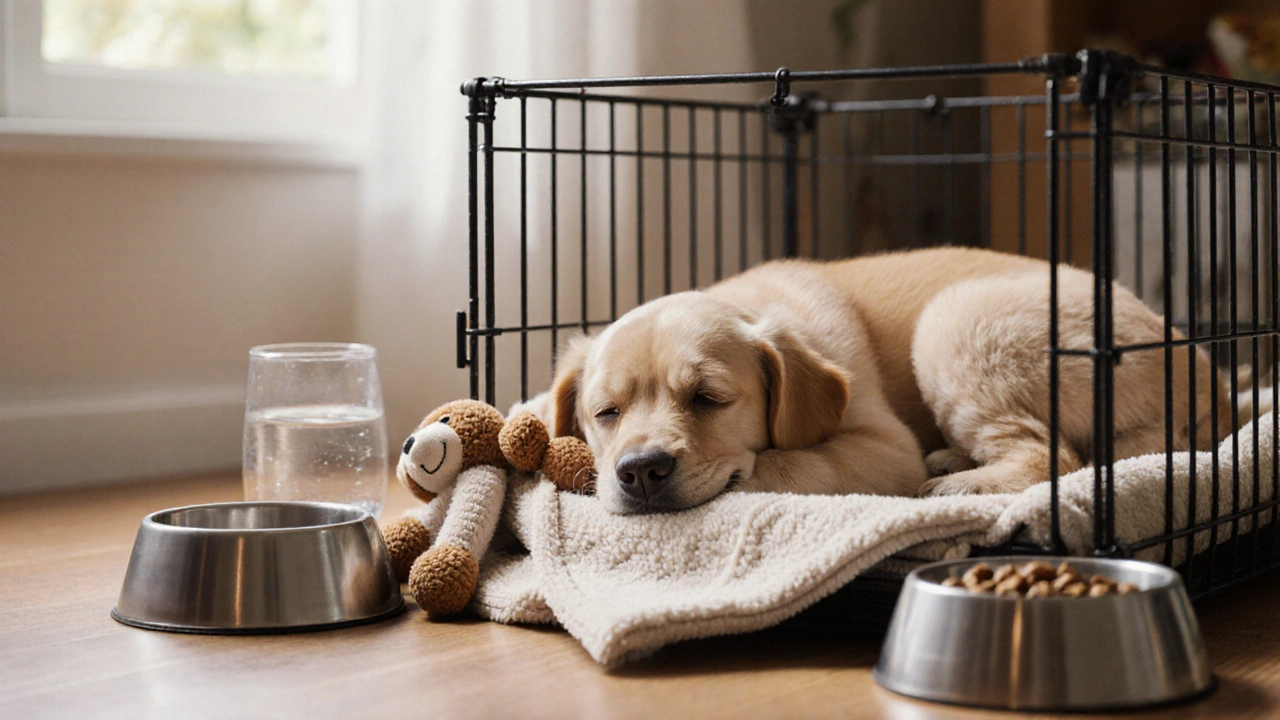
What Is a Good Schedule for an 8-Week-Old Puppy?
A good schedule for an 8-week-old puppy includes feeding three times a day, frequent potty breaks, short play sessions, and plenty of naps. Consistency builds good habits and reduces accidents.
read more