Dog Flight Risk Calculator
Assess Your Dog's Flight Safety
Answer these questions to determine if your dog can safely travel by air. Based on veterinary guidelines and airline regulations.
Risk Assessment Results
When you’re planning a big trip and your dog is part of the family, the big question isn’t just can dogs survive long flights - it’s how they’ll survive. The truth? Many dogs do just fine. But others face real risks. It’s not about luck. It’s about preparation, understanding airline rules, and knowing your dog’s limits.
How dogs handle long flights
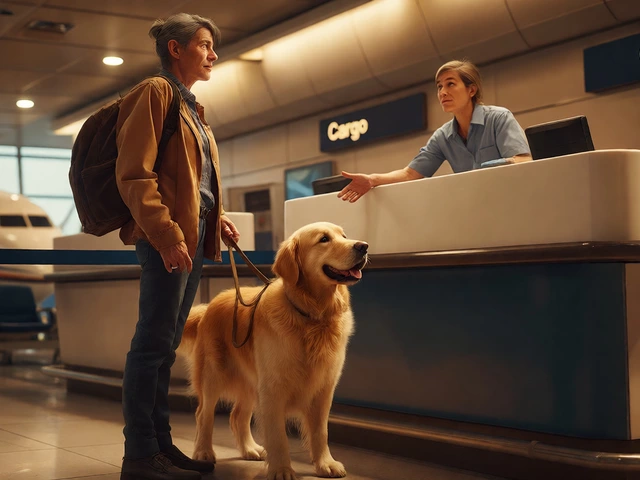
Dogs don’t experience air travel the same way humans do. They can’t tell you they’re scared, thirsty, or overheating. Their bodies react to pressure changes, noise, and confinement in ways you might not expect. Most airlines put dogs in the cargo hold - a pressurized, temperature-controlled space, but still far from comfortable. The noise of engines, sudden drops in pressure, and hours of isolation can trigger stress, anxiety, or even panic in some dogs.
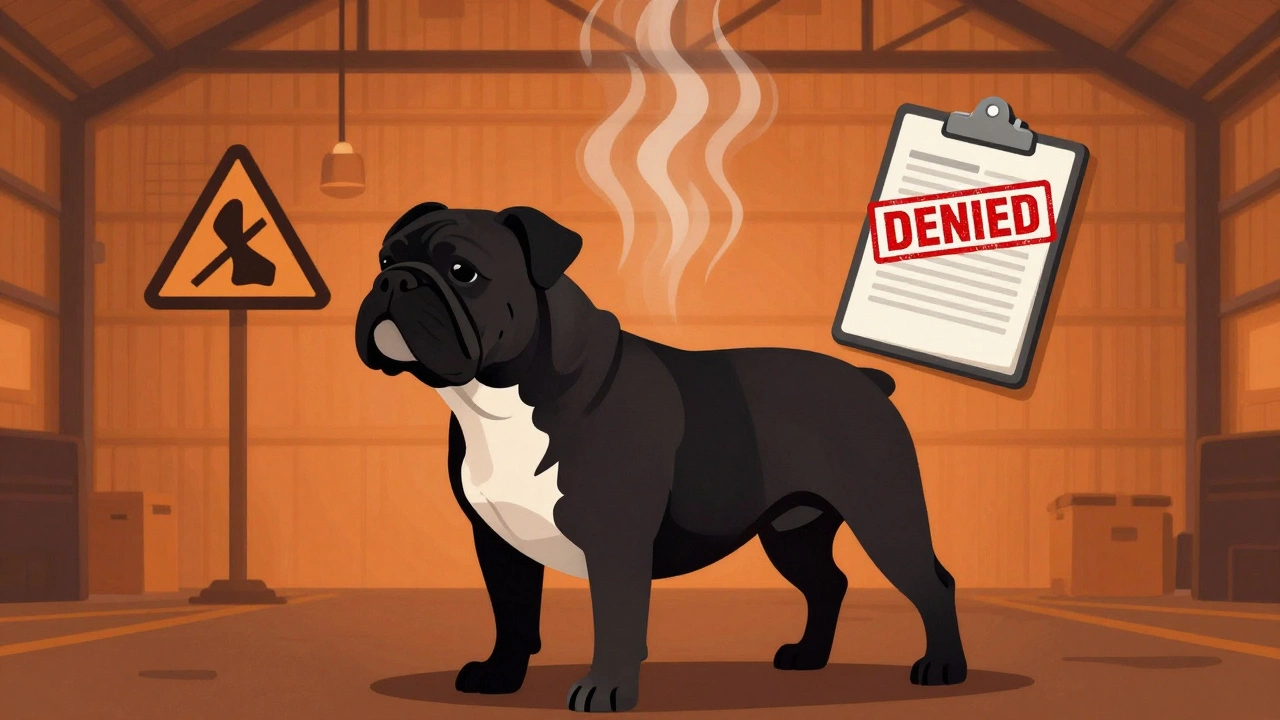
Studies from the American Veterinary Medical Association show that about 1 in 10,000 dogs experience serious health issues during air travel. That sounds low, but when you’re the one dog in that group, it’s devastating. The biggest risks? Heatstroke, respiratory distress, and heart strain - especially in brachycephalic breeds like Bulldogs, Pugs, or French Bulldogs. Their short snouts make it harder to breathe, even on the ground. In a cargo hold during a 12-hour flight? It’s dangerous.
Which dogs are at highest risk?
Not all dogs are built for long flights. Certain breeds and health conditions make the journey riskier:
- Brachycephalic breeds - Bulldogs, Pugs, Shih Tzus, Boxers. Their narrow airways can’t handle reduced oxygen levels at altitude.
- Older dogs - Over 8 years old, especially with arthritis, heart disease, or kidney issues.
- Overweight dogs - Extra weight puts strain on the heart and lungs during stress.
- Dogs with anxiety - If your dog whines, paces, or hides during car rides, a plane ride could trigger a panic attack.
- Dogs with recent surgeries - Even minor procedures like spaying or dental work need at least 10-14 days of recovery before flying.
There’s no hard rule, but if your dog has any of these conditions, talk to your vet before even booking a ticket. Some vets will refuse to sign the health certificate required by airlines if they think the trip is too risky.
Airline rules you can’t ignore
Every airline has different rules - and they change often. In 2025, major carriers like Delta, United, and American Airlines banned brachycephalic breeds from cargo during summer months (May-September). That’s because cargo holds can hit 30°C (86°F) on hot tarmacs, even if the plane’s climate control is working.
Here’s what you’ll need to get your dog on a flight:
- Health certificate - Issued by a licensed vet within 10 days of travel. This isn’t just a formality. It’s your dog’s medical clearance.
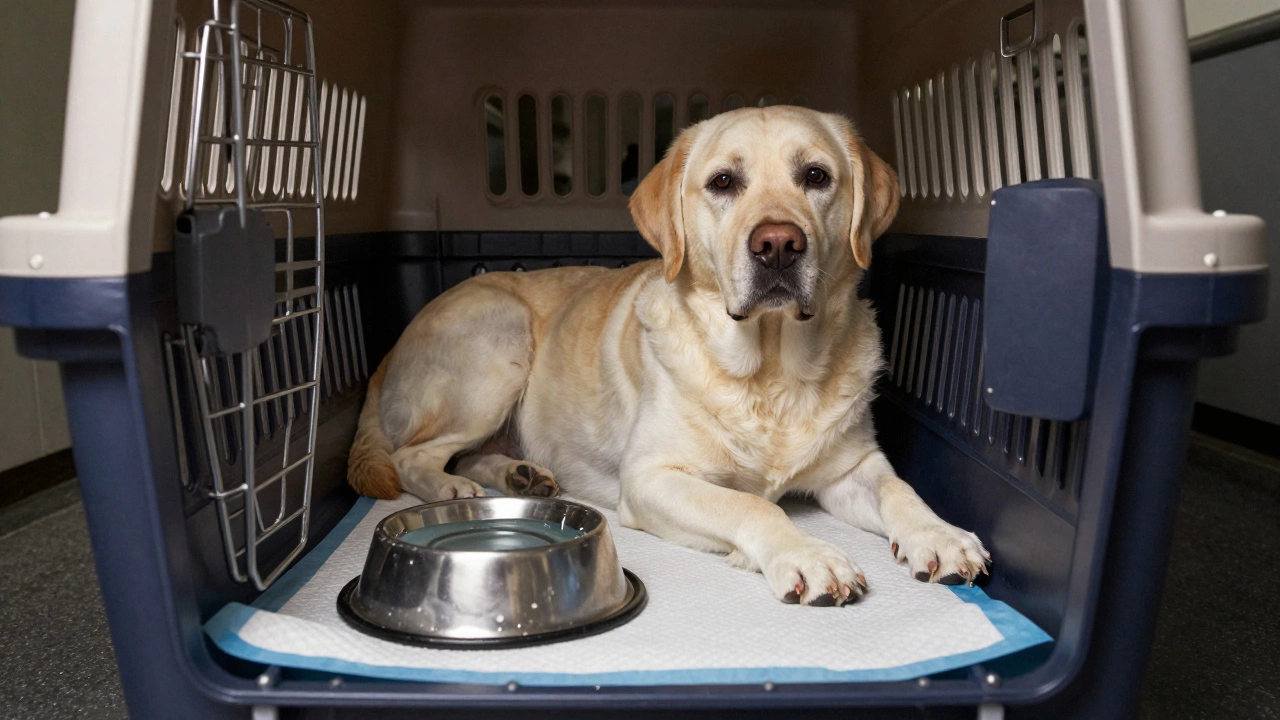
- Approved travel crate - Must be IATA-compliant. That means it’s big enough for your dog to stand, turn, and lie down. No soft carriers. No wheeled suitcases. Only hard plastic crates with metal doors.
- Proof of vaccinations - Rabies, DHPP, and sometimes leptospirosis, depending on your destination.
- Acclimation to the crate - If your dog has never been in a crate, start training 4-6 weeks before the flight. Put treats inside. Let them nap in it. Make it their safe space.
Some airlines, like Hawaiian Airlines, allow small dogs in the cabin - if they fit under the seat. But even then, there are weight limits (usually 20 lbs or 9 kg), and you can’t bring more than two pets per flight. You’ll pay $125-$200 each way. And yes, you still need a health certificate.
What to do before the flight
Preparation is everything. Here’s a real-world checklist from pet owners who’ve done this successfully:
- Book a direct flight - Every layover means more time in the cargo area, more handling, more risk. A nonstop flight cuts your dog’s exposure time in half.
- Travel in cooler months - Avoid summer. Even in New Zealand, summer flights from Auckland to Los Angeles can mean hot tarmac delays. Fall and spring are safest.
- Do not feed your dog 4-6 hours before the flight - A full stomach increases the risk of vomiting and motion sickness. Water is fine, but stop food.
- Use absorbent bedding - Line the crate with a vet-approved absorbent pad. No towels. No blankets. They can shift and trap your dog or block airflow.
- Label the crate clearly - Write your name, phone number, and "LIVE ANIMAL" in large letters. Attach a copy of the health certificate to the outside.
One owner from Wellington flew her 12-year-old Labrador to Canada last October. She used a crate with a frozen water bowl (slow-melt) and a familiar blanket. Her dog slept the whole flight. That’s the goal - calm, safe, and stress-free.
What to do after landing
When your dog steps off the plane, don’t rush to hug them. Let them breathe. Let them sniff. Let them drink water slowly. Some dogs are so exhausted they collapse. Others are hyper from adrenaline.
Wait at least 30 minutes before offering food. Watch for:
- Excessive panting or drooling
- Lethargy or unresponsiveness
- Vomiting or diarrhea
- Coughing or labored breathing
If any of these last more than an hour, call a vet. Don’t wait. Dehydration or heat stress can escalate fast.

Alternatives to flying
If your dog is high-risk, or if you’re just not comfortable with the idea, there are other options:
- Professional pet transport services - Companies like PetRelocation or PetAirway specialize in door-to-door pet shipping. They use climate-controlled vans, not cargo holds. Cost: $1,500-$4,000 depending on distance.
- Ground transport - For trips under 1,000 km, hiring a pet-friendly driver is often safer and cheaper than flying.
- Boarding + video calls - If the trip is short (under 2 weeks), consider leaving your dog with a trusted sitter. Many now offer live video updates.
One family in Christchurch shipped their 15-year-old Beagle to Australia by ground transport. It took 3 days. They paid $800. The dog arrived calm, hydrated, and with no stress symptoms. Sometimes, slow is better.
Final advice: Trust your gut
If your dog is usually calm, healthy, and well-prepared, they’ll likely do fine. But if you’re nervous, if your vet says no, or if your dog has any health red flags - listen. There’s no shame in choosing a different plan. Pets don’t need to see the world. They just need to feel safe with you.
There’s no universal answer to "Can dogs survive long flights?" - only better choices. Do your homework. Talk to your vet. Know your airline’s rules. And never assume your dog is fine just because they didn’t cry.
Can my dog fly in the cabin with me?
Only if your dog is small enough to fit under the seat in an approved carrier - usually under 20 lbs (9 kg) and under 19 inches tall. Most airlines allow only one or two pets per flight. You still need a health certificate, even for cabin travel. Never try to sneak a dog in. If caught, you’ll be fined and your dog may be quarantined.
How long can a dog be in a crate on a flight?
Most airlines limit crate time to 8 hours for domestic flights and 12 hours for international. But that’s the maximum. Realistically, your dog should be in the crate no longer than 6-7 hours total. Longer than that increases dehydration and stress risk. Always choose direct flights.
Do dogs get sedated before flying?
No. Airlines ban sedatives because they can suppress breathing, especially at altitude. Some vets may prescribe mild anti-anxiety meds, but only if the dog has a history of panic and only after a full health check. Never give over-the-counter sleep aids like Benadryl without vet approval.
What if my dog barks or whines during the flight?
If your dog is in cargo, crew can’t reach them. If they’re in the cabin, flight attendants may ask you to calm them down. Some airlines will move you to a different seat or ask you to remove the pet if it’s disruptive. Training your dog to stay quiet in the crate for 2-3 hours before the flight is the best prevention.
Are there countries that ban dogs from flying in?
Yes. Australia, New Zealand, and Japan have strict quarantine rules. Some countries require 30-180 days of pre-travel isolation. Others ban certain breeds entirely. Always check the destination country’s agriculture or customs website - not just the airline. Rules change often.