Dog Feeding Schedule Calculator
Find Your Dog's Ideal Feeding Schedule
Select your dog's characteristics to get a customized feeding schedule based on the latest veterinary recommendations.
Your Dog's Recommended Schedule
Select your dog's characteristics to see the recommended schedule.
Important: This tool provides general guidelines. Always consult with your veterinarian for personalized advice based on your dog's specific health needs.
Feeding your dog the right amount at the right times isn’t just about filling a bowl-it’s about keeping them healthy, energetic, and happy. But how many times a day should a dog eat? The answer isn’t one-size-fits-all. It changes based on age, size, breed, activity level, and even health conditions. Let’s cut through the noise and give you clear, practical advice backed by real-world experience.
Adult Dogs: Once or Twice a Day?
Most adult dogs do fine with two meals a day. That’s the sweet spot for most owners and vets. Feeding twice-once in the morning and once in the evening-helps keep blood sugar stable, reduces the risk of bloat in deep-chested breeds, and fits neatly into a human routine. It’s also easier to spot changes in appetite, which can be an early sign of illness.
Some owners wonder if once-a-day feeding is okay. It can work for healthy, inactive adult dogs, but it’s not ideal. A dog left without food for 24 hours may become overly hungry, leading to scavenging, anxiety, or even vomiting on an empty stomach. Dogs aren’t wolves-they’ve evolved to eat smaller, more frequent meals. Stick with two unless your vet says otherwise.
Puppies: More Meals, More Energy
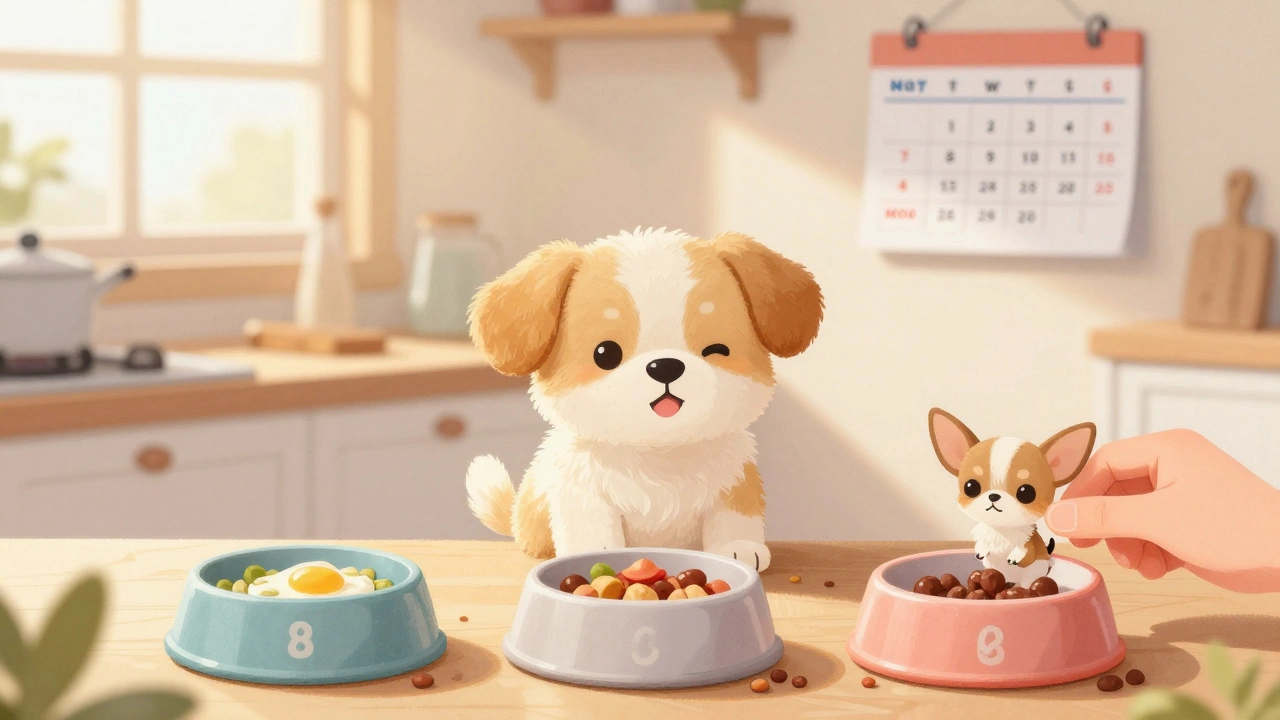
Puppies have tiny stomachs and high energy needs. They burn through calories fast. That’s why they need more frequent meals:
- 8 to 12 weeks old: Four meals a day
- 3 to 6 months old: Three meals a day
- 6 to 12 months old: Two meals a day
Skipping a meal for a puppy isn’t just inconvenient-it can be dangerous. Low blood sugar (hypoglycemia) is a real risk in small breeds like Chihuahuas or Yorkshire Terriers. If your puppy seems wobbly, lethargic, or has tremors, get food in them immediately and call your vet.
Don’t free-feed puppies. Leaving food out all day encourages picky eating, overeating, and accidents in the house. Stick to scheduled meals and remove the bowl after 15-20 minutes. This teaches them to eat when it’s time, not when they feel like it.
Senior Dogs: Slower Metabolism, Different Needs
As dogs age, their metabolism slows. Many senior dogs (7+ years, depending on breed) start to gain weight or lose muscle. Their energy needs drop, but their nutritional needs change too. Some older dogs benefit from two smaller meals a day to help with digestion and joint comfort.
If your senior dog has arthritis, kidney issues, or dental problems, your vet might recommend a special diet or feeding schedule. Soft food, wet food, or soaked kibble can make eating easier. Watch for signs like slow chewing, dropping food, or avoiding meals-these aren’t just old-age quirks. They’re signals.
Big Dogs vs. Small Dogs: Size Matters
Not all dogs are built the same. Large and giant breeds-like Great Danes, Saint Bernards, or Newfoundlands-are at higher risk for gastric dilatation-volvulus (GDV), commonly called bloat. This life-threatening condition happens when the stomach twists after eating a large meal. To reduce the risk:
- Feed two or more smaller meals a day
- Avoid vigorous exercise for at least an hour before and after meals
- Use slow-feed bowls to prevent gulping
- Don’t elevate food bowls unless your vet recommends it
Small dogs, on the other hand, have faster metabolisms and tiny stomachs. A Chihuahua or Pomeranian might need three meals a day even as an adult to keep energy levels steady. Skipping a meal can send their blood sugar crashing.
Active Dogs and Working Breeds
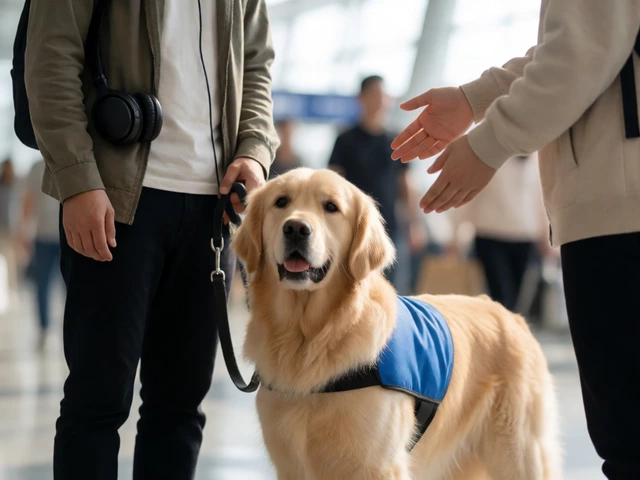
If your dog runs trails every day, pulls a sled, or works as a therapy or service dog, they need more fuel. These dogs often do better with three meals a day or a combination of meals plus a high-quality snack midday. Their diet should be higher in protein and fat to support muscle repair and endurance.
Don’t just guess the calories. Use the feeding guide on the bag as a starting point, then adjust based on body condition. You should be able to feel their ribs with light pressure but not see them. If they look like a sausage or a beanbag, you’re overfeeding.
What About Treats and Snacks?
Treats shouldn’t replace meals. They’re extras-not nutrition. Keep treats under 10% of your dog’s daily calories. That means if your dog eats 500 calories a day, no more than 50 should come from treats.
Some owners use treats for training and end up giving 20 or 30 a day. That’s like a human eating a whole bag of chips between meals. It adds up fast. Use small, low-calorie treats (like carrot slices or plain cooked chicken) and count them as part of their daily intake.
Signs You’re Feeding Wrong
Here’s how to tell if your dog’s feeding schedule isn’t working:
- Weight gain or loss without reason
- Constant begging or scavenging
- Diarrhea or vomiting after meals
- Excessive thirst or urination
- Lethargy or lack of interest in food
If you notice any of these, don’t just change the number of meals. Talk to your vet. Underlying issues like thyroid problems, diabetes, or parasites can mimic feeding mistakes.
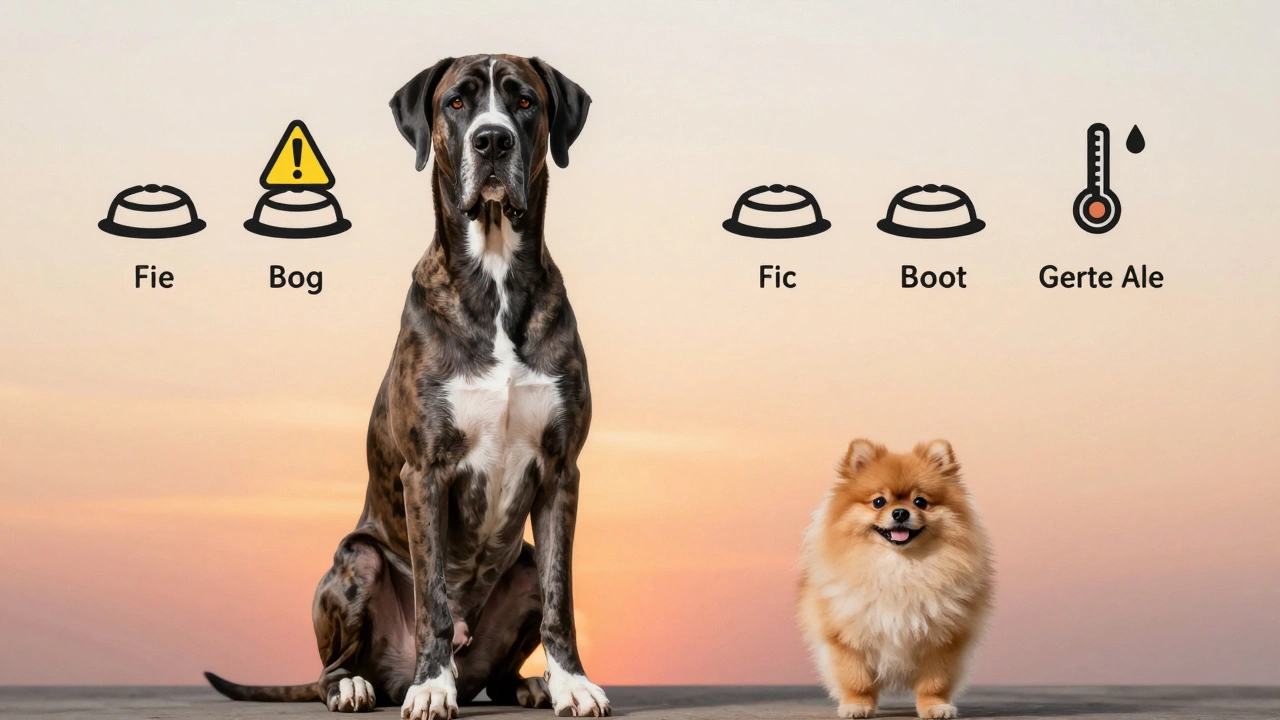
Feeding Schedule Template
Here’s a simple plan you can adapt:
| Life Stage | Meals Per Day | Best Times |
|---|---|---|
| Puppy (8-12 weeks) | 4 | 7 AM, 12 PM, 5 PM, 9 PM |
| Puppy (3-6 months) | 3 | 7 AM, 12 PM, 6 PM |
| Puppy (6-12 months) | 2 | 7 AM, 6 PM |
| Adult (1-6 years) | 2 | 7 AM, 6 PM |
| Senior (7+ years) | 2 | 8 AM, 5 PM |
Consistency matters more than perfection. Feed at the same times every day. Dogs thrive on routine. Even if you work late, try to keep meal times within an hour of your usual schedule.
What About Free Feeding?
Free feeding-leaving food out all day-is popular with some owners because it seems convenient. But it rarely works well. Dogs don’t self-regulate like humans. Most will eat until they’re sick. It’s harder to monitor intake, harder to spot health issues early, and often leads to obesity.
Only consider free feeding if your dog has a medical condition that requires constant access to food (like diabetes) and your vet has specifically recommended it. Otherwise, stick to scheduled meals.
Final Tip: Weigh Your Dog
Don’t guess your dog’s weight. Use a scale. If you don’t have one, take them to the vet once a month and ask them to weigh in. Even a 10% weight change is significant. A 50-pound dog gaining 5 pounds is like a 150-pound person gaining 15. That’s a big shift.
Track their body condition score too. A score of 4-5 on a 9-point scale is ideal. You should see a waist when looking from above and feel ribs with a light layer of fat. Anything higher? Cut back. Anything lower? talk to your vet.