Dog Feeding Schedule: What Works, What Doesn’t, and When to Change It
When it comes to your dog’s health, nothing matters more than a consistent dog feeding schedule, a structured routine for when and how much food a dog receives each day. Also known as feeding routine, it’s not just about filling a bowl—it’s about matching your dog’s age, size, energy, and health needs with real-world timing. Skip the guesswork. Dogs aren’t humans. They don’t need three meals a day because that’s what we do. They need meals that fit their biology.
A puppy feeding schedule, a timed plan for meals given to young dogs under six months old is completely different from an adult dog feeding, the standard meal pattern for dogs over one year old. Puppies under 12 weeks need food every 4 hours—yes, that means 3 to 4 meals a day. By 8 weeks, they’re still growing fast, and skipping a meal can drop their blood sugar dangerously low. That’s why a routine with snacks spaced out helps avoid crashes and accidents. As they grow, you slowly cut back. Most dogs transition to two meals a day by 6 months. By adulthood, one meal a day can work fine for many—unless your vet says otherwise. But here’s the catch: some dogs do better with two. Smaller breeds, high-energy dogs, or those with medical conditions often need the extra meal to stay stable.
Your dog nutrition guidelines, the principles that determine what and how much food supports a dog’s long-term health aren’t just about the brand in the bag. They’re about timing. A dog fed at 7 a.m. and 6 p.m. will usually poop at predictable times. That’s not magic—it’s rhythm. Dogs thrive on predictability. If you feed at random hours, you’re not just confusing your dog—you’re making house training harder, increasing anxiety, and sometimes triggering digestive upset. And yes, feeding once a day is fine for many adult dogs, but only if the meal is balanced and portioned right. Some dogs get hungry, anxious, or even sick if they go too long without food. That’s why a dog feeding frequency, how often a dog is fed in a 24-hour period must be tailored, not copied from a random blog.
Don’t let marketing tricks fool you. That "all-day grazing" idea? It’s not natural for dogs. Wild dogs eat big meals, then fast. Domestic dogs can handle it too—if you manage the portions. But if you’re leaving food out all day, you’re probably overfeeding. And if you’re changing the schedule every week, your dog’s gut is paying the price. Look at your dog’s body. Are they keeping a healthy weight? Do they have steady energy? No vomiting or diarrhea after meals? Then your schedule is working. If not, it’s time to adjust—not just the food, but the timing.
Below, you’ll find real advice from dog owners and vets on what feeding routines actually work—from the 8-week-old pup who needs snacks every 4 hours to the senior dog who does best with one gentle meal. No fluff. No theory. Just what happens when you get the schedule right.
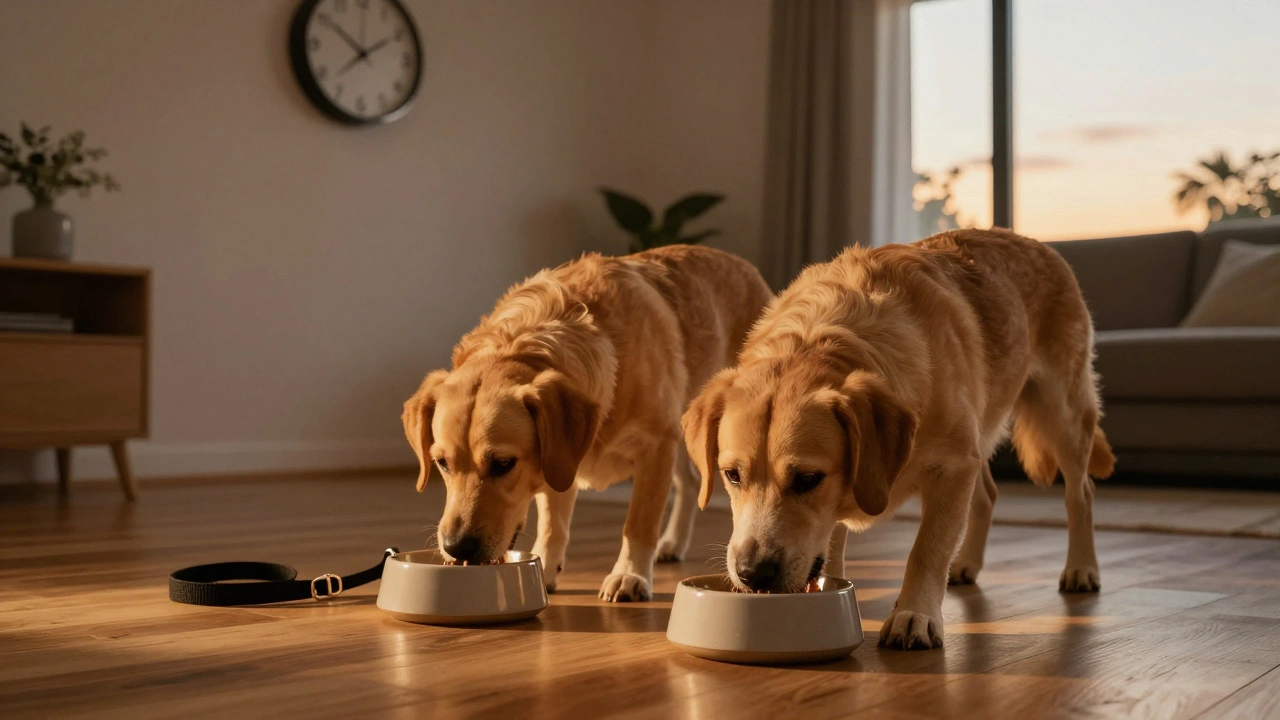
How Many Times a Day Should a Dog Eat? A Simple Guide for Every Life Stage
Learn how many times a day to feed your dog based on age, size, and activity level. Simple, vet-backed advice for puppies, adults, and seniors.
read more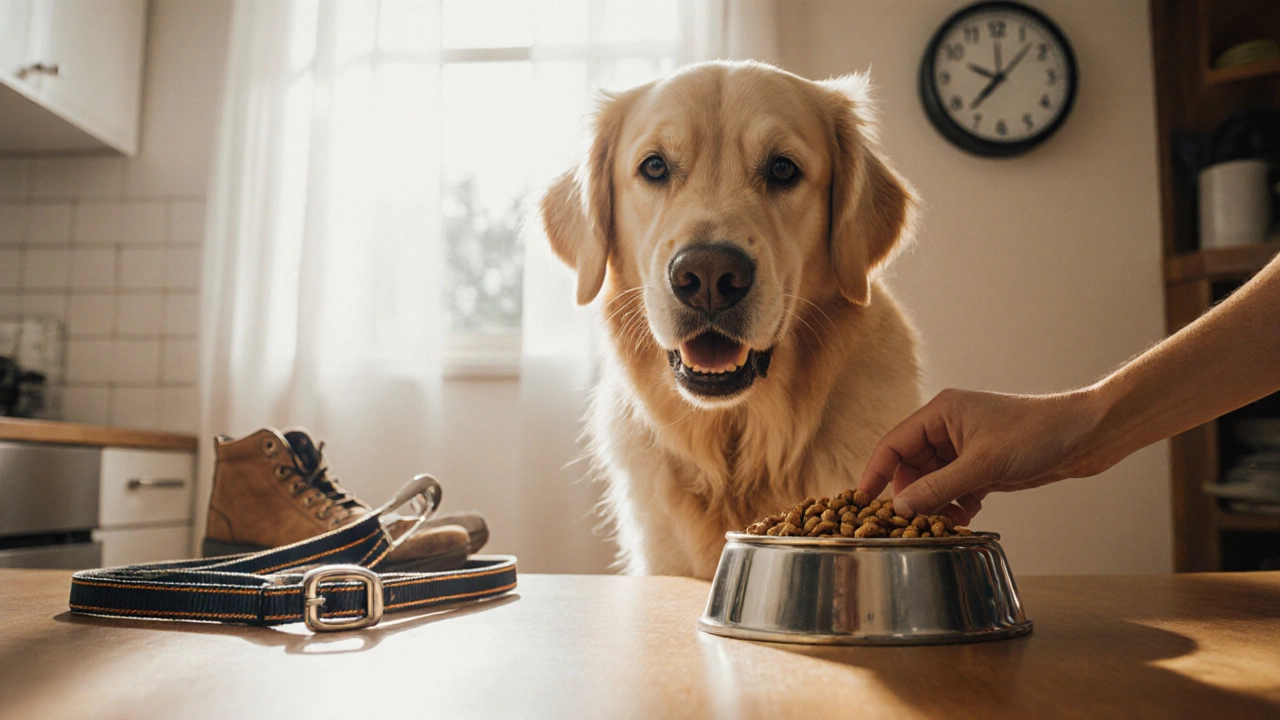
Is It Best to Feed a Dog in the Morning or Evening?
Feeding your dog in the morning or evening affects their health, digestion, and behavior. Most vets recommend two meals a day-morning and evening-for optimal energy, digestion, and routine.
read more