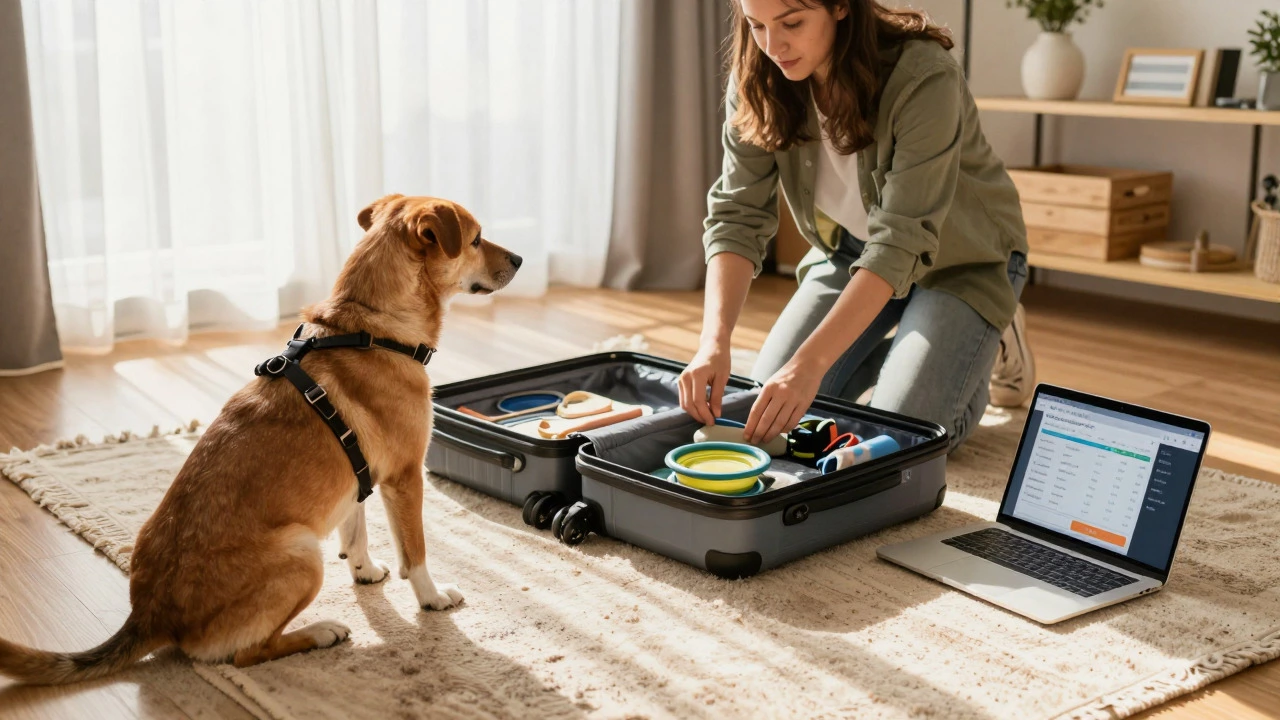
Pet Travel Cost Estimator
Plan your trip smarter. Enter your travel details below to estimate how much you'll spend on your furry companion.
Enter your trip details and click "Estimate Total Cost" to see your projected spending.
Expense Breakdown
You just booked a flight for yourself and realized the airline wants $150 extra just to let your dog sit under the seat. Or maybe you're driving across the country and dreading the $40 nightly pet fees at every hotel stop. Pet travel doesn't have to drain your savings account, but it does require more than just tossing a leash in your bag. Most people assume that bringing a furry friend along means paying premium rates everywhere they go. That’s simply not true if you know where the leaks are in your budget and how to plug them.
The biggest mistake travelers make is treating their pet like an afterthought until the day before departure. By then, you’re stuck with last-minute prices and limited options. The secret to traveling cheaply isn't about finding magic discounts; it's about preparation, smart logistics, and knowing exactly what airlines, hotels, and vets actually charge versus what they advertise. Let’s break down how to keep costs low without compromising your pet’s safety or comfort.
Mastering Airline Fees and Rules
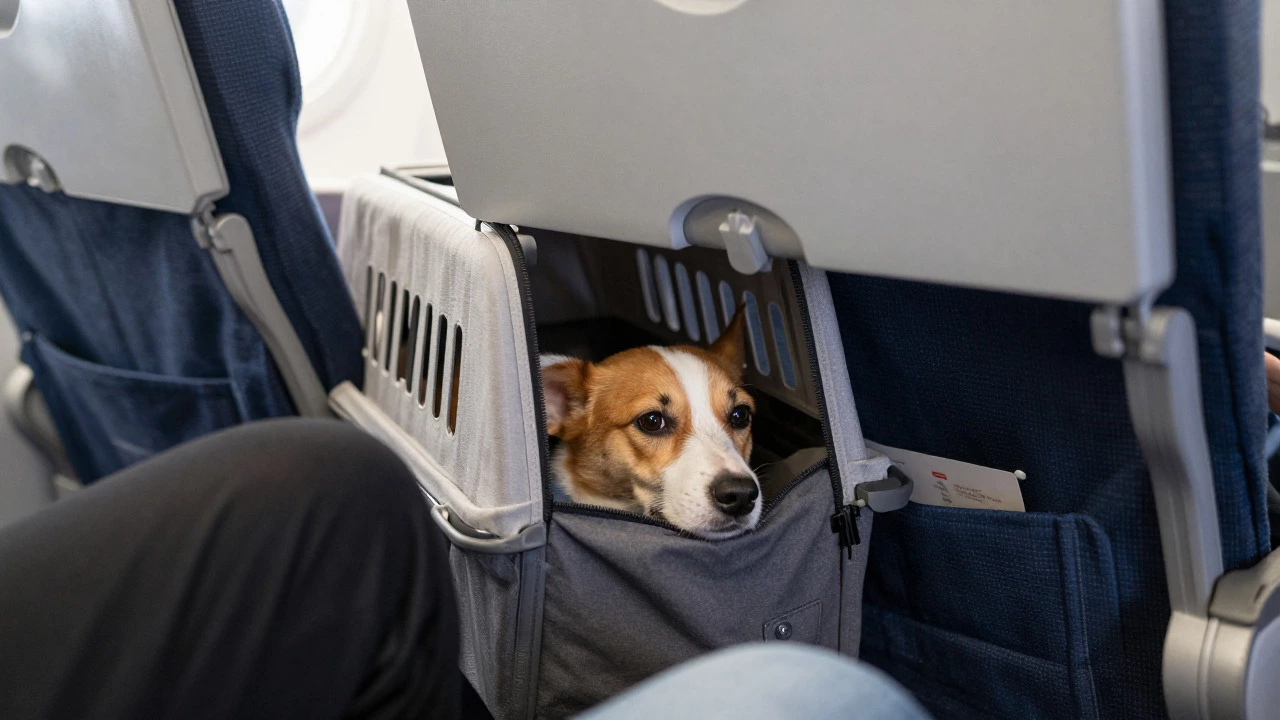
Air travel is usually the most expensive part of moving a pet, but it’s also where you can save the most by being strategic. First, understand that airline pet policies vary wildly between carriers. Some charge flat fees, while others calculate costs based on weight or destination. For example, flying domestically within the US often allows small cats and dogs in-cabin for a fee ranging from $95 to $125 each way. This is almost always cheaper than cargo hold transport, which can cost hundreds depending on size and breed.
To cut costs here, stick to in-cabin travel whenever possible. Airlines like Southwest, JetBlue, and Delta allow pets in the cabin, but their rules differ. Southwest charges a flat $125 per carrier (not per animal), so if you have two small cats, you save money by putting both in one approved soft-sided carrier. JetBlue charges per animal, so splitting them up might be necessary. Always check the specific carrier's current fee schedule because these numbers change frequently.
- Book Early: Airlines limit the number of pets allowed in the cabin per flight. Booking early secures your spot and avoids the risk of having to switch to a more expensive cargo option later.
- Measure Twice: Ensure your carrier fits under the seat. If it doesn’t, you’ll pay for cargo or gate-check fees, which are significantly higher.
- Direct Flights Only: Layovers increase the risk of delays and potential mishandling. While direct flights might seem pricier for humans, the added complexity of connecting flights with a live animal often leads to hidden costs or stress-induced vet visits upon arrival.
| Travel Method | Average Cost Per Animal | Best For | Risk Factor |
|---|---|---|---|
| In-Cabin Carrier | $95 - $125 (one-way) | Cats & Dogs under 20 lbs combined | Low |
| Cargo Hold | $300 - $800+ | Large breeds or international trips | Moderate to High |
| Gate Check | $75 - $100 | Small pets when cabin is full | Moderate |
Road Trips: Cutting Accommodation Costs
If you’re driving, the car ride itself is relatively cheap compared to flying. You already own the vehicle, and gas prices are predictable. The real budget killer is lodging. Many major hotel chains charge "pet fees" that range from $25 to $150 per stay, sometimes even adding a non-refundable cleaning deposit. Over a ten-day trip, those fees can add up to over $1,000.
The alternative? Look beyond traditional hotels. Platforms like Airbnb and Vrbo offer filters specifically for "pets allowed," and many hosts waive the fee entirely or charge a much lower flat rate than hotels. However, read the fine print. Some hosts restrict breed or size, and others require a refundable damage deposit. Another option is camping. National Parks and state campgrounds are incredibly pet-friendly and cost a fraction of a hotel room. Just remember that you need to bring your own gear, and some parks have restricted areas for dogs.
When booking accommodations, ask directly. Call the front desk or message the host and ask, "Is there any flexibility on the pet fee?" Sometimes, if you book a longer stay (three nights or more), they will waive the fee to secure the booking. It never hurts to ask, and worst-case scenario, they say no.
Veterinary Prep: Avoiding Surprise Health Costs
You cannot skip the vet visit, but you can avoid unnecessary expenses. Before any trip, ensure your pet is up-to-date on vaccinations, particularly rabies. Most states and countries require proof of vaccination. Getting this done months in advance prevents rush fees. If you wait until the week of travel, clinics often charge extra for expedited paperwork.
For international travel, requirements get stricter. You might need a health certificate issued within ten days of departure. This document typically costs between $100 and $200. To save money, find out if your destination accepts digital certificates or if physical copies are mandatory. Some countries require microchipping compliant with ISO standards. If your pet has an older chip, replacing it now is cheaper than dealing with rejected entry documents later.
Don’t forget parasite prevention. Ticks and fleas aren't just annoying; they carry diseases that can lead to expensive treatments. If you’re hiking or staying in rural areas, invest in a quality flea and tick collar or topical treatment. Brands like Seresto or Frontline Plus are effective, but generic store brands can work too if applied correctly. Buying these in bulk online before your trip saves time and money compared to buying single doses at a local clinic.

Gear Up Without Overspending
Do you really need a new $80 orthopedic travel bed? Probably not. Pets adapt quickly to new environments. Instead of buying specialized "travel" gear, repurpose what you already own. Use a sturdy laundry basket as a portable crate liner. Bring a familiar blanket from home to reduce anxiety. Familiar scents help pets settle faster, reducing the likelihood of destructive behavior that could cost you a security deposit.
Focus your budget on essentials: a secure harness, a long leash for safe exploration, and collapsible food/water bowls. These items are durable and useful long after the trip ends. Avoid gimmicky gadgets like automatic feeders or high-tech GPS trackers unless you plan to use them daily. A simple Bluetooth tracker attached to the collar is sufficient for most travelers and costs under $30.
Eating Out and Daily Expenses
Feeding your pet while traveling adds up. Buying small bags of premium kibble at convenience stores or gas stations is a quick way to lose money. Plan ahead by packing enough food for the entire trip plus two extra days. Store dry food in sealed containers to keep it fresh and prevent pests. If your pet eats wet food, buy smaller cans rather than large ones to avoid waste if storage conditions are poor.
When dining out, choose patio seating. Many restaurants allow leashed dogs on outdoor patios. This lets you enjoy a meal together without paying for pet-sitting services. If you must leave your pet in the hotel room, consider hiring a local dog walker via apps like Rover or Wag. Rates start around $15-$20 for a 30-minute walk. Compare this to leaving your pet alone for eight hours, which can lead to boredom-induced destruction or separation anxiety issues.
Insurance and Emergency Funds
No one wants to think about emergencies, but they happen. If your dog swallows a sock at a rest stop or gets stung by a bee, you’re looking at an urgent care visit. Unexpected vet bills can range from $200 to $1,000+. Consider purchasing short-term travel insurance for your pet. Companies like Nationwide or Trupanion offer plans that cover accidents and illnesses while traveling. Premiums are often affordable if bought annually, but some insurers offer monthly plans for frequent travelers.
If you don’t want insurance, set aside a dedicated "pet emergency fund." Even $100 saved per trip creates a buffer. Knowing you have cash ready reduces panic and allows you to make better decisions for your pet’s health rather than worrying solely about the bill.
Frequently Asked Questions
Can I take my pet on public transportation?
It depends on the city and mode of transport. Amtrak allows small cats and dogs in carriers for a fee (around $26-$33). Most city buses and subways require pets to be in carriers or muzzled. Always check local transit authority rules before boarding to avoid fines or denial of service.
Are there any hidden costs when flying with pets?
Yes. Beyond the ticket price, watch out for carrier fees if you exceed size limits, excess baggage charges if you check additional luggage, and potential quarantine fees if you miss documentation deadlines. Also, some airports charge separate handling fees for animals in cargo.
How do I keep my pet calm during a long drive?
Take breaks every two hours to allow for bathroom needs and exercise. Keep the car temperature comfortable and play calming music or white noise. For anxious pets, consult your vet about mild sedatives or natural calming aids like pheromone sprays before the trip.
What is the cheapest way to move a large dog internationally?
Cargo air freight is standard, but it can be expensive. To save, compare quotes from multiple pet relocation specialists. Sometimes shipping via sea freight is cheaper for very long distances, though it takes weeks and requires rigorous acclimation protocols. Always factor in customs clearance fees, which can be substantial.
Do I need a health certificate for domestic travel?
Not always. Most US airlines only require proof of rabies vaccination for domestic flights. However, some states or destinations may require a general health certificate. Hawaii, for instance, has strict quarantine laws that require specific pre-travel steps to avoid mandatory isolation. Always check the destination's specific regulations.
Next Steps for Budget-Conscious Pet Owners
Start by listing all upcoming trips and estimating the pet-related costs for each. Create a spreadsheet tracking airline fees, lodging pet charges, and expected vet expenses. This visibility helps you identify patterns-maybe you fly once a year but drive three times a month, meaning road trip strategies yield bigger savings.
Join online communities dedicated to pet travel. Facebook groups and Reddit threads often share real-time deals on pet-friendly hotels or airline promotions. Leverage these resources to stay ahead of price hikes. Finally, test run your setup. Take a weekend trip close to home using your planned gear and route. This trial run reveals flaws in your carrier, feeding routine, or lodging choices without the pressure of a major vacation budget.