Puppy Routine: What Every New Dog Owner Needs to Know
When you bring home a new puppy, the biggest question isn’t what toy to buy or what food to pick—it’s puppy routine, a daily structure that guides a young dog’s behavior, health, and learning. Also known as puppy schedule, it’s the invisible framework that turns chaos into calm. Without one, even the sweetest pup can turn into a chewer, barker, or bathroom vandal. A good routine isn’t about being strict—it’s about being predictable. Dogs don’t think in abstracts. They think in patterns. When they know what comes next, they feel safe.
That puppy routine isn’t just about feeding and potty breaks. It’s tied to puppy training, the process of teaching a young dog how to behave in human spaces. If you don’t schedule potty trips every 2 hours, you’re setting your pup up to fail. If you skip nap times, you’re inviting zoomies at 2 a.m. And if you don’t start basic commands early, you’ll spend months undoing bad habits later. Training doesn’t happen in 10-minute sessions on the living room floor—it happens during walks, meals, and bedtime. The same goes for dog feeding schedule, the timed meals that keep a puppy’s energy and digestion steady. Puppies under 12 weeks need three meals a day. After that, two is usually enough. Too much food too often? Upset stomach. Too little? Low energy, whining, and begging at the table.
Then there’s puppy sleep schedule, the quiet but critical part of development that most owners ignore. Puppies sleep 18 to 20 hours a day. That’s not laziness—it’s growth. If you’re trying to play or train your pup at 11 p.m., you’re fighting biology. A good sleep routine means a quiet, dark space, a consistent bedtime, and no late-night snacks. And let’s not forget house training puppies, the art of teaching them where—and where not—to relieve themselves. It’s not magic. It’s timing. Take them out after waking up, after eating, after playing, and before bed. Stick to that, and you’ll cut accidents by 80% in two weeks.
What you’ll find in the posts below isn’t a list of perfect schedules. It’s real advice from people who’ve been there—what actually works when your puppy won’t stop barking, won’t sleep through the night, or keeps peeing on the rug. You’ll see how feeding times connect to potty breaks, why sleep matters more than you think, and how training fits into the middle of your busy day. No fluff. No theory. Just the kind of practical, no-nonsense guidance that turns a tired new owner into a confident dog parent.
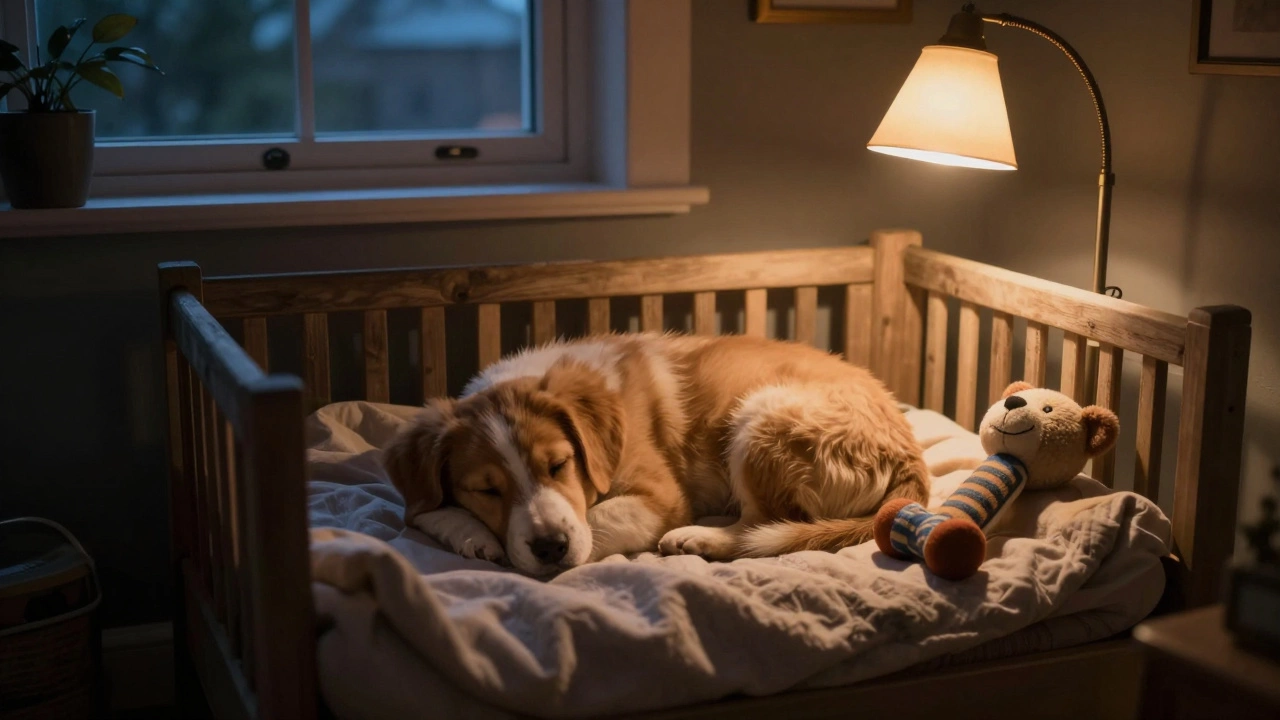
Is 8pm Too Early for a Puppy to Go to Bed?
8pm is actually the ideal bedtime for most puppies. Their growing bodies need 18-20 hours of sleep daily, and a consistent early routine prevents behavioral issues and sleep problems later on.
read more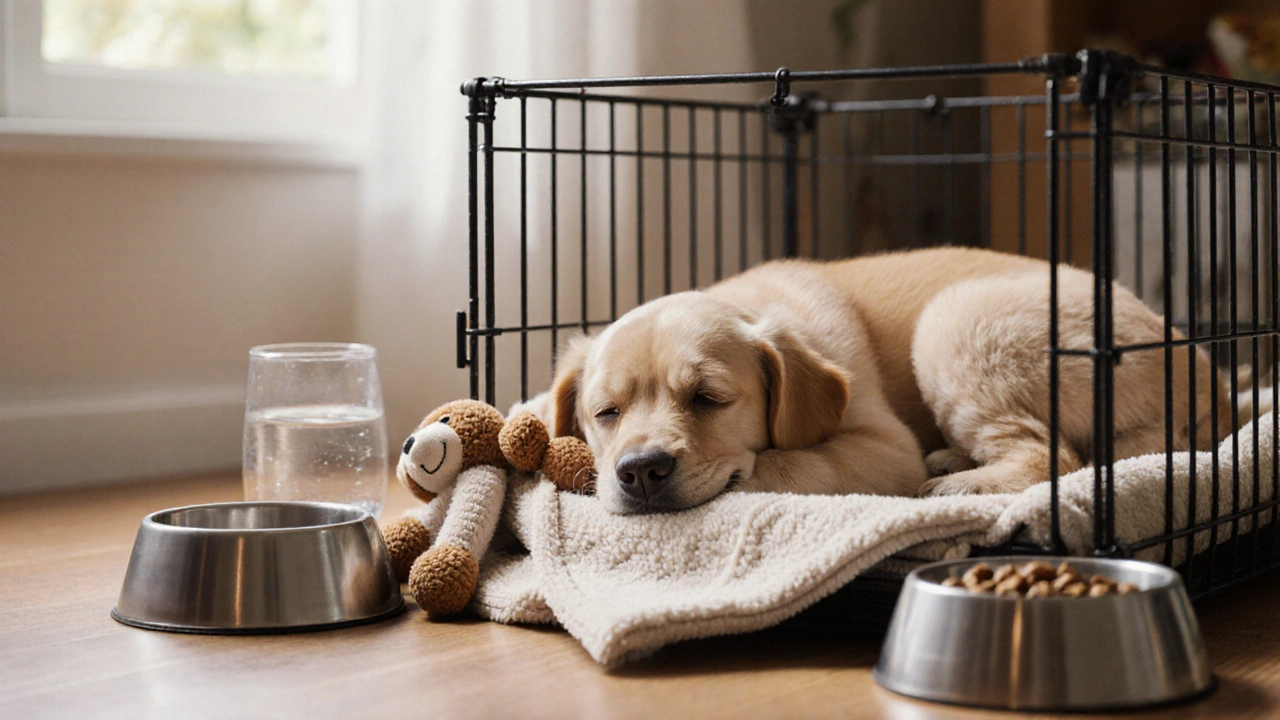
What Is a Good Schedule for an 8-Week-Old Puppy?
A good schedule for an 8-week-old puppy includes feeding three times a day, frequent potty breaks, short play sessions, and plenty of naps. Consistency builds good habits and reduces accidents.
read more