When to Feed Your Dog: Best Times, Portions, and Signs You're Getting It Right
When to feed your dog isn’t just about sticking to a clock—it’s about matching their biology, lifestyle, and age. dog feeding schedule, a structured routine that aligns with a dog’s digestion, energy needs, and behavior. Also known as feeding times, it’s one of the simplest ways to keep your dog healthy, calm, and accident-free. Puppies need meals more often than adults. Older dogs might do better with fewer, larger meals. And if your dog is always begging, pacing, or acting restless before dinner, that’s not just hunger—it’s a signal your current routine isn’t syncing with their body.
Most adult dogs thrive on two meals a day, a common and balanced approach that prevents blood sugar drops and keeps digestion steady. Morning and evening works for most households—right after you wake up, and before you settle in for the night. This rhythm helps your dog predict when food is coming, reducing anxiety and unwanted behaviors. For puppies under six months, three meals a day, a necessary routine to support rapid growth and small stomachs is the standard. An 8-week-old puppy? They need food every 4 to 6 hours. Skipping meals or stretching too long between feedings can lead to low blood sugar, especially in small breeds.
But timing isn’t everything. Portion size matters just as much. Feeding the same amount every day, even if your dog gains or loses weight, is a mistake. A dog’s energy needs change with age, activity, and health. If your dog’s ribs are hard to feel, you’re overfeeding. If they look bony, it’s time to increase portions—slowly. And don’t fall for the myth that dogs should eat only once a day. While some adult dogs can handle it, most do better with split meals. It reduces bloat risk, keeps energy steady, and prevents food obsession.
Feeding right also means avoiding common traps. Don’t feed right before or after intense exercise. Don’t leave food out all day unless your vet says it’s safe. And never use meals as punishment or reward for bad behavior—it turns food into a power struggle. Instead, use treats for training, and keep meals predictable. If your dog skips a meal once, don’t panic. But if they refuse food for two days straight, check with your vet. Loss of appetite is often the first sign of something bigger.
What you’ll find below are real, practical guides based on hundreds of dog owners’ experiences and vet advice. You’ll learn how to adjust feeding times for busy schedules, what to do when your dog won’t eat, why some breeds need special timing, and how to spot when your dog’s diet is working—or falling apart. Whether you’re new to dog parenting or you’ve had a dog for years, there’s something here that will make feeding time simpler, calmer, and more effective.
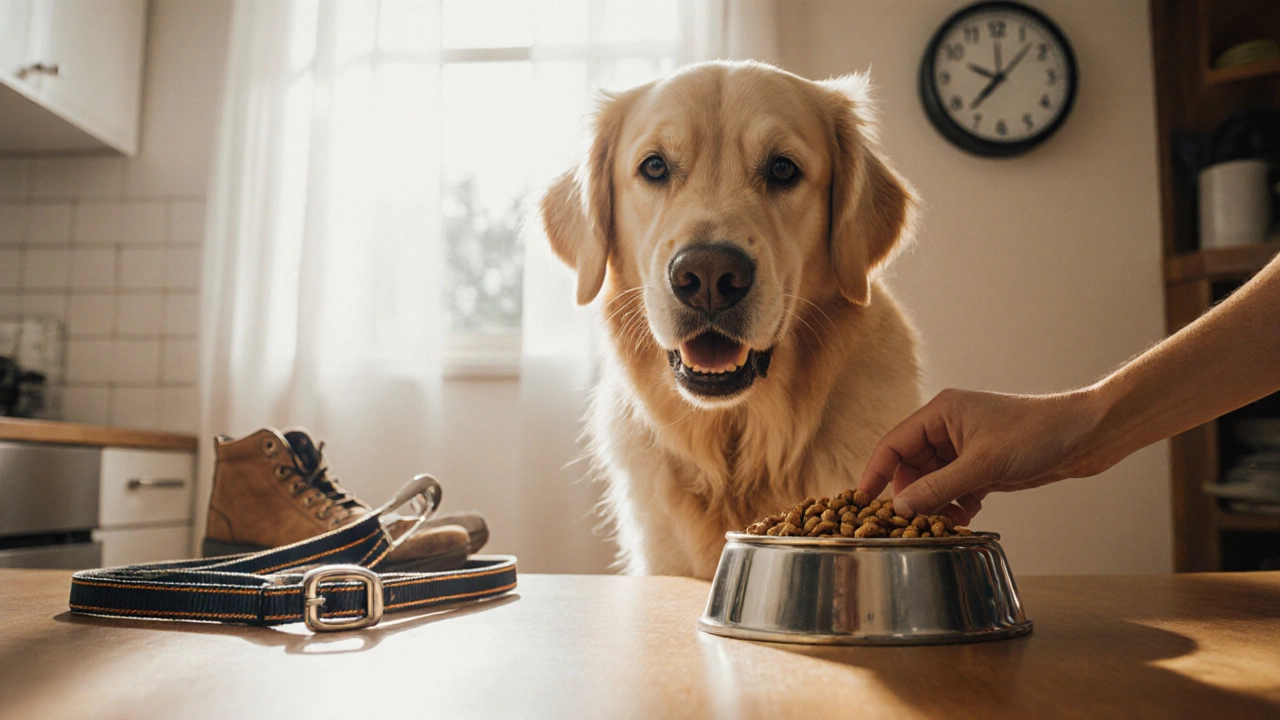
Is It Best to Feed a Dog in the Morning or Evening?
Feeding your dog in the morning or evening affects their health, digestion, and behavior. Most vets recommend two meals a day-morning and evening-for optimal energy, digestion, and routine.
read more