Puppy Confinement: What It Is and Why It Matters for New Dog Owners
When you bring home a new puppy, puppy confinement, a controlled, safe space used to help young dogs learn boundaries, prevent accidents, and avoid destructive behavior. Also known as crate training or restricted area management, it’s not punishment—it’s preparation. Think of it like a baby’s crib: it’s not where they live, it’s where they rest safely while you’re busy. Without it, your puppy might chew your shoes, have accidents on the rug, or get into something dangerous while you’re answering the door or making dinner. A well-managed confinement space gives your pup structure, reduces stress, and helps them learn faster.
Puppy confinement isn’t just about a crate. It can include a gated section of the kitchen, a playpen in the living room, or even a puppy-proofed bathroom. The key is consistency. Your puppy needs to know where they belong when you can’t watch them—and that space should feel calm, not scary. Many owners skip this step because they think it’s harsh, but the real cruelty is letting a puppy roam free and then punishing them for doing what puppies naturally do: explore, chew, and eliminate wherever they stand. Confinement prevents those mistakes before they happen. It also ties into puppy schedule, a daily routine of feeding, potty breaks, play, and sleep that helps puppies feel secure and develop good habits. If you feed at 7 a.m., 12 p.m., and 5 p.m., you’ll know when they need to go out. If you put them in their confined space after meals and play, accidents drop by 80%. That’s not magic—it’s math.
And it’s not just about potty training. Confinement helps with separation anxiety, prevents destructive chewing, and gives your puppy time to rest. Puppies need 18 to 20 hours of sleep a day. If they’re running around the house nonstop, they’re exhausted, overwhelmed, and more likely to misbehave. A quiet space lets them recharge. Plus, when you’re ready to start training, a puppy who’s had time to rest is more focused and easier to teach. You’ll see better results with less yelling. The goal isn’t to lock your puppy up forever—it’s to give them the tools to earn more freedom over time. By eight weeks, they can handle short confinement periods. By six months, most can roam freely—if you’ve built the right foundation.
What you’ll find below are real, practical posts that show how other dog owners handle puppy confinement. From setting up the perfect crate to managing confinement while working a 9-to-5 job, you’ll see what works without the fluff. There’s no guesswork here—just clear, tested advice from people who’ve been there.
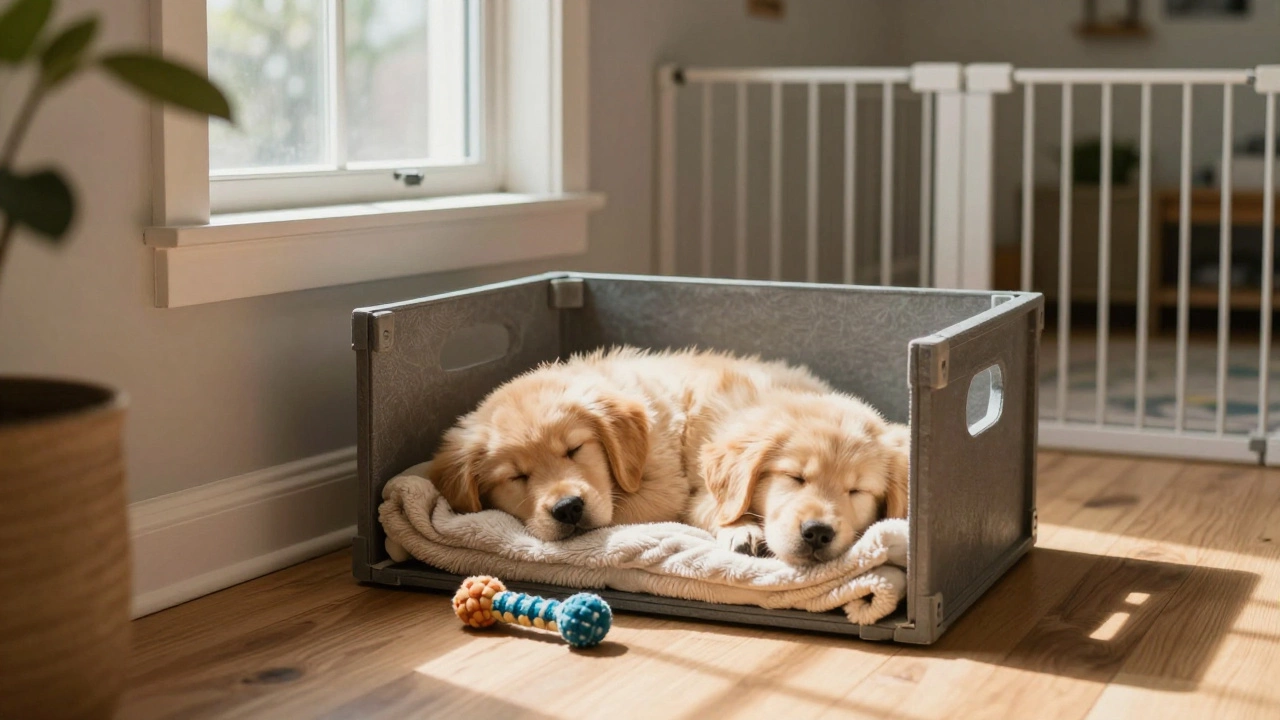
How Long Should a Puppy Be in a Crate Per Day?
Learn how long to crate your puppy each day based on age, behavior, and real-life routines. Avoid over-crating and build healthy habits with practical tips and expert-backed advice.
read more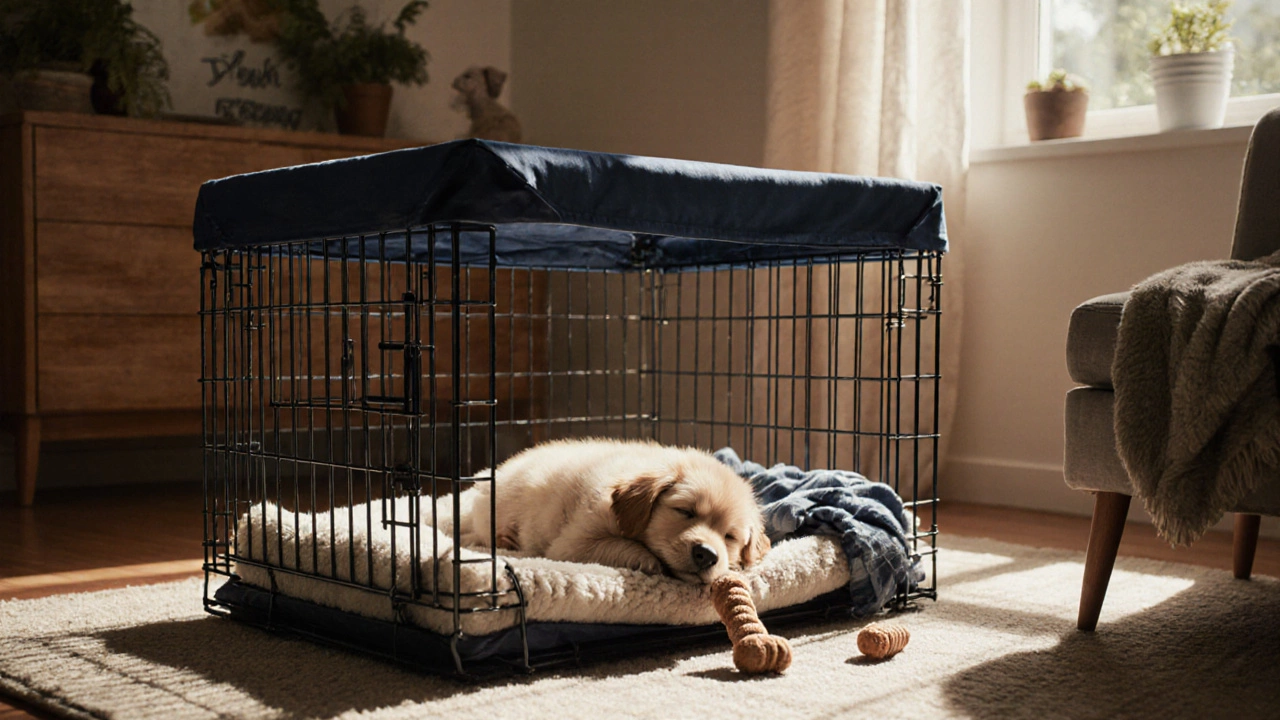
Should I Lock My Puppy in His Crate During the Day?
Crating your puppy during the day can be helpful-but only if done correctly. Learn how long is safe, what alternatives exist, and how to turn the crate into a safe space-not a prison.
read more