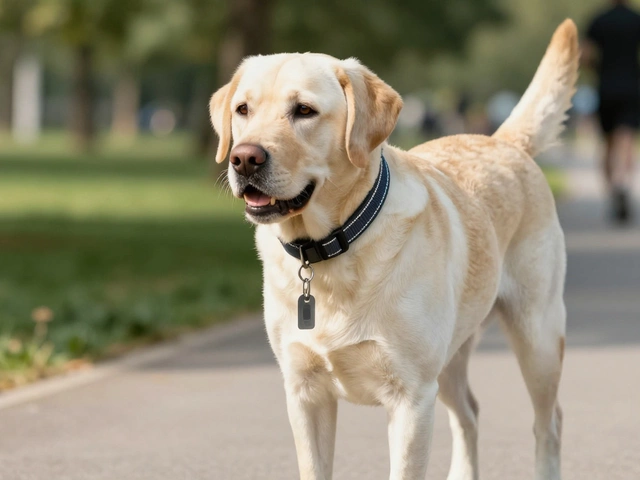
Pet Cargo Airlines: What Every Dog Owner Should Know
If you’ve ever booked a flight for your pup, you know the anxiety that comes with the idea of a cargo hold. The good news? With the right airline and solid prep, your dog can ride safely and arrive happy. Below we break down the key steps, from picking a carrier‑friendly airline to calming your dog before take‑off.
Choosing the Right Airline
Not all airlines treat pets the same. Start by checking which carriers allow dogs in cargo, the size limits, and temperature controls. Look for airlines that have a dedicated pet‑care team, climate‑controlled holds, and a track record of low pet‑related incidents. Reading recent reviews from other dog owners can quickly reveal any hidden hassles.
Price matters, but don’t let a low fee outweigh safety. Some budget airlines charge less but lack proper ventilation or a pet‑monitoring system. A slightly higher fee for a reputable carrier usually means better handling, temperature checks, and a pet‑specific tracking number.
Preparing Your Dog for Cargo Travel
Start the prep at least two weeks before the flight. Visit the vet for a health check, ensure vaccinations are up‑to‑date, and ask for a health certificate if the airline requires one. A short, calm trip to the vet can also help your dog get used to a carrier.
Pick a sturdy, airline‑approved crate that lets your dog stand, turn around, and lie down comfortably. Line the bottom with a familiar blanket to give a sense of security. Put a small, non‑spilled water dish on top – most airlines allow a tiny water bottle attached to the crate.
On the day of travel, give your dog a light meal a few hours before the flight and a chance to relieve themselves. Avoid giving a full dinner right before the trip; a light snack keeps the stomach settled and reduces the risk of nausea.
During the flight, keep the crate labeled with your contact info, the dog’s name, and any special instructions (e.g., “needs medication”). If your dog takes medication, ask the vet to put it in a clear, sealed bag within the crate, not inside the carrier’s food.
When you arrive at the airport, check in early. Arriving at least two hours before departure gives you time to speak with the pet desk, confirm the crate’s placement, and calm your dog with a short walk. A calm owner sets a calm dog.
After landing, head straight to the cargo claim area. Many airlines have a designated pet‑arrival window—don’t wait too long. Greet your dog with a gentle voice, offer water, and let them stretch. A short walk helps them shake off any lingering stress.
Remember, each flight is a learning experience. Keep a notebook of what worked – the crate brand, pre‑flight feeding schedule, and any airline quirks. Over time you’ll develop a routine that makes cargo travel almost routine.
In short, choose a pet‑friendly airline, get a vet check, use a comfy crate, and stay calm. Follow these steps and your dog’s cargo flight will be a smooth hop, not a nightmare.
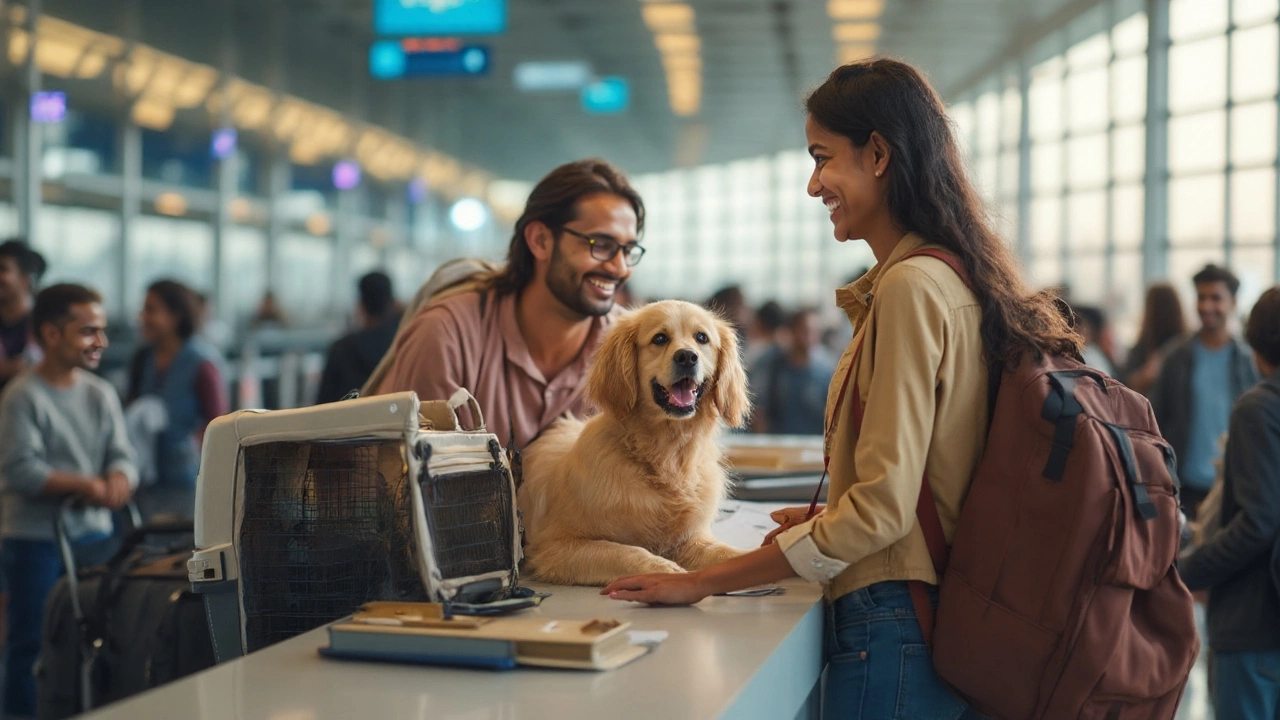
Which Airlines Allow Pets in Cabin and Cargo: A 2025 Pet Travel Guide
Get the facts on which airlines accept pets, cabin versus cargo rules, breed restrictions, and practical tips for a smooth flight with your furry friend.
read more